













Everything sold for thinning hair promises volume. Everything sold for colored hair promises moisture. And if your hair is both thinning and color-treated, you've probably run into the same problem: one seems to cancel out the other.
You end up with hair that's beautifully conditioned and completely flat. Or with root lift that lasted until lunchtime, because the product doing the lifting also stripped your color. This is the actual problem with building a hair care routine for thinning hair when that hair is also colored, and almost nobody addresses it directly.
The fix is sequencing and placement. Not more products.
Why This Combination Needs Its Own Routine
Fine hair has a weight budget. Every strand is thinner, so there's less structure to hold anything up, and a product that a thick head of hair barely notices will flatten fine hair for the day.
Color-treated hair needs moisture and protection. Density products want lift and a clean scalp. Treat both needs the same way, applied the way the bottles tell you to, and you'll spend the budget twice over before you've picked up a brush.
That's why the routine below does three things differently. It starts at the scalp instead of the strand. It keeps conditioning products strictly off the top third of your head. And it puts your thickening product where it actually works: at the roots on damp hair, not through the lengths where it adds unnecessary weight.
The System at a Glance
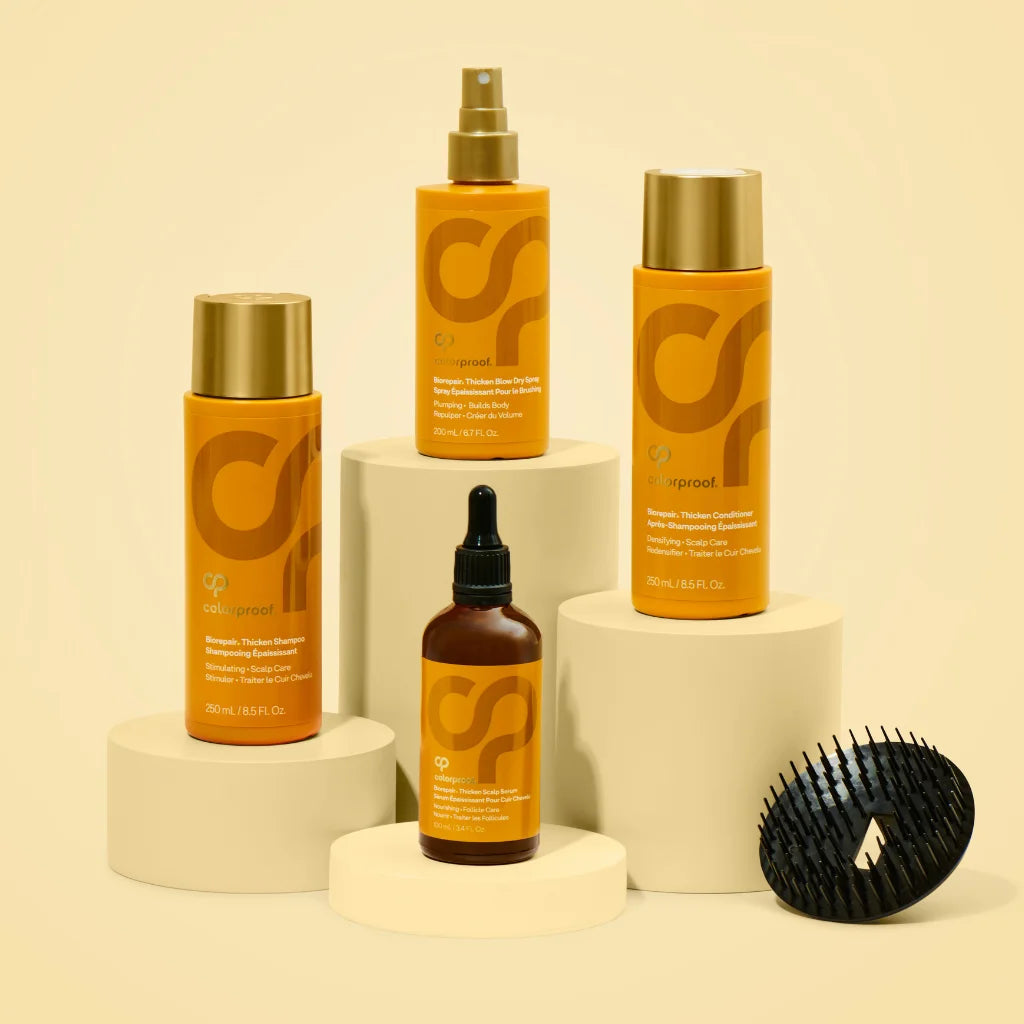
| When | What | Product |
|---|---|---|
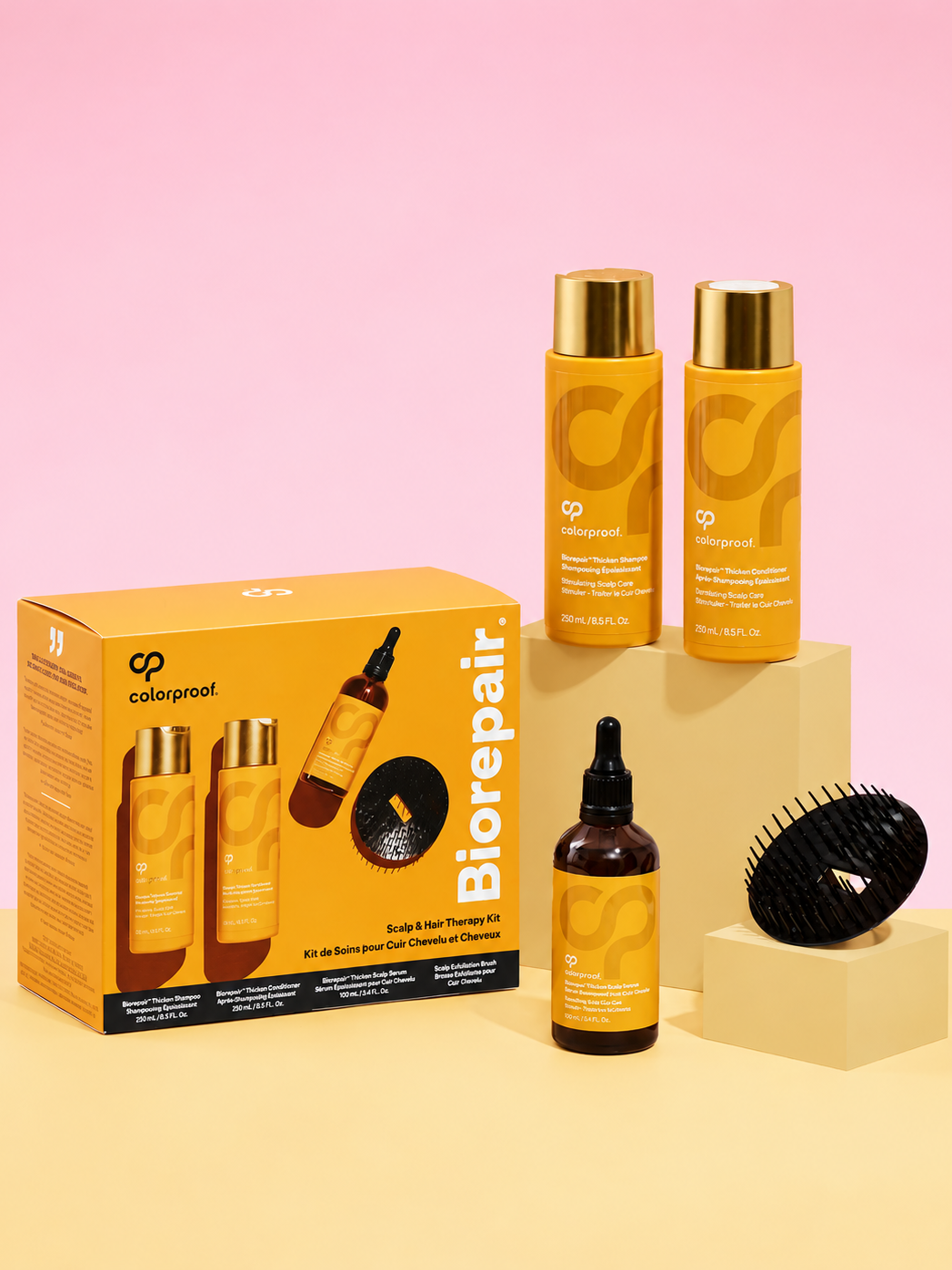
| Every wash day | Cleanse scalp, then lengths | Biorepair Thicken Shampoo + Cleansing Brush |
| Every wash day | Condition mid-shaft down only | Biorepair Thicken Conditioner |
| Every wash day | Serum on damp scalp | Biorepair Thicken Scalp Serum |
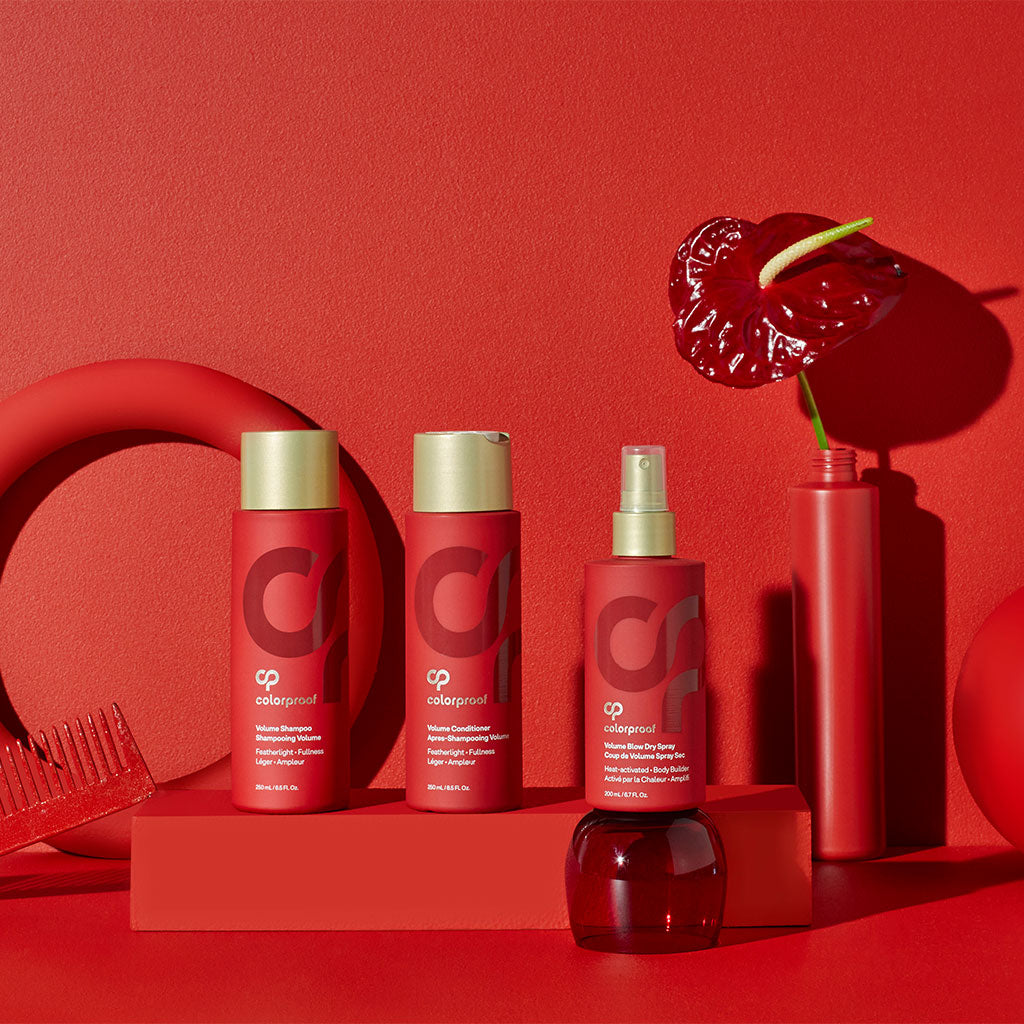
| Every blow-dry | Root lift and heat protection | Biorepair Thicken Blow Dry Spray |
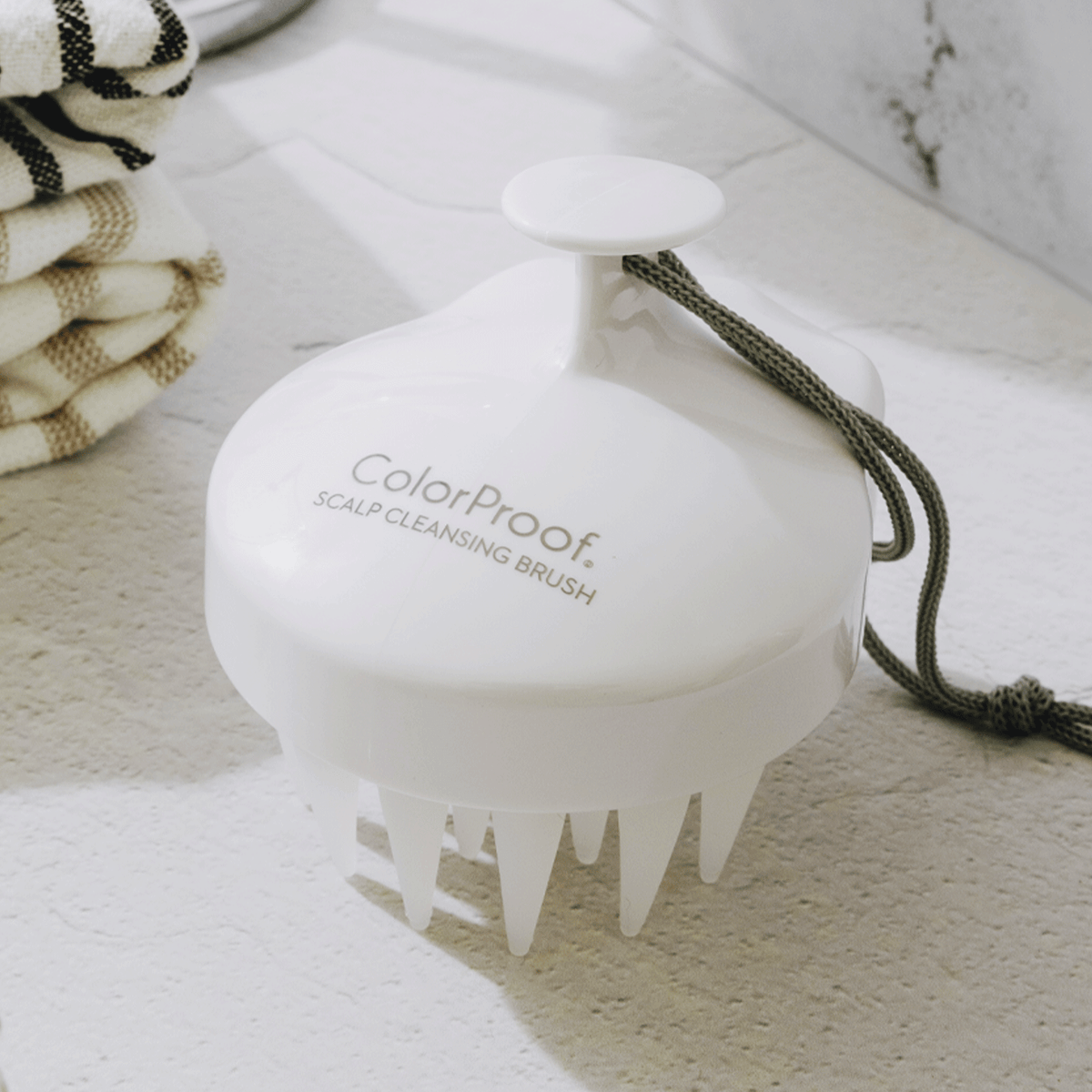
| Weekly | Pre-wash scalp exfoliation | Scalp Exfoliating Brush |
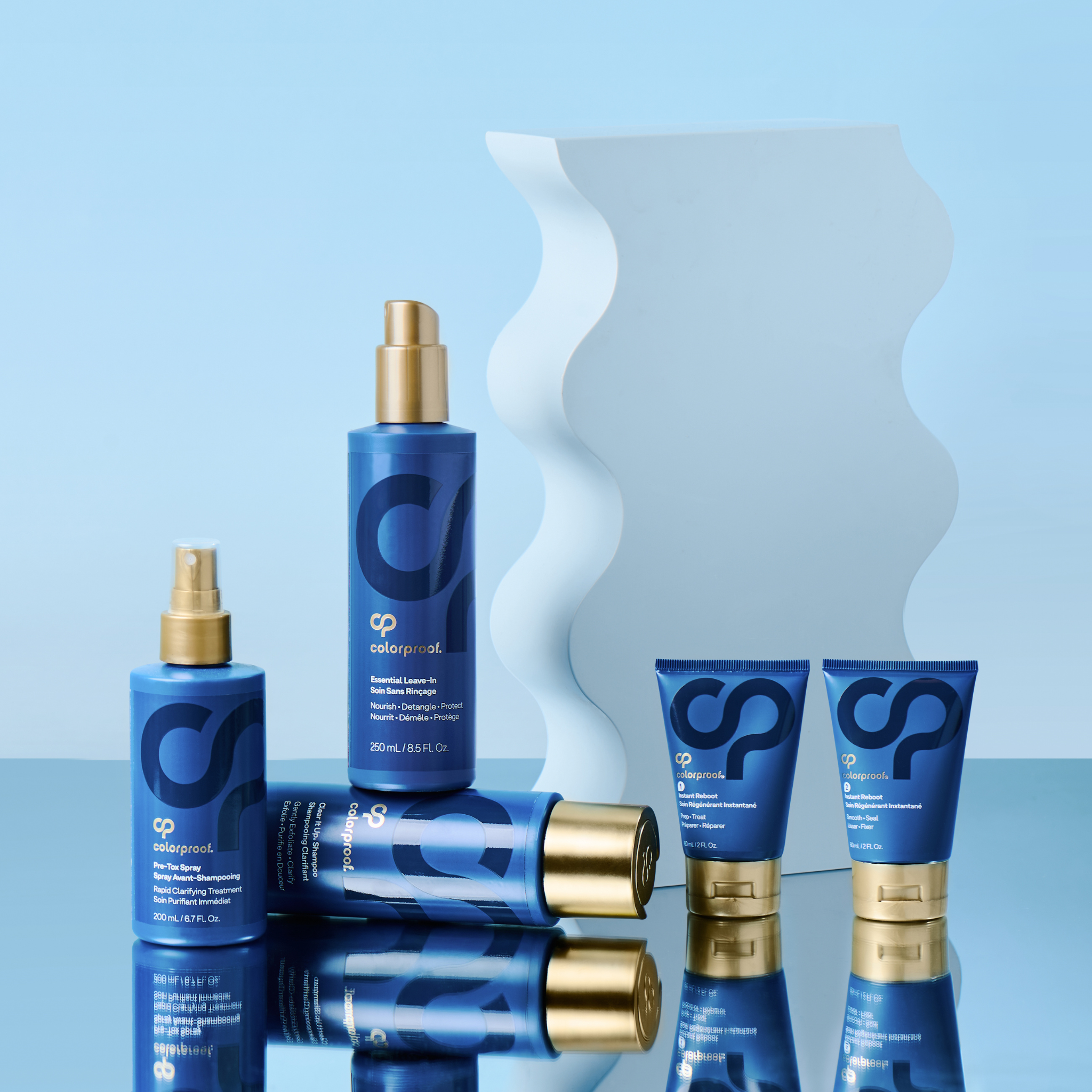
| Monthly | Clarify buildup | Clear It Up Shampoo |
Two or three wash days a week for most people. Not daily, and the reasoning is in how often to wash color-treated hair.
Step 1: Start at the Scalp
Density work starts at the root, so this is where the routine begins rather than where it ends up as an afterthought.
Once a week, before you get in the shower, massage your dry scalp with the Scalp Exfoliating Brush. Small circles, light pressure, five minutes at most. You're lifting flakes and loosened buildup so that everything after it can reach the skin. Fingernails don't do this job, they just irritate.
On wash days, use the Cleansing Scalp Brush while you shampoo. It distributes product evenly and gives you the benefits of a scalp massage without the scratching. That's especially helpful for fine hair, which tangles and breaks more easily when you're too rough with your hands.
One warning: don't use both on the same day, and don't exfoliate more than once a week. An overworked scalp gets inflamed, and inflammation is the opposite of what you're going for.
Step 2: Wash Without Stripping
Shampoo only the scalp. The suds running down are plenty for your lengths, and colored fine hair does not need a second application anywhere.
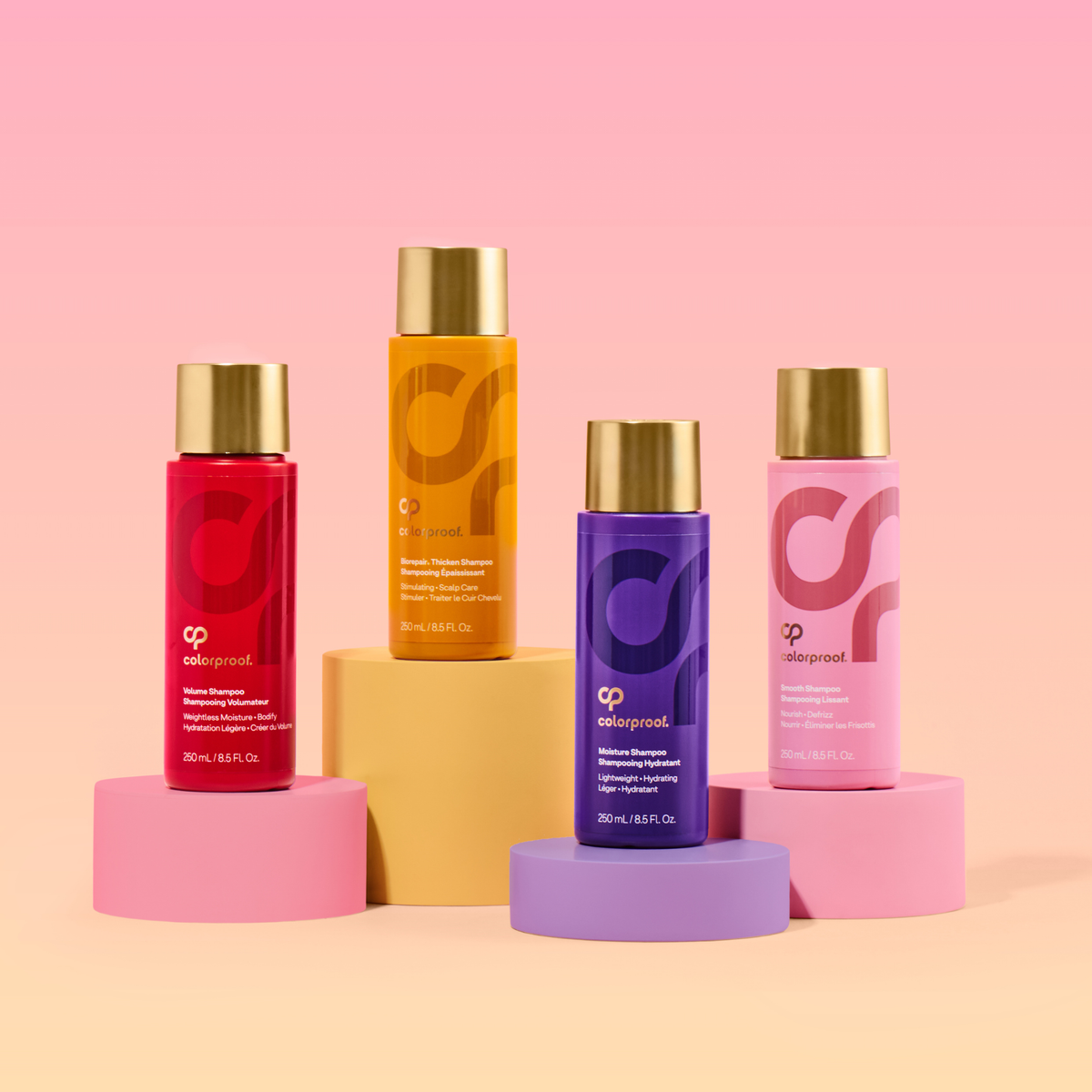
Biorepair Thicken Shampoo is sulfate-free and paraben-free like the rest of the collection, so it gently cleanses without unnecessarily stripping away moisture or contributing to faster color fade. Wash with lukewarm water, then finish with a cool rinse for about ten seconds. It helps smooth the hair cuticle for added shine and leaves hair looking sleeker and feeling softer.
Once a month swap it for Clear It Up Shampoo. Fine hair shows buildup faster than any other type, and buildup at the root is one of the most common reasons hair looks thinner than it is.
Step 3: Condition Without Weighing Down
Here's the rule that makes or breaks this routine.
Biorepair Thicken Conditioner goes from the mid-shaft down—never at the root, never on the crown, never "just a little bit". A good rule of thumb: if you can see your ears, start below that line.
Leave it on for two minutes, then rinse cool. Rinse a little longer than feels necessary. On fine hair, leftover conditioner looks like flatness, not hydration, and most people under-rinse.
If your ends are especially dry, use a richer masque on the last two inches once a week. Any higher, and you've spent your weight budget.
Step 4: Serum Goes on Damp Skin, Not Dry Hair
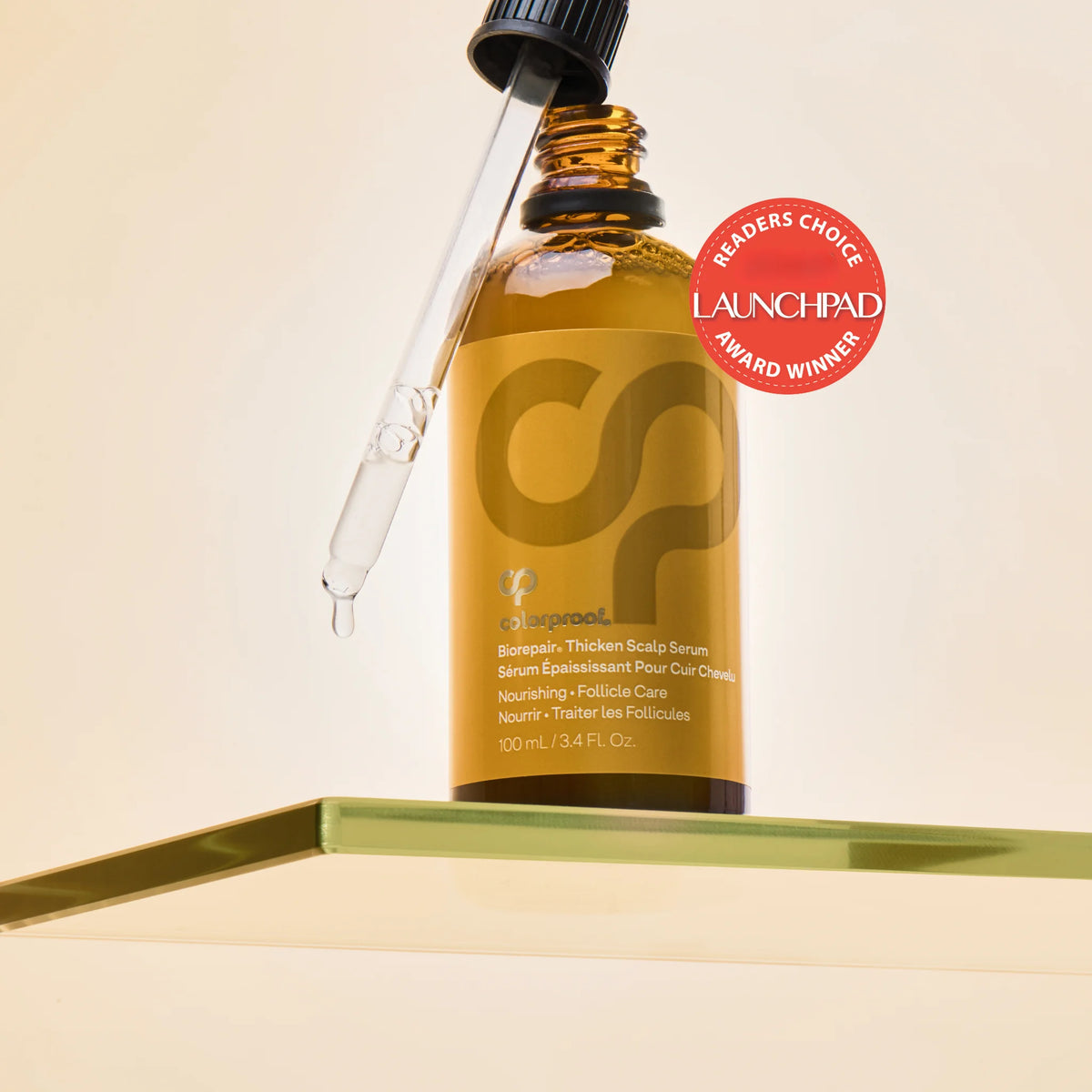
Towel-blot, don't rub. Then part your hair into four or five sections and get Biorepair Thicken Scalp Serum directly onto the scalp, not into the hair.
Damp skin absorbs better than dry. It's a small thing that makes a noticeable difference to whether the product does anything at all.
Massage it in with your fingertips for about 30 seconds. Use it on every wash day. Consistency matters, because this is the step people skip first—and the one that takes the most patience to pay off.
Step 5: Blow-Dry for Density
Air-drying places less stress on color-treated hair and can help maintain its condition over time. But blow-drying is where fine hair gets most of its apparent volume, so there's a trade-off worth making a few times a week.
Biorepair Thicken Blow Dry Spray on damp roots, then work outward. It's doing two jobs: heat protection, and giving the root something to hold a shape with.
Dry the roots first, head tipped forward, nozzle pointing up at them. Get them to about 80% before you touch the lengths. Then finish with a cool shot, which sets the shape and closes the cuticle at the same time.
Under 350°F throughout, and never on soaking hair. Wet hair plus heat is how fine hair snaps mid-shaft, which is the fastest route to looking thinner than you are. More on that in hair thinning after coloring.
What This Routine Won't Do
It's worth being clear about this, because there's a lot of overpromising in this category.
These are cosmetic products. They improve the condition of your hair and scalp, help hair look and feel fuller, and a consistent routine can make a noticeable difference in volume, body, and the appearance of density. What they don't do is treat the underlying causes of medical hair loss. That's something cosmetic haircare products aren't designed to do.
If your part is widening, you're noticing patchy hair loss, or shedding has continued for more than three months, it's time to see a dermatologist. Identifying the underlying cause is more important than changing your shampoo. The difference is covered in does hair dye cause hair loss.
Give this routine six to eight weeks before you judge it. Two weeks tells you nothing except how the products smell. Also useful: choosing a sulfate-free shampoo by hair type
FAQs
Q1: What's the best hair care routine for thinning hair that's also colored?
Scalp first, then a sulfate-free thickening wash, conditioner from the mid-shaft down only, serum on a damp scalp, and a thickening spray at the roots before you blow-dry. The bit most people get wrong is conditioner placement, because the products that protect color are the same ones that flatten fine hair when they land too high.
Q2: How do I add volume without stripping my color?
Volume comes from the root and from technique, so you don't need a stripping product to get it. Keep conditioner off the top third, dry your roots first with your head tipped forward, and finish on cool. That gets you most of the lift without touching a sulfate.
Q3: How often should I exfoliate my scalp?
Once a week, before washing, and no more. Fine hair tempts people into over-doing scalp work because the results feel immediate, but an irritated scalp is a worse environment for hair than a slightly congested one.
Q4: How long until I see a difference?
Texture and body improve inside two or three weeks. Anything to do with density takes longer, realistically six to eight weeks, and it shows up gradually rather than one morning. If you're going to abandon it, you'll abandon it in week two, which is why the routine above has five steps instead of nine.