









You got your hair colored six weeks ago. Now there's more in the drain than you'd like. Your ponytail feels thinner every time you wrap the elastic around it, and you've caught yourself checking your part in every mirror you pass.
Short answer? Almost certainly not. Hair dye doesn't cause hair loss in the way most people mean when they ask. What it causes is breakage, and breakage looks so much like thinning that the two are constantly mistaken for one another, even by people who should know the difference.
That distinction matters, because the solutions aren't remotely the same.
Does Hair Dye Cause Hair Loss?
No. Your follicles sit under the skin, and dye works on the strand above it. The chemistry never gets down to where hair is actually made.
So whatever's growing out of your scalp right now is fine. What's changed is the hair already there. It's weaker than it was, and weaker hair snaps. Those broken pieces end up in your brush, and the stubs left behind make your whole length look thinner than it is. Your ponytail may genuinely feel less full. But that doesn't necessarily mean your hair has stopped growing. And that's an important distinction, because it's also where hope begins.
There's one genuine exception involving an allergic reaction. Instead of shedding from the root, the hair often breaks farther down the shaft, leaving shorter strands behind.
Breakage or Shedding? Look at the Ends
Honestly, this is the most useful two minutes you'll spend on the whole question. Go and get a few hairs off your brush or out of the drain, and look at the ends.
| Breakage | Shedding | |
|---|---|---|
| End of the hair | Blunt, frayed or split. No bulb. | Tiny pale bulb at one end |
| Length | Short bits, all different lengths | Full length of your hair |
| Where you find them | Brush, pillow, dark shoulders | Drain, mostly on wash days |
| Your part | Looks the same | Might look wider |
| Mid-shaft texture | Rough, stretchy when wet | Feels normal |
Short pieces with no bulb? That's breakage. It's a hair-condition problem; it's your least worrying option, and it usually starts improving in a few weeks once you change your hair habits.
Full-length hairs with a little bulb on one end are shed hairs. Everybody sheds somewhere between 50 and 100 a day, and that's just how it works. A lot more than that, for more than a few weeks, is worth looking into. Despite what many people assume, hair dye probably isn't the reason. Let's take a closer look.
What Color Actually Does to a Strand
To deposit permanent color, the hair cuticle is gently opened using an alkaline agent and peroxide. During this process, some of the disulfide bonds that help give hair its strength are disrupted, and the hair can also lose some of its natural lipids—the protective oils that help keep strands flexible, smooth, and resilient.
The result is hair that's weaker under tension and more porous. It stretches further before it gives, and it dries out faster.
One color service? Not a big deal.
But layer on repeated stress: flat iron, rough towel, brushing while it's soaking, a supermarket shampoo full of sulfates, and the damage adds up. Now the strand fails wherever it's weakest, which tends to be somewhere in the middle rather than at the ends, and that's why breakage can make hair look thinner, even though the hair is still growing.
Bleach Is a Different Conversation
Bigger deal than color, and the answer has two parts.
Bleach doesn't reach your follicles either, so it doesn't stop hair from growing. But it strips pigment and protein out of the cortex, and that makes each strand physically narrower. Narrower strands across a whole head add up to less density, even when you haven't lost a single hair. Throw in the breakage that heavily lifted hair is famously prone to, and you get thinning that's real, visible, and still not hair loss.
The real risk comes when bleach sits on the scalp long enough to cause a burn. Severe scalp burns can damage hair follicles, and in some cases, that damage may be permanent. That's an argument for choosing an experienced professional to apply your bleach, but not an argument against coloring your hair.
The One Exception Worth Knowing About
Most permanent dyes contain PPD (para-phenylenediamine). Most people are completely fine with it. A small number aren't, and an allergic reaction on the scalp isn't subtle: itching, burning, swelling, sometimes weeping or crusting.
Inflammation that severe can push hair follicles into a resting phase, often leading to increased shedding. It's usually temporary, though not always, and it's real loss rather than breakage. It also calls for medical attention rather than a different shampoo. If your last appointment left your scalp sore, blistered, or swollen, this is the situation that applies to you.
Check Your Timeline First
Here's the thing that puts a lot of these worries to rest—and hardly anyone knows it.
When shedding is triggered by physical stress, it doesn't usually start straight away. It usually kicks in around two to three months after whatever caused it.
So if your hair started shedding three days after your appointment, the appointment almost certainly wasn't the cause. And if it started three months later, the dye is in the frame purely because of timing, while the actual trigger was probably something else that happened around then. Childbirth. A thyroid shift. Low iron. A crash diet, a new prescription, a fever, or just a genuinely rough few months.
When to Stop Googling and See a Doctor
Book something if any of this sounds like you:
- Hair going in patches instead of evenly
- Part visibly widening, or scalp showing through at the crown
- Scalp pain, burning, blisters, or itching that won't settle
- Heavy shedding that's carried on past three months
- Thinning plus fatigue, weight changes, or irregular periods
- Pattern hair loss in your family, particularly if you're noticing this young
A dermatologist can identify the difference between shedding, pattern hair loss, and scarring conditions. The sooner you know what's causing the problem, the sooner you can take the right steps. No haircare product is a substitute for that appointment.
What Actually Helps
If breakage is the problem, this is the part you can control.
Wash every two or three days, sulfate-free, lukewarm water, cool rinse at the end. Heat tools under 350°F and never on damp hair. Detangle from the bottom up, and don't brush your hair when it's soaking, because that's when it stretches most and gives way easiest. Masque once a week. Stretch out your appointments and stick to root touch-ups rather than dragging color through the whole length every time.
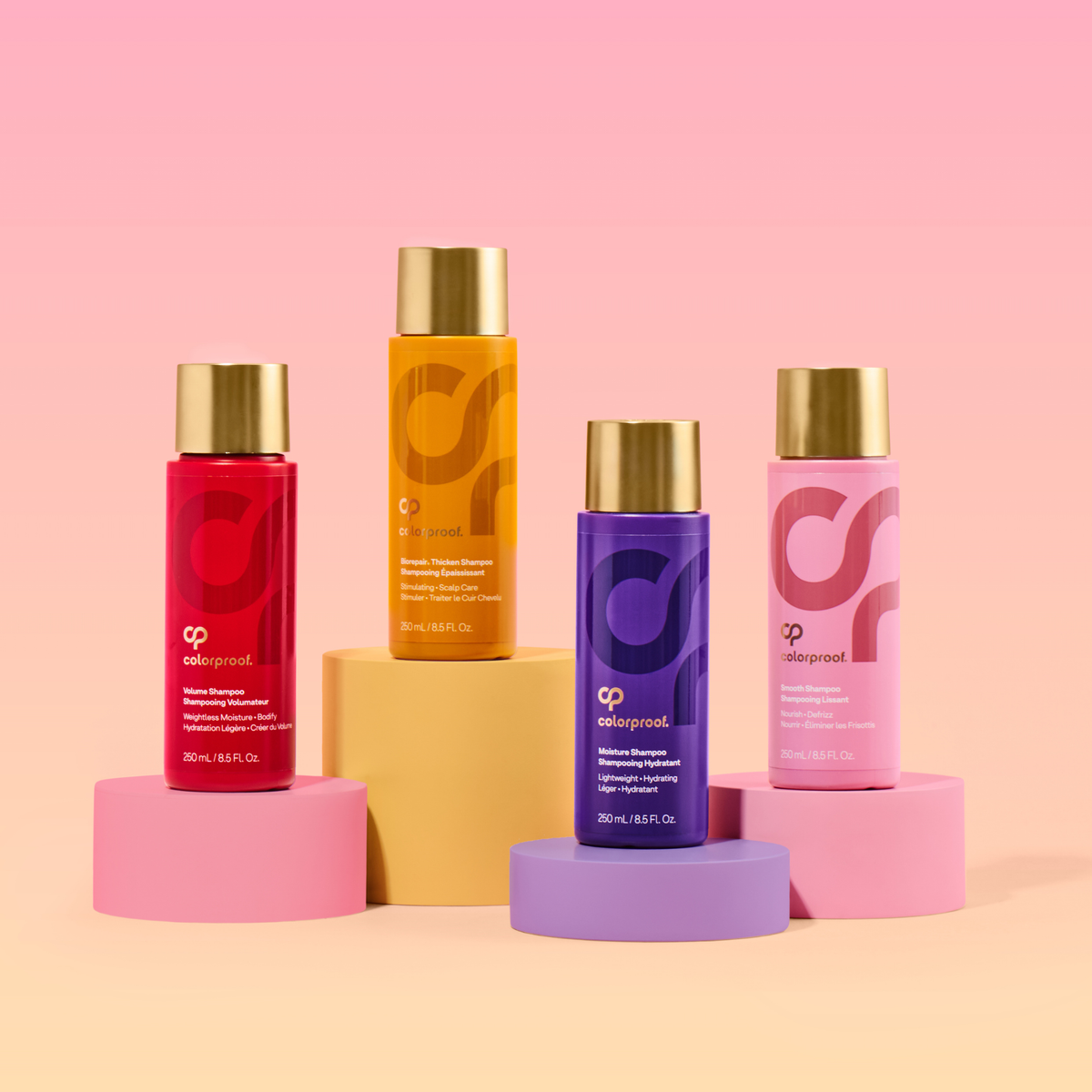
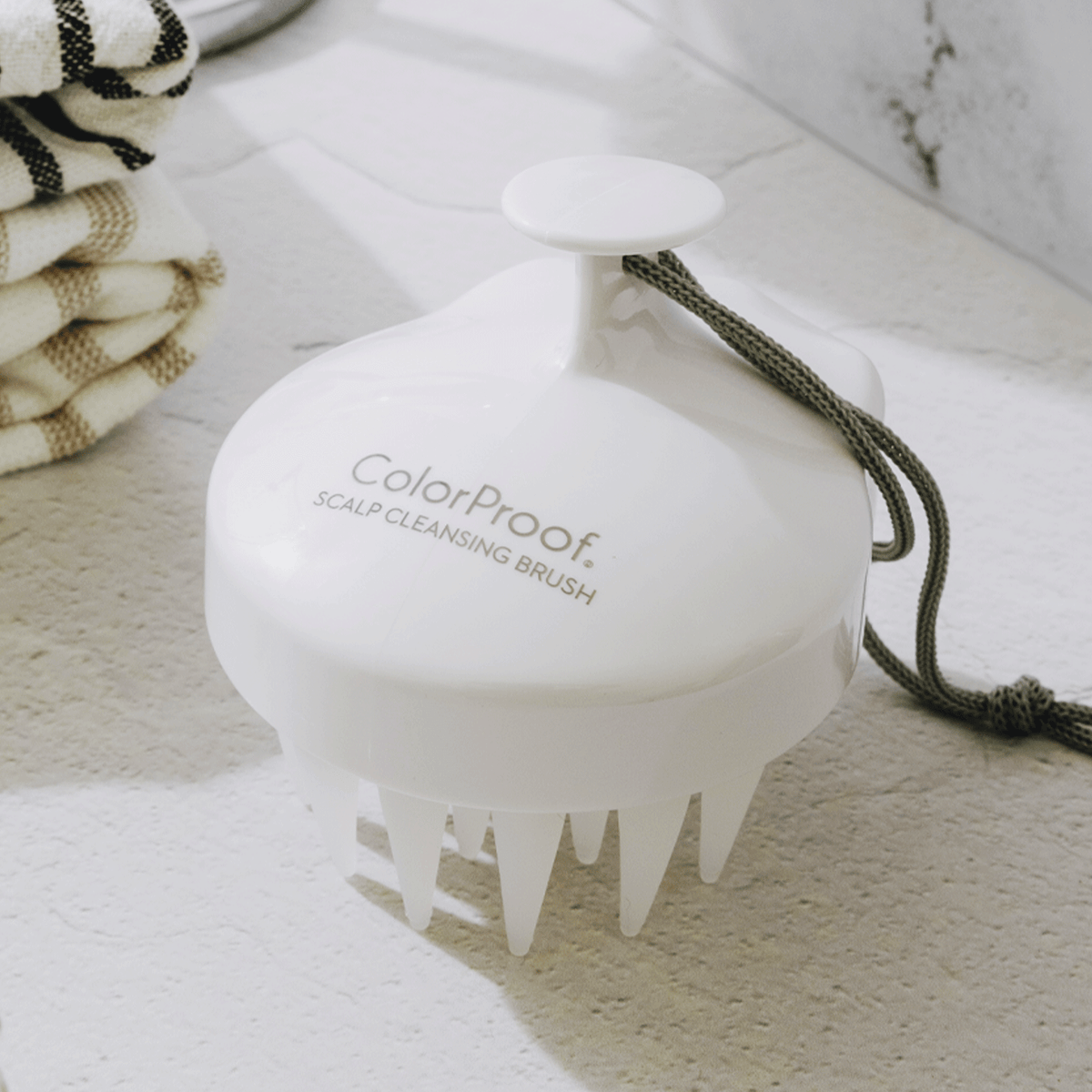
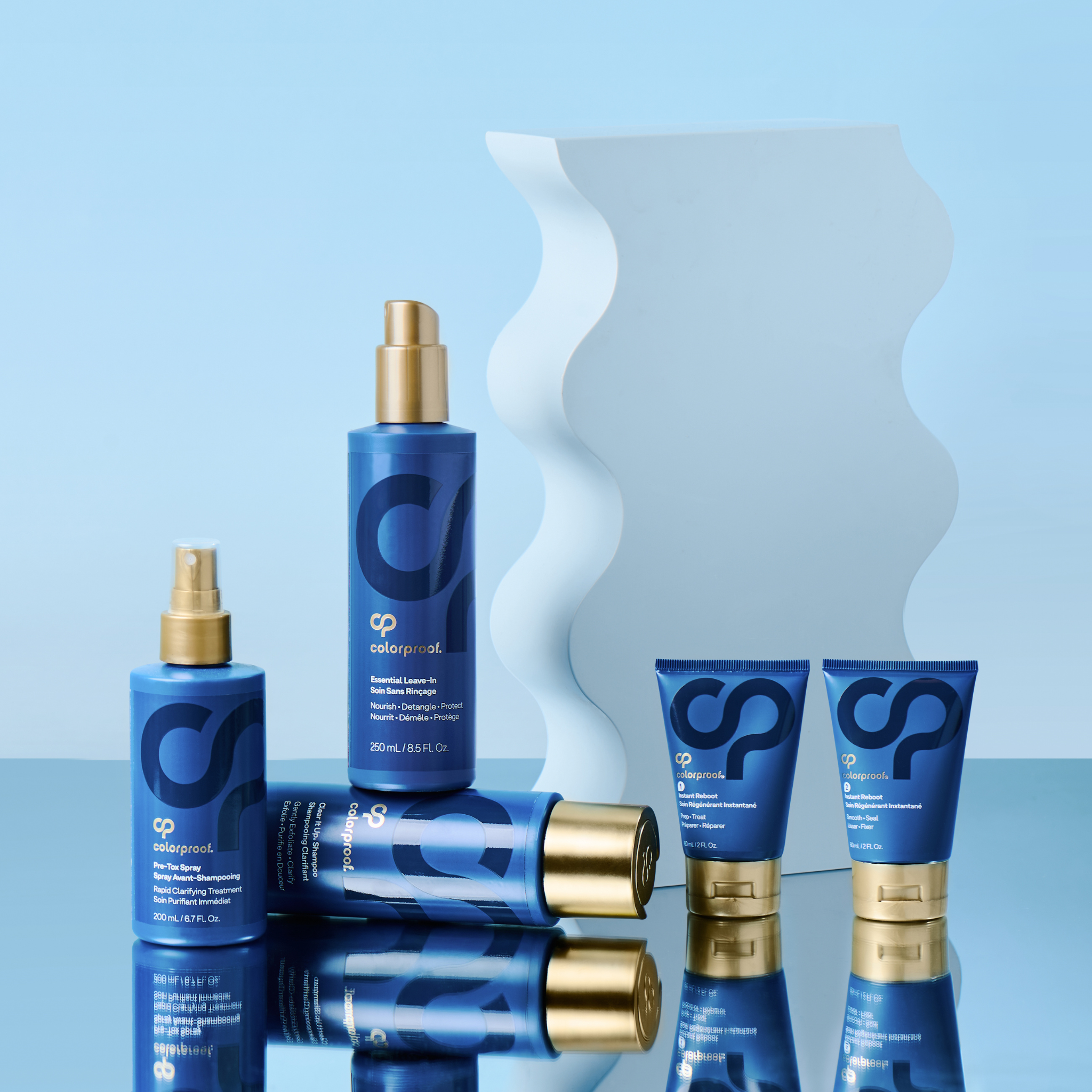
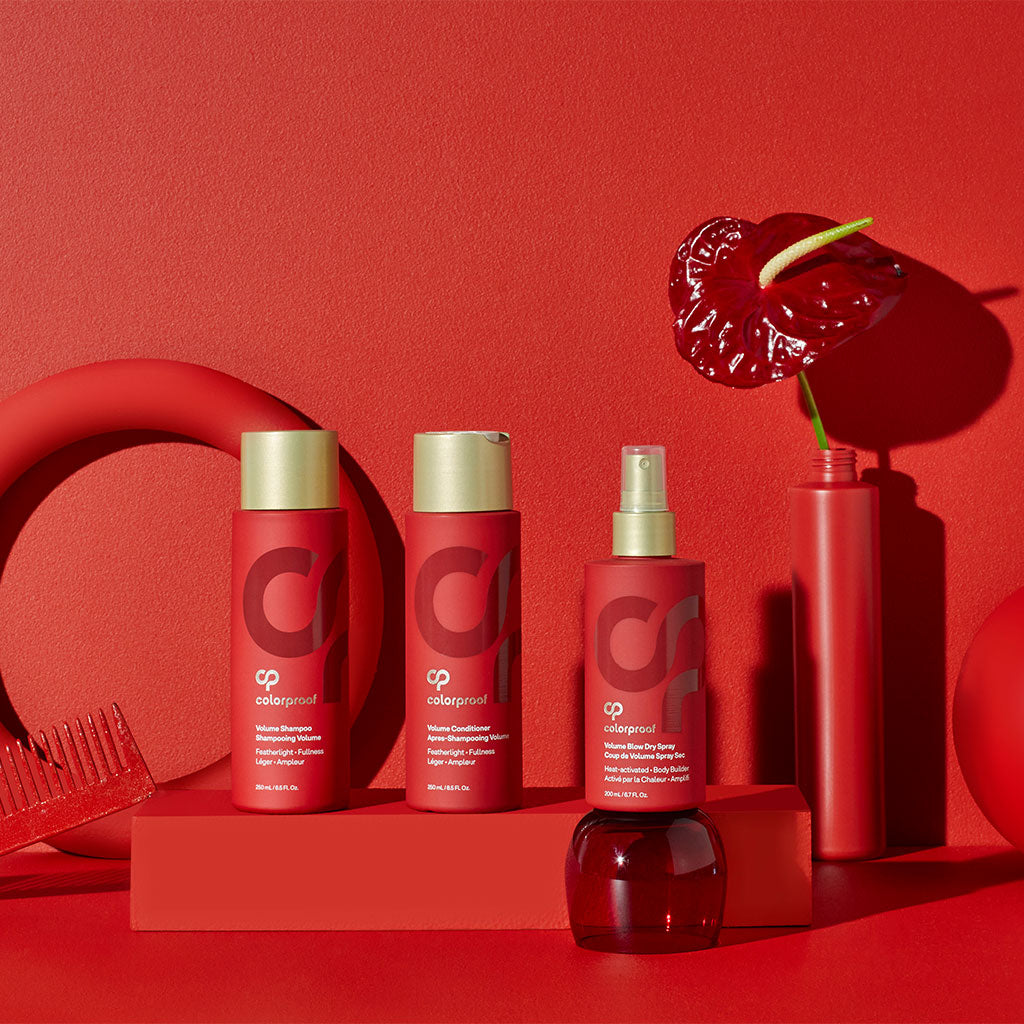
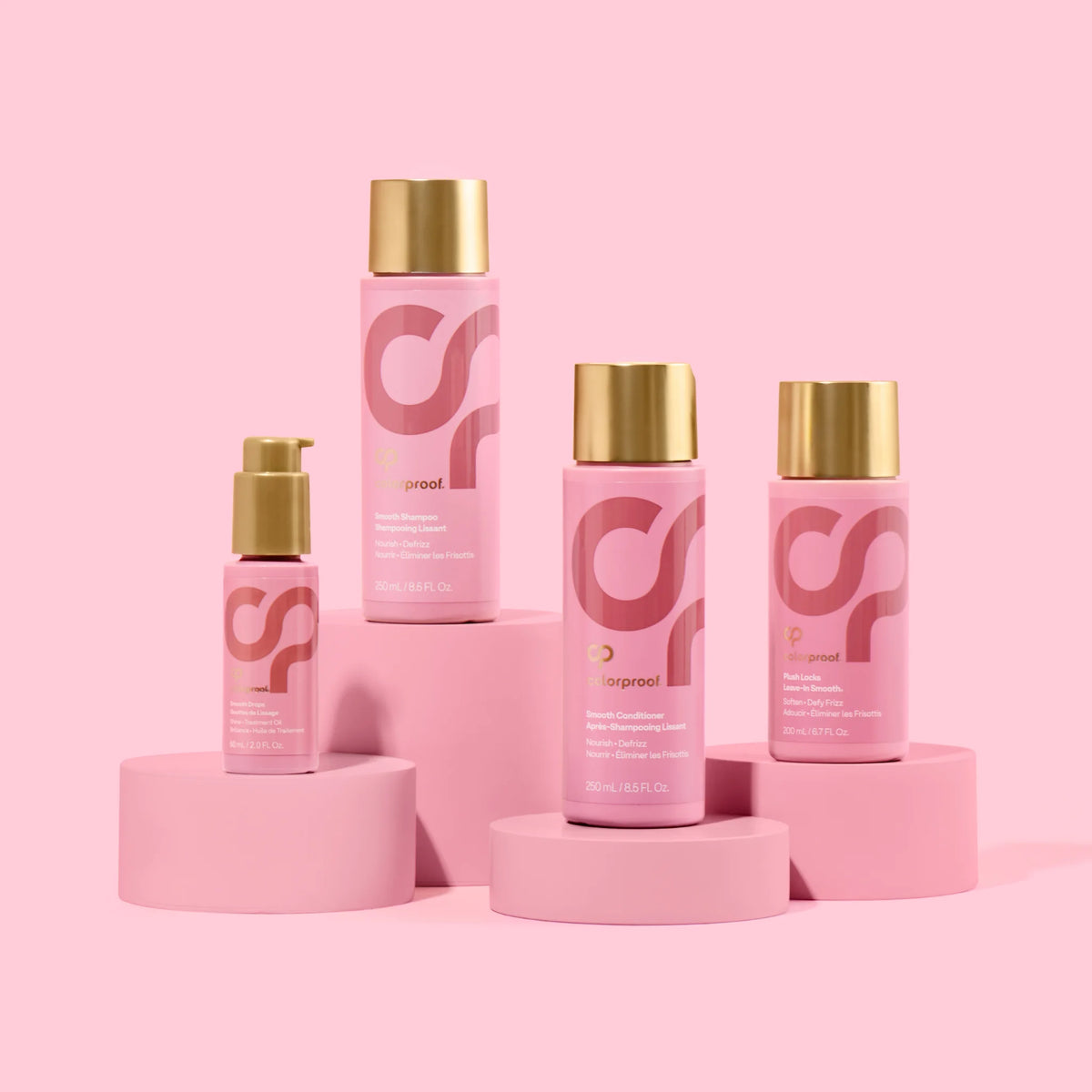
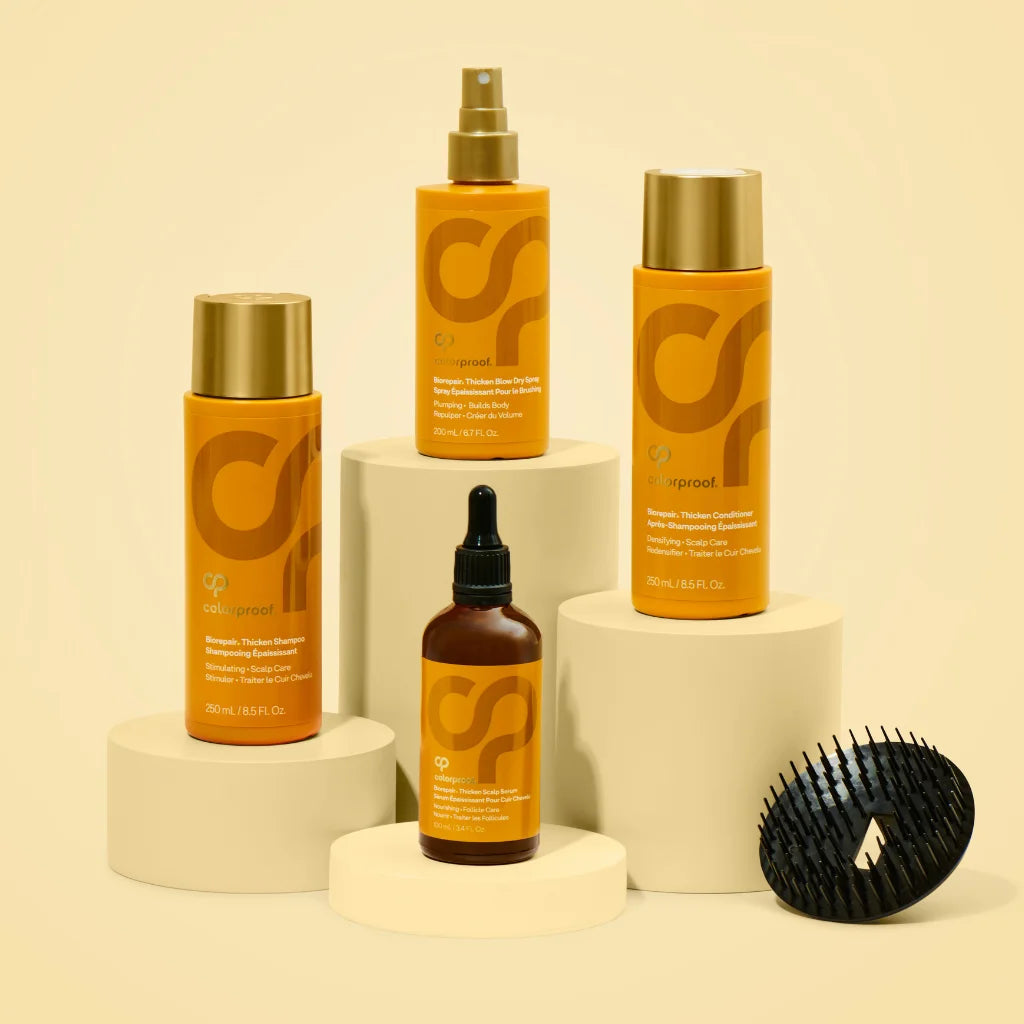
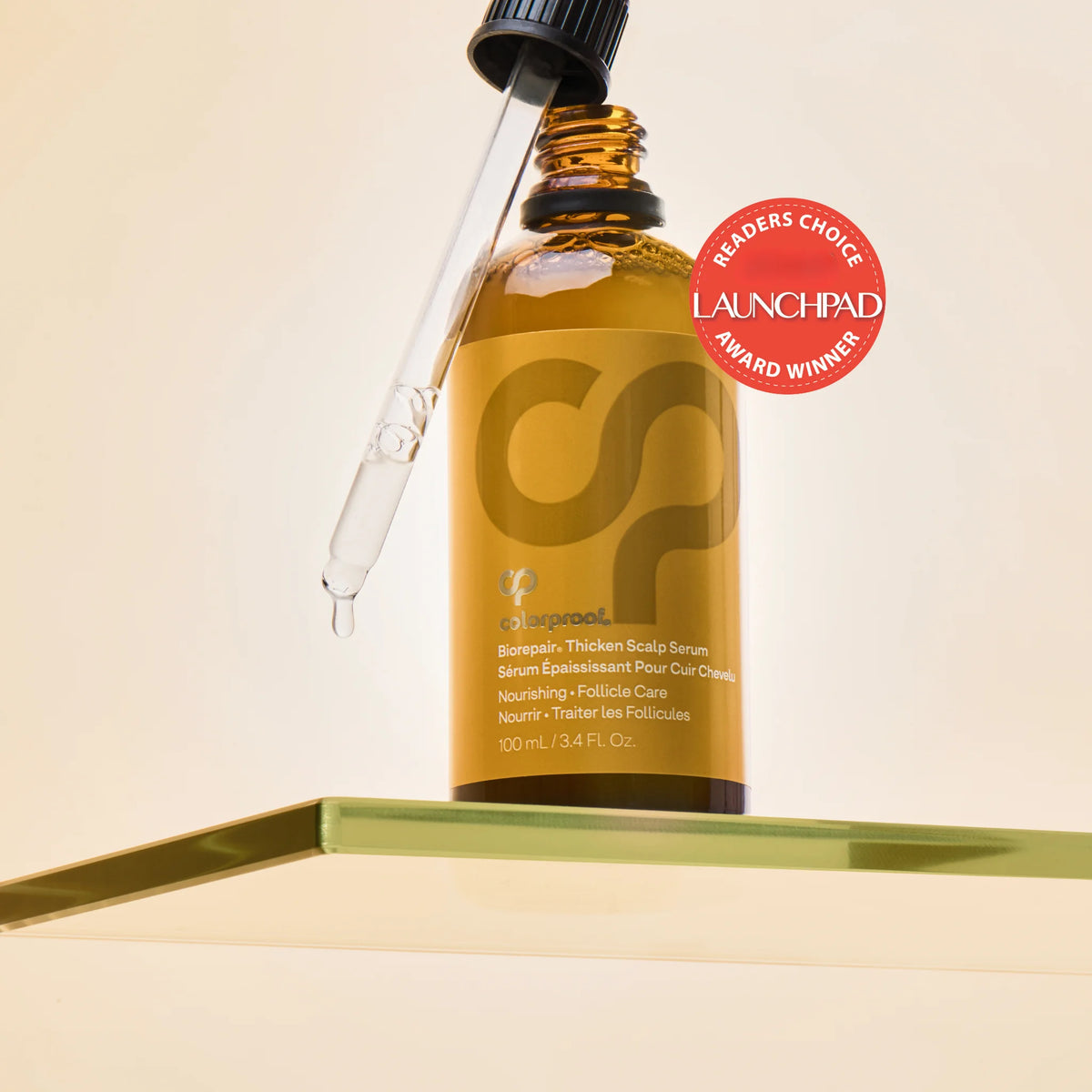
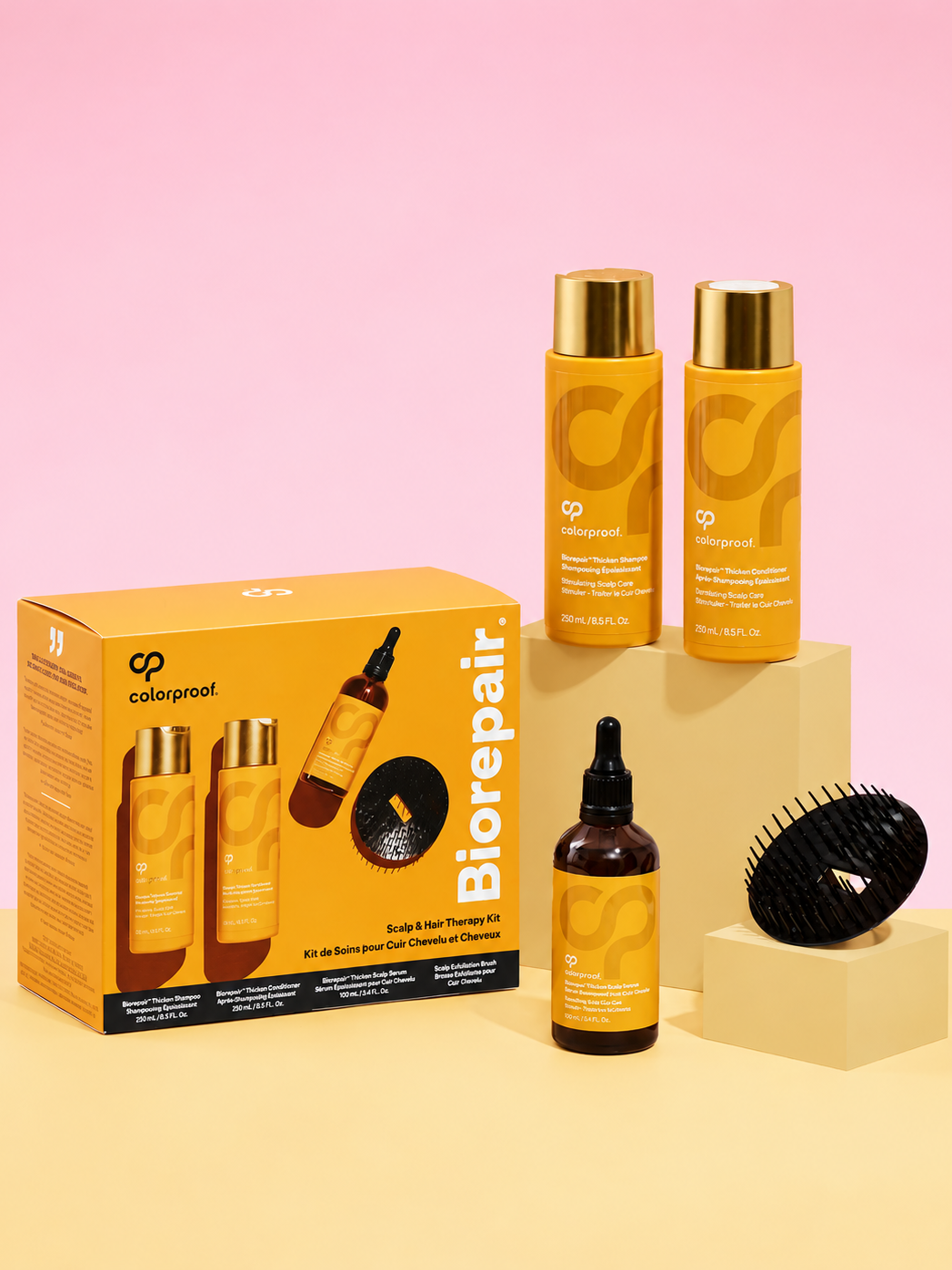
The Biorepair Thicken Shampoo and Conditioner are made for hair that's lost density and they're safe over color. Biorepair Thicken Scalp Serum looks after scalp condition, and a Scalp Cleansing Brush gets your scalp properly clean without you going at it with your fingernails.
One important point: these are cosmetic products. They improve the condition and appearance of your hair and scalp, and they help hair look and feel fuller. They don't treat medical hair loss, and nothing sold on a shelf does. If there's a medical cause behind what you're seeing, you need the diagnosis first and the shampoo second.
Conclusion
If you've noticed your hair looking thinner after colouring, it's natural to wonder whether your hair dye is to blame. The truth is that hair dye itself doesn't usually cause permanent hair loss, but the colouring process can contribute to hair damage and breakage, making your hair appear less full. Understanding the difference between hair shedding, breakage, and true hair loss is essential when identifying the cause of thinning and choosing the right solution.
Permanent hair dyes work by opening the hair cuticle and depositing colour inside the hair shaft. Repeated colouring, especially when combined with bleaching or frequent chemical treatments, can weaken the hair's structure over time. This makes strands more prone to dryness, split ends, and breakage, which can create the appearance of thinning even if your hair follicles continue producing healthy new hair. In most cases, the hair is breaking rather than falling out from the root.
However, some people may experience temporary hair shedding after colouring due to scalp irritation or an allergic reaction to ingredients found in certain dyes. A healthy scalp is essential for healthy hair growth, so protecting your scalp during chemical treatments is just as important as caring for the hair itself. Performing a patch test before colouring, following application instructions carefully, and avoiding overlapping colour on previously treated hair can help reduce the risk of damage.
If you colour your hair regularly, adopting a restorative hair care routine can help minimise future damage. Use a gentle, colour-safe shampoo, follow every wash with a nourishing conditioner, incorporate deep-conditioning or bond-building treatments into your routine, and always use a heat protectant before styling. Giving your hair time to recover between colouring sessions and avoiding unnecessary chemical processing can also help maintain its strength and elasticity.
It's also important to recognise when thinning may have another cause. Genetics, hormonal changes, nutritional deficiencies, stress, illness, medications, and underlying scalp conditions can all contribute to hair loss, regardless of whether you colour your hair. If you notice excessive shedding, widening part lines, bald patches, or persistent hair loss that continues for several months, consulting a dermatologist can help determine the underlying cause and the most appropriate treatment.
Ultimately, hair colouring doesn't have to come at the expense of healthy hair. With careful application, quality products, and a consistent hair care routine, many people can safely enjoy coloured hair while maintaining its strength and fullness. By protecting both your scalp and your strands, you can keep your colour looking vibrant without compromising the long-term health of your hair.
FAQs
Q.1 Can hair dye cause hair thinning?
It can create the appearance of thinner hair, but that's different from true hair loss. Coloring weakens the strand; weak strands snap somewhere in the middle, and what's left makes your hair feel and look thinner. Your follicles aren't involved. Bleach goes a step further and actually narrows each strand, so you can lose real density without losing any hair.
Q.2 Can hair dye damage hair follicles?
Not in normal use. Dye works above the skin; follicles are below it. The exceptions are a bad chemical burn or a strong allergic reaction, where scalp inflammation can reach the follicle. Both come with scalp symptoms you'd struggle to miss.
Q.3 How long does hair fall after coloring last?
Breakage is often one of the first things to improve when you adopt gentler hair habits. Many people notice a difference within three to four weeks. Actual shedding tends to run six weeks to three months and then calm down on its own. Past three months, go and see a dermatologist, because it's likely something other than the color.
Q.4 Is hair dye bad for your hair?
It isn't neutral, no. Permanent color breaks some of what holds the strand together and leaves it more porous, which is manageable if your aftercare is decent. Most of what gets blamed on dye is really the hot water, the flat iron, and the rough handling in between appointments.