










You ran a flat iron through it this morning. Twenty minutes outside and somehow it's halo-ing again. Color-treated hair has its own relationship with frizz, and it doesn't always feel like a fair fight.
Frizz isn't random. It's often hair reaching for moisture in the air because it needs more hydration. Frizzy color-treated hair happens more often because coloring opens the cuticle a little, making it the perfect doorway for humidity. The good news? None of this is fixed in stone. A handful of small changes can help calm frizz after just a few washes.
Why Color-Treated Hair Is More Prone to Frizz
Color processing changes the structure of the strand. To deposit pigment into the cortex, the cuticle has to be lifted, and it doesn't always settle back flat.
That permanent rise in porosity is the whole story behind frizzy colored hair. A few things follow from it:
- Humid air finds an easier route into the strand. The hair swells. Frizz.
- Moisture inside the strand escapes faster, so dryness builds from the inside out.
- Cleansing products affect the cuticle more because there's less protection on the surface.
- Strands feel rougher to the touch, which makes them cling to each other unpredictably.
There's also the slow build of damage over time. Heat styling, sun, chlorine, hard water, and the nightly rub of cotton. Each one widens the gaps in the cuticle a little more, and once those gaps are there, they don't close on their own.
Tip 1: Switch to a Sulfate-Free, Color-Safe Cleansing Routine
Sulfates are the loudest cause of frizz nobody talks about. They strip oil, which sounds clean, but the strand compensates by drying out and grabbing moisture from the air; the second humidity shows up.
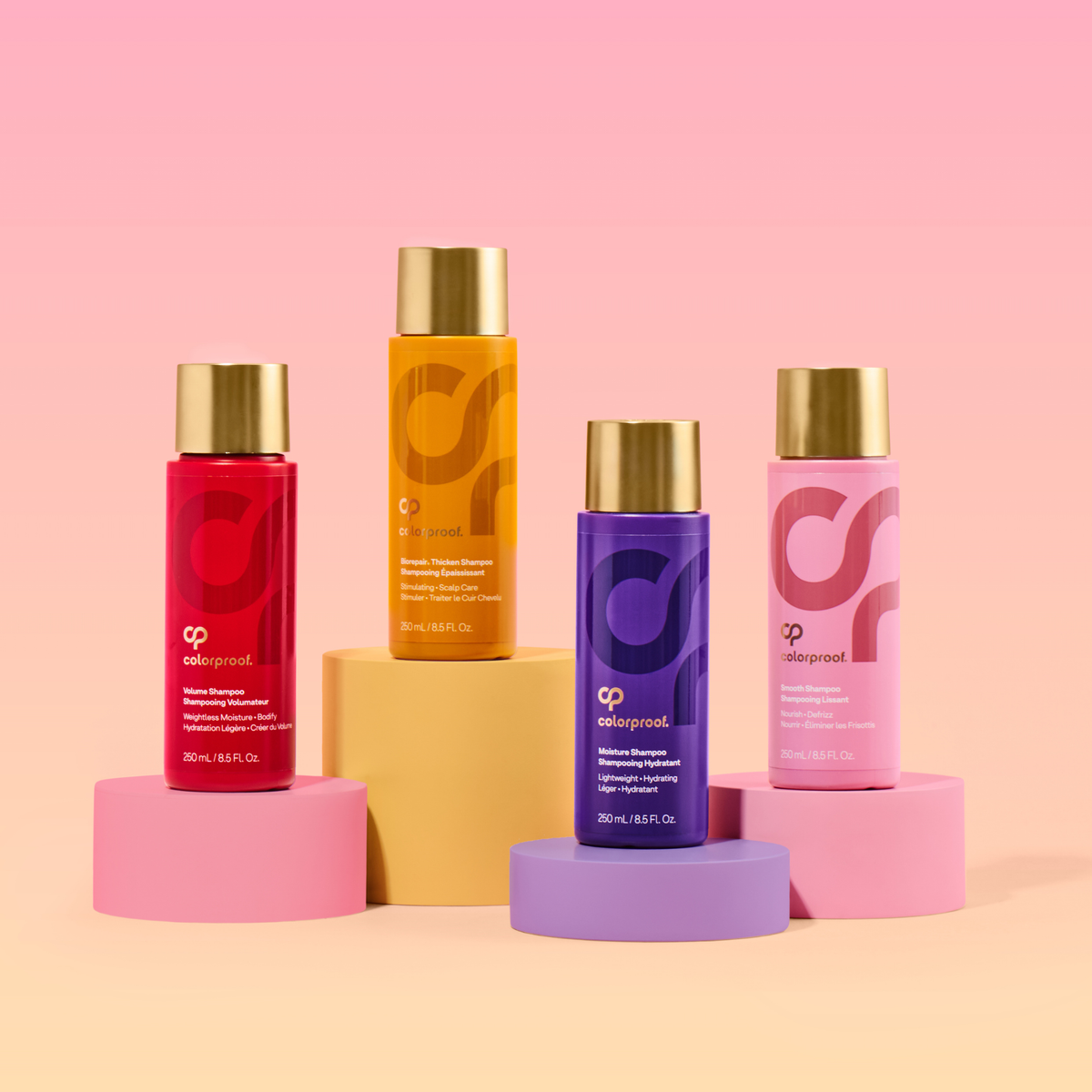
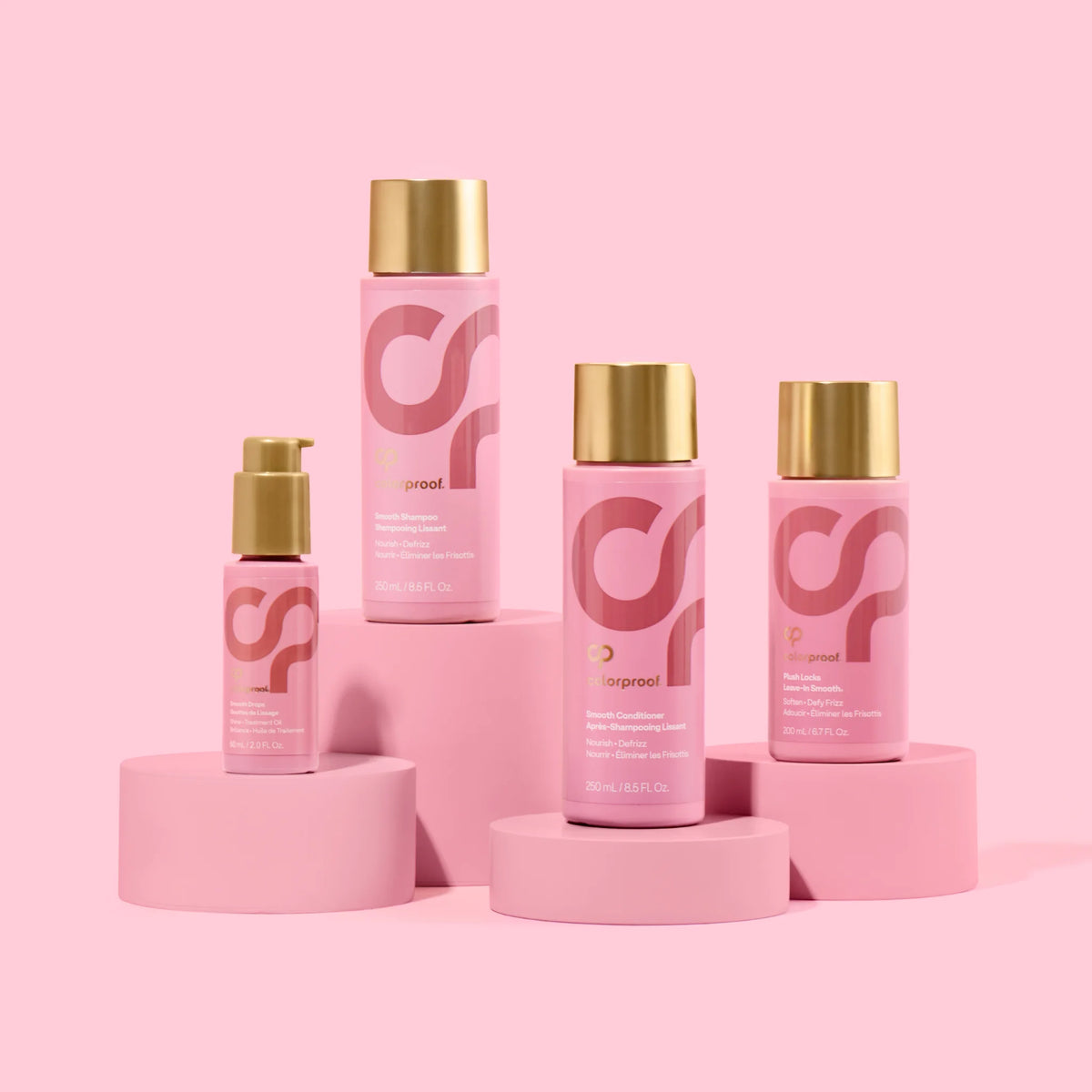
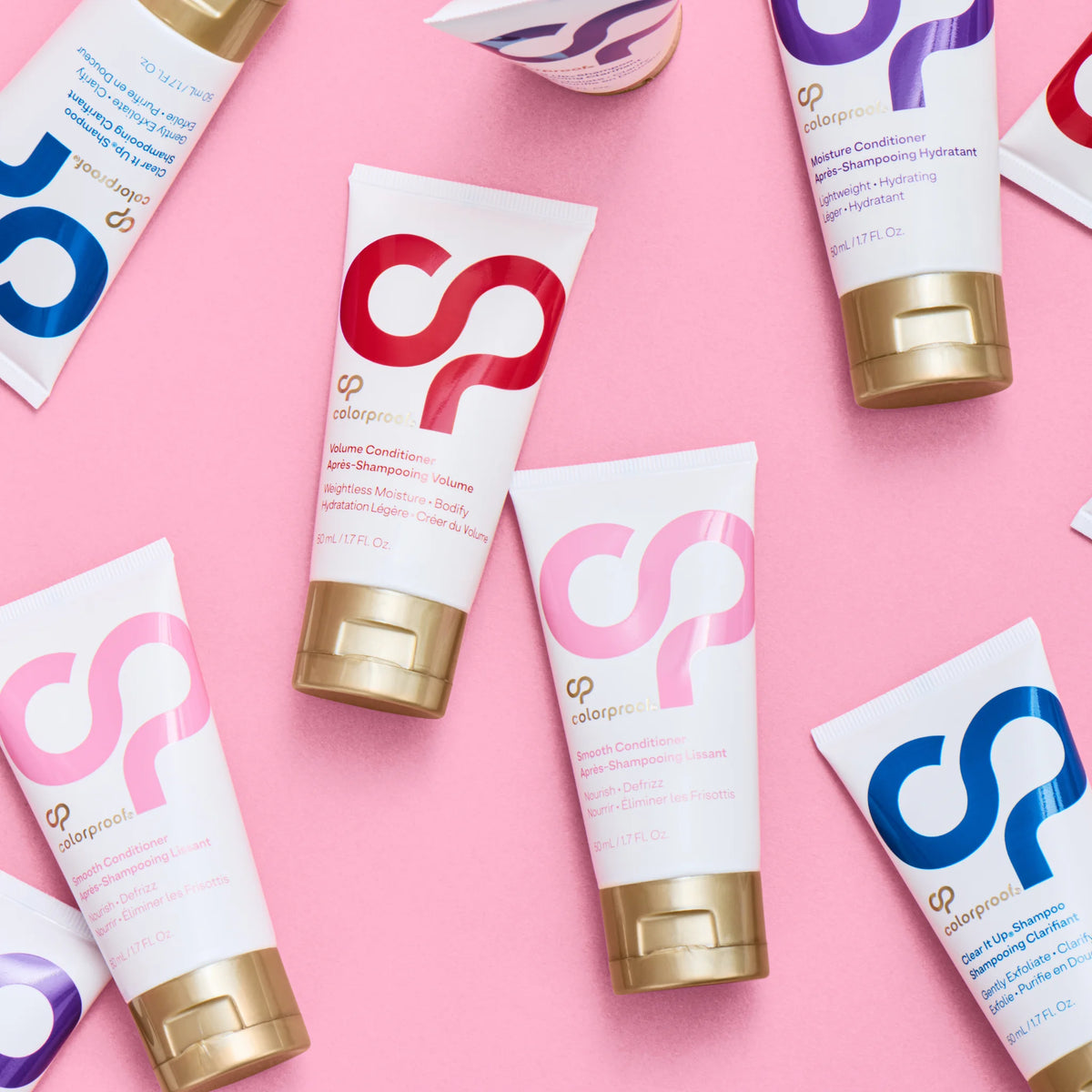
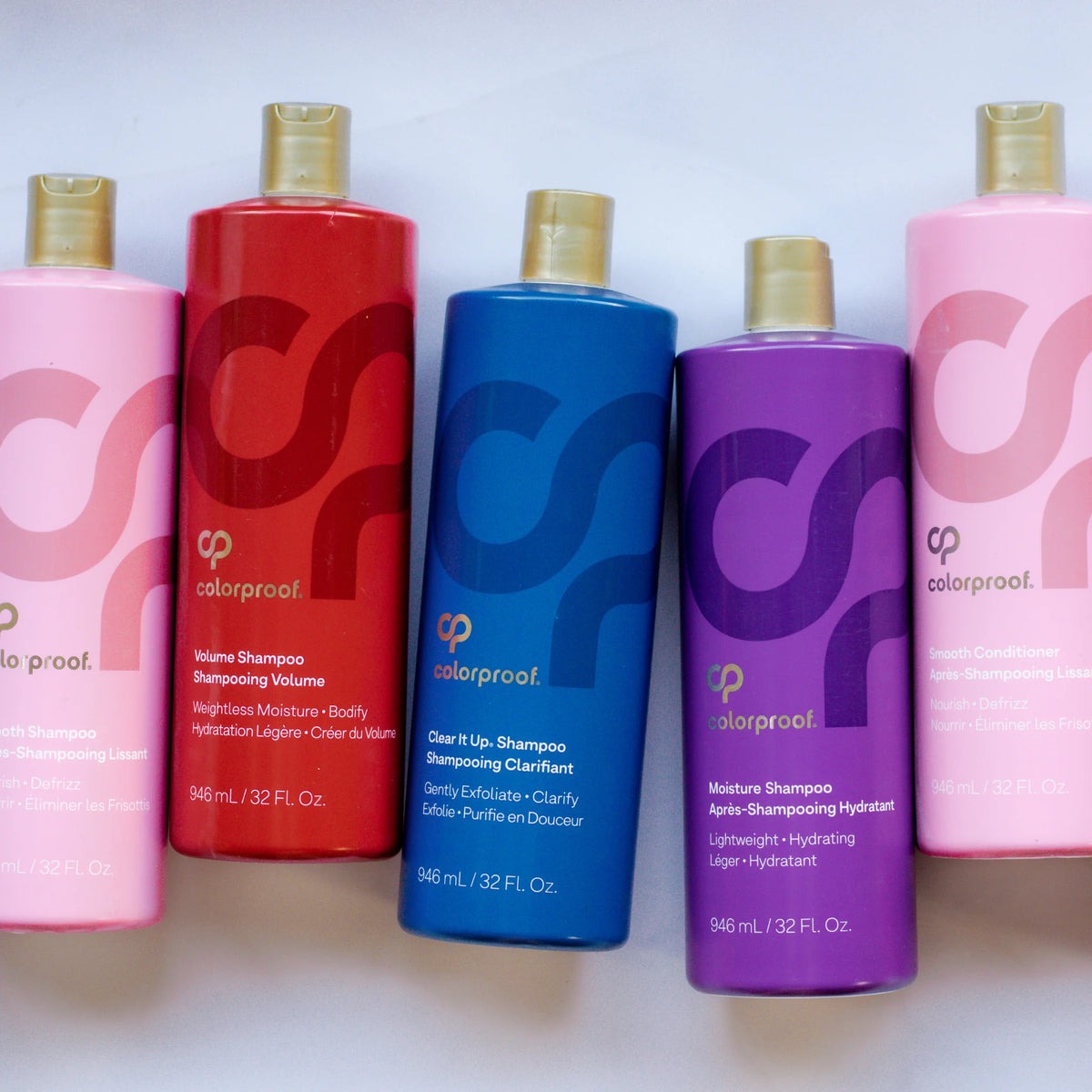
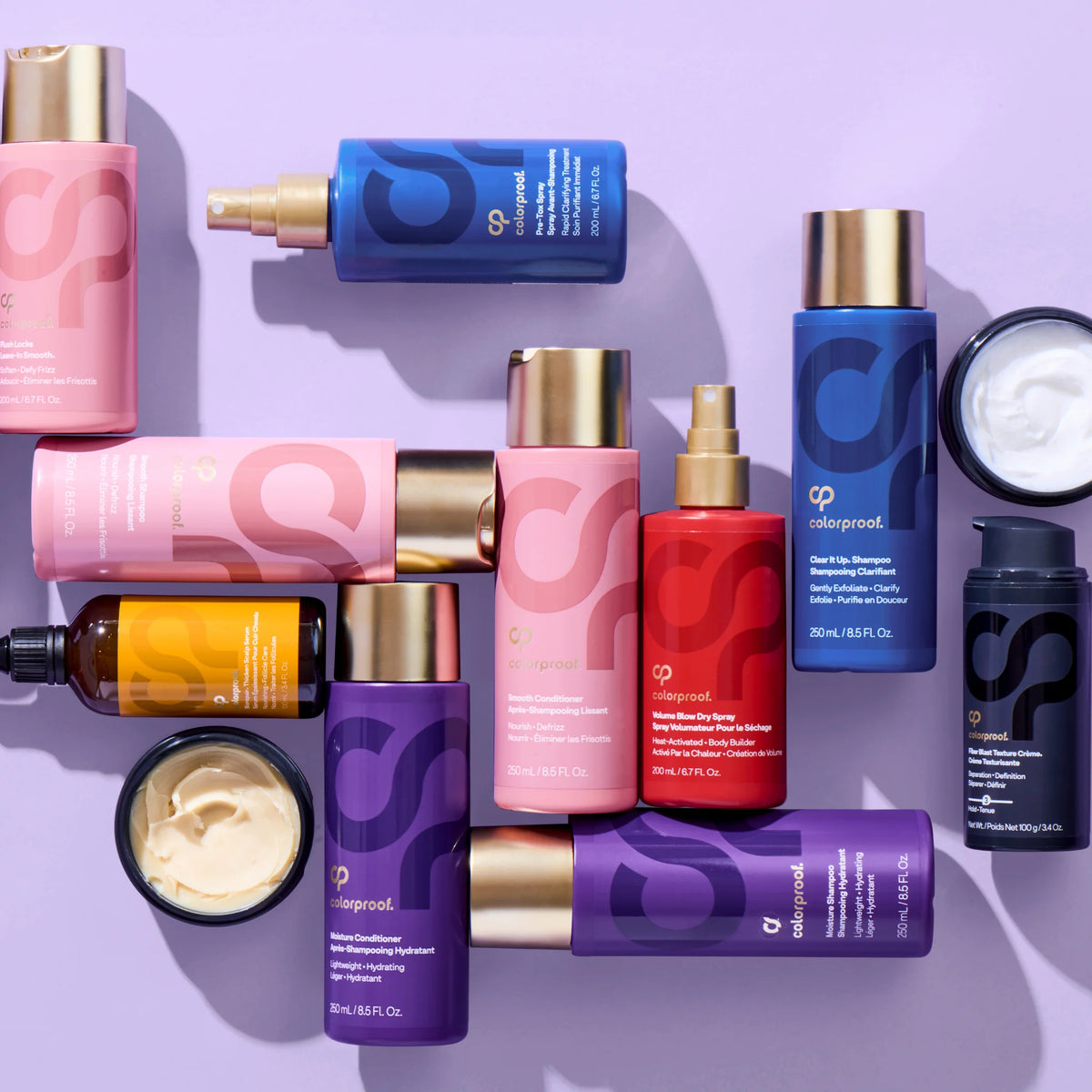
A sulfate-free, color-safe wash changes the baseline. Smooth Shampoo cleanses without that stripped feel, and Smooth Conditioner lays the cuticle flat before you rinse.
- Wash every two to three days, not daily
- Lather at the scalp, let the rest run through
Tip 2: Deep Condition Weekly with a Moisture-Rich Hair Mask
Hydration is the answer to most frizz problems. Hair that's well-hydrated inside doesn't need to grab moisture from the air outside.
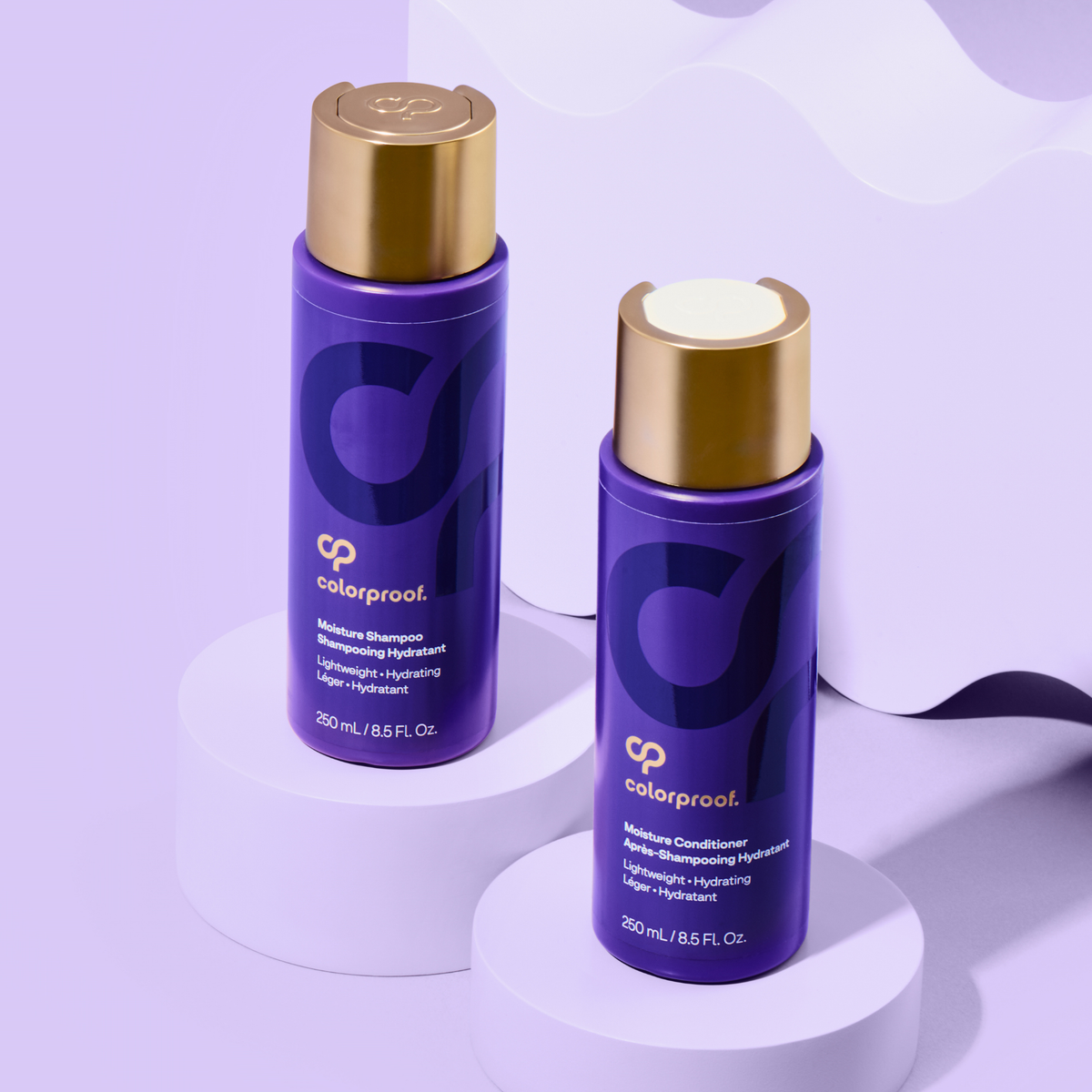
A weekly mask is one of the simplest upgrades you can make to your routine. Moisture Masque fills the strand without weighing it down.
- Apply to damp (not soaking) hair after shampooing
- Mid-lengths and ends only
- Two to three minutes is enough
- Rinse cool to lock the cuticle
Skip a week, and the frizz comes back fast. It's that simple.
Tip 3: Use Cool Water and a Microfiber Towel to Dry
Hot water lifts the cuticle. Cool water keeps it sealed. The temperature of your shower has more to do with frizz than most people realise.
Two simple swaps:
- Finish every wash with a cool rinse; the last 20 seconds is enough
- Trade the cotton towel for a microfiber or an old soft cotton t-shirt
Cotton roughs the surface every time. The fibres aren't gentle, and the rubbing motion locks frizz in before you've even reached for product. Wrap, gently squeeze, don't rub.
Tip 4: Always Apply a Heat Protectant Before Styling
Heat styling on frizzy color-treated hair without protection is like sanding raw wood. Every pass widens gaps that are already there.
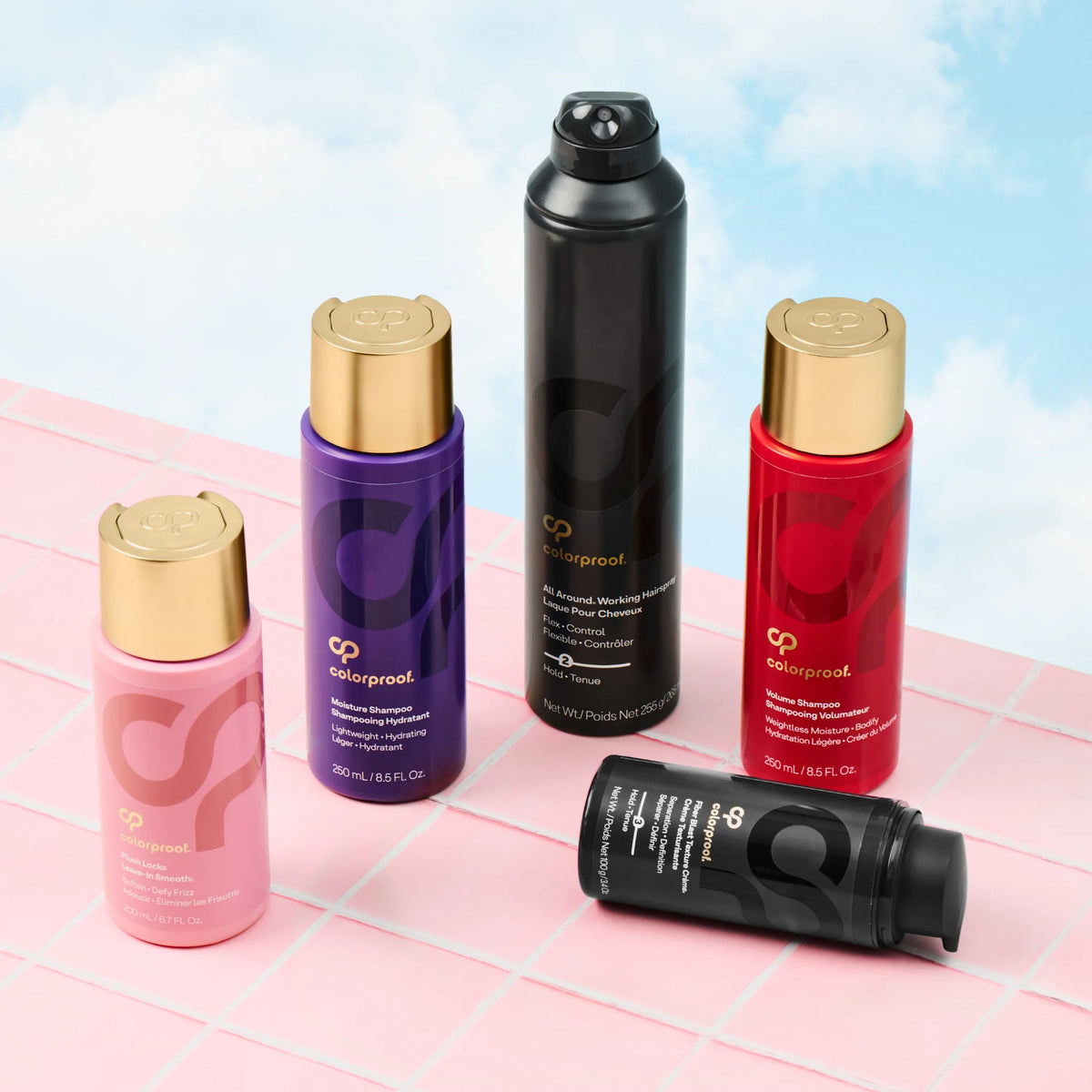
Plush Locks Leave-In Smooth protects up to 450 degrees and lays the cuticle flat as it dries. Apply to damp hair, comb through, and style.
- Lower the heat. 350 is plenty for most hair.
- One pass per section. Repeats compound the damage.
- Let hair cool before brushing. Styles set as they cool.
Tip 5: Lock in Moisture with a Leave-In Conditioner or Anti-Frizz Serum
A leave-in is the single best frizz tool most people skip. It seals the cuticle every time you wash, not just once a week.
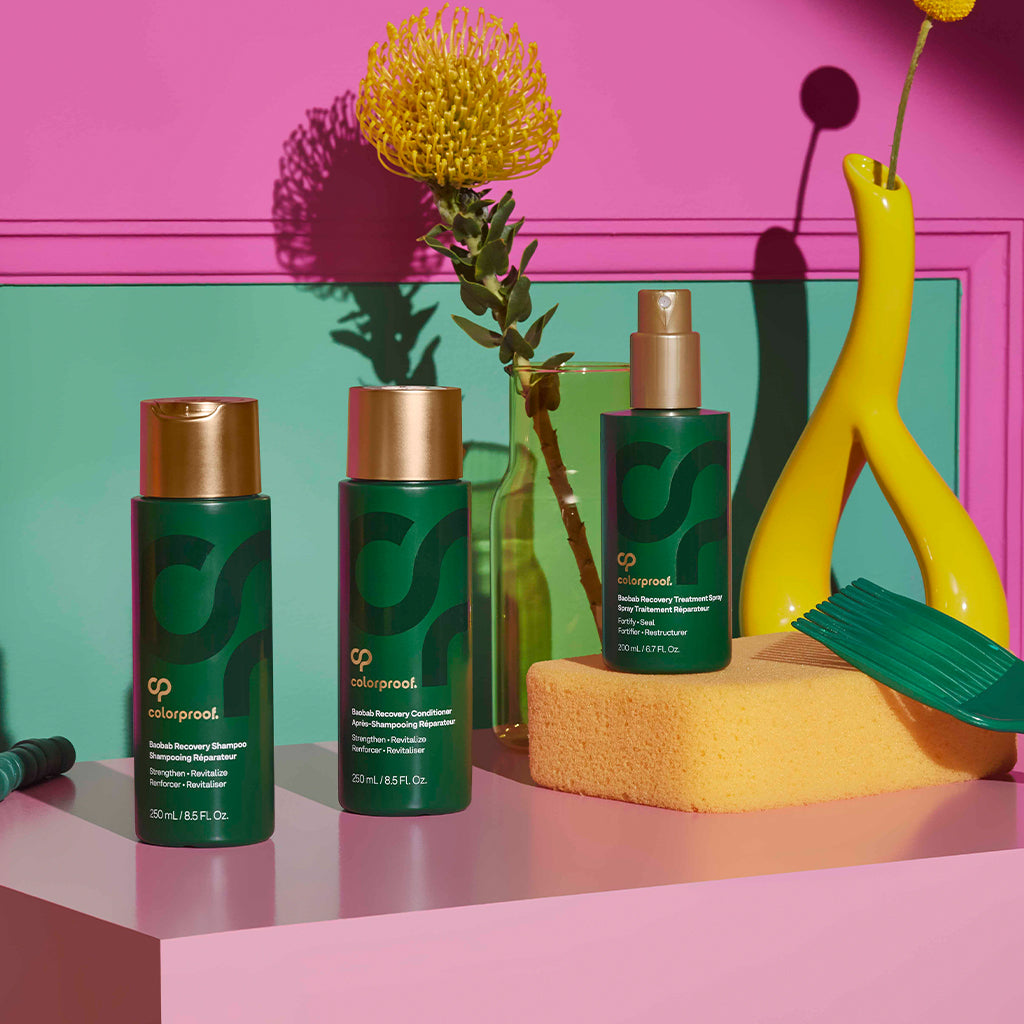
For dry to medium hair, Baobab Recovery Treatment Spray spritzes through damp lengths and disappears, leaving no residue. For finer hair, a couple of pumps of Plush Locks Leave-In Smooth® is enough.
The trick is applying to damp hair, not dry. Damp absorbs. Dry just sits there. Comb through, then style as usual.
Tip 6: Seal the Cuticle with a Lightweight Hair Oil
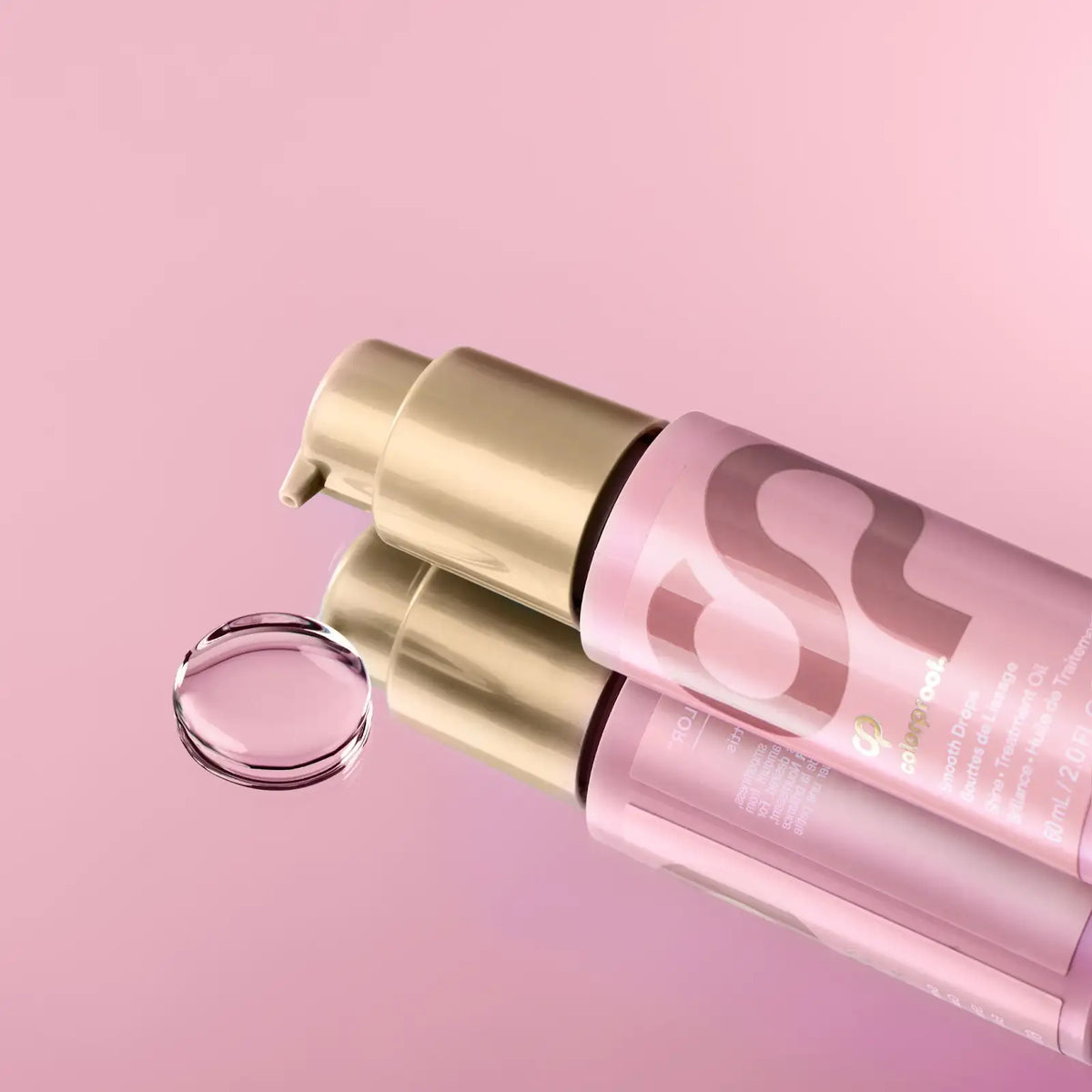
The final layer that locks everything in. A pump of Smooth Drops on dry ends after styling adds a thin film that humidity has a harder time pushing through.
- Lightweight only. Heavy oils flatten and look greasy.
- Mid-lengths and ends. The scalp doesn't need it.
A little goes a long way. Start with half what you think. Most people overshoot and end up rewashing.
Tip 7: Protect Hair Overnight with a Silk Pillowcase
Eight hours of friction against cotton. That's what happens every night if the pillowcase isn't right.
Silk, or satin if you're on a budget, has a smoother surface, so hair glides instead of catching. Less friction means less rough cuticle, which means less morning frizz.
Easiest upgrade in the whole routine. Buy once, sleep on it, repeat.
Why Choose ColorProof Products Over Other Brands
Every ColorProof formula is built specifically for frizzy color-treated hair. "Color-safe" on a generic label rarely means the same thing.
- Sulfate-free, salt-free, paraben-free across the line
- Smoothing ingredients such as camellia and Abyssinian oil
- Heat protection built into the styling line
- Clean, vegan, cruelty-free
- Formulated on hair that's been colored, not borrowed from a virgin-hair formula
Conclusion
How to control frizz in colored hair isn't a single product or a single rule. It's a handful of small swaps that stack: gentler cleansing, weekly hydration, cool water, heat protection, a leave-in, a finishing oil, and a better pillowcase. Stick with it for two or three washes, and the change is genuinely visible. Frizzy color-treated hair doesn't disappear forever, but it stops running the show.
FAQs
Q1: Why does color-treated hair frizz more easily?
Coloring lifts the cuticle to deposit pigment, and it doesn't always close back flat. That permanent rise in porosity lets humidity in faster, which causes the strand to swell and frizz.
Q2: Does coloring make hair more porous?
Yes. Every chemical service, color, highlights, balayage raises the cuticle slightly. Hair never returns to virgin porosity. That's why color-treated routines need more moisture than what worked before.
Q3: What is the best shampoo for frizz on color-treated hair?
A sulfate-free, color-safe smoothing shampoo. ColorProof's Smooth Shampoo cleanses without stripping pigment and lays the cuticle flat. Pair it with Smooth Conditioner for the full effect.
Q4: Can I use a hair mask weekly on colored hair?
Yes, weekly is the sweet spot. Twice a week if hair is very dry or has recently been lightened. Limit each application to two or three minutes. Longer doesn't help and can coat the cuticle.
Q5: Why is cool water better for color-treated hair?
Cool water keeps the cuticle flat and sealed. Hot water lifts it, which releases pigment and roughs the surface. Even a 20-second cool rinse at the end of a shower shows up within a week.
Q6: How do silk pillowcases help reduce frizz?
Cotton fibres catch on the strand all night, roughing the cuticle. Silk and satin are smoother, so hair glides instead. Less friction means less morning frizz, less breakage, and less taming before you leave.
Q7: Which ingredients should I look for in anti-frizz products?
Lightweight oils like camellia, abyssinian, and argan. Hyaluronic acid for hydration. Vegan proteins for cuticle repair. Avoid sulfates, heavy silicones, salt, and harsh alcohols like cetyl and stearyl.
Q8: Will hair oils weigh down fine color-treated hair?
Heavy ones will. Lightweight oils like Smooth Drops won't, as long as you stick to mid-lengths and ends and use a single pump. Start with half what you think. Easier to add than wash out.
Q9: Can heat styling cause more frizz in colored hair?
Yes, especially without a heat protectant. Each pass widens the cuticle slightly, and a wider cuticle catches humidity. Use a thermal leave-in like Plush Locks before any iron, and keep tools at 350 or lower.
Q10: How long does it take to see frizz improvement with the right routine?
Most people see clear change within two or three washes. Hydration shows up first, smoothing follows. Full results in three to four weeks. Skip a week and you'll see what was actually doing the work.