











You paid for the color. You sat in the chair for three hours. You walked out feeling like a new person. Then two weeks later you glance in the bathroom mirror and wonder where all that richness went.
Hold that thought, because the culprit is often sitting right there on the shower shelf. The benefits of sulfate free shampoo show up fastest on hair that's been colored, and the reasons are less mysterious than the labels make them sound.
What sulfates actually do in your shampoo
Sulfates are cleansing agents. They're the ingredient that makes shampoo foam up into that big, satisfying lather, and they're very good at grabbing oil and dirt so water can rinse it away. On a scalp that's greasy by lunchtime, that's a feature.
On colored hair, it's a bit of a bully. A strong detergent doesn't know the difference between yesterday's styling product and the pigment you just paid for. According to dermatologists quoted by NBC News, sulfates can strip oils from hair and scalp and may make color fade faster, because they pull the color out along with the dirt.
Why sulfate free shampoo is a smarter move after coloring
Here's the short explanation of why sulfate free shampoo works for colored hair. Color processing already opens up the cuticle, the outer layer that's supposed to lie flat and keep moisture and pigment tucked inside. A harsh cleanser on top of that is like scrubbing a freshly painted wall.
Sulfate-free formulas clean with milder surfactants. You get less foam, sure. That takes a wash or two to get used to, and then you stop missing it, because hair feels like hair again instead of like straw.
The benefits of sulfate free shampoo you can actually see
Let's talk results, since that's what you came for. Color stays truer for longer, which means those salon-fresh tones hang around between appointments and you can stretch the time before a refresh. Shine looks better too, since a smoother cuticle bounces light instead of scattering it.
Then there's feel. Hair that isn't stripped every wash tends to be softer and less tangled. Scalps that used to feel tight or itchy after shampooing often calm down. Dermatologists in that same NBC piece point out that people with dry, damaged, coarse, or sensitive hair tend to do better without sulfates - if that sounds like you, you're in the target group.
Why use sulfate free shampoo if your hair isn't dry
Fair question. Plenty of people with normal hair never notice a problem. But color changes the math. Even if your hair felt fine before the appointment, it's been through bleach or dye now, and that's a chemical process no matter how gentle the stylist was.
Think of it like switching to a softer toothbrush after gum work. Nothing was broken exactly; you're just being kind to a spot that's tender.
Why is sulfate free shampoo better for blondes, brunettes and reds
Every shade has its own way of fading. Reds are famously the first to slip, since those pigment molecules are larger and don't hold on as tightly. Blondes lose their cool tone and drift warm. Brunettes go dull and a bit flat, and fashion colors like violet or teal vanish at lightning speed.
A gentle cleanser slows all of it down. Not forever; nothing does, but enough that you notice.
Matching the benefits of sulfate free shampoo to your hair concern
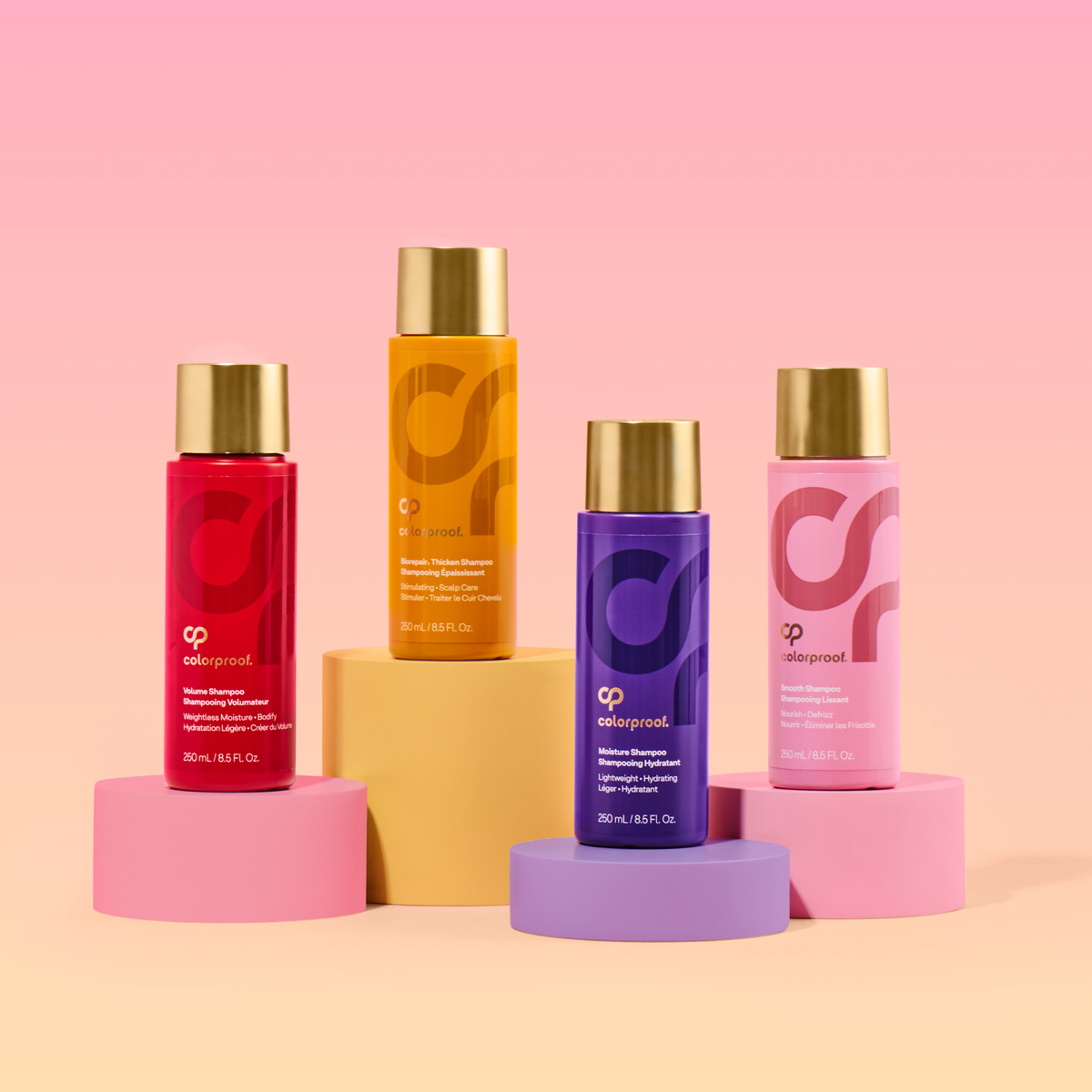
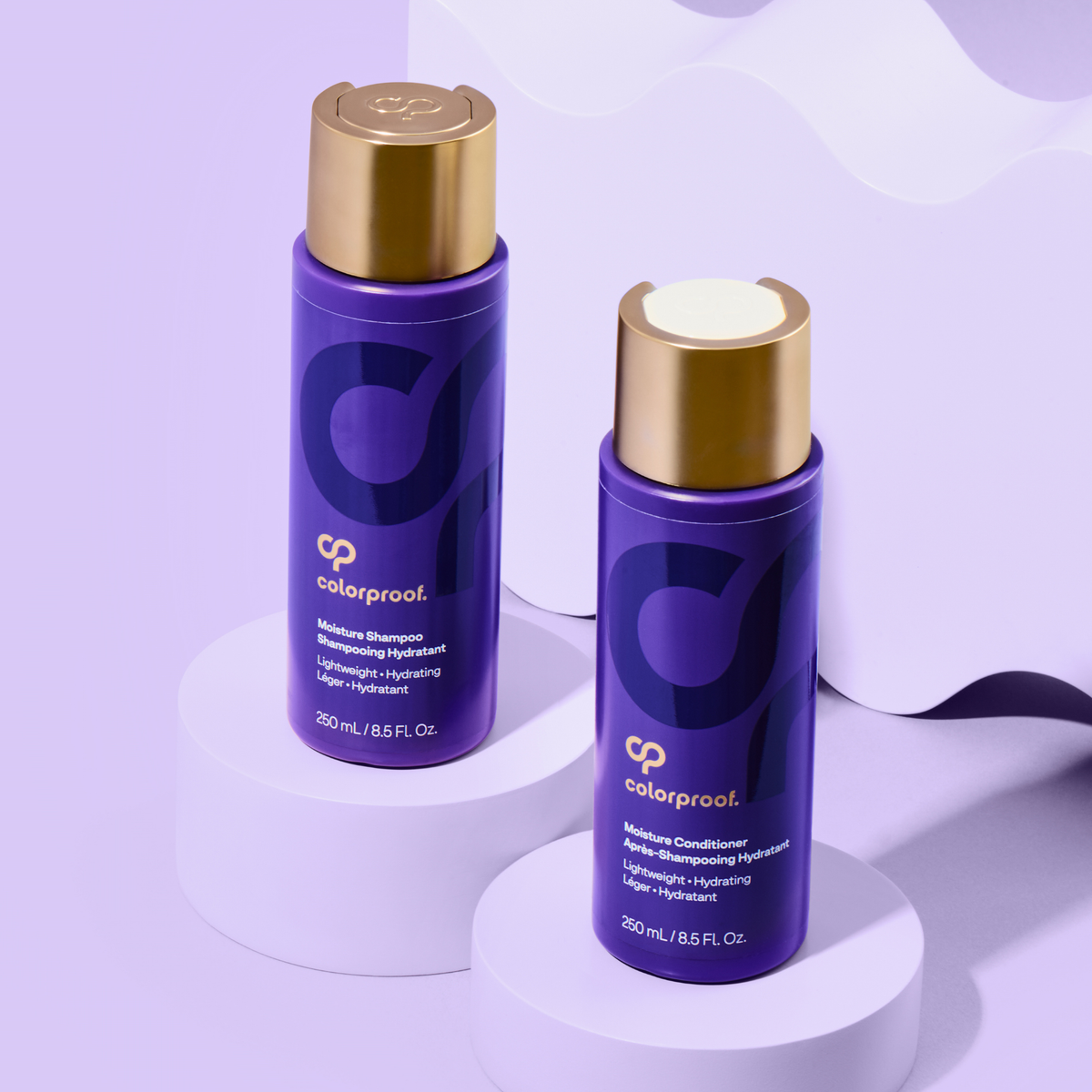
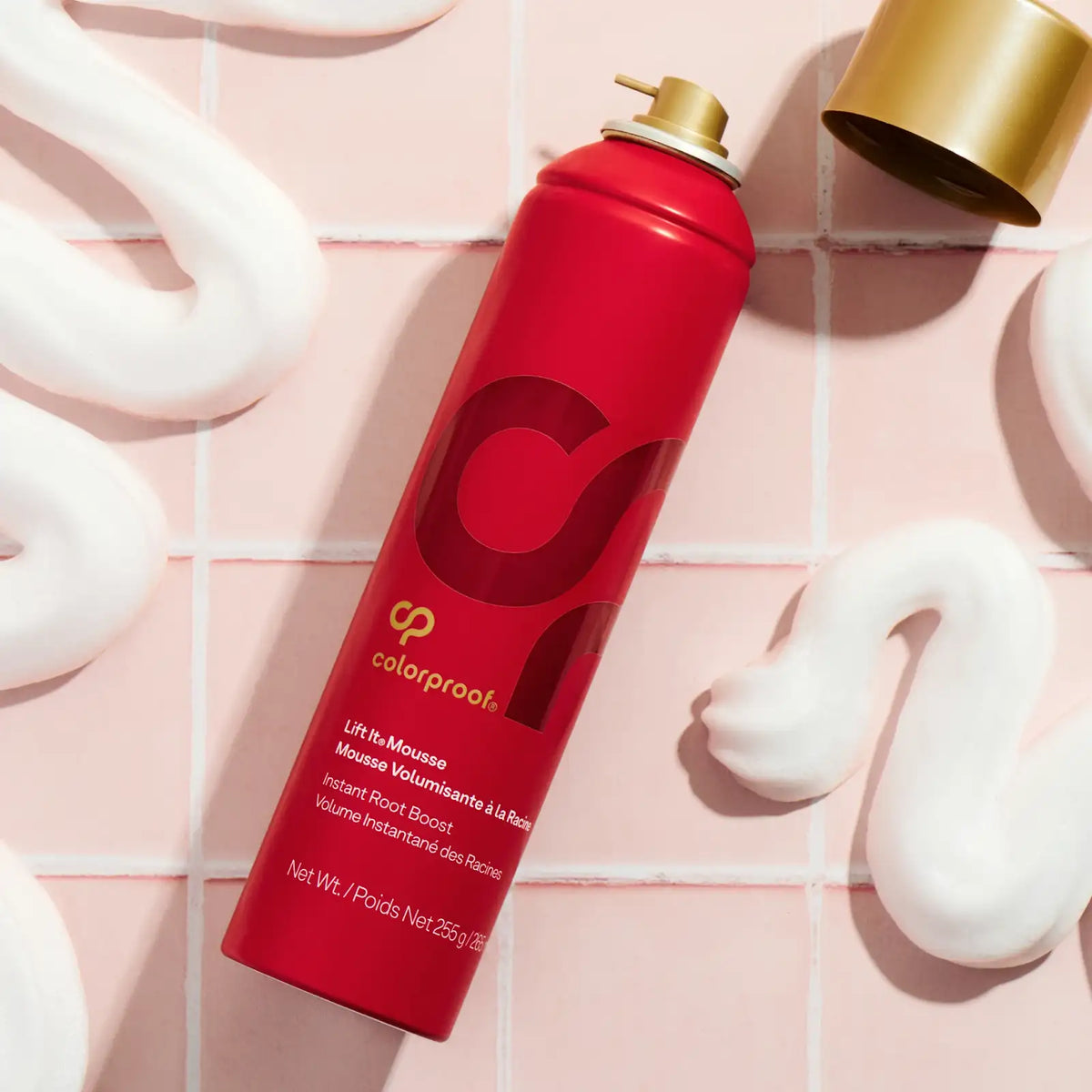
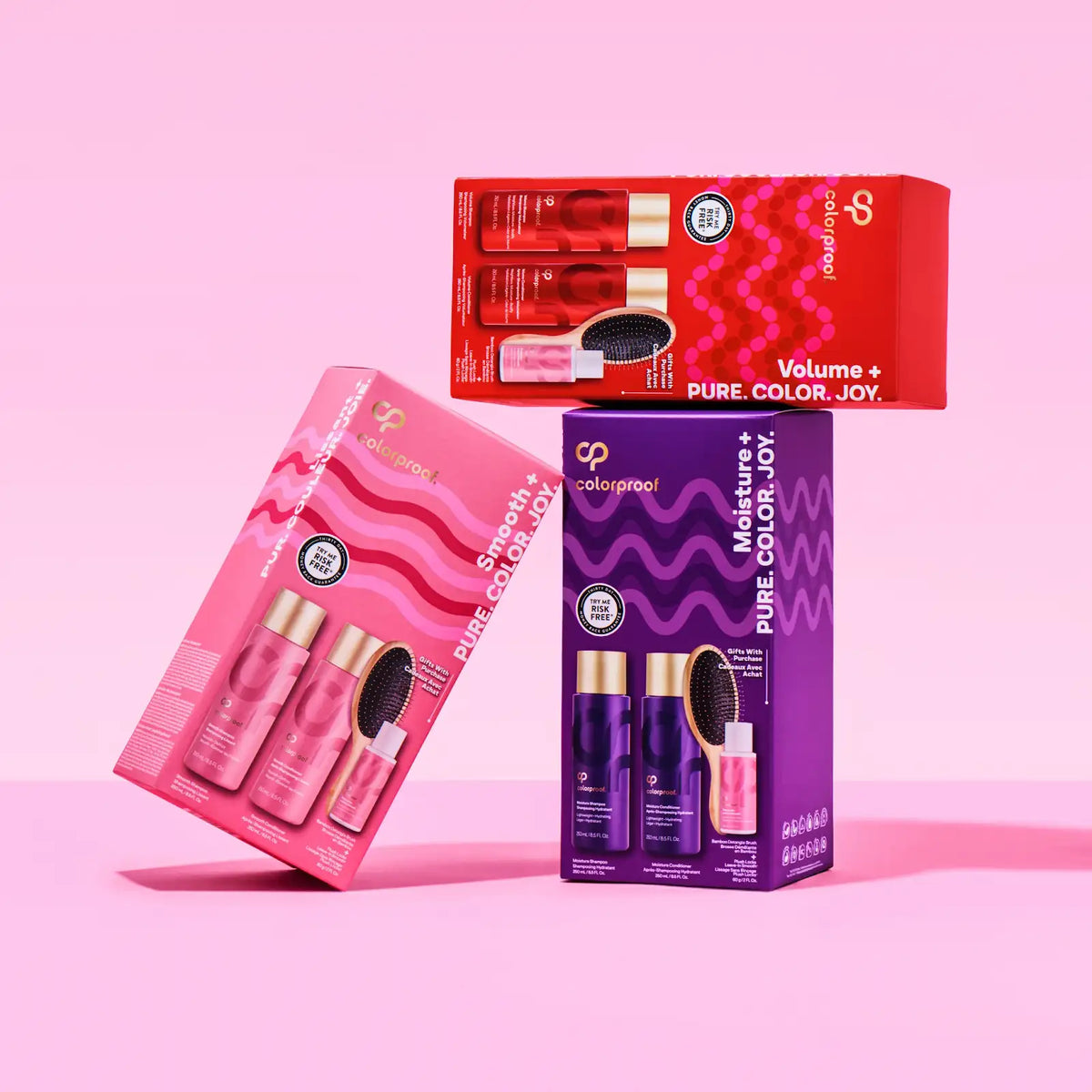
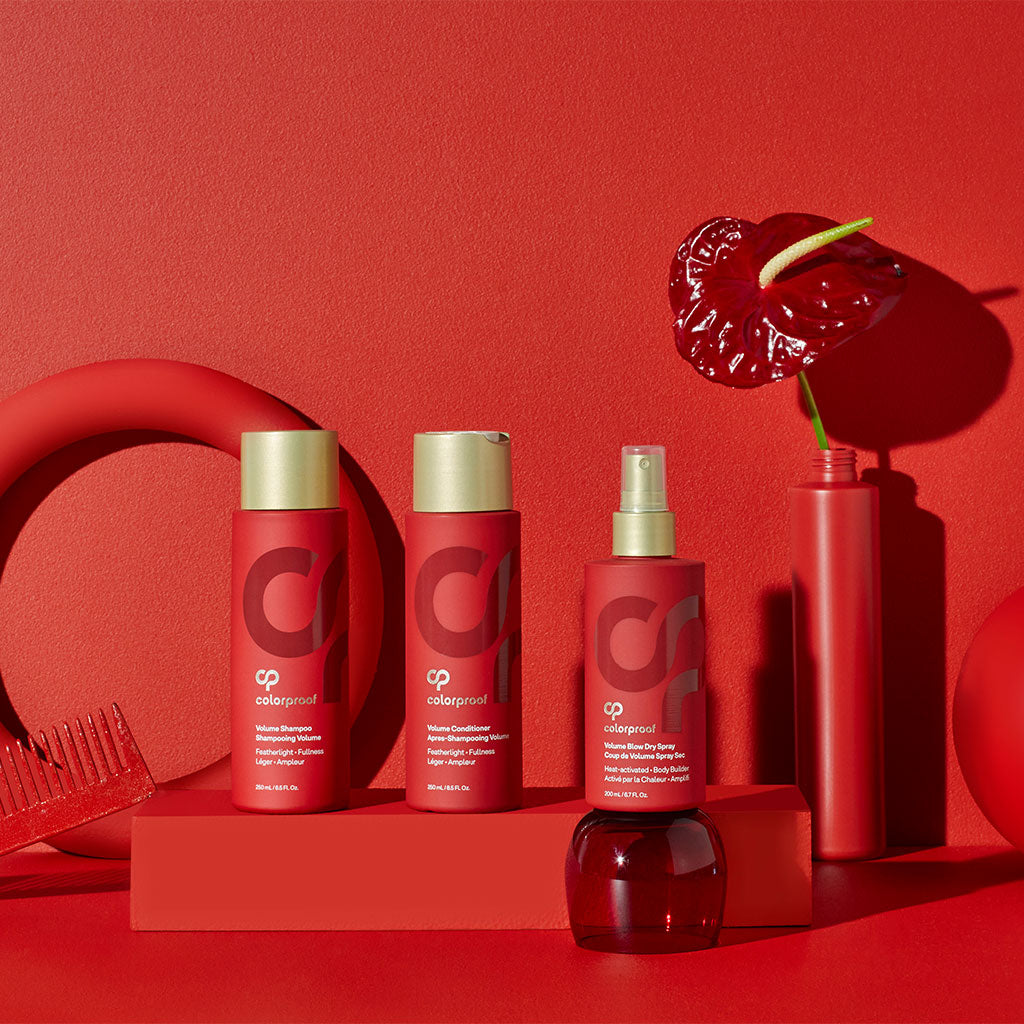
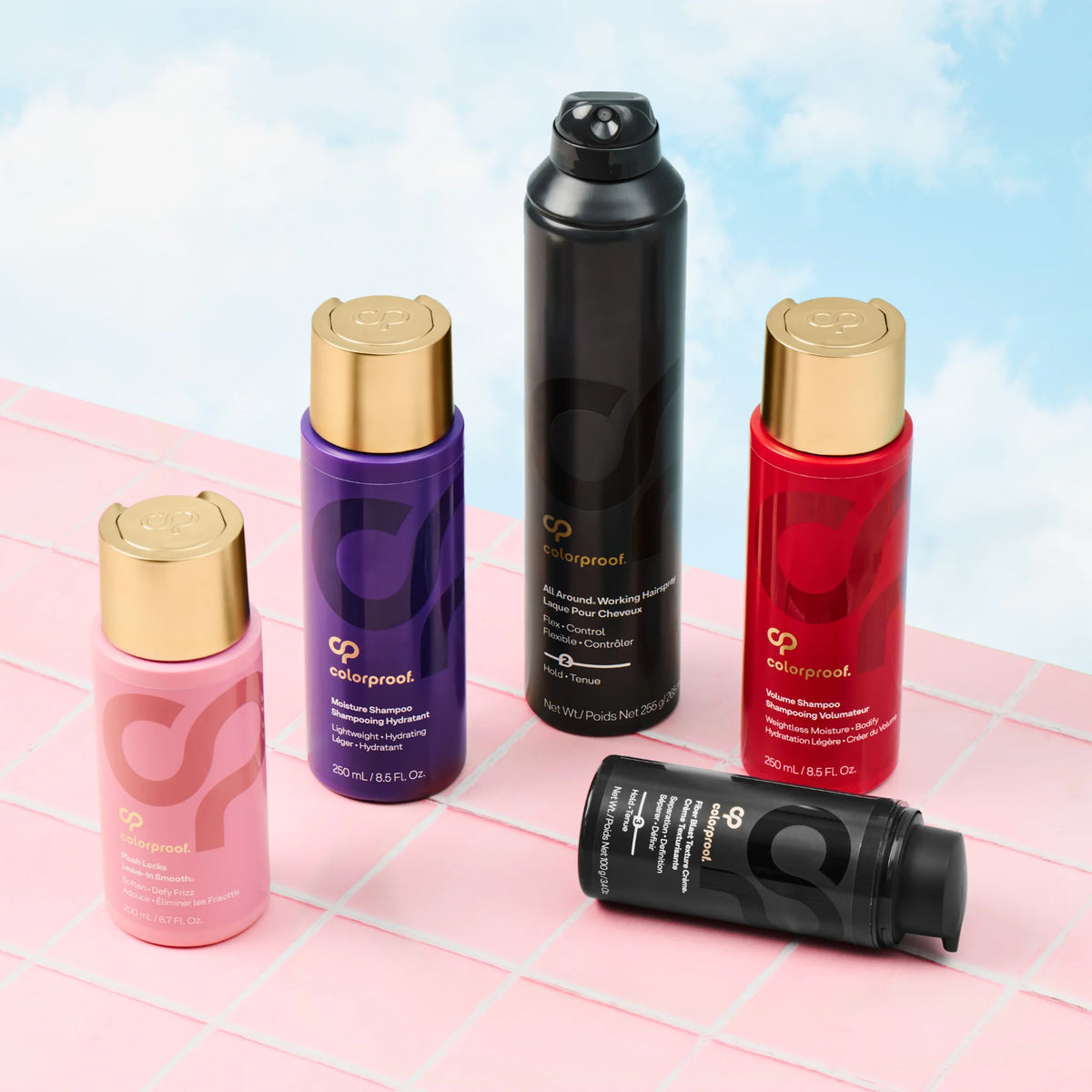
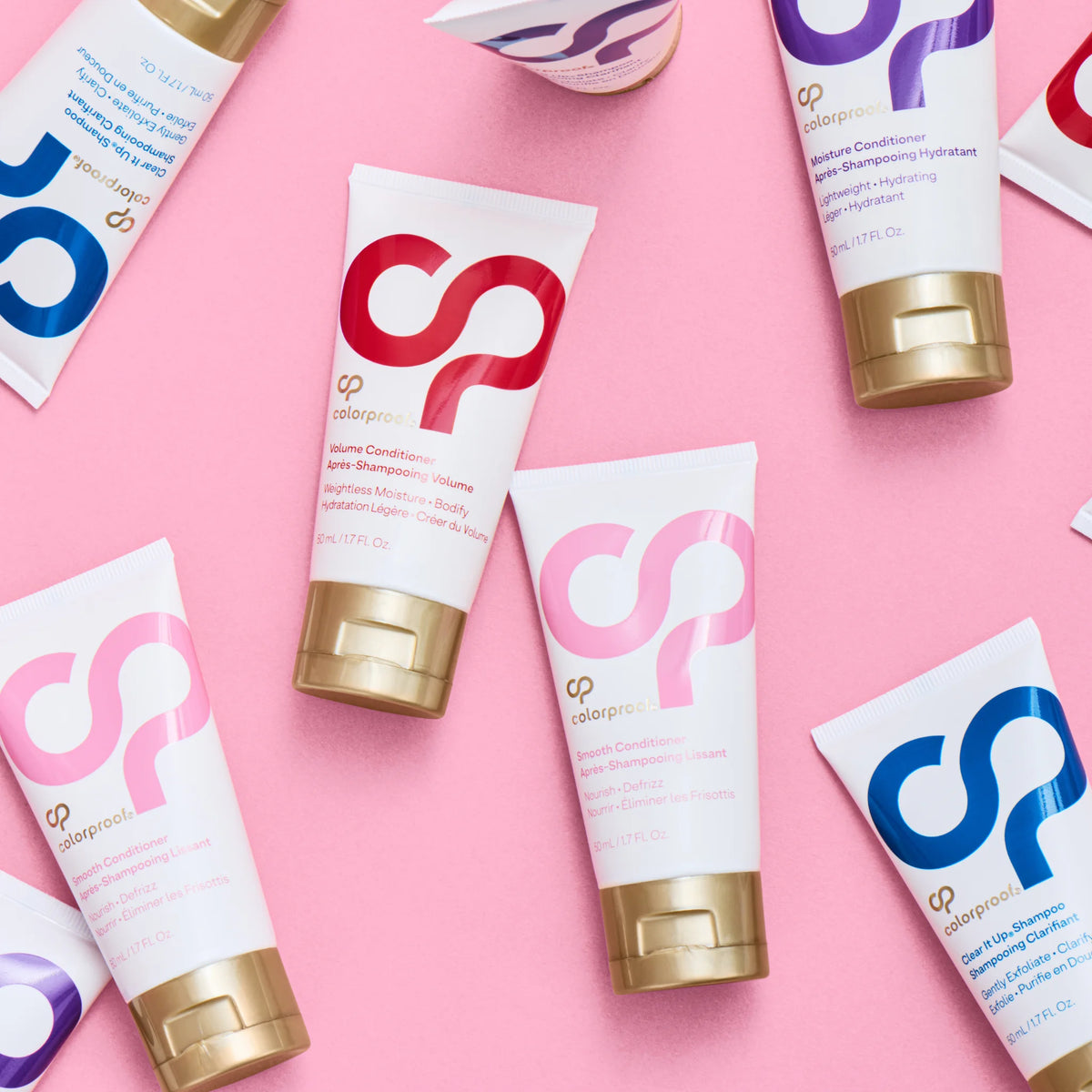
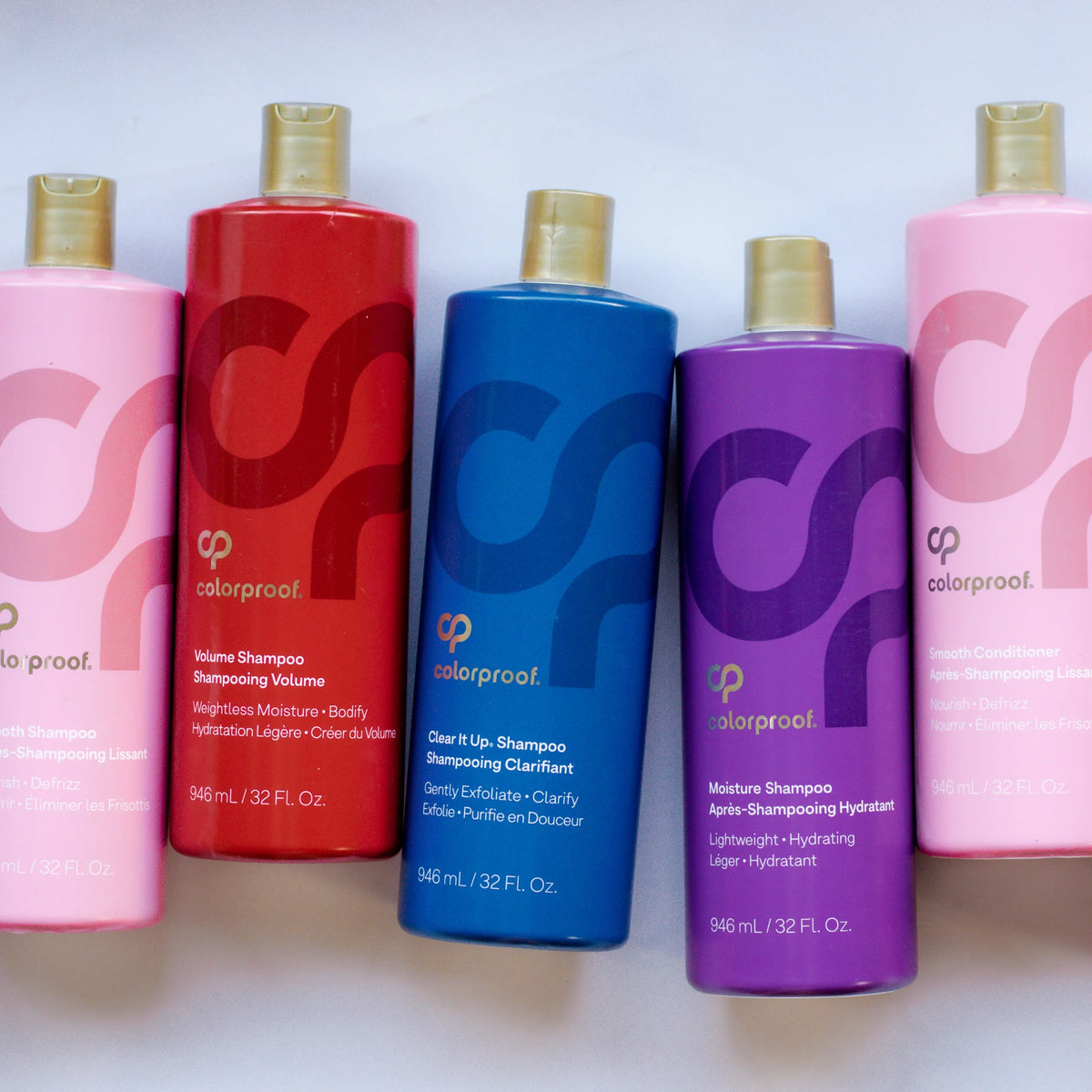
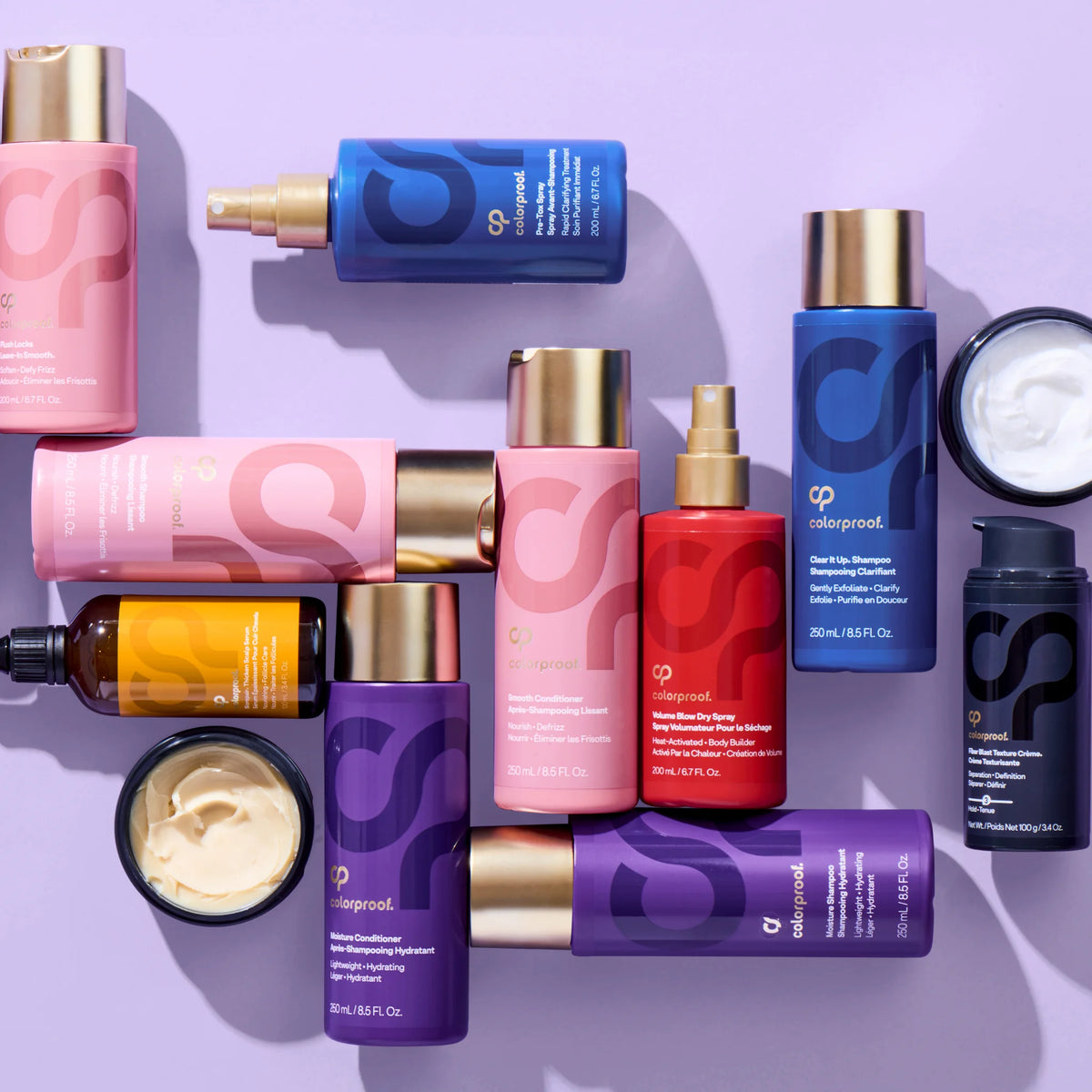
Sulfate-free doesn't mean one-size-fits-all, and this is where people go wrong. Dry, thirsty hair wants the Moisture Shampoo to replenish hydration. Fine hair that goes flat wants the Volume Shampoo, which lifts without weighing things down.
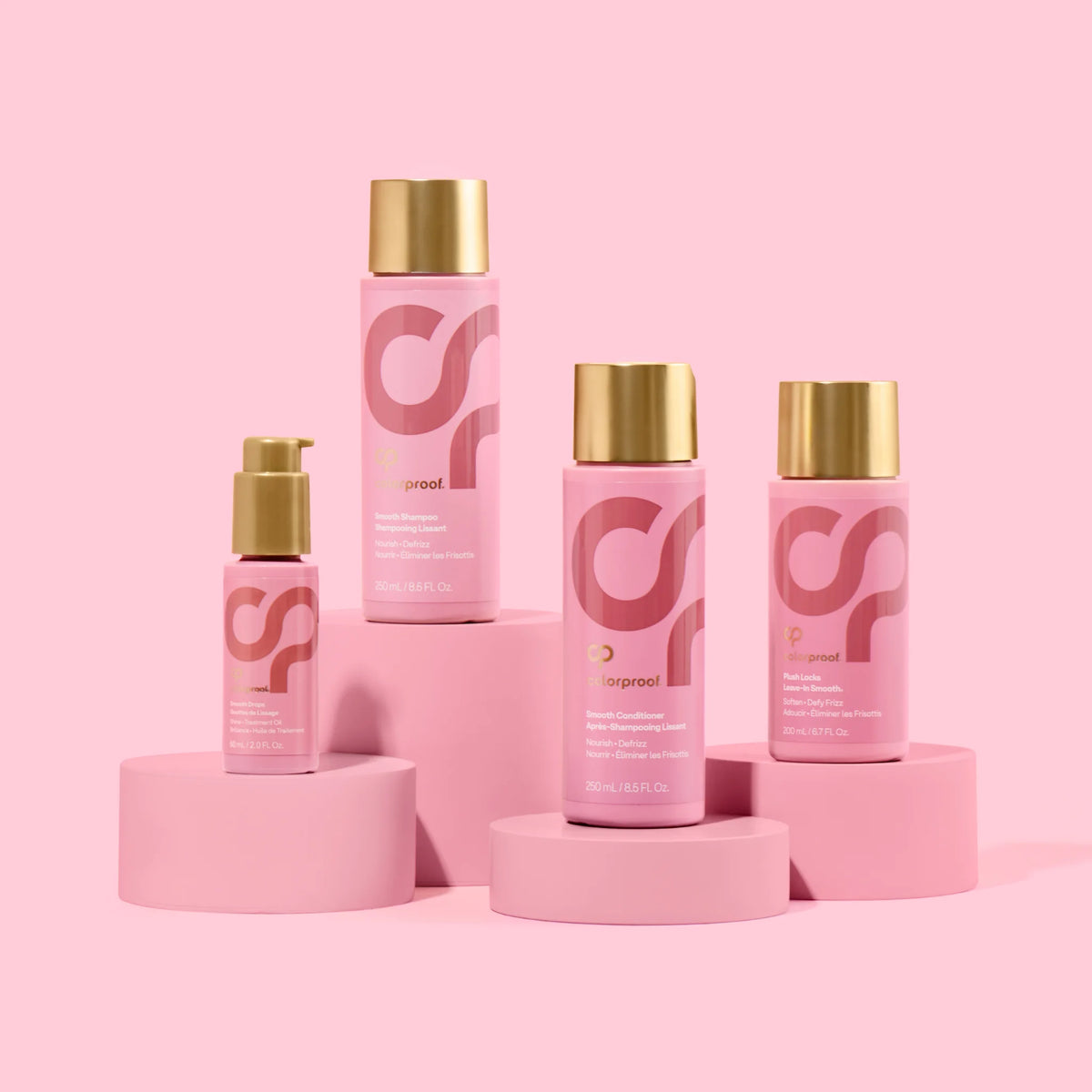
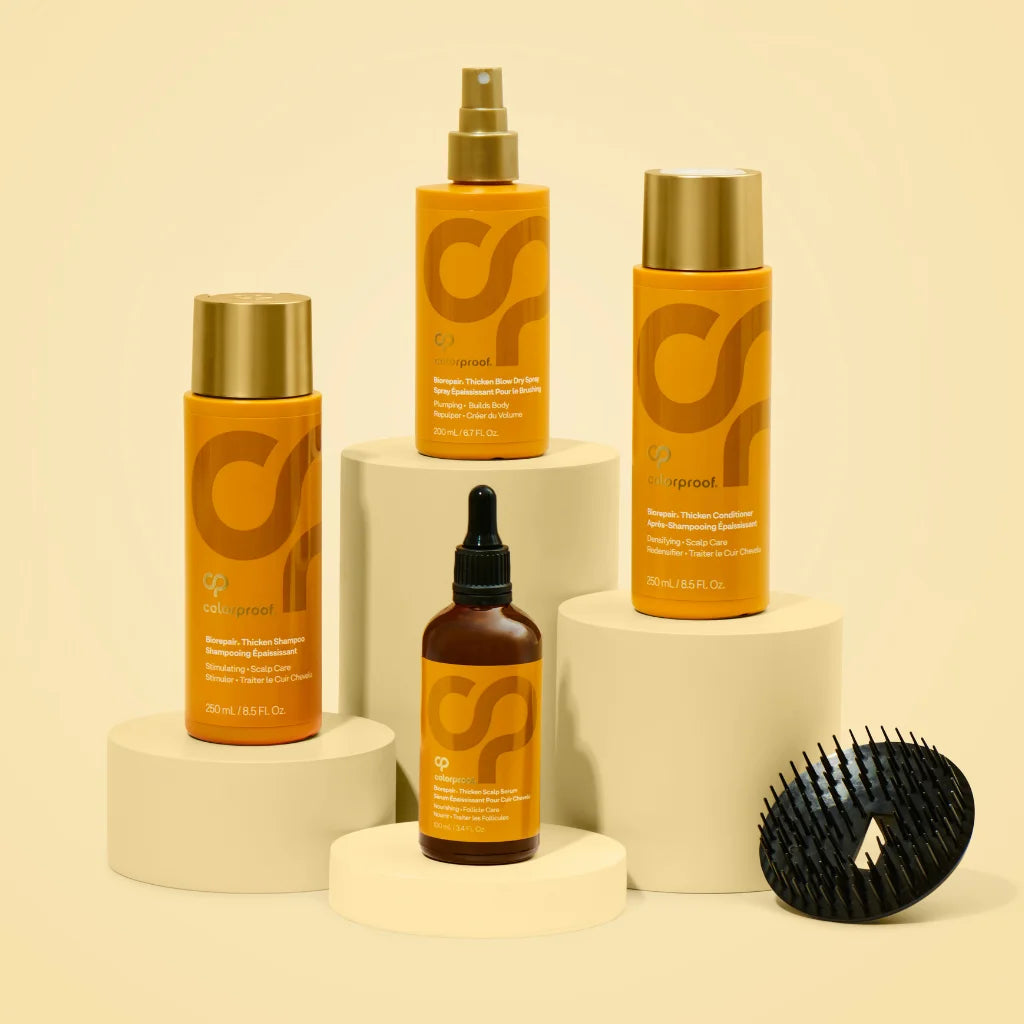
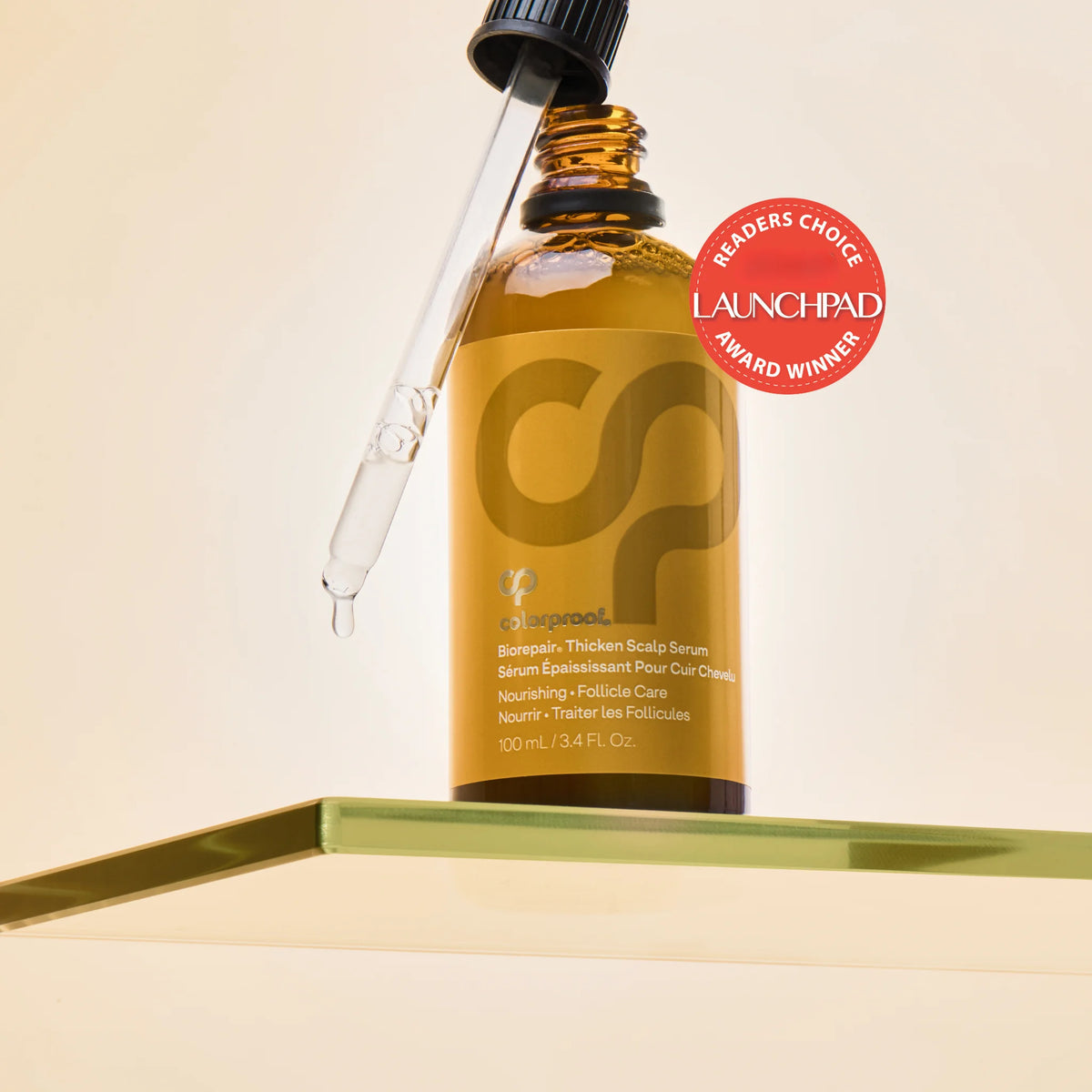
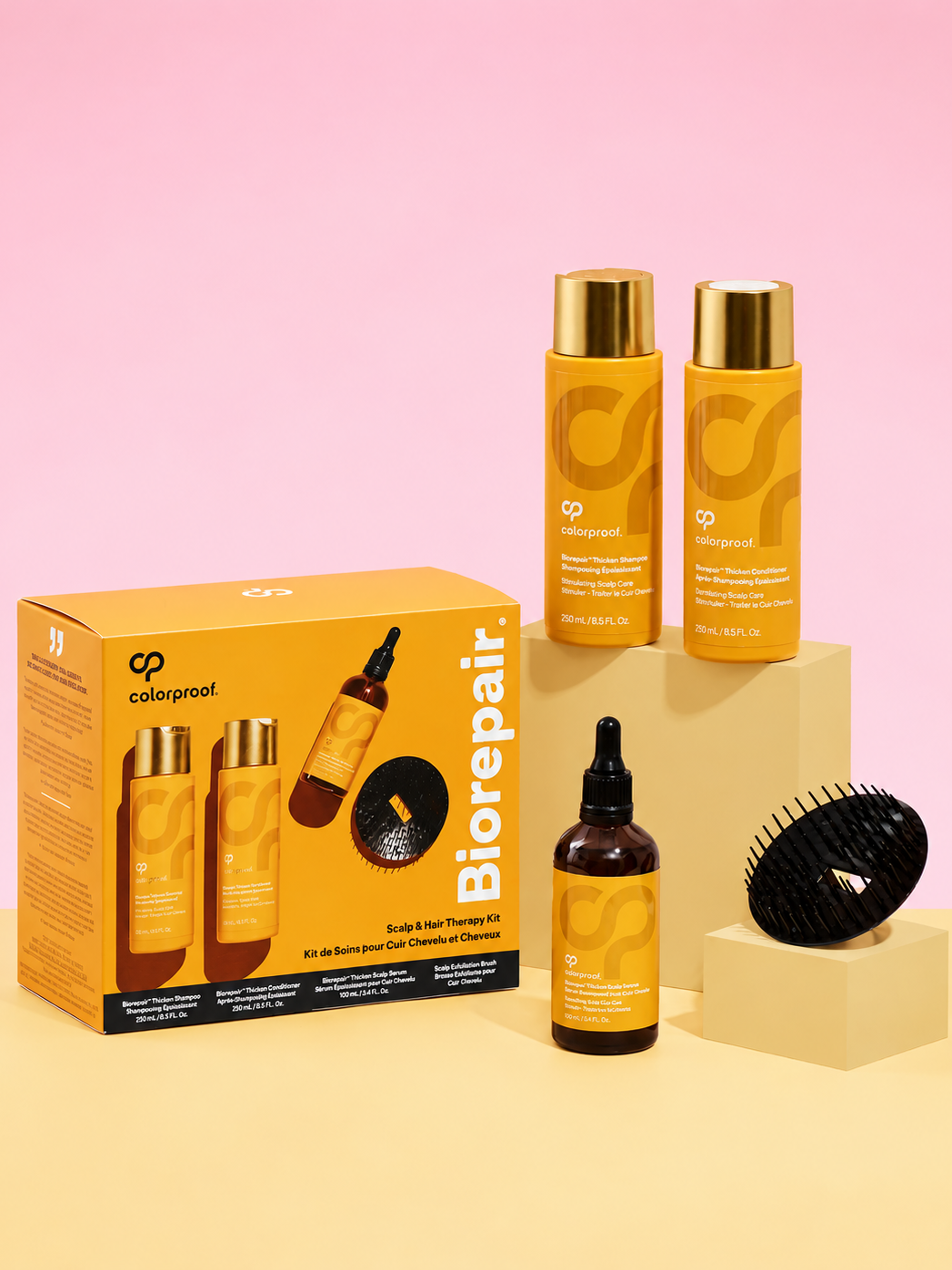
If frizz is your daily battle, the Smooth Shampoo is built for your win. And if your color has started to feel a little brittle, the Biorepair Thicken Shampoo adds strength back and gently cleanses at the same time.
Match it to your biggest annoyance first. Everything else tends to follow.
How to spot sulfates on a label
Flip the bottle and read the ingredient list. Sodium lauryl sulfate and sodium laureth sulfate are the big two, and you'll usually find them in the first few lines. Ammonium lauryl sulfate shows up too. If any of those lead the list, it's a sulfate formula, whatever the front of the bottle says about being gentle or salon-grade.
Marketing words like natural or botanical don't settle it either. The ingredient list is the only honest narrator here, so get in the habit of checking it before you buy.
The adjustment period nobody warns you about
Okay, honest moment: the first week can feel off. Less lather, and you might think it isn't working. People crank up the amount of product to compensate, and that just causes buildup.
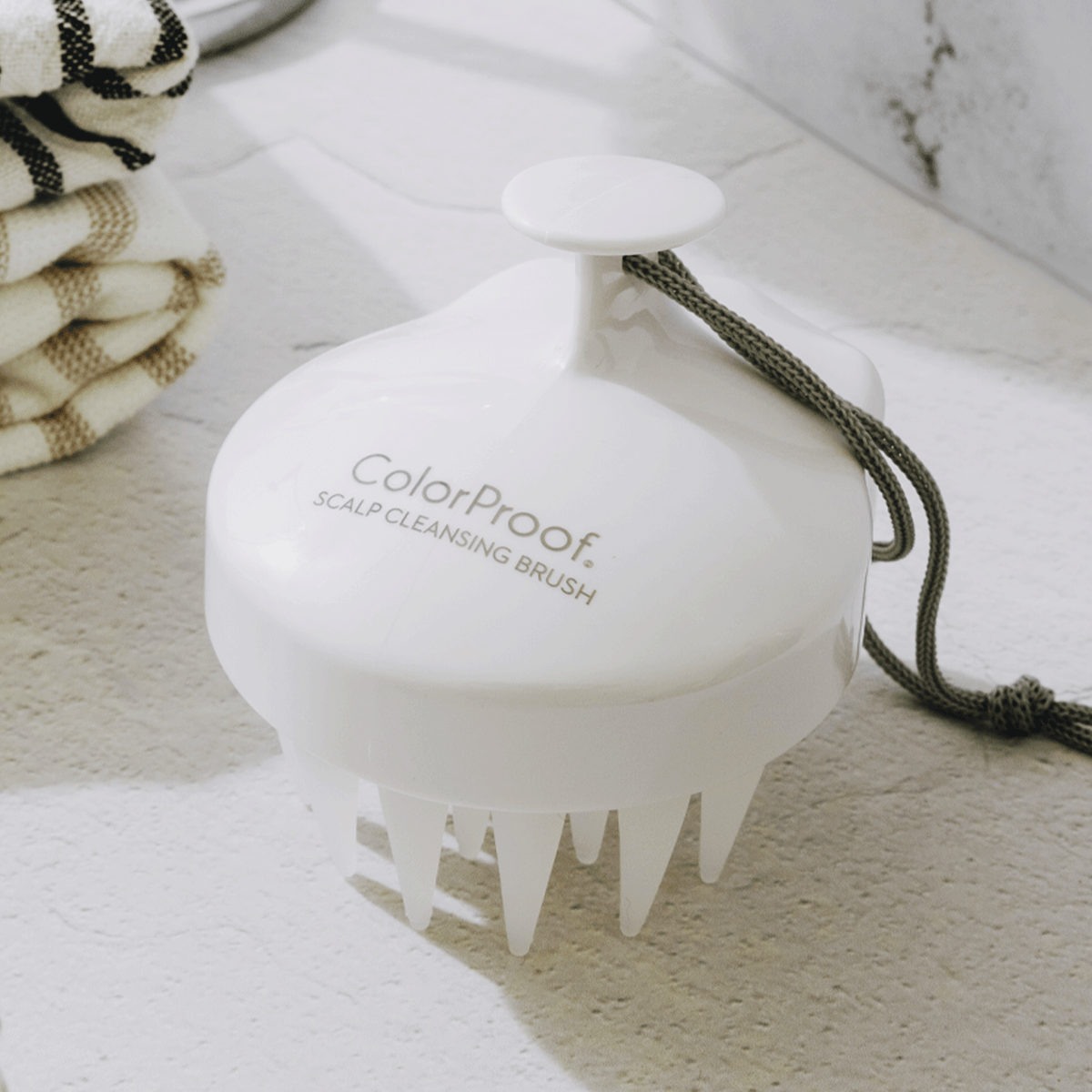
Use a small amount, concentrate it at the roots, and let the suds travel down the lengths as you rinse. Massage for a full minute or so. By wash three, most people have stopped thinking about it. The benefits of sulfate free shampoo build quietly, so judge it after a month, not a day.
When a sulfate shampoo still has a place
Let's not turn this into a crusade. Sulfates can be useful for heavy product buildup or a very oily scalp, and the NBC article says as much. If you're a daily dry shampoo user or you work out hard and sweat a lot, you might reach for a stronger cleanse now and then.
The trick is making it the exception. Once a month, not every wash, and follow it with a proper mask.
Small habits that protect color on top of the shampoo
Shampoo is only half the story. Water temperature matters, so go lukewarm instead of scalding. Wash less often if your scalp allows it. Rinse with a cooler splash at the end. Heat tools get a protectant first, always. A little of that effort adds weeks to your color.
Frequently asked questions
Does sulfate free shampoo clean as well as regular shampoo?
Yes, for most people. It cleans with gentler ingredients, so you get less foam but you're not left with residue. Very oily scalps may want an occasional stronger wash.
How long before I notice the difference?
Many people see softer hair and calmer scalp within two or three washes. The color benefit shows up over several weeks, since you're comparing against how quickly it would have faded.
Why should you use sulfate free shampoo if you wash every day?
Daily washing means daily exposure, so a gentler cleanser matters more, not less. It keeps oils and pigment from being stripped over and over.
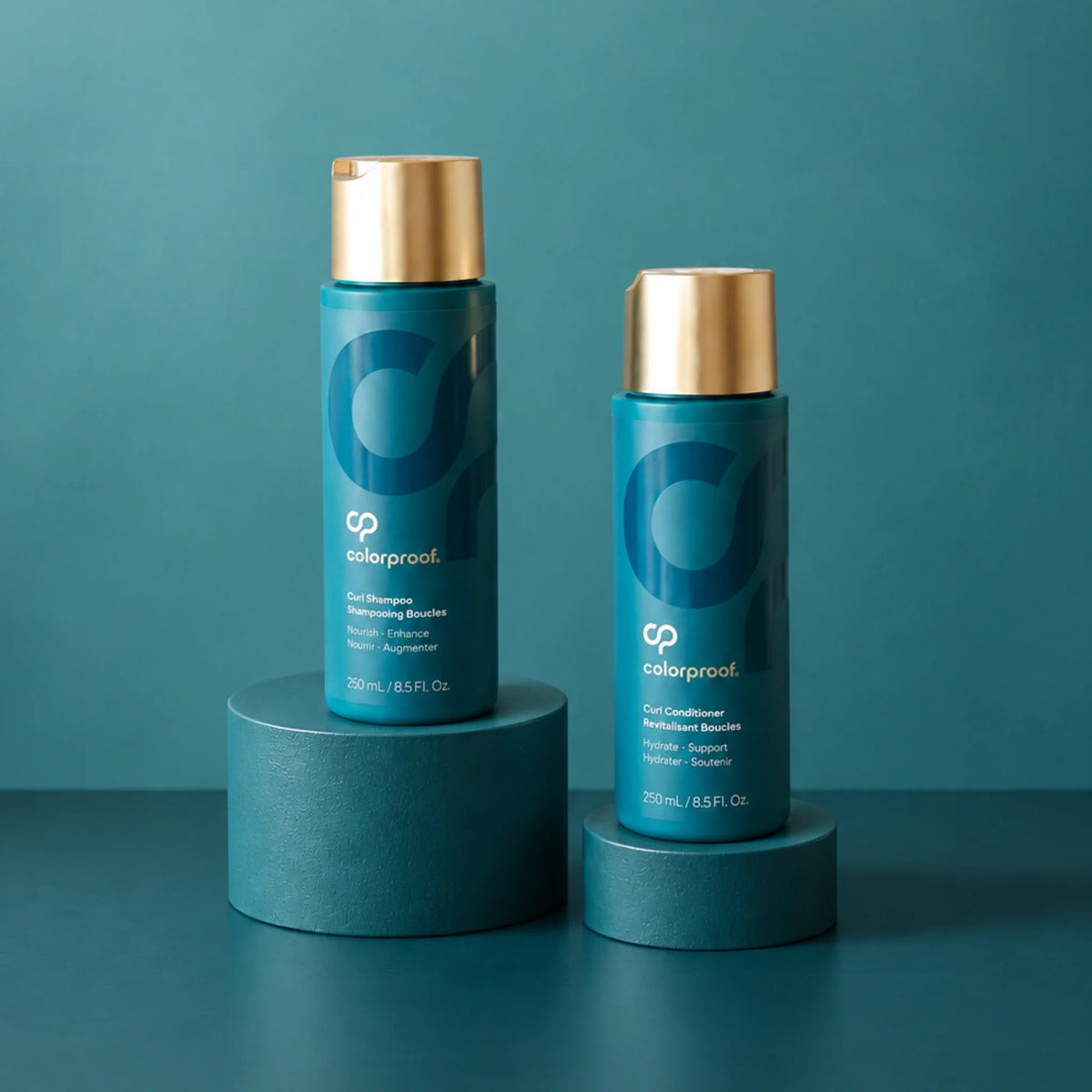
What are the benefits of sulfate free shampoo for curly or coily hair?
Curls run drier by nature, so keeping natural oils in place helps definition and cuts down on frizz and breakage.
Can I use sulfate-free shampoo on hair that isn't colored?
Absolutely. Dry, curly, coarse and sensitive-scalp hair often loves it, whether or not there's color involved.
Do I need a sulfate-free conditioner too?
Conditioners rarely contain sulfates to begin with, though pairing a matched conditioner keeps the routine simple and the cuticle sealed.
Is sulfate-free the same as color-safe?
Not exactly. Color-safe is a broader claim that includes pH and other ingredients. Sulfate-free is one big piece of that puzzle, which is why it's usually the first thing colorists tell you to switch.
Conclusion
Color is an investment, and the shampoo you pick either protects it or quietly drains it. The benefits of sulfate free shampoo are the kind you notice in the mirror: richer tone, softer strands, fewer touch-ups.
You don't have to overhaul your whole routine. Start with the shampoo, give it a few washes, and see how your color holds. Your next appointment might just come a little later than planned, and your wallet will notice that too. Ask your colorist what they use at the wash basin, since the shampoo they recommend usually matches the formula they used on you.