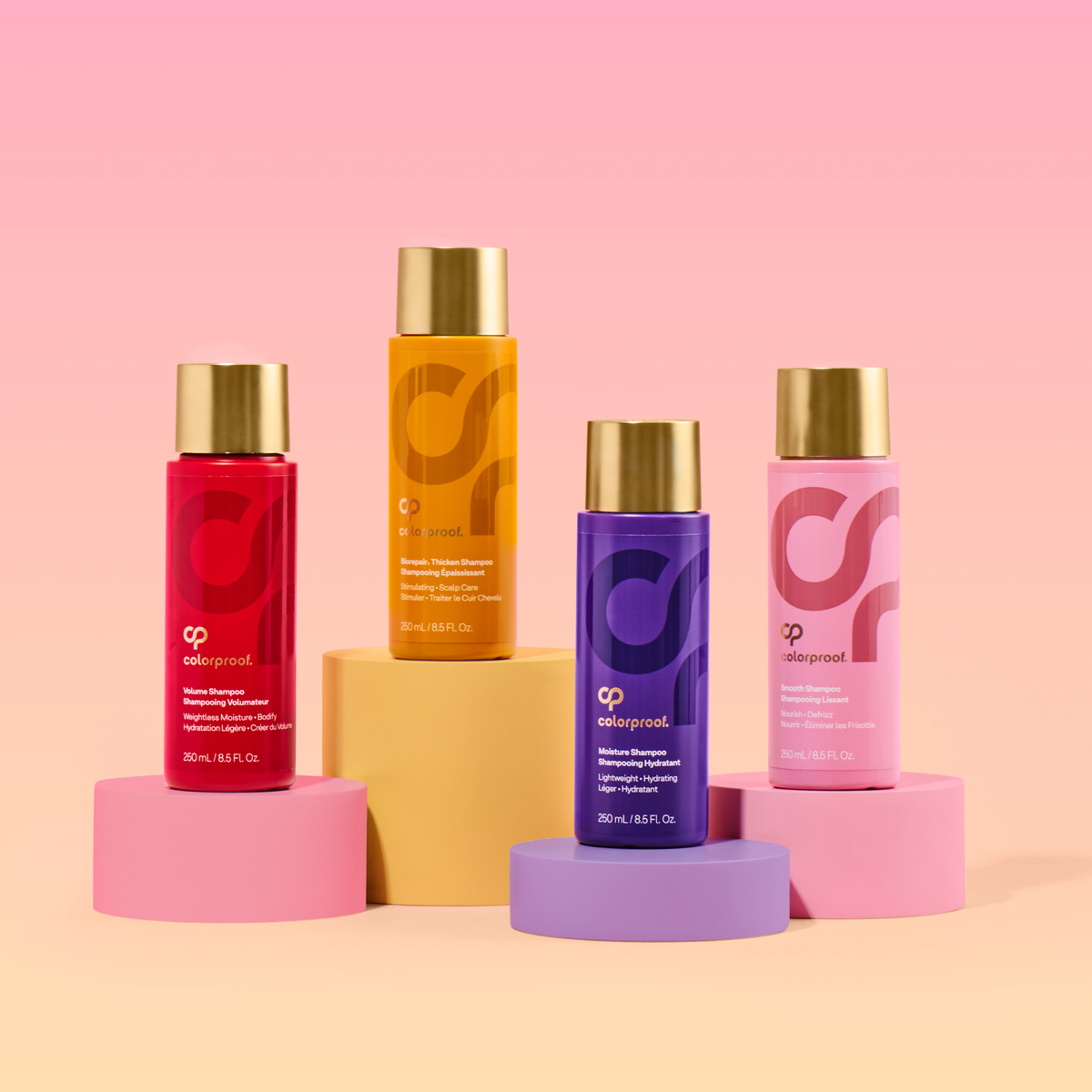
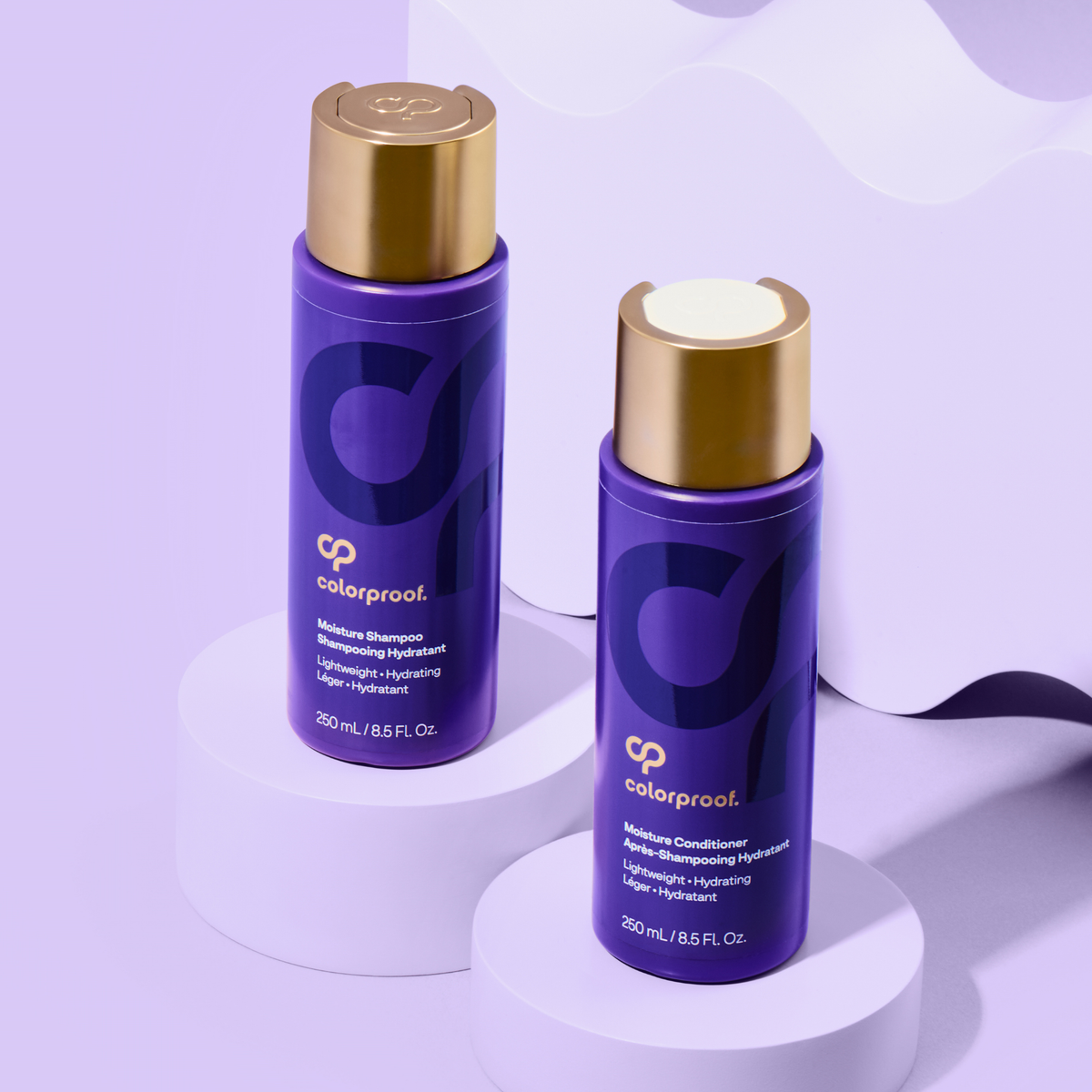











Stand in any beauty aisle, and you'll find jars labeled mask, jars labeled deep conditioner, and jars labeled something in between. Same shelf, similar price, nearly identical promises. But which one do you put in your cart?
If your hair is colored, the answer matters even more. Color-treated strands are thirstier and more fragile, and picking the wrong treatment can leave them either underfed or weighed down. Here's the plain-English breakdown of hair mask vs deep conditioner, minus the marketing fog.
Hair mask vs deep conditioner: the quick answer
Short version: they overlap a lot, and the line between them is blurry on purpose. Brands use both words loosely. But there's a real pattern underneath.
A deep conditioner is mostly about moisture and slip. It softens, detangles, and makes hair easier to manage. A mask is usually richer and more concentrated, often loaded with proteins, oils, butters, or targeted actives meant to fix something specific, like damage, dullness, or brassiness.
What is the difference between hair mask and deep conditioner formulas
Think of it like a good moisturizer versus a face mask. One is a daily-ish comfort, the other is a treat with a mission. Here's what that looks like in practice.
Deep conditioners tend to have a lighter, creamier texture, and they rinse out cleanly in a few minutes. Masks run thicker, sometimes almost like a paste, and they're designed to sit longer to let the ingredients soak in. Masks also tend to cost a little more per ounce because of that concentrated formula.
If you're asking about the difference between hair mask and deep conditioner products for your own bathroom shelf, check the ingredient list and the directions. A longer wait time and a thicker texture usually means mask territory.
Is a hair mask the same as deep conditioner?
Not quite, though plenty of products blur it. Is a hair mask the same as deep conditioner in every case? No. Some jars sold as masks are basically rich conditioners with a fancier name, and some deep conditioners are formulated heavily, acting like masks.
The honest approach is to ignore the label and read the job description. What does it say it fixes, and how long does it want to sit on your hair?
Is a deep conditioner the same as a hair mask for fine hair
Here's a twist. If your hair is fine, you often get better results from a lighter deep conditioner than a heavy mask. Is a deep conditioner the same as a hair mask when it hits fine strands? Functionally, no, since heavy masks can flatten roots and make hair feel greasy by day two.
Thick, coarse, curly, or very dry hair, on the other hand, usually drinks up a mask and asks for seconds.
Why color-treated hair is a special case
Color processing roughs up the cuticle. That's the protective outer layer, and once it's lifted, moisture escapes faster, and pigment slips out with it. Hair that's been lightened is even more porous, which means it soaks up treatment quickly but loses it just as fast.
That's why colored hair usually needs both: regular conditioning for softness and the occasional mask for repair. It isn't an either-or situation, which is the part most articles skip.
Is a hair mask a deep conditioner when your color is blonde or toned
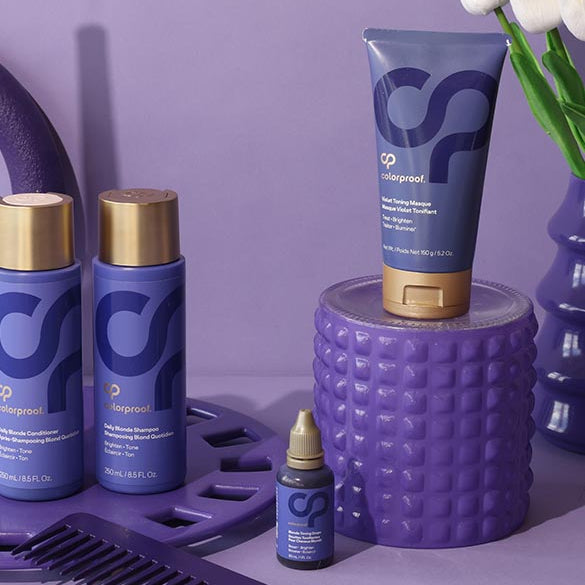
Is a hair mask a deep conditioner if you're blonde? It can be both, but blondes have an extra wrinkle. Brassiness creeps in, and a purple or violet-toned treatment can counter it while it conditions.
The Weekly Blonde Masque was made for that exact job. It softens lightened strands and keeps yellow tones from taking over between salon visits. Use it once a week, and you'll probably notice your highlights stay cooler for longer.
Picking from the ColorProof treatment line
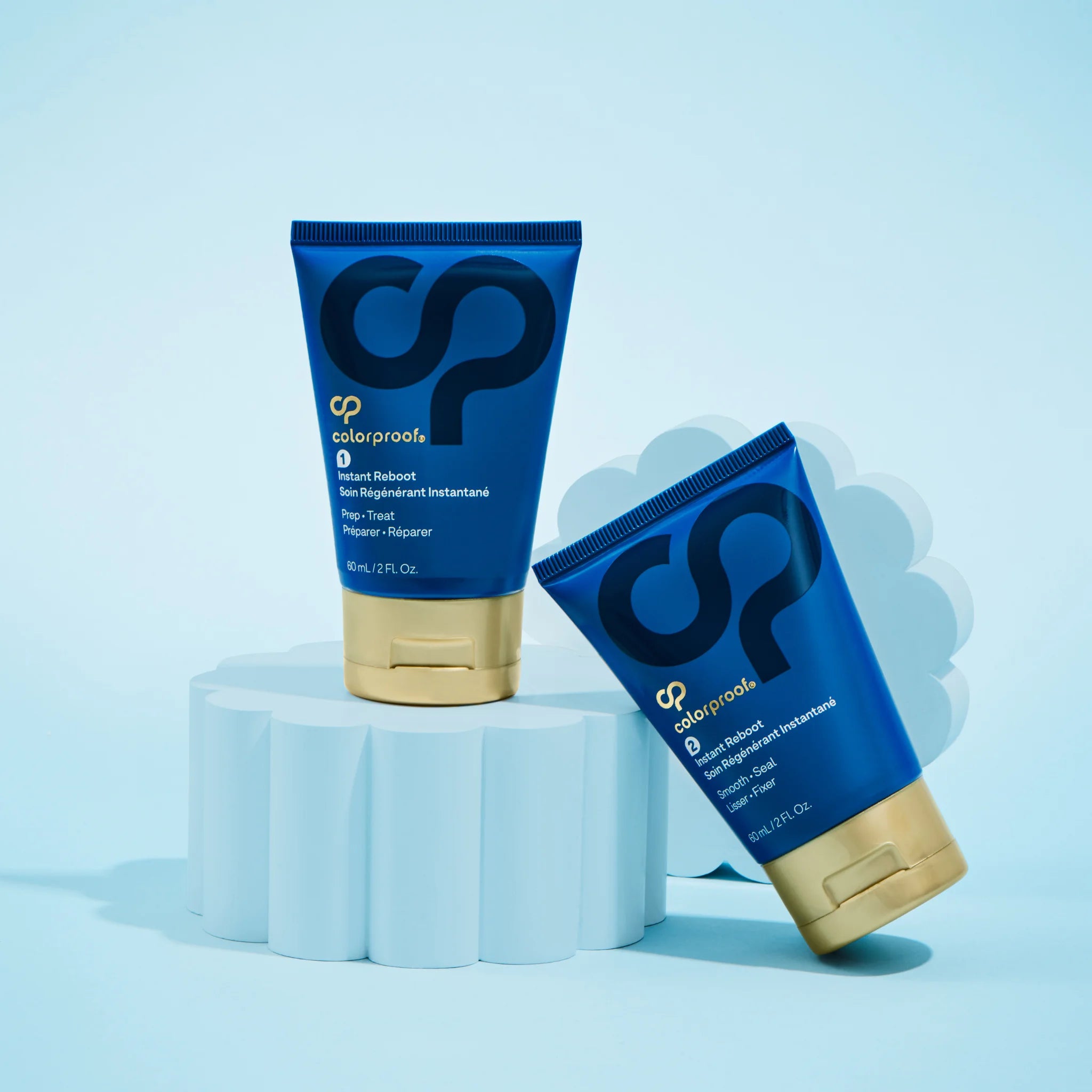
For the seriously damaged hair, the Instant Reboot Treatment Masque is the heavy hitter. Think of it as the weekend reset after a rough month of heat styling and highlights. You leave it on for several minutes, rinse, and your strands feel noticeably more elastic.
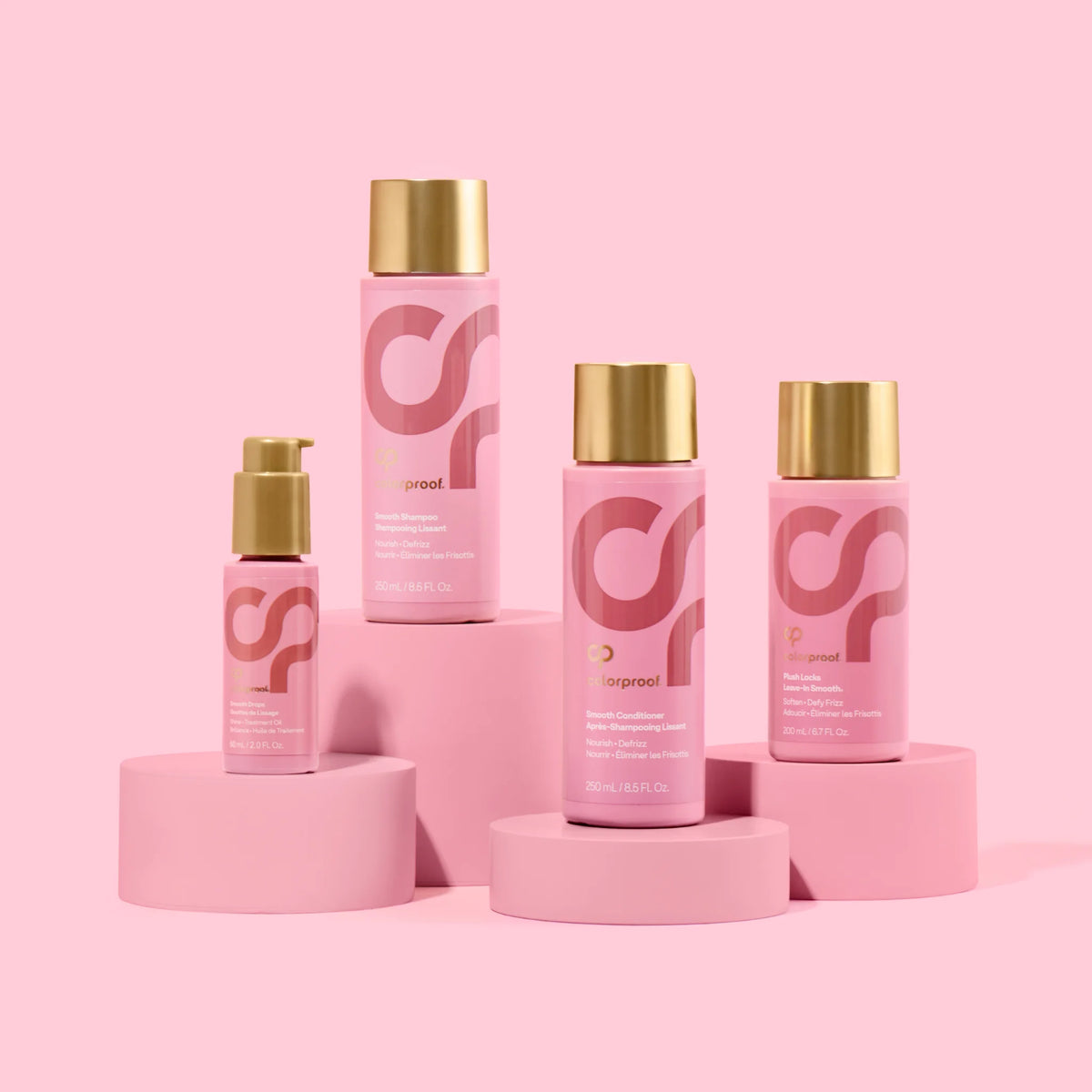
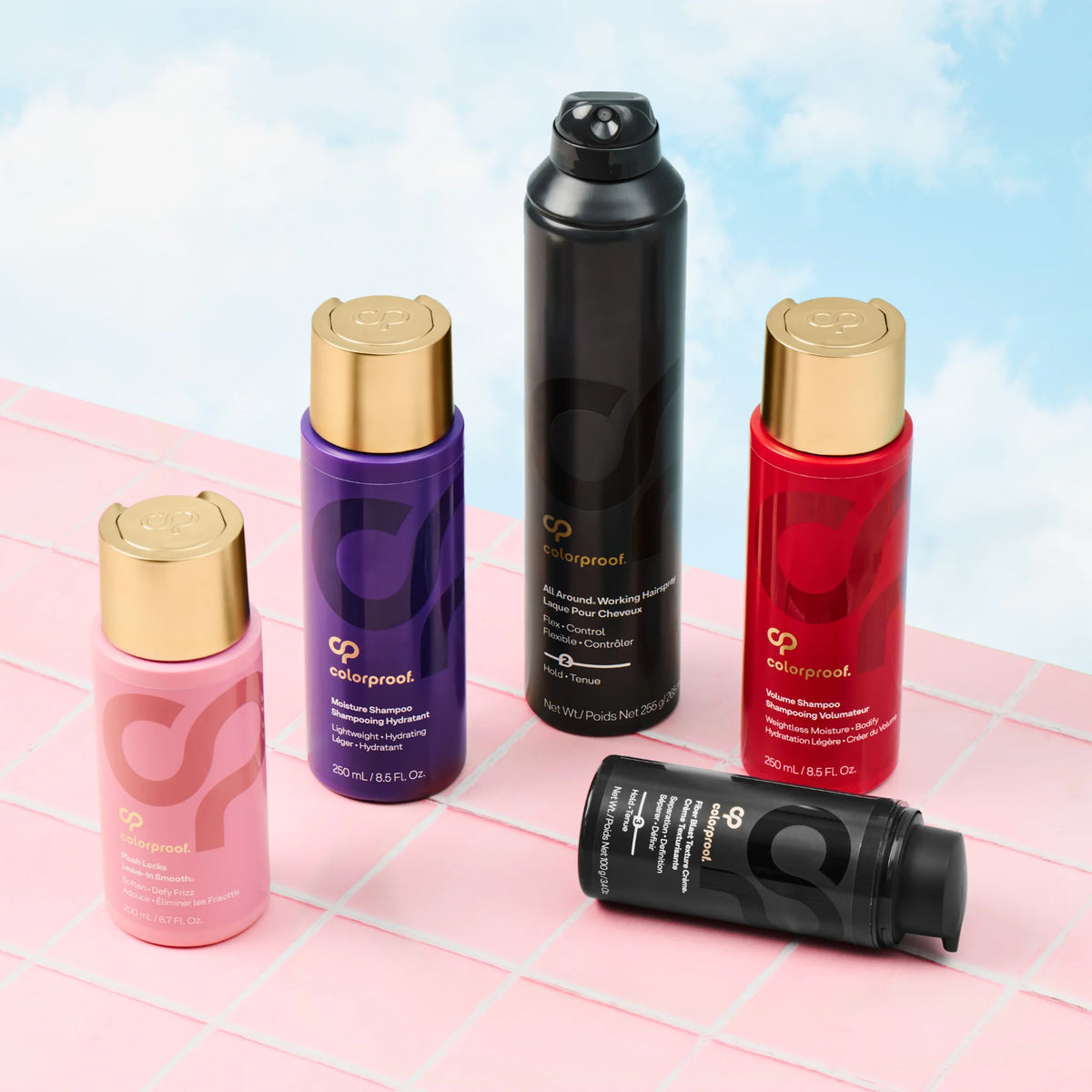
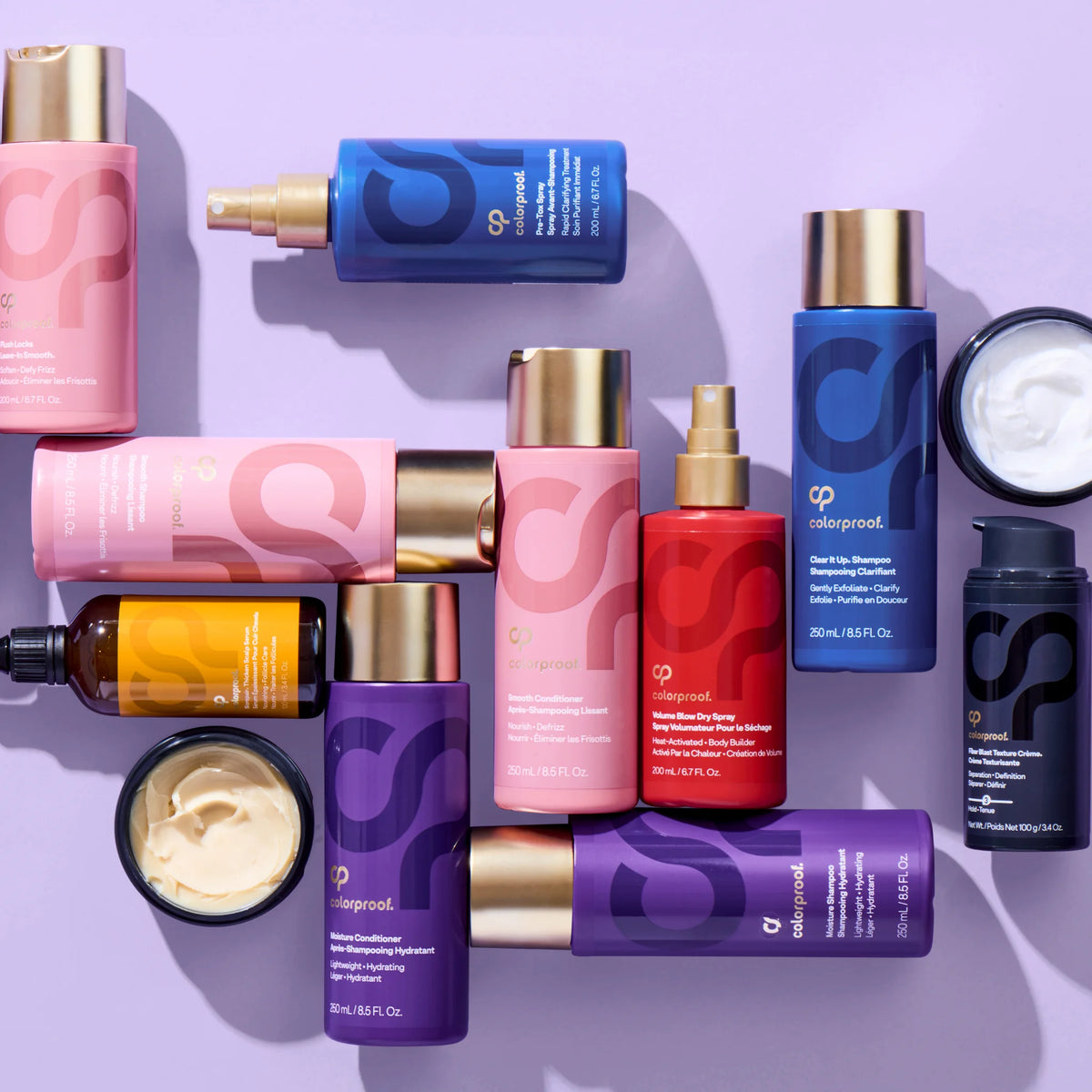
Between those deeper sessions, a leave-in does the lighter daily lifting. The Plush Locks Leave-In Smooth smooths frizz and adds a little slip without needing a rinse, which makes it a nice partner to either a mask or a conditioner.
How often to use hair mask vs deep conditioner
A basic rhythm works for most people. Condition every wash. Use a mask once a week, or every other week if your hair is on the finer side. If you've just had a big color change, go twice a week for the first month or so, then ease back.
Overdoing it is a real thing. Too much protein can make hair stiff and snappy, and too much heavy moisture can leave it limp and gummy. If your hair feels off after a few treatments, scale back and let it reset.
Signs you picked the wrong one
Your hair will tell you pretty quickly. Limp, greasy roots and a coated feeling mean the formula was too heavy, so step down to a lighter conditioner. Straw-like texture, tangles, and rapid color fade after a few washes mean it wasn't strong enough, so step up to a real mask.
Stiff, crunchy, snappy hair is the protein warning light. Skip the next mask and give it moisture instead for a couple of weeks. Gummy, overstretched hair is the opposite problem. Balance beats intensity every time.
Layering them together when hair is badly damaged
Pros do this all the time. Apply a mask first, let it sit, rinse, then follow with a regular conditioner to seal things in. If you're stuck on hair mask vs deep conditioner, remember you can use both in one wash when hair is in rough shape. It just shouldn't become the weekly default.
How to apply for best results
Wring excess water out of your hair first, since soaking-wet hair dilutes the formula. Work the product through mid-lengths and ends, where damage lives, and go easy near the scalp. Comb it through gently with a wide-tooth comb.
Then wait: a shower cap and a bit of warmth from your own head help the product settle in. Ten minutes is plenty for most formulas. Rinse with lukewarm water, not hot, since heat opens the cuticle and invites color to leave.
Frequently asked questions
Can I swap a deep conditioner for a mask?
Sometimes, yes, particularly if your hair is on the dry side. If you need repair rather than just softness, a real mask will do more.
Can I use a mask every time I wash?
Probably not. It's usually too much for most hair types and risks buildup.
Is a hair mask the same as a deep conditioner when it comes to leave-in time?
No. Masks generally want more time than deep conditioners do, so follow the directions on your specific jar.
Will a mask change my hair color?
Regular masks won't. Tinted or toning versions can shift tone slightly, so patch test if you're worried.
What about hair mask vs deep conditioner for thin hair?
Go lighter. A deep conditioner on mid-lengths and ends is usually enough, with a mask only occasionally.
Conclusion
So, hair mask vs deep conditioner? Think of the deep conditioner as the steady friend and the mask as the intervention. You'll want both when your hair has been colored, just at different frequencies.
Read past the label, match the product to what your hair is telling you, and rotate based on how it feels. Soft, bouncy, shiny hair is a pretty good sign you've got the balance right. And if you're still unsure, ask your colorist to feel your hair during your next appointment. A quick touch usually tells them whether you need more moisture, more repair, or simply less product than you've been piling on.