










You left the salon hooked on your hair color. Three washes down the road, and your hair looks flat, faded, a little bit brassy, but you don't know where things went wrong. Before you start wondering what's wrong with the water, there's one thing that most people tend to overlook – your hair's porosity.
It's not a trendy buzzword; it quietly determines how your color applies, how easily it adheres, and how quickly it fades away. The best part? You can discover your own hair porosity right in your bathroom in just five minutes – all you need is a glass of water. Let's dive into the actual meaning of hair porosity and how to test your hair's porosity at home.
What Is Hair Porosity?
Simple version. Porosity is how well your hair takes in moisture and then holds onto it. Every strand is wrapped in a layer of tiny overlapping scales, similar to shingles on a roof. That's your cuticle. When those scales lie flat and tight, water and color struggle to get in. When they lift and gape open, everything floods in fast, then leaks straight back out. That's hair porosity in a nutshell.
There are three broad types: low, medium, and high. You probably lean toward one of them. Genetics gets you started, but your hair care matters just as much. Heat, bleach, color, sun – they all lift and rough up the cuticle over time, which drags porosity higher. That's exactly why learning how to test hair porosity is worth five minutes of your life, especially if you color your hair.
Low vs High Porosity Hair, Side by Side
Before you test anything, here's a quick hair porosity chart to help you spot yourself.
| Porosity | How it behaves | What it needs |
|---|---|---|
| Low | Repels water, product sits on top, slow to wet and dry, loves to build up | Lightweight products, plus a little warmth to open the cuticle |
| Medium | Absorbs and holds moisture nicely, takes color evenly, low-drama | Balanced care, not much fuss |
| High | Drinks moisture in fast and loses it just as fast, dries quickly, frizzes | Rich moisture, sealing, and cuticle-smoothing products |
Neither low nor high is better; they just want completely different things. Low porosity blocks everything out, including the good stuff, so it needs help letting product in. High porosity soaks it all up but can't hang on, so it needs help sealing moisture and color down. Two opposite problems, two opposite fixes.
How to Test Hair Porosity at Home
No salon. No lab. Just things you already have lying around. Here's how to test hair porosity three different ways – please, do it on clean hair with zero product, because buildup will lie to you.
- The float test. The most popular one: fill a glass with room-temperature water, drop in a single strand you've shed, and wait a couple of minutes. Floats on top? Probably low porosity. Hangs in the middle? Medium. Sinks like a stone? High. It's the main way most people first learn how to test hair porosity, though treat it as a rough guide, not a final verdict.
- The spray test. Mist a dry section with water and just watch. Beads up and rolls off? Low. Soaks in almost instantly? High. Somewhere between the two? You guessed it, medium. This one's my favorite, because you actually watch the cuticle doing its thing in real time.
- The slide test. Takes two seconds and costs nothing. Pinch a strand and run your fingers up toward the scalp. Smooth the whole way? Low to medium. Catches and feels bumpy? That's a lifted cuticle – high.
Try at least two ways to figure out your hair's porosity level. If you get different results, trust the spray and slide tests; they mirror real life a little better. Bottom line, knowing how to test hair porosity is genuinely handy, because everything after this – your products, your color, your expectations – hangs on the answer.
Why Porosity Wrecks (or Saves) Your Color
Here's where it all clicks. For color to work, it has to slip past the cuticle, settle in, and then stay put. Porosity manages both entry points; that's why knowing how to test hair porosity should come before your next color appointment, not after it.
High porosity hair grabs color fast. Sometimes too fast, so it lands darker or more intense than you wanted, then fades or turns brassy in no time because that open cuticle just lets pigment walk right out. Low porosity is the opposite headache. It resists the color taking hold, so it processes slowly and can turn out patchy if nobody opens the cuticle first. Medium porosity? Lucky you – it takes color evenly and holds it. Once you know your type, you and your colorist can plan around it, and your color sticks around a whole lot longer.
The Best Products for Your Porosity Type
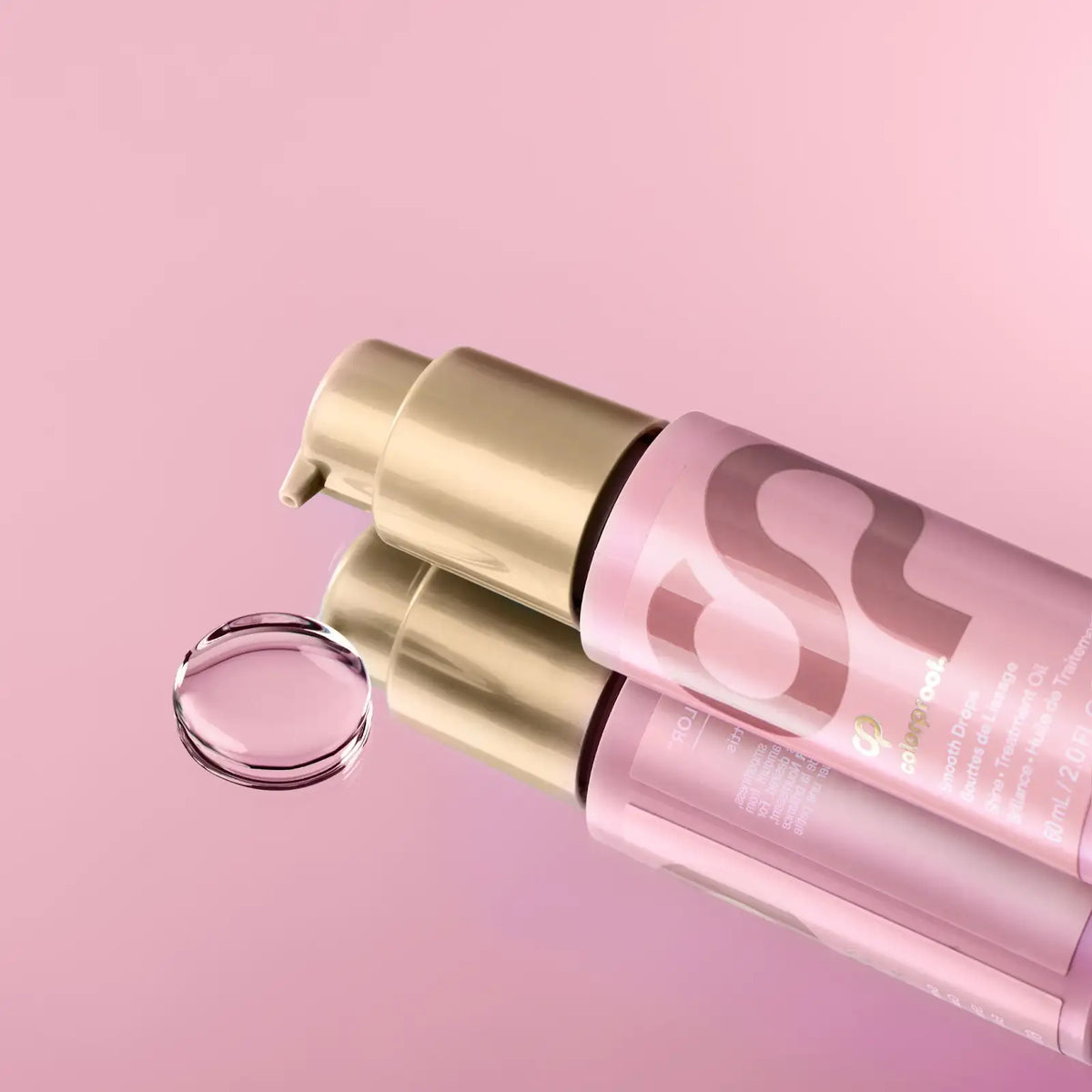
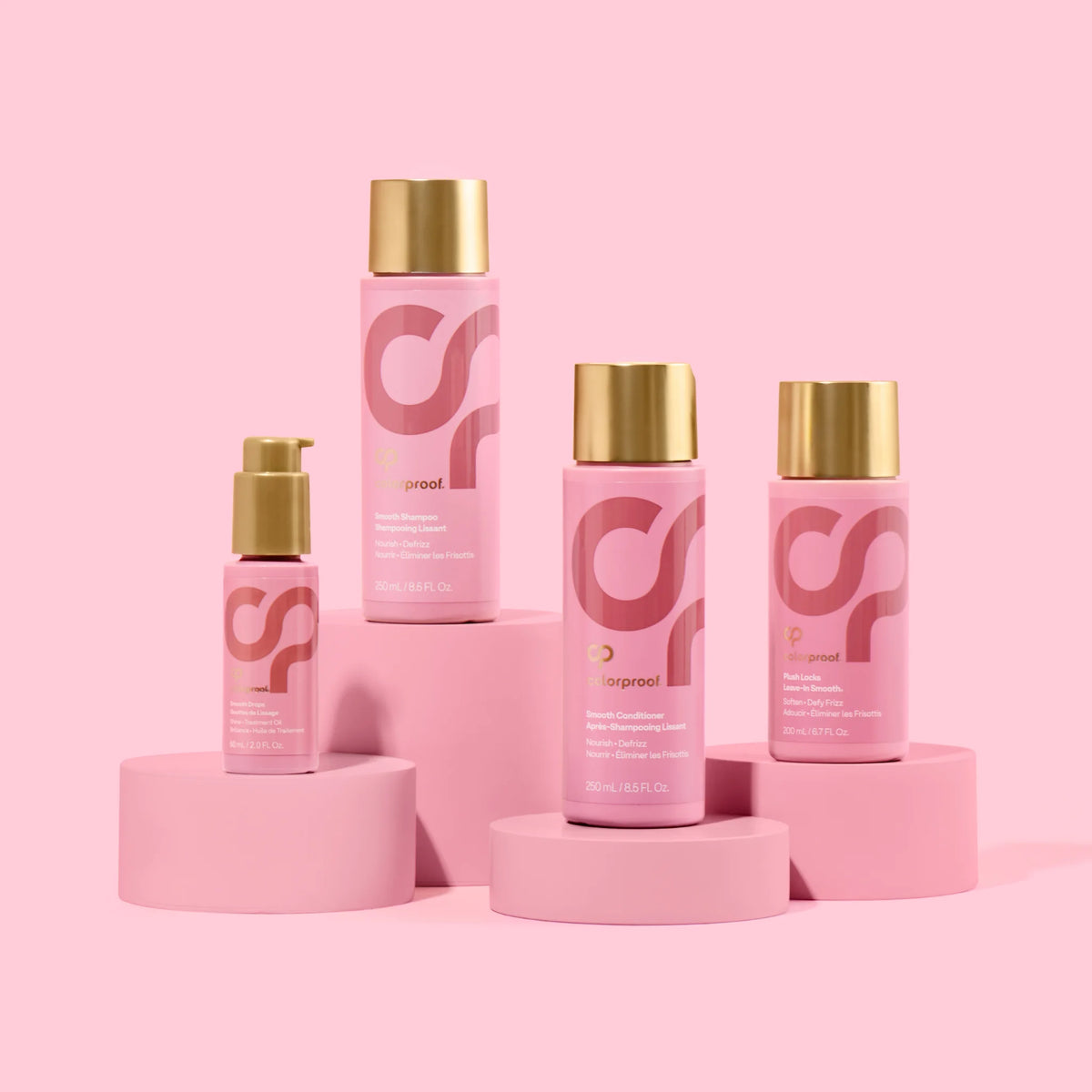
Match your routine to your porosity instead of fighting it, and once you know how to test hair porosity and you've got your answer, hair care suddenly gets easy. High porosity hair is all about sealing moisture and smoothing that raised cuticle so color stops escaping. A weightless oil like Smooth Drops locks down the ends and adds shine without greasiness, while a rinse-out treatment like Cuticle Closer resurfaces the cuticle, and your strands finally hold onto moisture and pigment. That combo sits right up there with the best products for high porosity hair, because it fixes the actual problem – sealing.
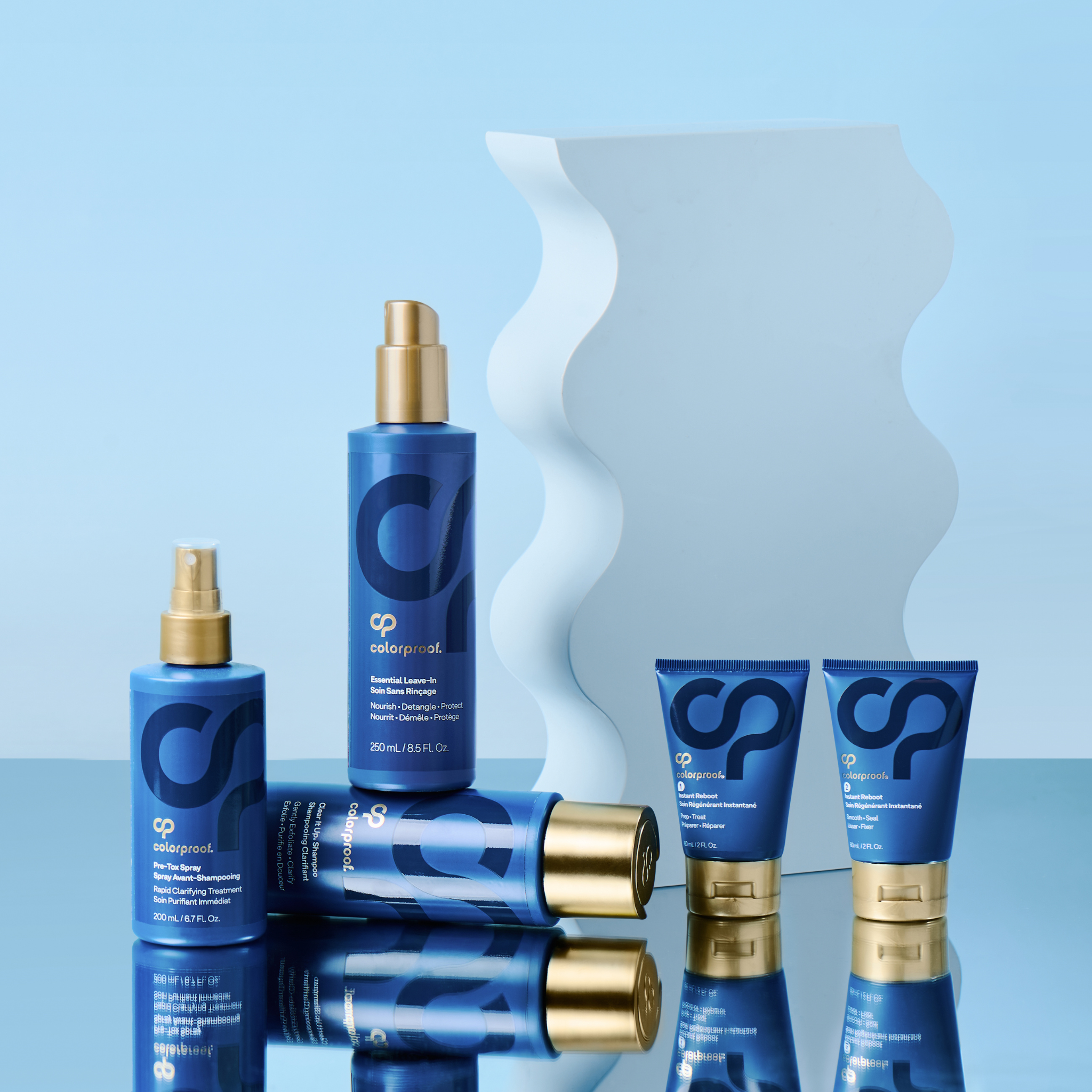
Low porosity? Go light and layer. Heavy creams just sit there sulking on the surface. A universal spray like Essential Leave-In adds slip and hydration without the buildup, and working it into damp, slightly warm hair coaxes the cuticle into actually accepting it. Whatever your type, keep everything color-safe. That's the difference between color that lasts and color that ghosts you by week three.
Frequently Asked Questions
How to test hair porosity at home?
The fastest route is the float test. Drop a clean, shed strand into a glass of water and give it a few minutes. Floating means low, sinking means high, hovering means medium. Then double-check with the spray test on dry hair for a more real-world read before you fully commit.
Can hair porosity actually change?
Yep. Genetics set your baseline, but heat, color, bleach, and sun keep lifting and wearing down the cuticle, so porosity tends to creep higher over the years. Gentle, color-safe care and the odd cuticle-smoothing treatment keep it from running away on you.
What's the real difference in low porosity vs high porosity hair?
Low porosity pushes moisture away, so product sits on top, and your hair takes ages to wet and dry. High porosity inhales moisture, then loses it just as fast, so it dries quickly and frizzes and fades more easily. Basically opposite personalities, opposite care.
Which porosity loses color the fastest?
High porosity, hands down. That raised, gappy cuticle lets pigment rinse right out, which is why color can fade or go brassy in just a few weeks. Sealing oils and cuticle treatments slow it down a lot, but sealing has to be the priority.
What are the best products for high porosity hair?
Think sealing and smoothing. A light oil to lock moisture into the ends, a rinse-out cuticle treatment to resurface the strand, and rich, color-safe conditioners. The whole game is helping high porosity hair keep the moisture and color it otherwise loses so quickly.
Conclusion
Porosity is one of those quiet little fundamentals that suddenly explains everything. Why your hair acts the way it does, why your color behaves the way it does, why that pricey gloss faded in a fortnight. Once you know whether your strands block moisture out or drink it in and lose it, every other choice gets simpler.
The truth is you don't have to guess your way there. Learning how to test hair porosity costs you a glass of water and five minutes, and what you get back is a routine that finally works with your hair instead of against it. Test yours, match your care to what you find, and lean on color-safe, cuticle-smoothing products to keep your tone true and your fade slow. Work with your porosity, not against it, and your color will thank you for months.