








Summer arrives salt-kissed, wind-lit, all shimmer and invitation, and yet for freshly colored hair, it can be a season of slow unraveling. If you have ever watched a rich brunette turn brassy, a blonde lose its silk, or a vivid tone fade into something tired and thirsty, you already know that learning how to protect dyed hair from the sun is less a luxury than a small seasonal devotion.
Color-treated hair is already carrying a tender history. It has been lifted, deposited, glossed, toned, or transformed in some intimate chemical way. Summer simply tests that tenderness. The good news is that a thoughtful routine can hold the shade together, keeping it luminous even when the days grow hot and bright.
Why Summer Is So Hard on Color-Treated Hair
Summer does not damage color in one dramatic gesture. Color fades through accumulation: daily exposure, warmth, water, and light returning again and again.
UV, Heat and Humidity
- Sunlight can wear away at the richness of dyed hair, while heat and humidity often leave the cuticle more unruly, making strands feel rougher and look frizzier.
- Humidity is especially known for swelling the hair fiber and encouraging frizz, which is one reason summer hair loses its polished finish so quickly.
Chlorine And Saltwater
- Pool water and seawater create their own kind of mischief. Chlorine can leave hair feeling stripped and coarse, while saltwater tends to draw moisture away, making already-processed hair feel drier and less supple.
- When the strand is porous to begin with, color has a harder time staying graceful through all that exposure.
Signs Your Color Is Taking Summer Damage
Sometimes the earliest warning is not dramatic. It is just a subtle dimming, a small roughness, a tone that no longer looks fresh.
| Sign | What it usually means |
|---|---|
| Faster-than-usual fading | Your color is losing richness sooner than it normally would in milder seasons. |
| Brassiness or tonal shifts | Warm or yellow undertones are starting to surface where the tone once looked balanced. |
| Dullness and lack of shine | The hair is reflecting less light and looking more matte than luminous. |
| Increased frizz | Humidity is disrupting the surface of the hair and making the cuticle less settled. |
| Brittle or snapping ends | The hair is becoming weaker at the oldest, most processed parts. |
Think of this as your quiet checklist. When you start to notice these changes, it is time to protect dyed hair from the sun more carefully, rather than waiting for the next salon visit to rescue everything.
10 Summer Hair Care Tips for Color-Treated Hair
Summer care is not about panic; it is about rhythm. A few small habits, repeated consistently, can do far more than one heroic treatment used too late.
1. Switch To Color-Safe Cleansing
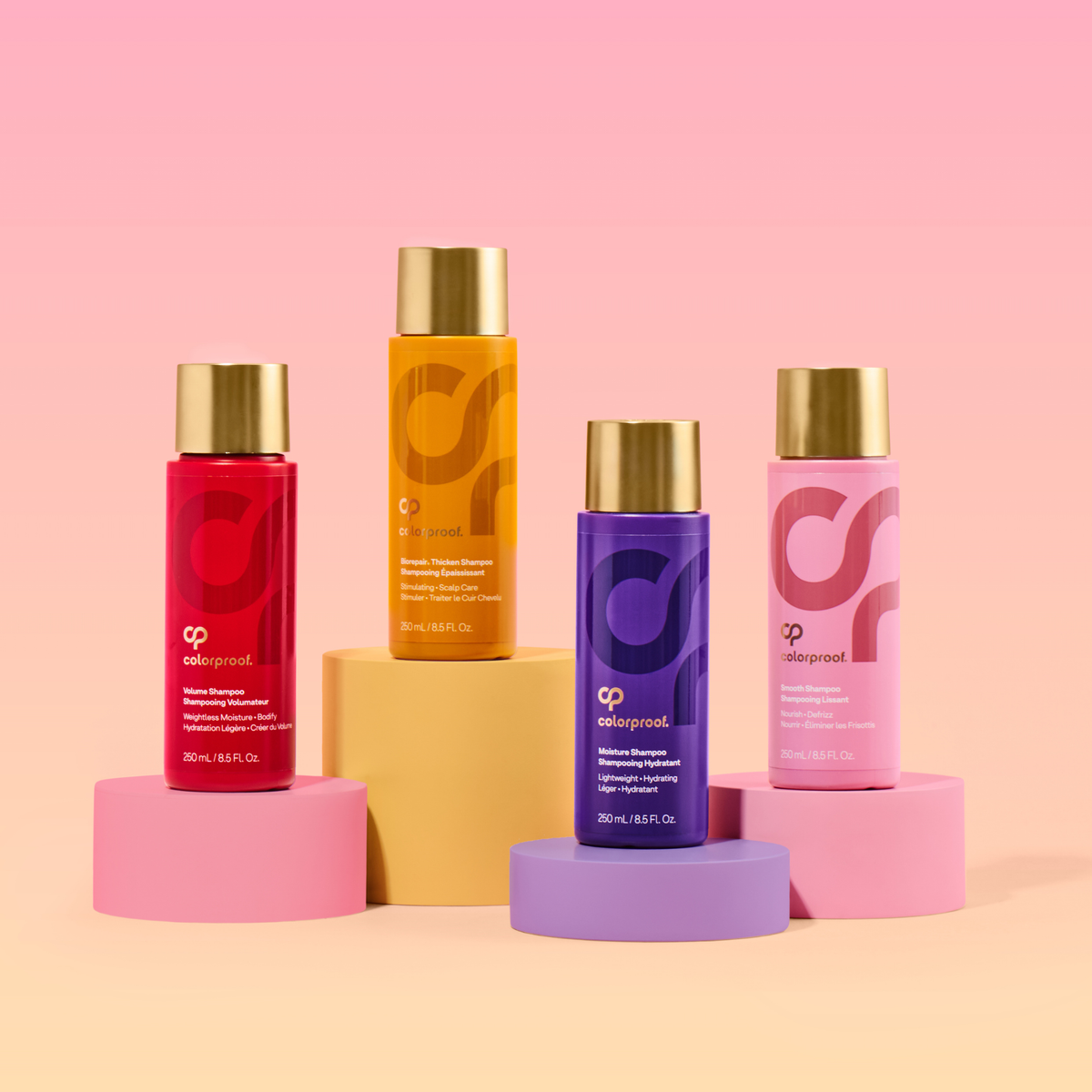
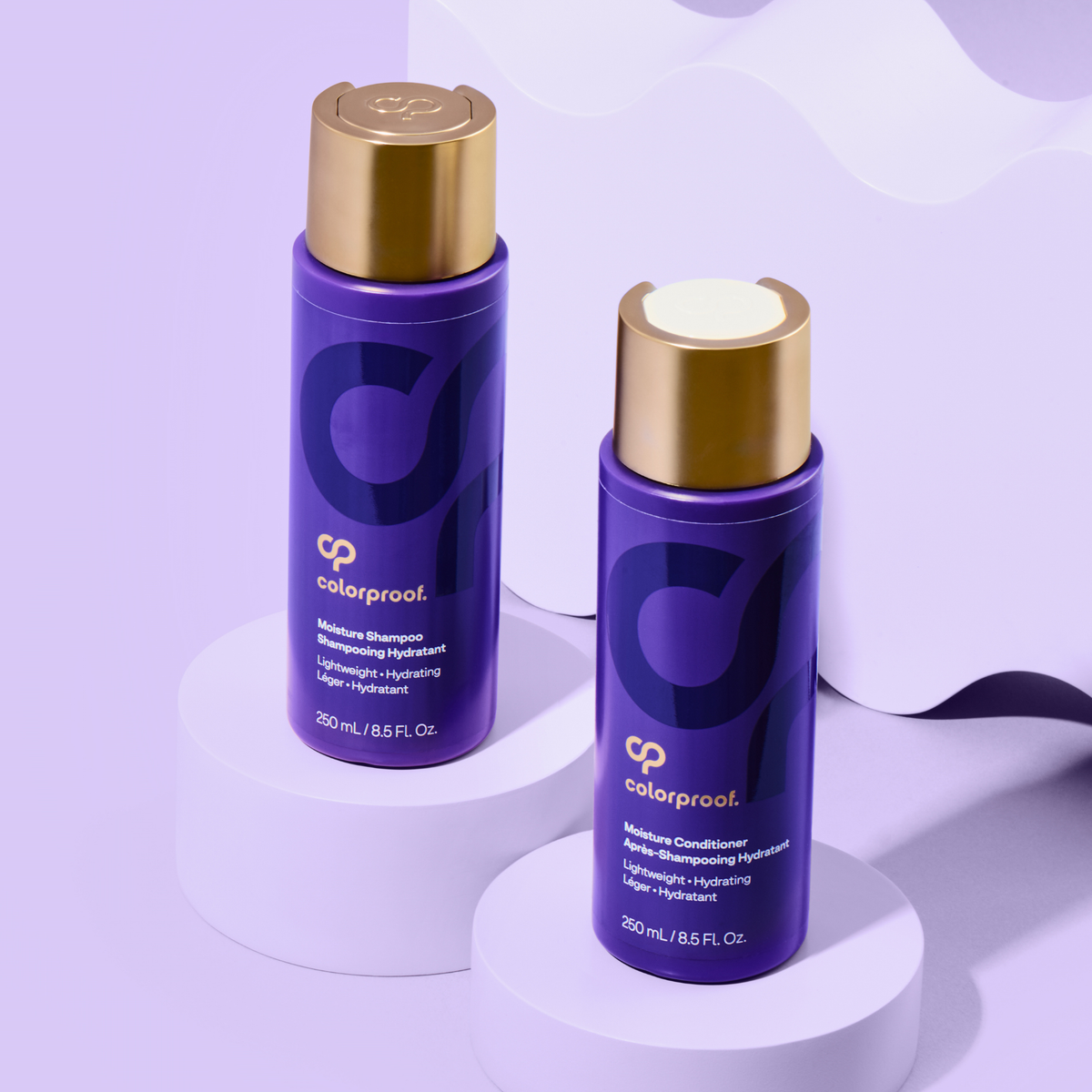
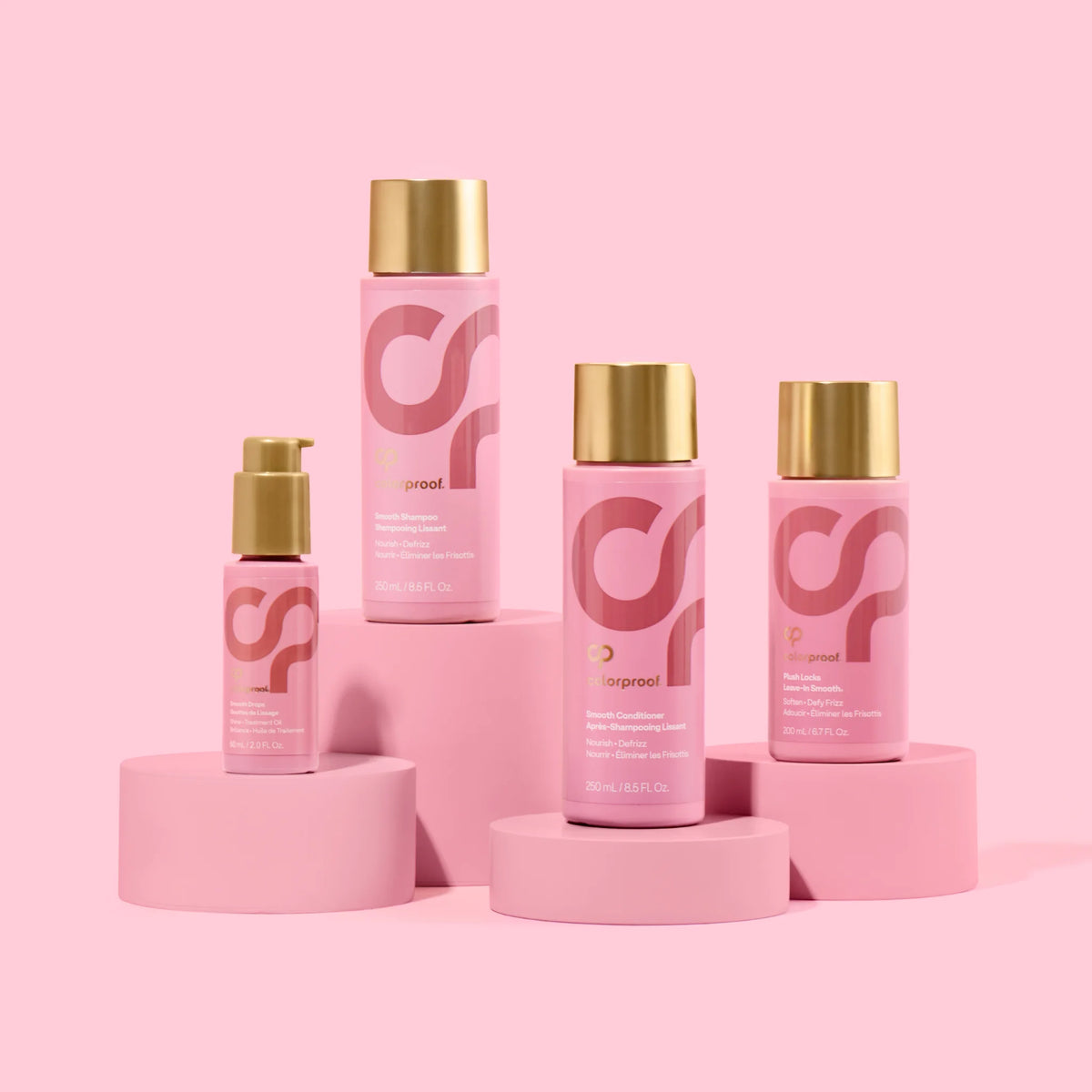
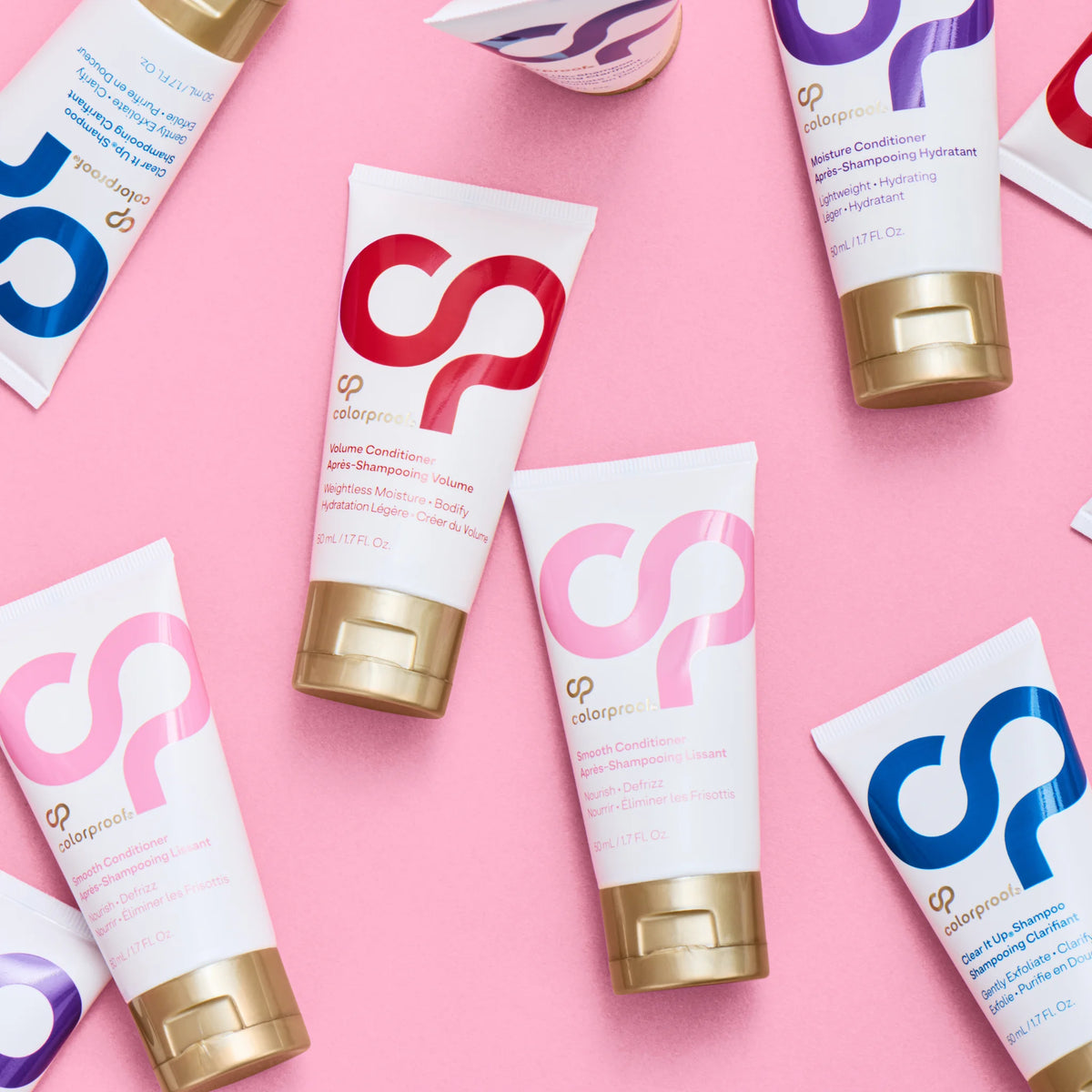
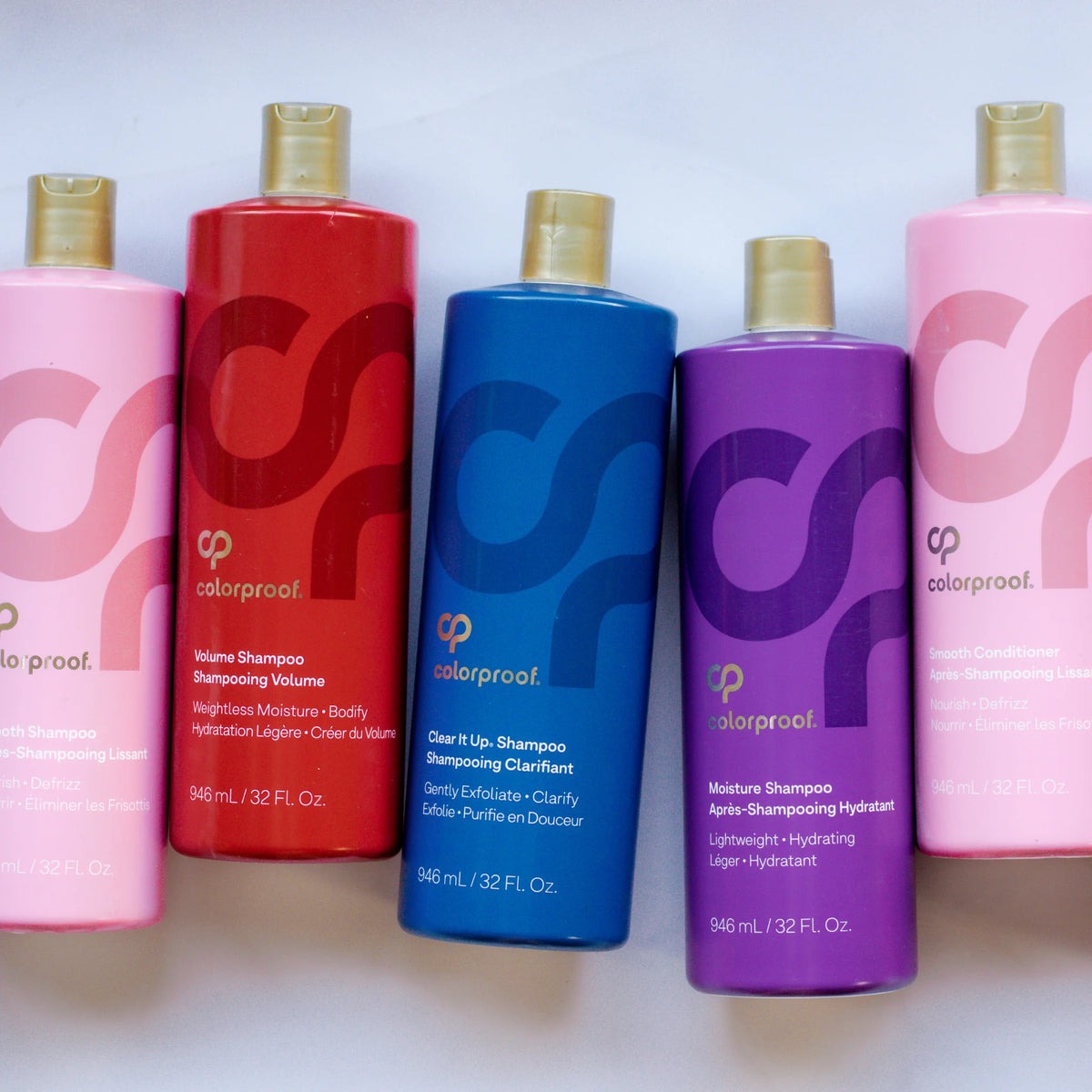
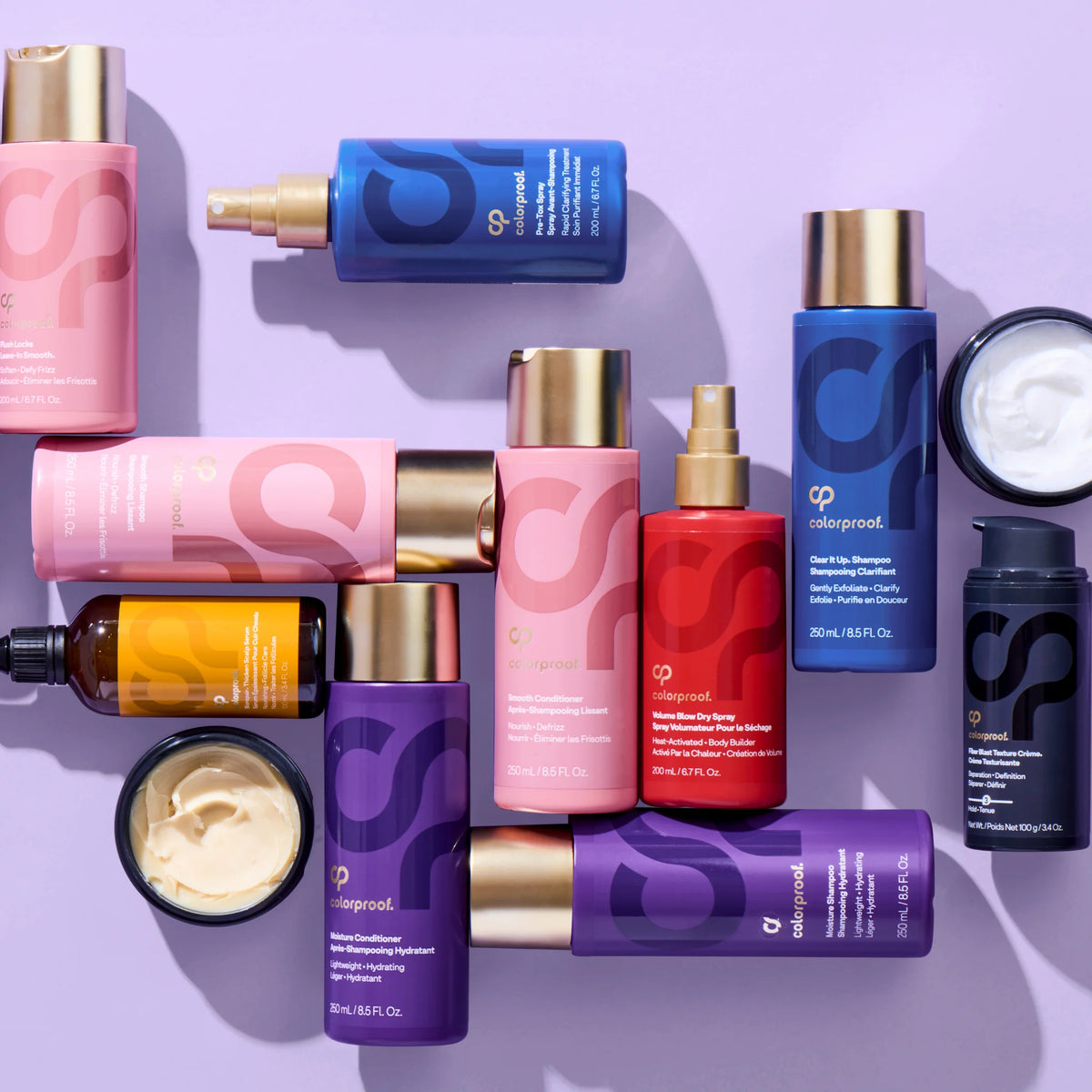
Use a sulfate-free, color-safe shampoo and conditioner every wash day. Strong cleansers can be too aggressive in summer, especially when hair is already stressed by heat, humidity, and outdoor exposure. The Smooth Conditioner can fit beautifully inside that gentler routine.
2. Wash Less Often
Try to stretch wash days to two or three times a week when possible. Every wash can loosen a little more color, so fewer washes often mean longer-lasting tone. This is one of the simplest answers to how to protect dyed hair from the sun without overcomplicating the rest of your routine.
3. Rinse With Cool Water
Hot water may feel luxurious, but it is not always kind to colored hair. Cooler water helps the hair feel smoother and look shinier, leaving the cuticle less disturbed than a steaming rinse.
4. Use A Leave-In Every Wash Day
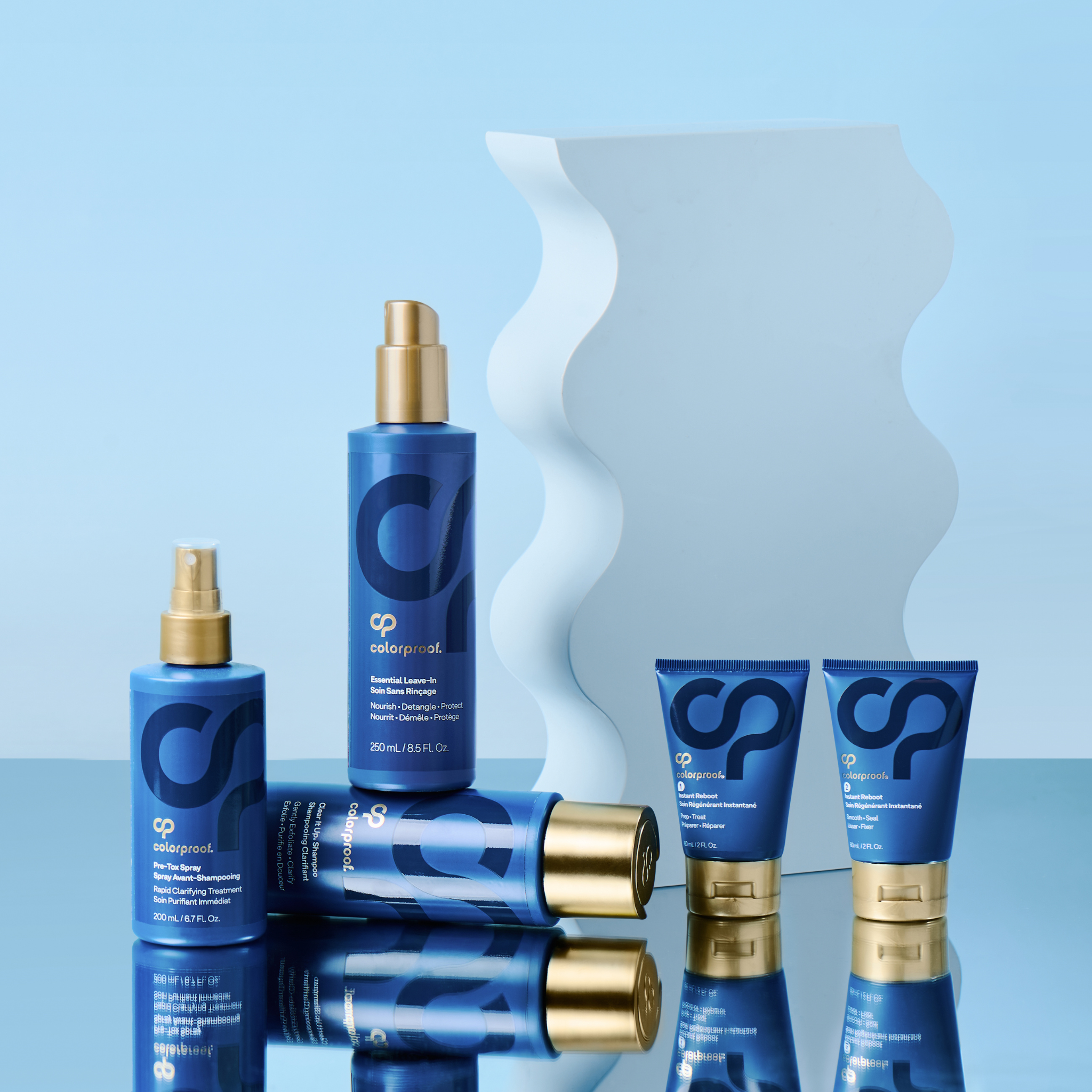
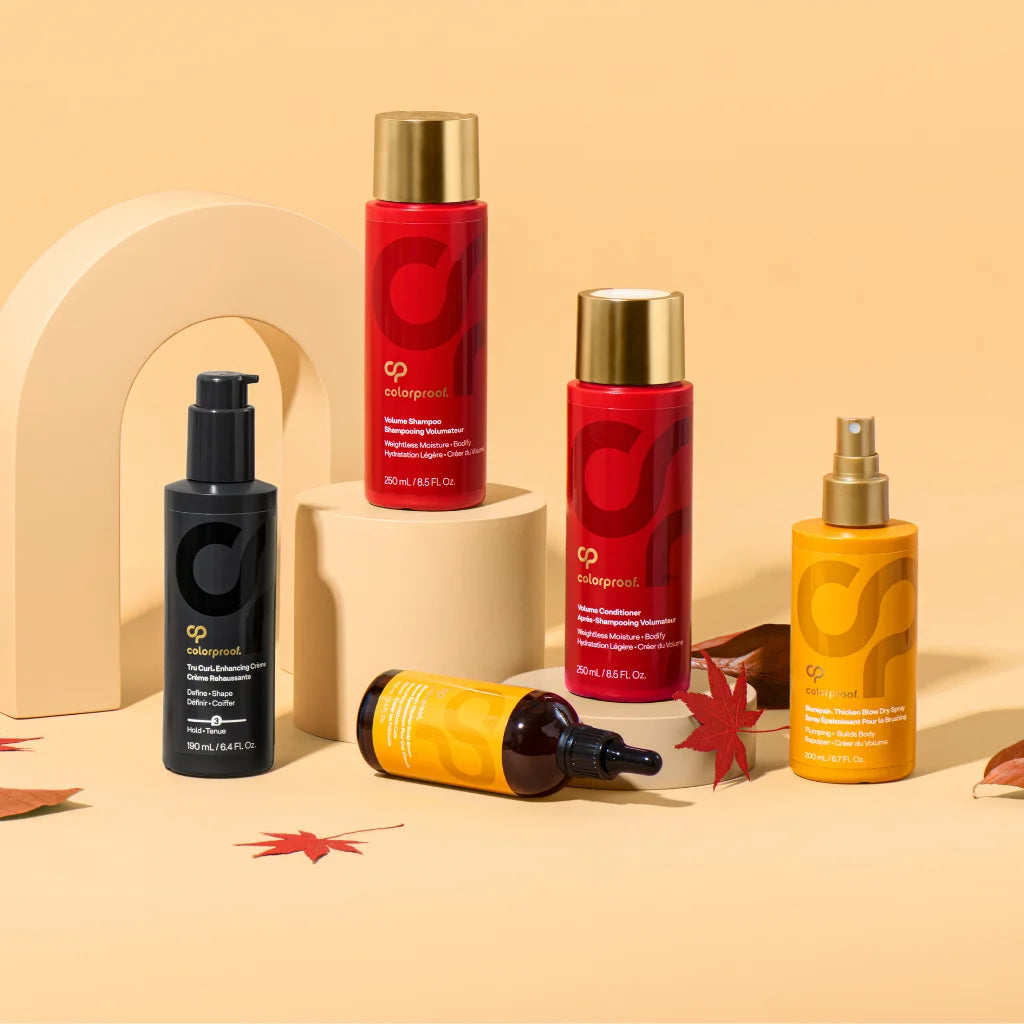
A leave-in treatment adds softness, slip, and an extra buffer between your hair and the day ahead. If you are searching for a daily step that feels quietly necessary, Essential Leave-In fits naturally into that role. It also supports the larger goal of finding the best sun protection for color-treated hair in a form you will actually remember to use.
5. Deep Condition Weekly
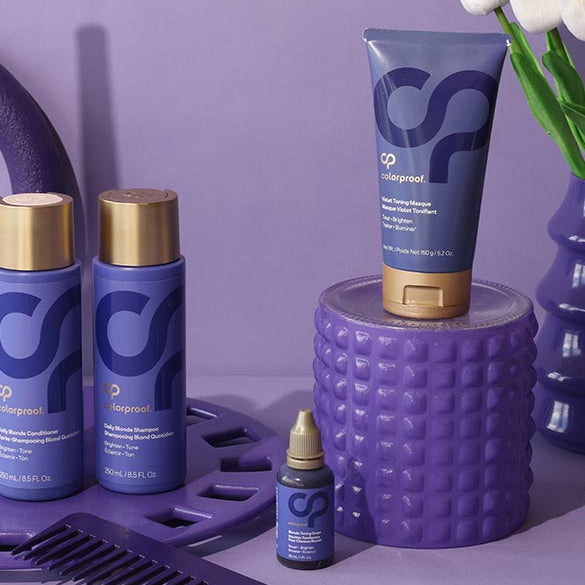
Color-treated hair often needs a weekly treatment in summer. A deep-conditioning masque helps replenish softness after sun, swimming, and warm air have taken their share. For lighter tones especially, Weekly Blonde Masque fits naturally into that restorative rhythm.
6. Clear Away Buildup Periodically
Minerals, sweat, styling residue, and environmental debris can leave hair looking duller than it really is. A periodic pre-clarifying or detox step can help reset the canvas so your color looks more awake.
7. Wet Hair Before Swimming
Before you enter the pool or ocean, soak your hair with fresh water first. A strand that is already saturated has less room to absorb what you do not want. It is a small habit, but it makes the idea of protecting hair color from the sun and from summer water feel much more practical.
8. Use UV And Heat Protection
Before hot tools or long sun exposure, apply a protective product. A good heat protectant for colored hair is not just for blow-dry days; it belongs in the wider summer conversation too, because both styling heat and seasonal heat can leave color more vulnerable.
9. Lock Out Humidity
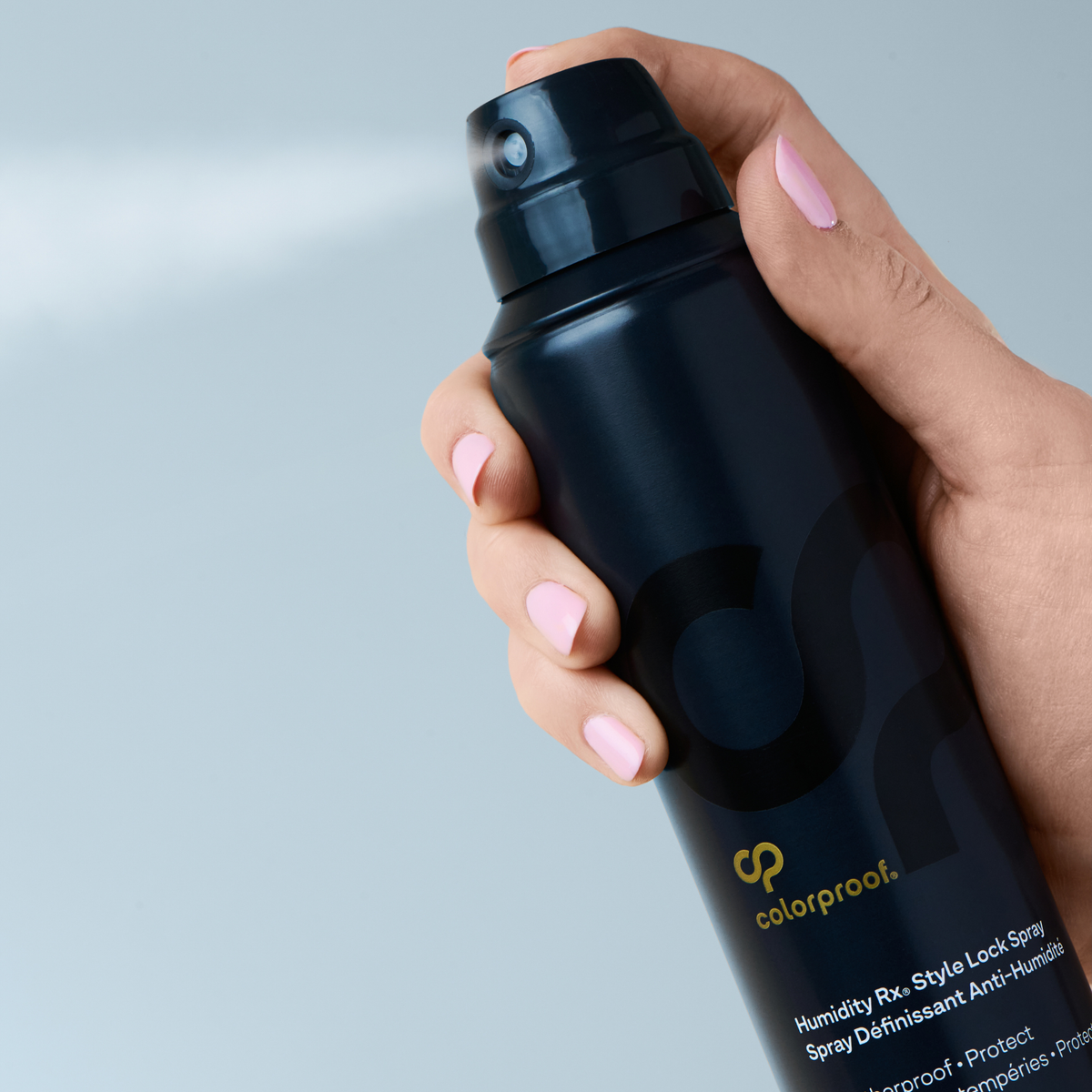
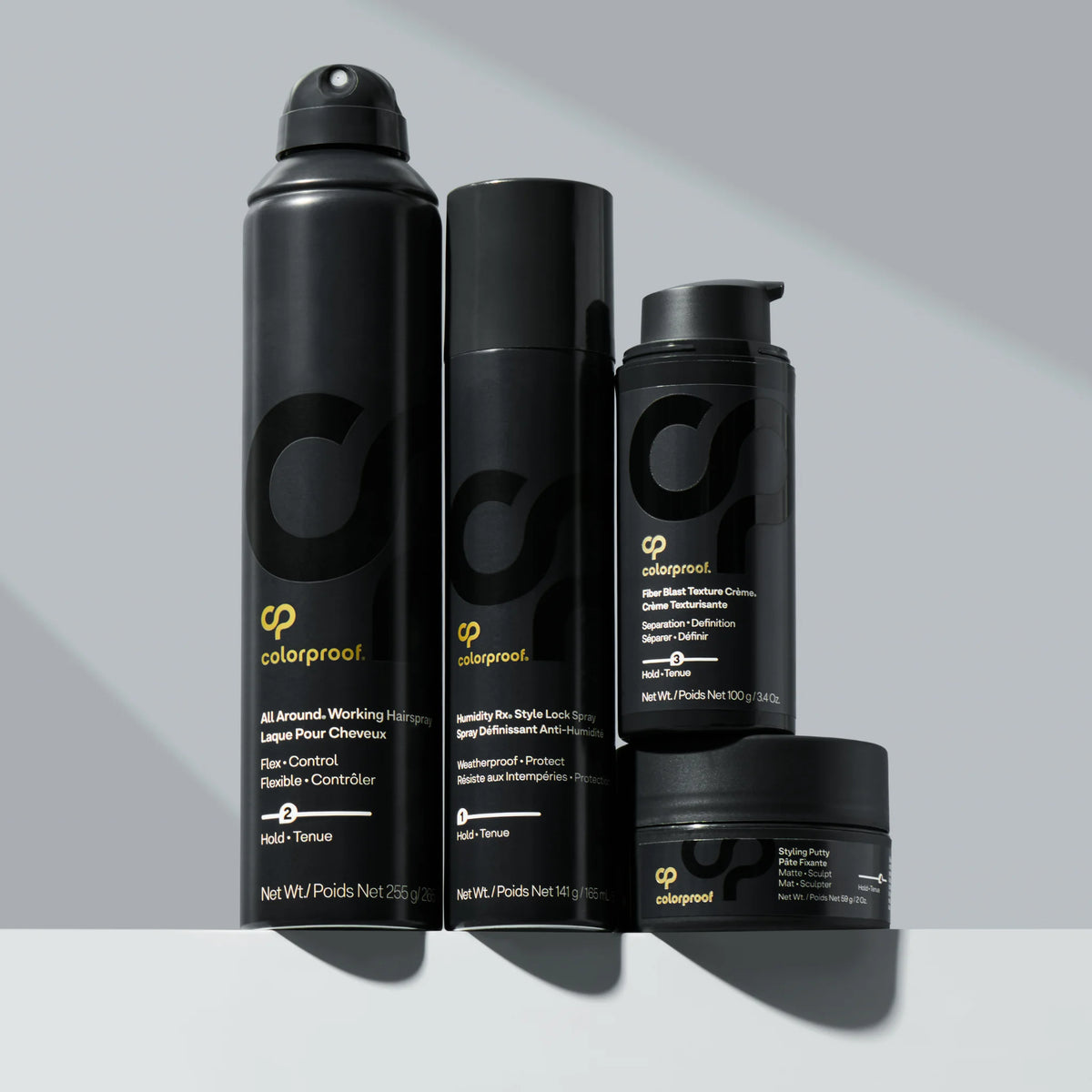
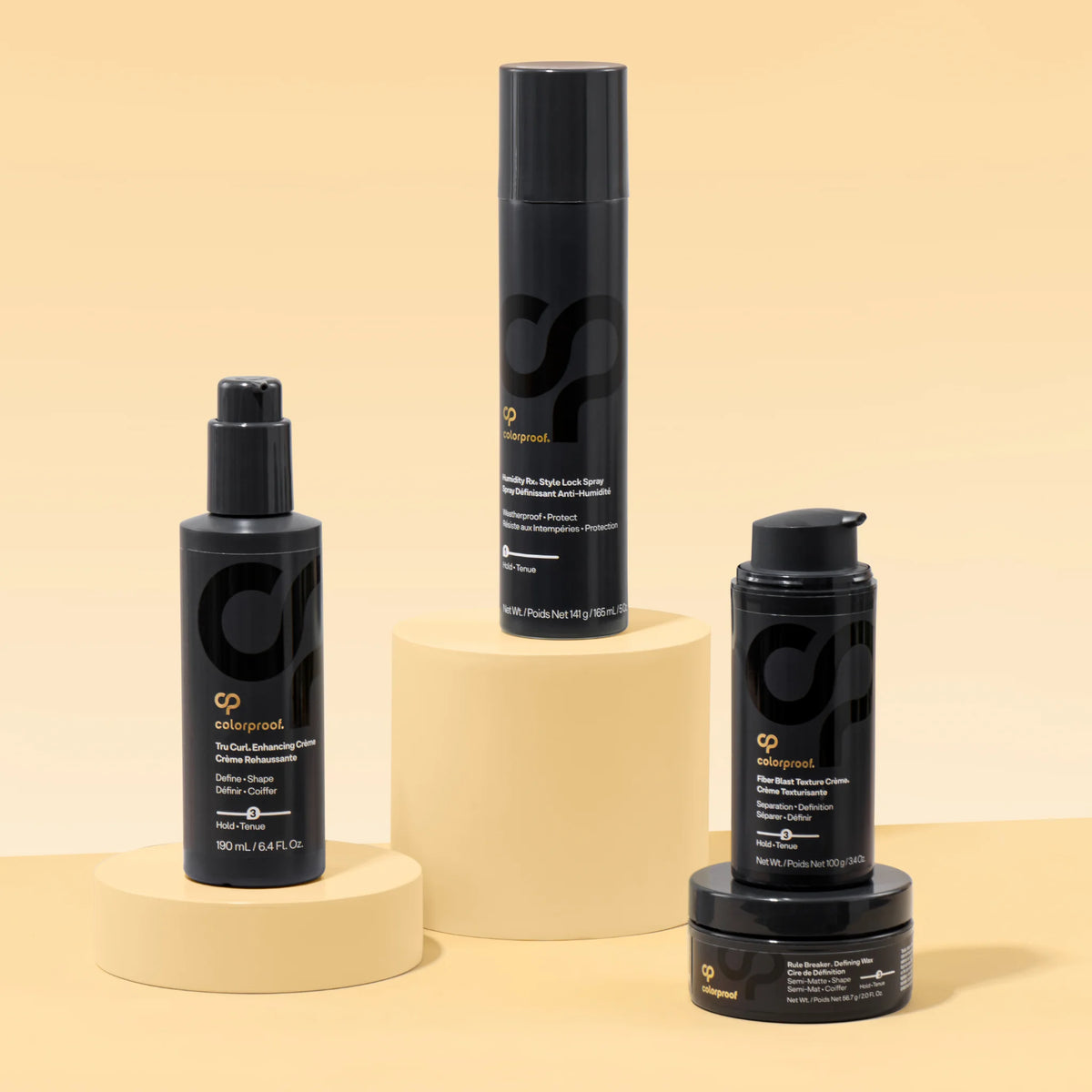
Humidity can make hair lose smoothness and increase frizz, which is why finishing products matter more in summer. If your style tends to collapse by noon, Humidity Rx Style Lock Spray is an easy finishing step to work into the season.
10. Wear A Hat Or Scarf
Sometimes the most elegant solution is also the simplest. A lightweight hat or scarf during peak sun hours gives physical coverage, often the most reliable way of protecting dyed hair from the sun when the light is at its harshest.
How to Protect Color at the Pool and Beach
Pool and beach days ask for a little foresight. Start by soaking the hair with clean water, then smooth on a leave-in barrier before swimming.
- Afterwards, rinse again as soon as you can so chlorine, salt, and sand do not linger longer than necessary.
- For blondes, lightened brunettes, and vivid shades, this matters even more. These tones often show stress faster, whether through dryness, dullness, or tonal change.
- If the hair feels coated after swimming, a clarifying step such as Clear It Up Shampoo can be used purposefully rather than constantly.
Building Your Summer Color-Care Routine
A summer routine should feel easy enough to repeat. On wash days, use a color-safe shampoo and conditioner, follow with a leave-in, and style with protection in mind. On non-wash days, focus on shielding the hair from midday sun, minimizing heat, and refreshing gently rather than reworking everything.
Weekly, add one deeper treatment and one buildup-reset step only if needed. That is usually enough to protect dyed hair from the sun without turning your bathroom into a laboratory.
The Difference Between Summer Hair Care and Regular Hair Care for Color-Treated Hair
What works beautifully in October may not be enough in July. Summer compresses more stress into fewer weeks, which is why seasonal adjustments are not fussy; they are necessary.
| Hair care factor | Regular routine | Summer routine |
|---|---|---|
| UV exposure | Usually moderate and less constant | Higher and more frequent, so extra shielding matters |
| Swimming exposure | Occasional for many people | Often repeated, especially in pools and at the beach |
| Humidity | Variable | More persistent, with more frizz risk |
| Heat styling impact | Mostly limited to tools | Combined with weather, heat and sun exposure |
| Moisture loss | More manageable | Faster, especially for processed hair |
| Product needs | Steady maintenance | Added emphasis on UV care, hydration, and humidity control |
This is why the best sun protection for color-treated hair is not just one miracle product. It is a seasonal shift in how you treat your hair day after day.
FAQs
1. How often should I wash color-treated hair in summer?
Two to three times a week is a good place to begin. The right balance is central to protecting dyed hair from the sun without over-cleansing.
2. Does sunscreen work on hair the same way it works on skin?
Hair does not use SPF in the same way skin does. Protective sprays, leave-ins, and physical barriers can help reduce exposure and dryness.
3. Can chlorine actually change my hair color?
It can certainly affect how your color looks and feels, especially if your hair is blonde, porous, or heavily processed.
4. What is the single most important product for color-treated hair in summer?
If you must choose one category, make it a protective leave-in or UV-aware daily shield. Essential Leave-In makes sense here because it fits easily into every wash day.
5. How do I refresh the color that's already faded from summer?
Start by removing buildup and reducing heat and sun exposure for a while. Clear It Up Shampoo can help when hair feels dulled by residue.
6. Is air drying better than blow drying for color-treated hair in summer?
Often, yes, especially if your hair already feels dry or overworked. Air drying reduces one layer of added heat, though it is still wise to use a heat protectant for colored hair any time you diffuse or style.