







It is a definite heartbreak to watch your lovely hair color lose its poetry too soon. One week, it glows like lacquered silk; the next, it feels thinner somehow, quieter, touched by color fading before you have even had the chance to fully inhabit it.
Most people blame time, weather, or bad luck. But the truer story often unfolds in the shower, in the bottles lined up like small rituals, and in the ingredients that touch your hair every day. That is why preserving your color is not only about what happens in the salon chair but also about the products you choose afterward to help stop hair color fading.
Why Your Products Matter as Much as Your Salon Visit
A salon visit may paint the masterpiece, but home care decides how long the canvas stays luminous.
- The Color Appointment Is Only The Opening Scene
The honest truth is often undersold: beautifully done color can slip away within weeks if daily products are too harsh. Shampoos, conditioners, sprays, and stylers stay with your hair far more often than your colorist does.
- After-care Products Are Part Of Your Investment
Product choice is not an afterthought; it is the continuation of the service itself. Strong detergents can pry open the cuticle, strip moisture, and make it harder to prevent hair color fade, which means your most expensive shade can unravel through ordinary habits rather than dramatic mistakes.
How Hair Products Actually Cause Color to Fade
To understand how to keep colored hair from fading, you first need to understand the small mechanics beneath the shine.
- The cuticle is a door, not a decoration: The hair cuticle behaves like a protective outer layer. When it stays smoother and more closed, pigment is held more securely; when it lifts too often, the strand becomes more porous and lets color escape more easily.
- Harsh cleansers wash more than dirt away: This is where color fading becomes less mysterious and more chemical. Sulfates such as SLS and SLES are used because they create a satisfying lather, but they can also strip away natural oils and cause color to fade faster than gentler cleansing systems.
Ingredients to Avoid in Shampoos and Conditioners If You Color Your Hair
Once you know the mechanics, the ingredient list begins to feel like a weather report for your shade. Some formulas protect the atmosphere of the hair; others quietly disturb it, inviting color fading long before its time.
| Ingredient category | Why it matters for dyed hair |
|---|---|
| Sulfates, especially SLS and SLES | They are among the most common causes of faster fade because they cleanse aggressively, strip oils, and can lift the cuticle while washing. |
| Sodium chloride | Adding salt can make color-treated hair drier and may accelerate pigment loss, especially on already processed strands. |
| Drying alcohols | Fast-evaporating alcohols can take moisture with them, leaving the fiber more prone to dullness and premature fade. |
| Parabens | Many clean-color guides flag parabens as ingredients worth avoiding in color routines because of their long-term degradation concerns and broader ingredient sensitivity debates. |
- The Worst Offenders
Sulfates are usually the first thing to watch. They create that rich foam many people associate with "clean," yet for dyed hair, that same force can become the beginning of hair color fade, especially when repeated wash after wash.
- The Quietly Drying Ones
Sodium chloride and drying alcohols are less dramatic on the label, but they can still leave color-treated hair thirstier than it should be. When the strand dries out, shine dulls, softness roughens, and the cuticle no longer keeps its secrets as well.
- The Coating And Heat Concerns
Mineral oil is often avoided in color routines because heavy coating can leave the hair feeling sealed off rather than nourished, and buildup may interfere with toning or treatment steps. Keratin formulas deserve a second look, too, because some heat-activated systems can shift tone in delicate color work.
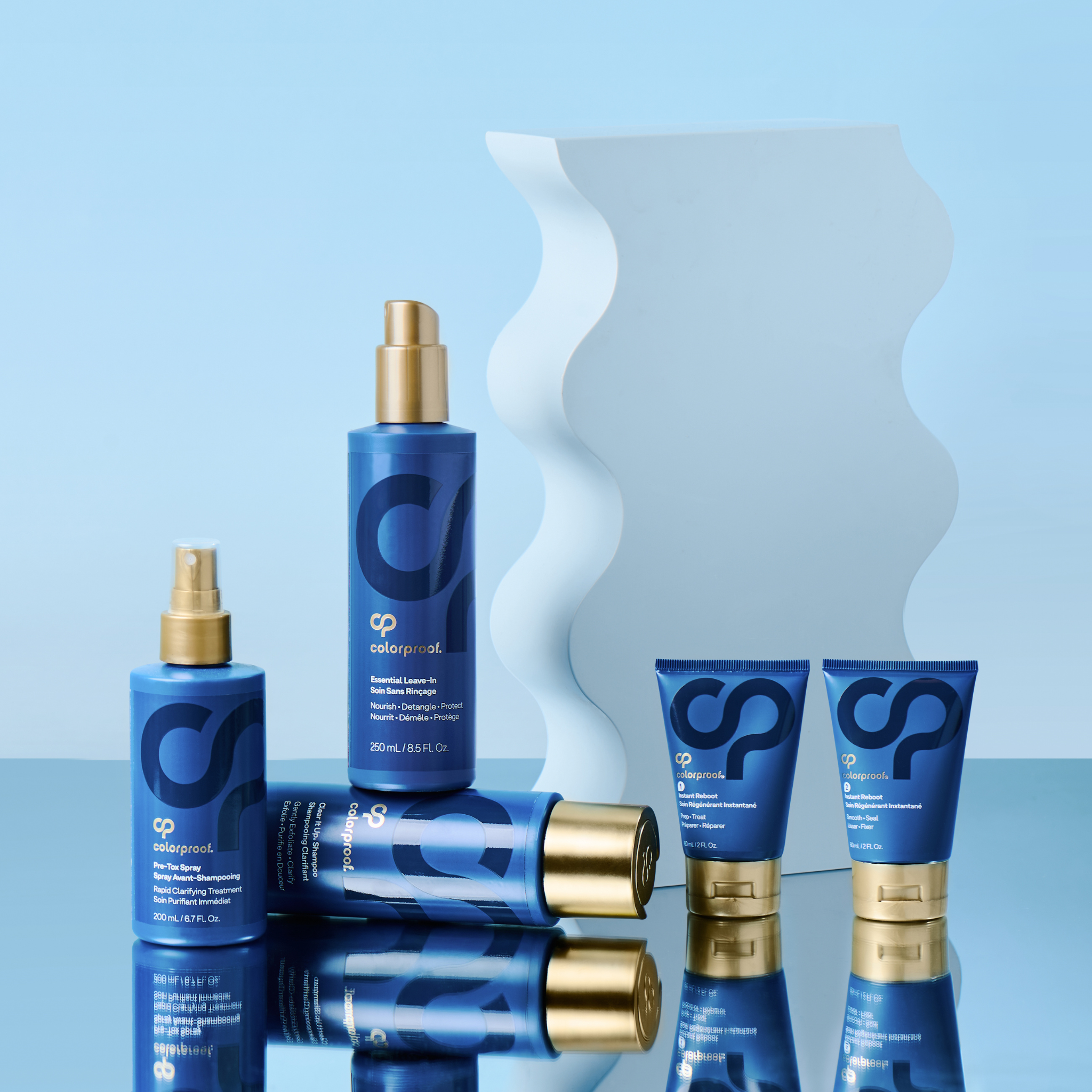
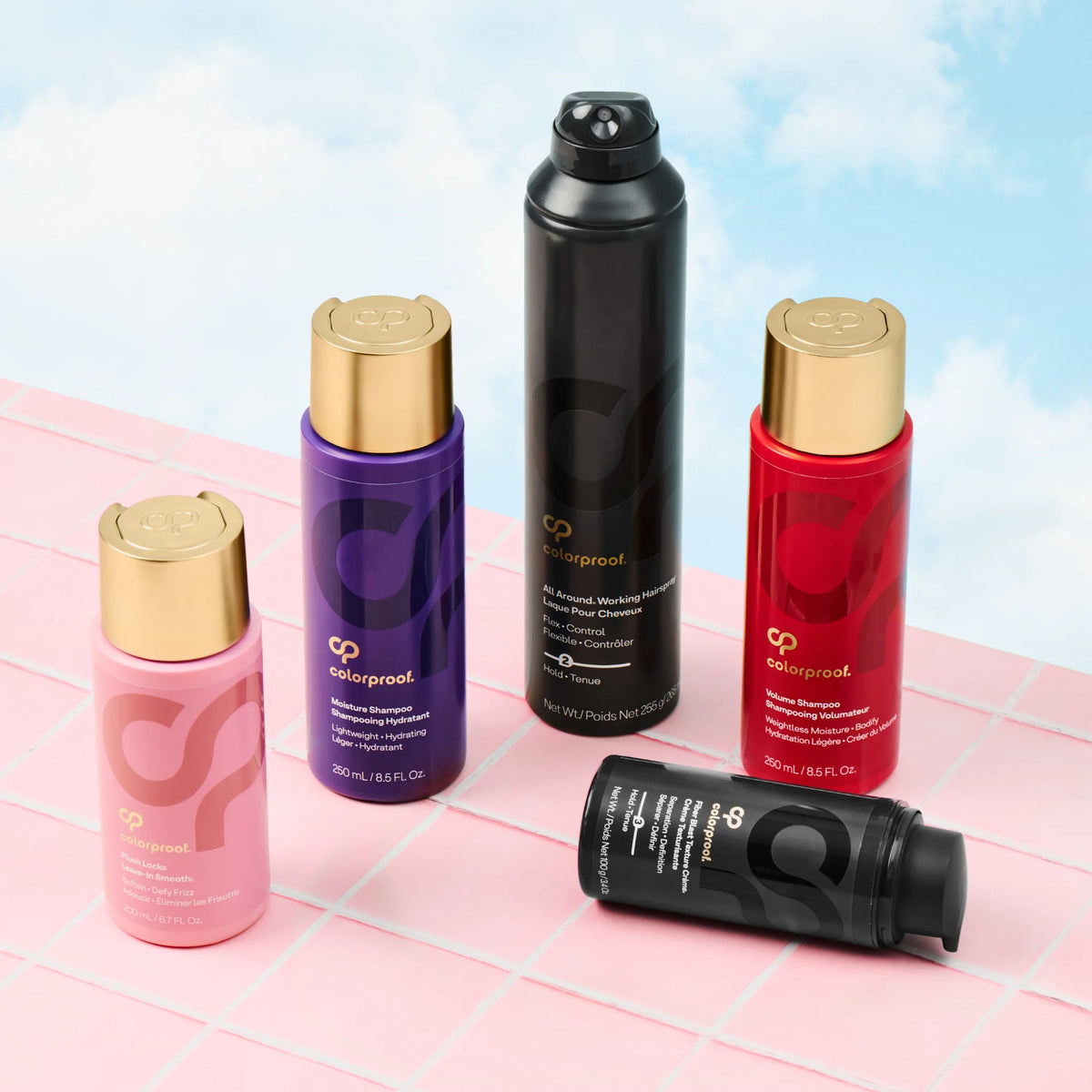
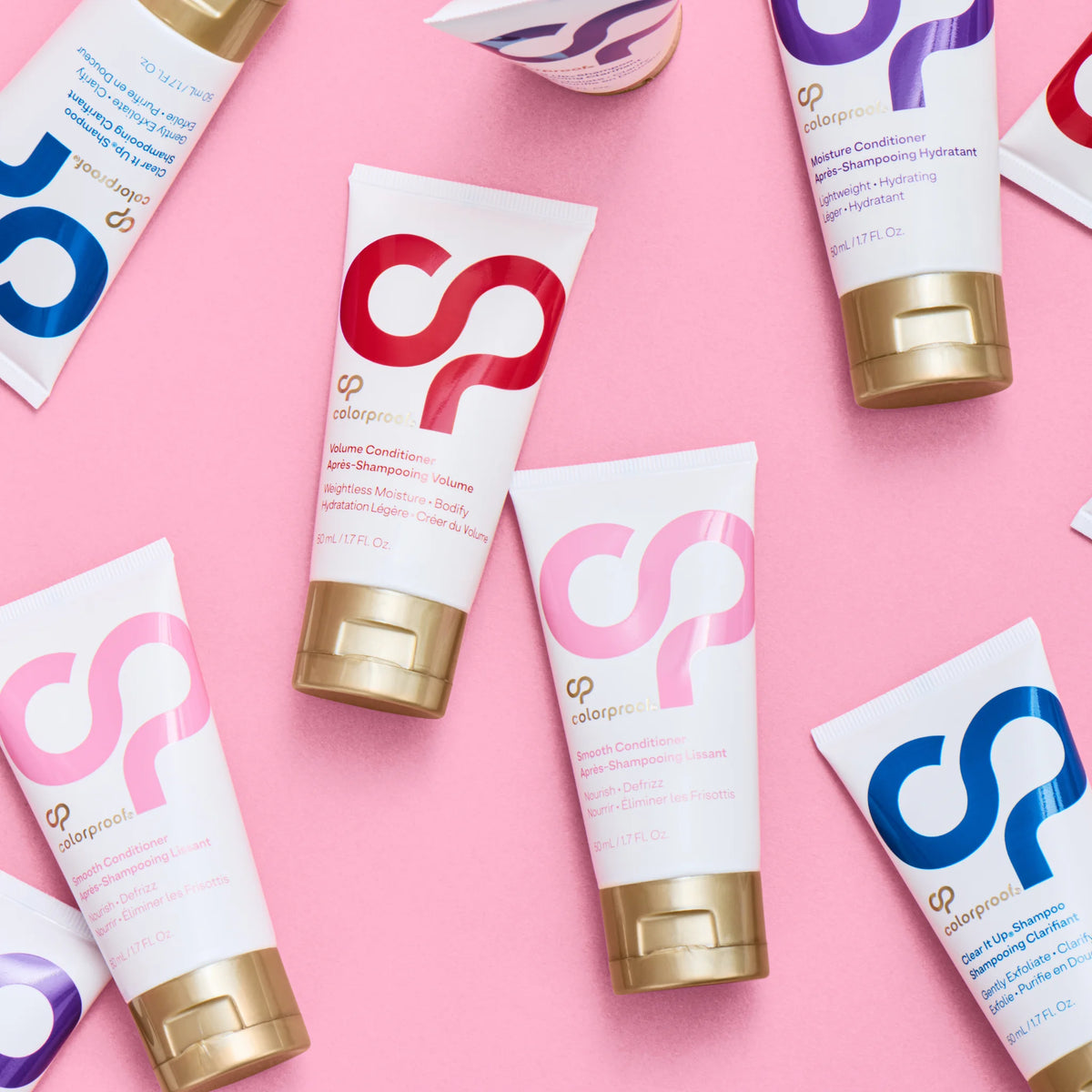
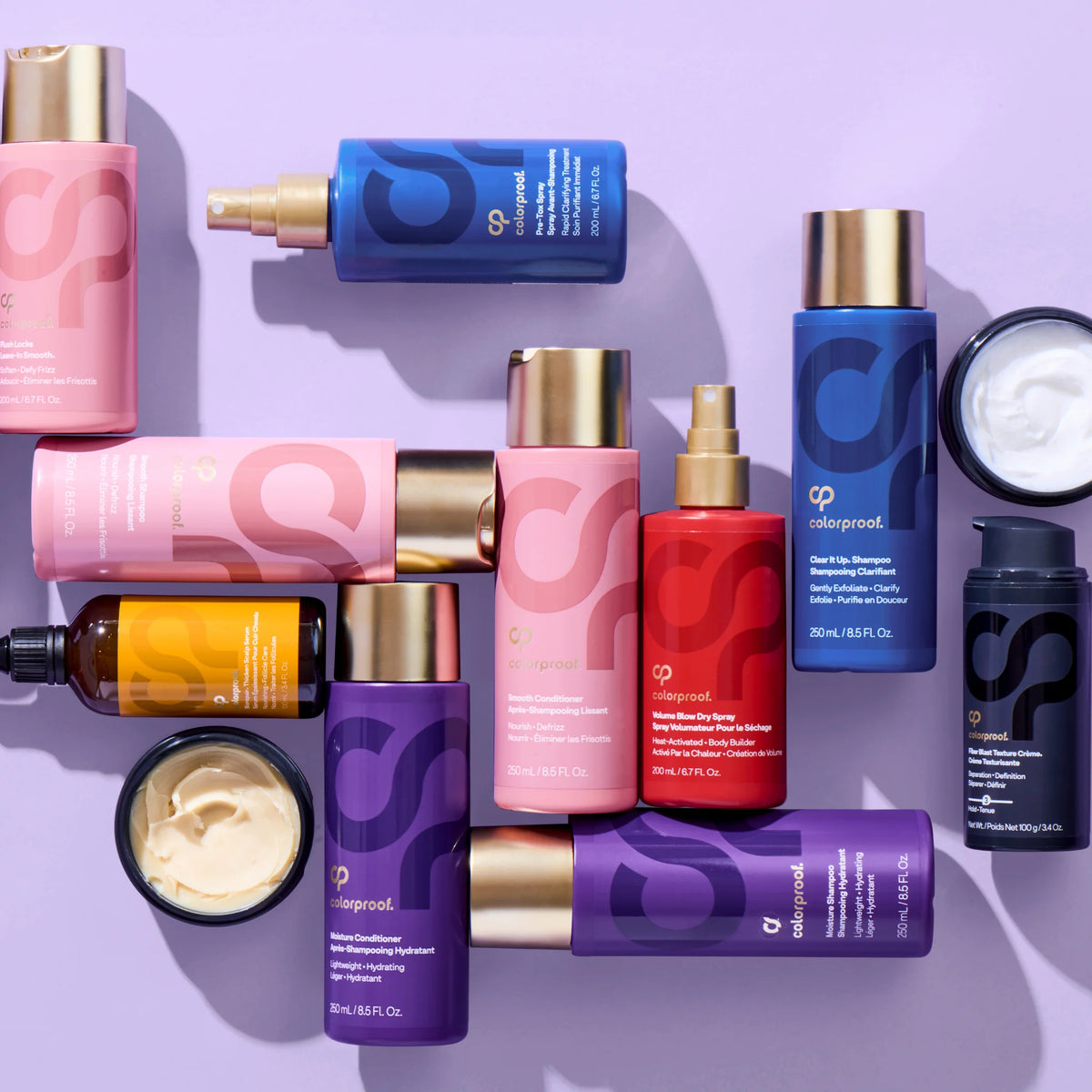
For occasional detox without the usual harshness, Clear It Up Shampoo is offered as a gentle, non-stripping clarifier that is sulfate-free, salt-free, and designed to help prolong the vibrancy of color.
Ingredients to Look For That Protect and Preserve Color
Not every label is a warning. Some formulas feel almost like a form of shelter, giving the strand what it truly needs to stay sealed, supple, and less vulnerable to color fading.
Proteins and Antioxidants
- Plant proteins such as amaranth, pea protein, and quinoa can help patch the tiny weaknesses in the hair surface, making the strand feel less porous.
- Antioxidants like vitamins C and E, along with sunflower seed extract, add another kind of defense, helping guard against the environmental stress that can make fresh color look older than it is.
Humectants and Barrier Builders
- Panthenol and hyaluronic acid are valuable because hydrated hair tends to behave more calmly. When moisture stays locked inside the strand, the cuticle remains smoother, helping keep hair color from fading less quickly.
- Ceramides also matter here, since they reinforce the outer structure that chemical services often leave more fragile.
The Better Kind of Oil
- Natural oils such as argan, jojoba, baobab, and rose oil can be beautiful allies when applied lightly. They do not need to smother the strand to be useful; they simply help smooth the surface, soften friction, and keep the hair feeling less exposed.
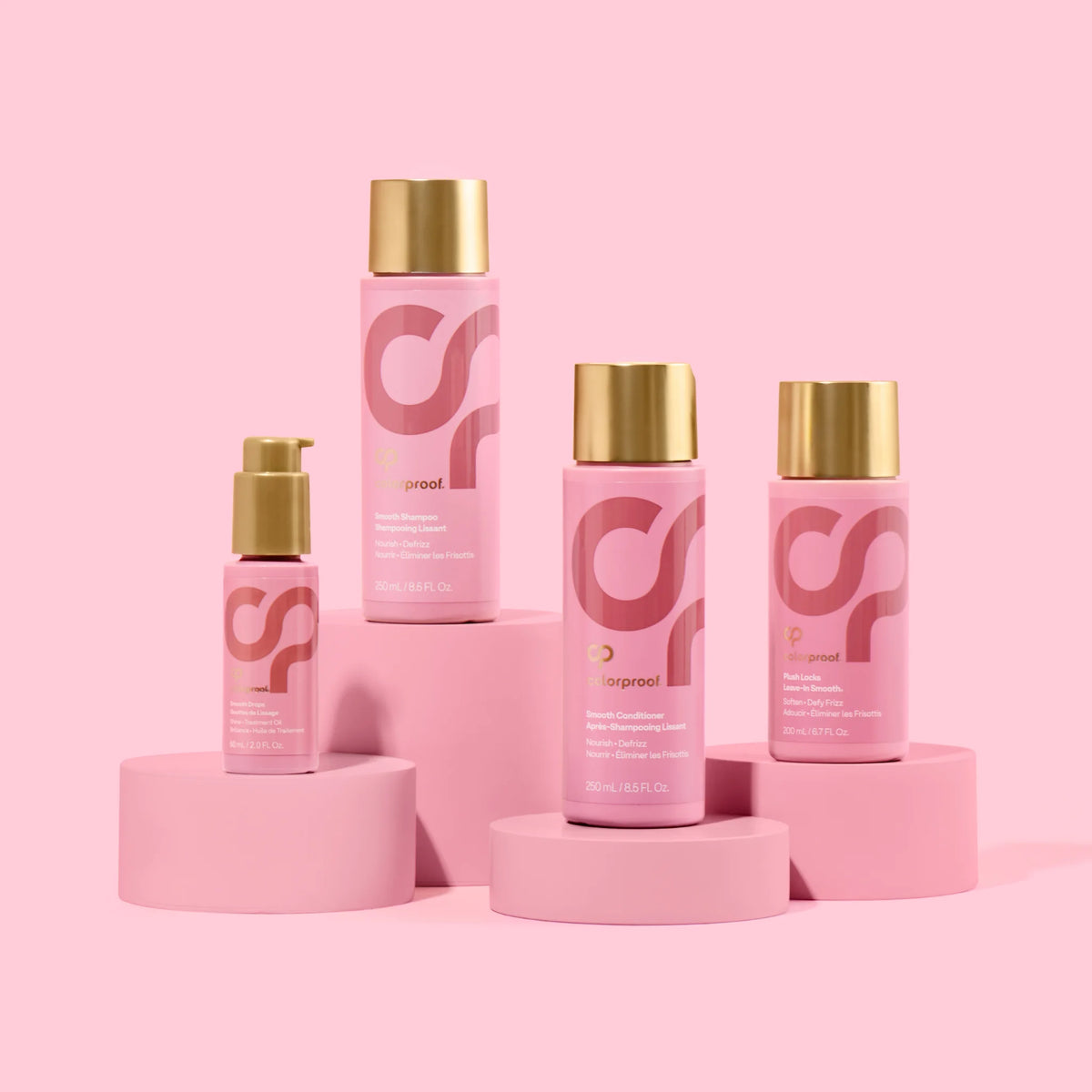
- After washing, a softening finisher such as Plush Locks Leave-In Smooth can come in that protective daily step as a quiet veil between your color and the world.
How to Read a Label: What "Color-Safe" Actually Means
The phrase "color-safe" sounds reassuring, but it is not a tightly regulated promise on its own.
- A bottle may use that language and still include sulfates or added salt, so anyone wondering how to prevent hair color from fading should read beyond the front label and look for explicit sulfate-free claims, scan the first few ingredients, and watch carefully for sodium chloride.
- The most useful labels also tell you what they leave out, such as SLS, SLES, parabens, mineral oil, or added salt.
Beyond Shampoo: Other Products That Quietly Fade Your Color
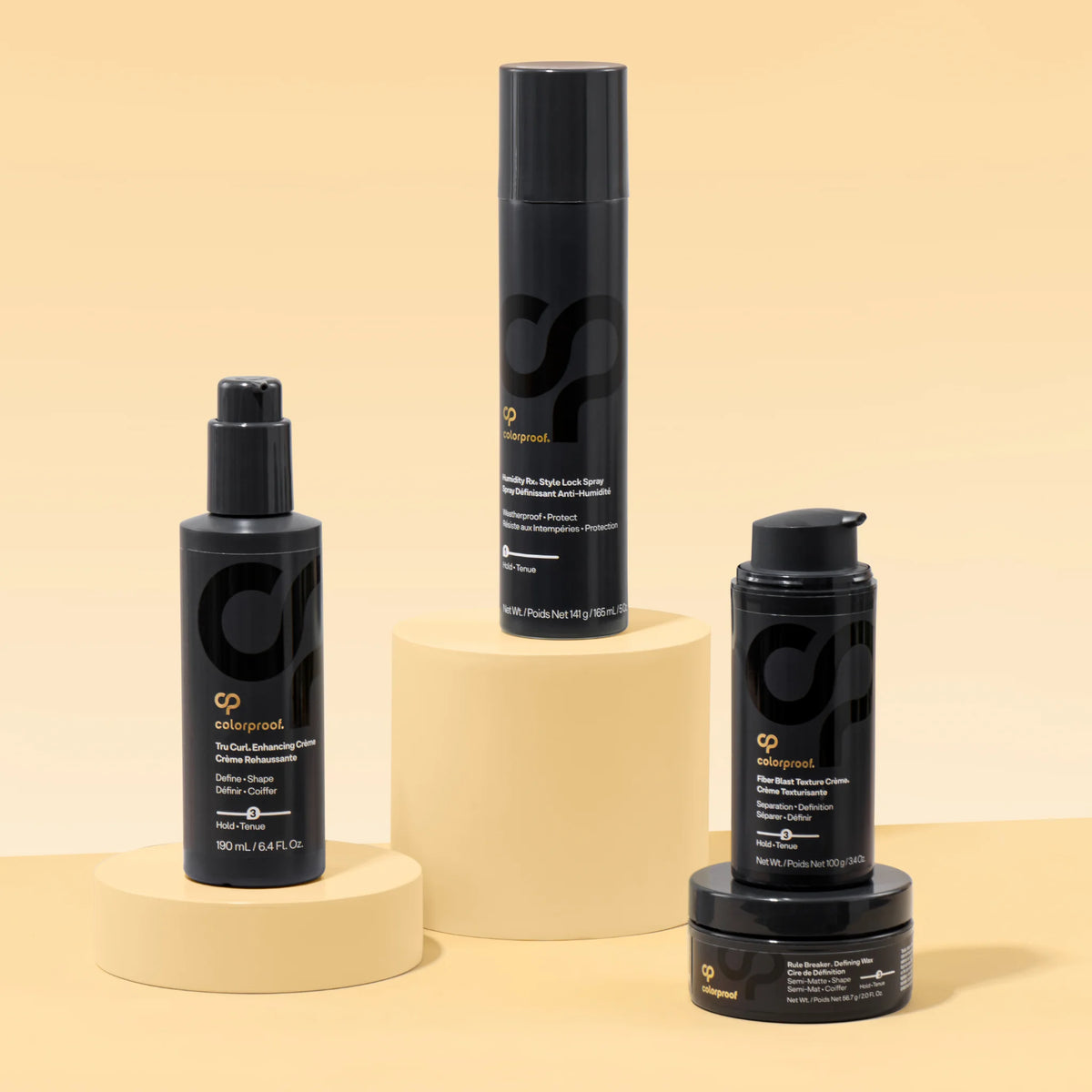
Shampoo gets most of the blame, but the supporting cast matters too. Styling products, heat protectants, dry shampoo, and clarifiers can all contribute to color fading when they are used carelessly or too often.
Stylers and Heat Products
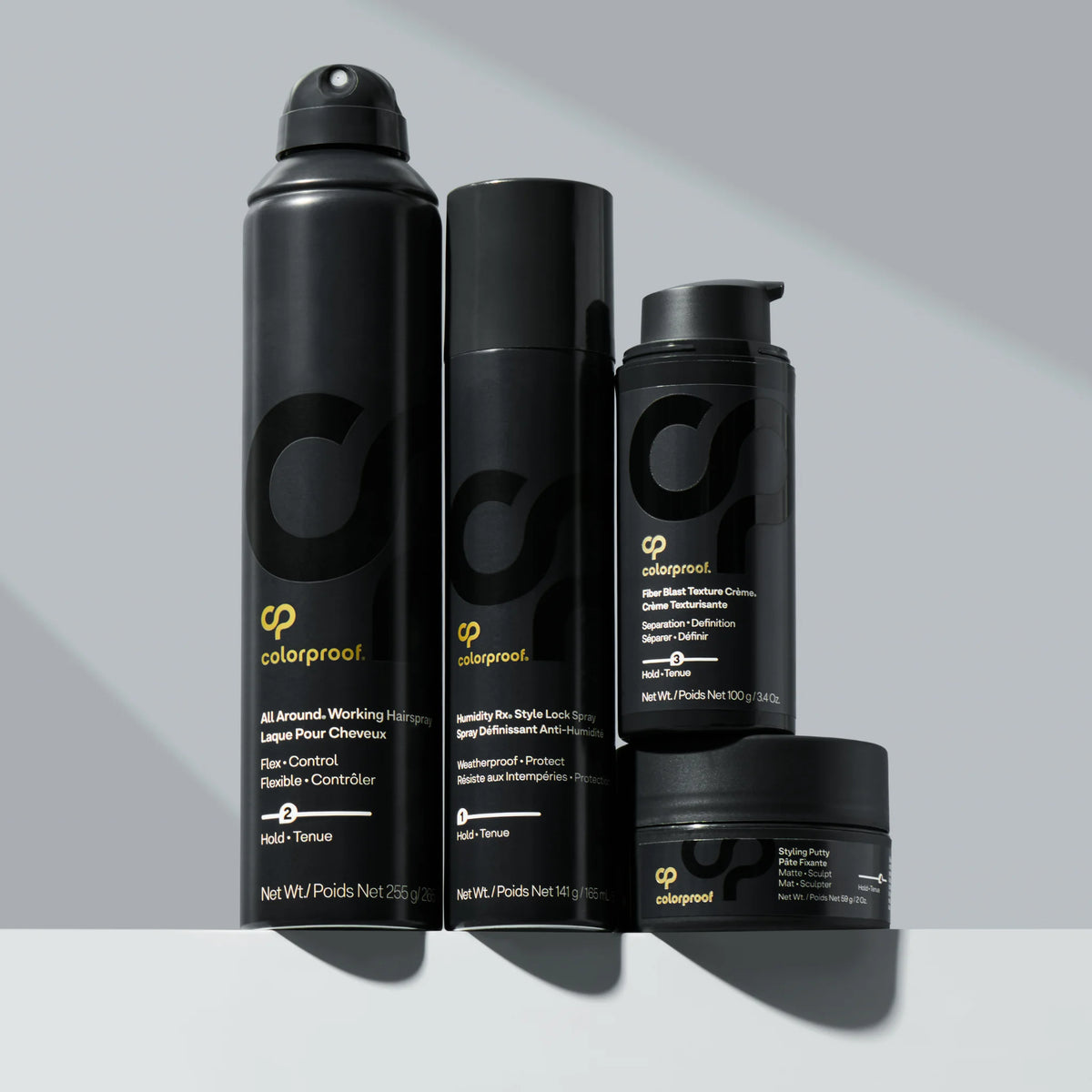
Many volumizing sprays, gels, and texturizers rely on drying alcohols, which can leave hair less supple over time. Heavy silicones can also build a film that makes color look dull, even when the shade itself has not fully disappeared.
Dry Shampoo and Clarifying Habits
Dry shampoo has its place, but overuse can make the hair feel coated, trapping dullness and making toning steps less effective. Clarifying shampoo is not the villain either; it simply needs the right application.
- The Clear It Up Shampoo is a gentle detox option for removing buildup while helping prolong color vibrancy, which makes it better suited to periodic use than harsh, old-fashioned stripping cleansers.
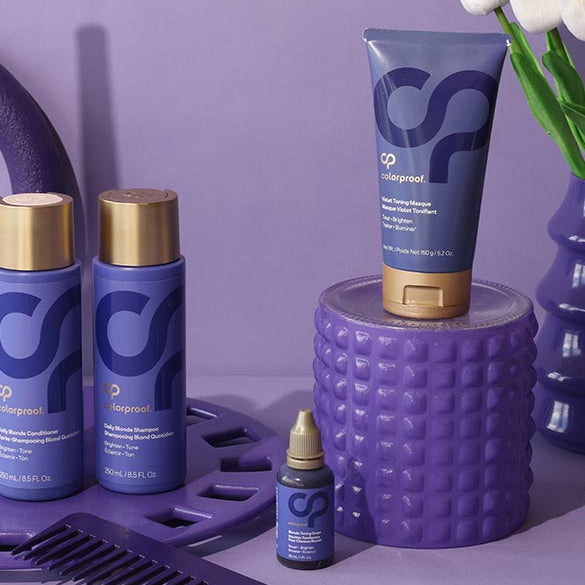
- When blondes or highlighted brunettes need a weekly tone check rather than a daily correction, Blonde Toning Drops can belong to that lighter ritual instead of turning every wash into an overhaul.
Building a Complete Color-Safe Product Routine
The best routines feel less like punishment and more like rhythm. If you are serious about color fading, build your week around layers of protection rather than rescue.
| Routine step | What to use | Why it helps |
|---|---|---|
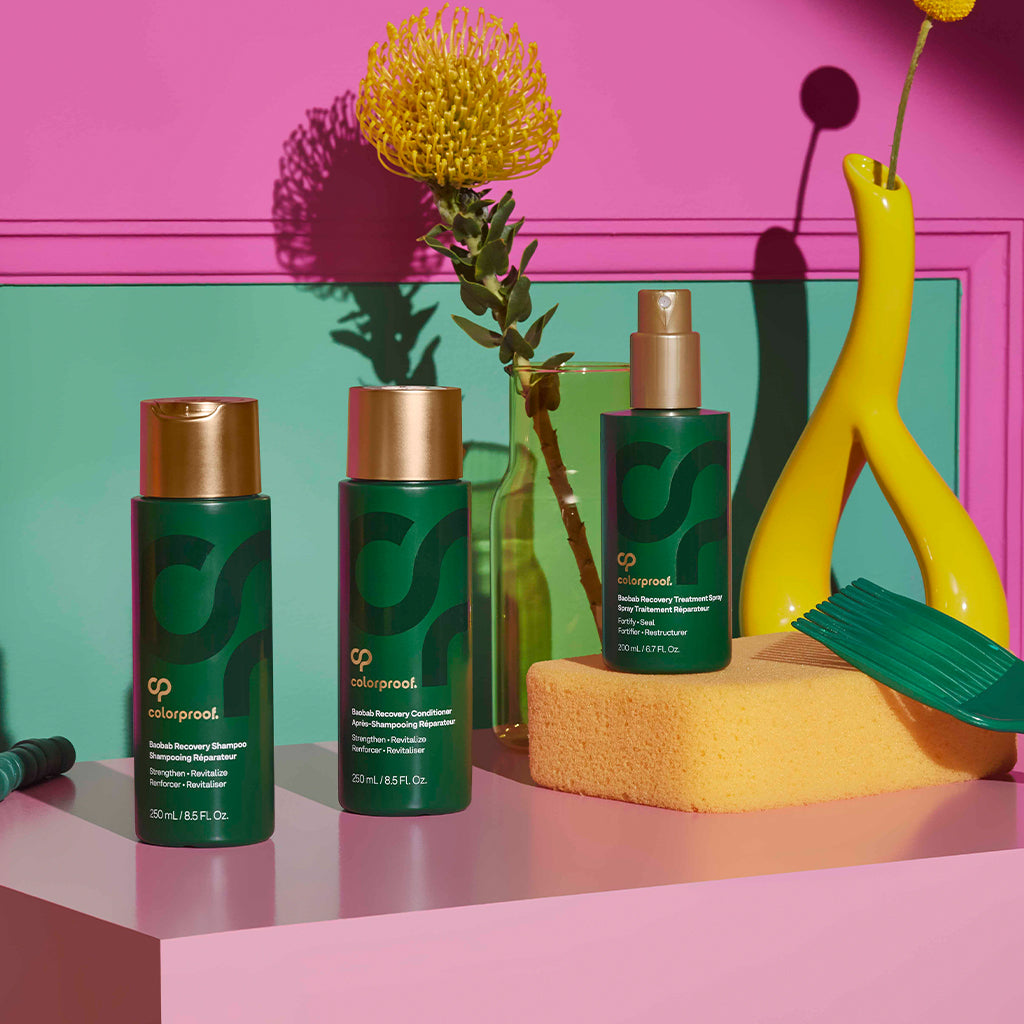
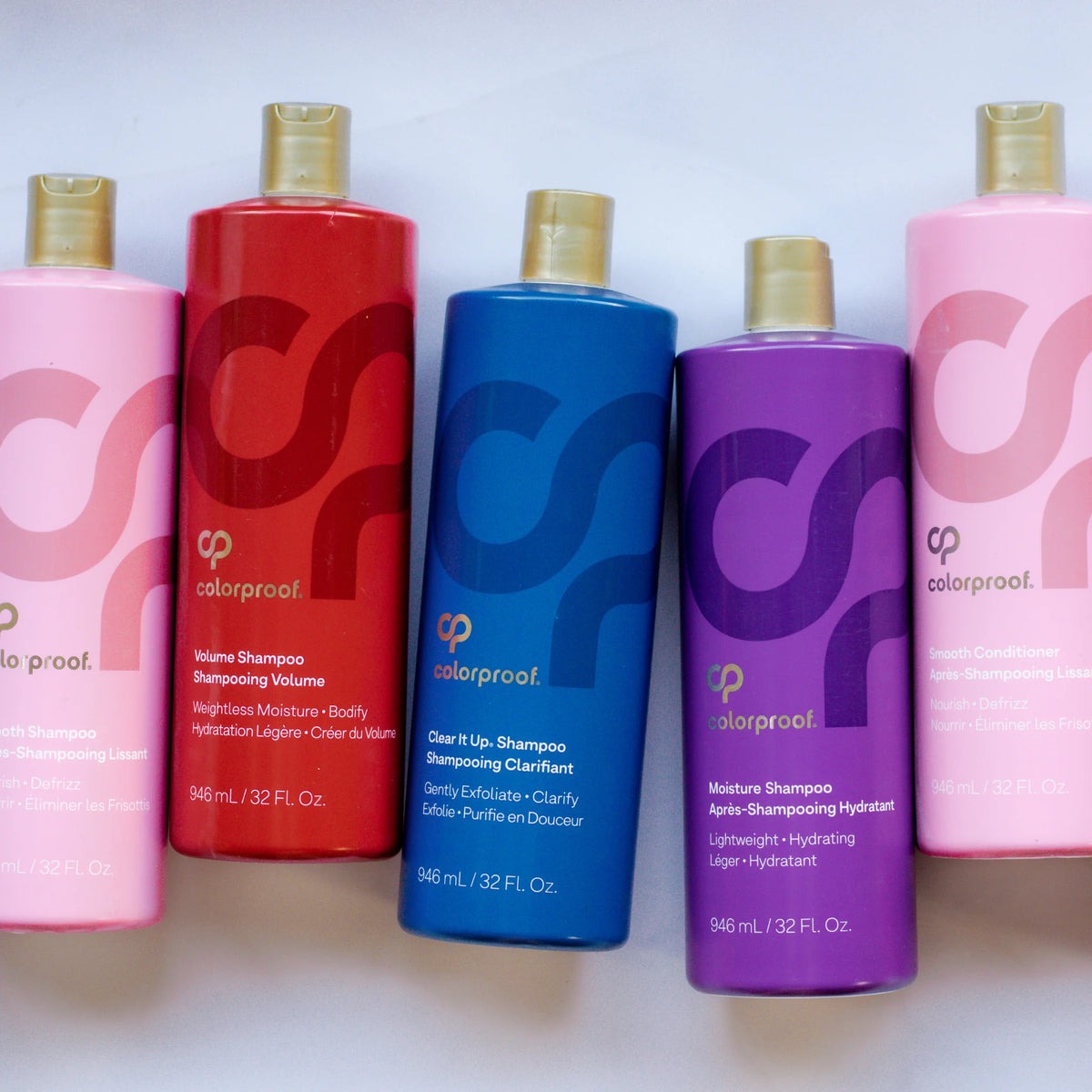
| Every wash day | Use a sulfate-free shampoo and conditioner. The Baobab Recovery Shampoo can be a good option, as it is sulfate-free, salt-free, and color-protective. | Gentle cleansing preserves moisture and reduces unnecessary pigment loss. |
| Once a week | A deeper treatment or toning step, Weekly Blonde Masque can be used here for lighter shades that need tone support. | Weekly correction is steadier than harsh daily intervention. |
| After every wash | A leave-in shield; Plush Locks Leave-In Smooth suits the protective, smoothing category. | Daily slip and surface protection helps reduce friction, dryness, and exposure. |
| Periodically | A purposeful detox; Clear It Up Shampoo is a non-stripping clarifier that helps with buildup while supporting color longevity. | Buildup removal works best when it is strategic, not constant. |
FAQs
A few questions always linger after the label-reading begins, and they should.
1. Does sulfate-free shampoo really make a difference for hair color?
Yes, often significantly. Sulfate-based shampoos are repeatedly associated with faster pigment loss, while sulfate-free formulas are generally gentler on color-treated hair. If you are wondering about color fading versus true product failure, this is usually the first place to look.
2. Can conditioner fade hair color?
A good conditioner usually helps more than it harms. The problems tend to come from formulas that leave too much residue, do not match your hair type, or sit alongside harsh cleansers that already compromise the cuticle.
3. What ingredients should I specifically look for in a color-safe shampoo?
Look first for an explicit sulfate-free claim, then check for no added salt if possible, and scan the first several ingredients for red flags like SLS, SLES, or sodium chloride. After that, seek proteins, antioxidants, humectants, and cuticle-supportive ingredients.
4. Is dry shampoo bad for color-treated hair?
Not inherently, but overuse can create buildup and make the hair feel stale rather than bright. That matters because buildup can make the tone look off, even before the pigment is truly gone. Use it lightly, and reset with intention rather than panic.
5. How do I know if a product is actually color-safe or just claims to be?
Do not trust the front label alone. Read the back, check the first few ingredients, and treat "free from" claims as useful clues rather than decoration. If buildup is muddying the picture, a periodic reset step such as Pre-Tox Spray can make the rest of your routine work more cleanly.
6. Do styling products affect hair color or just shampoo?
Styling products absolutely matter. Drying alcohols can leave the strand thirstier, and repeated dryness makes color fading more likely over time. So yes, shampoo may open the story, but styling products can keep writing it.