










Hair color is more than a "fashion statement"; it is atmosphere, mood, and memory brushed into every strand. It is the soft language of reinvention, the hush of becoming, the quiet architecture of how you want to be seen. Yet before the gloss catches the light, before the foils are folded like silver promises, before the mirror returns that first radiant turn of your head, there is another ritual unfolding in the background: the tender, often overlooked art of preparing the hair itself.
Preparation matters. It is the small devotion that allows the color not just to touch the hair, but to settle into it with grace, depth, and staying power. Here's a quick guide to preparing your hair for longer-lasting color.
Why Pre-Color Preparation Actually Matters
Color responds best to hair that is clean, hydrated, and structurally calm. When the cuticle lies smoother, pigment can settle more evenly; when the strand is parched or overly porous, it drinks color in erratic ways, then lets it slip away just as fast. That is the science beneath the silk.
This is why answering 'How to prepare hair for color?' matters so much. Buildup can block absorption, damage can create patchiness, and dry ends can grab tone unevenly. It is the step colorists quietly wish more clients would treat as part of the service, not an afterthought.
What Causes Color to Look Uneven or Fade Faster From the Start
Before the first formula touches your hair, several small things can already tilt the result. If you want to understand how to prep hair before coloring, start with what gets in the way.
| What goes wrong | Why does it affect the result |
|---|---|
| Product and mineral buildup | Creates a barrier that blocks even color absorption |
| Damaged or over-porous hair | Pulls in pigment inconsistently and fades faster |
| Freshly stripped natural oils | Leaves the scalp less protected and more reactive |
| Silicone and oil coating | Prevents color from settling evenly on the shaft |
| Dry shampoo and heavy stylers | Overload the hair and interfere with clean processing |
How to Prepare Your Hair Before Coloring: Step-by-Step
The ritual is simple, but it works best when done in sequence. Think of preparing hair for color as building the right canvas before the paint ever arrives.
1-2 Weeks Before
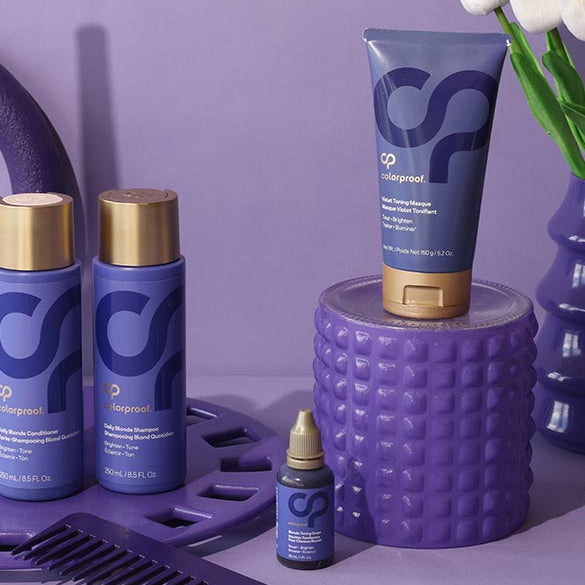
Begin with moisture. A deep-conditioning treatment helps smooth the cuticle, allowing color to process with more grace and less unevenness. If your hair feels lightened, fragile, or thirsty, a masque like Weekly Blonde Masque can be a lovely pre-appointment gesture, even if your final shade is not blonde at all.
3-5 Days Before
This is the moment to remove what does not belong there. Hard water minerals, styling residue, and old product film can all cloud the surface and block even saturation. A good detox step a few days ahead gives the color a clearer path without leaving the hair freshly scrubbed and vulnerable.
2-3 Days Before
Then stop washing. Let your natural oils gather back at the scalp, where they act like a soft protective veil against irritation. Avoid heavy masks, oils, silicone-rich stylers, and hot tools these days. Too much heat can roughen porosity, and too much coating can disturb the preparation in the final stretch.
Day Of
Choose dry, detangled, product-free hair. No leave-ins, no serums, no root sprays, no dry shampoo pretending to be invisible. The hair should feel like itself, clean enough to take color, lived-in enough to protect the scalp.
The Natural Oils Rule: Should You Wash Your Hair Before Coloring?
This is the question that circles every appointment: should hair be freshly washed or left alone? Usually, two to three days unwashed is the sweet spot.
- Natural sebum can help buffer the scalp from irritation while still leaving the strand open enough to take the formula well.
- Still, there are exceptions. If your hair is loaded with dry shampoo, root color spray, sweat, or heavy oil, wash it beforehand, but gently. That is part of preparing for a hair color appointment with good sense rather than rigid myth.
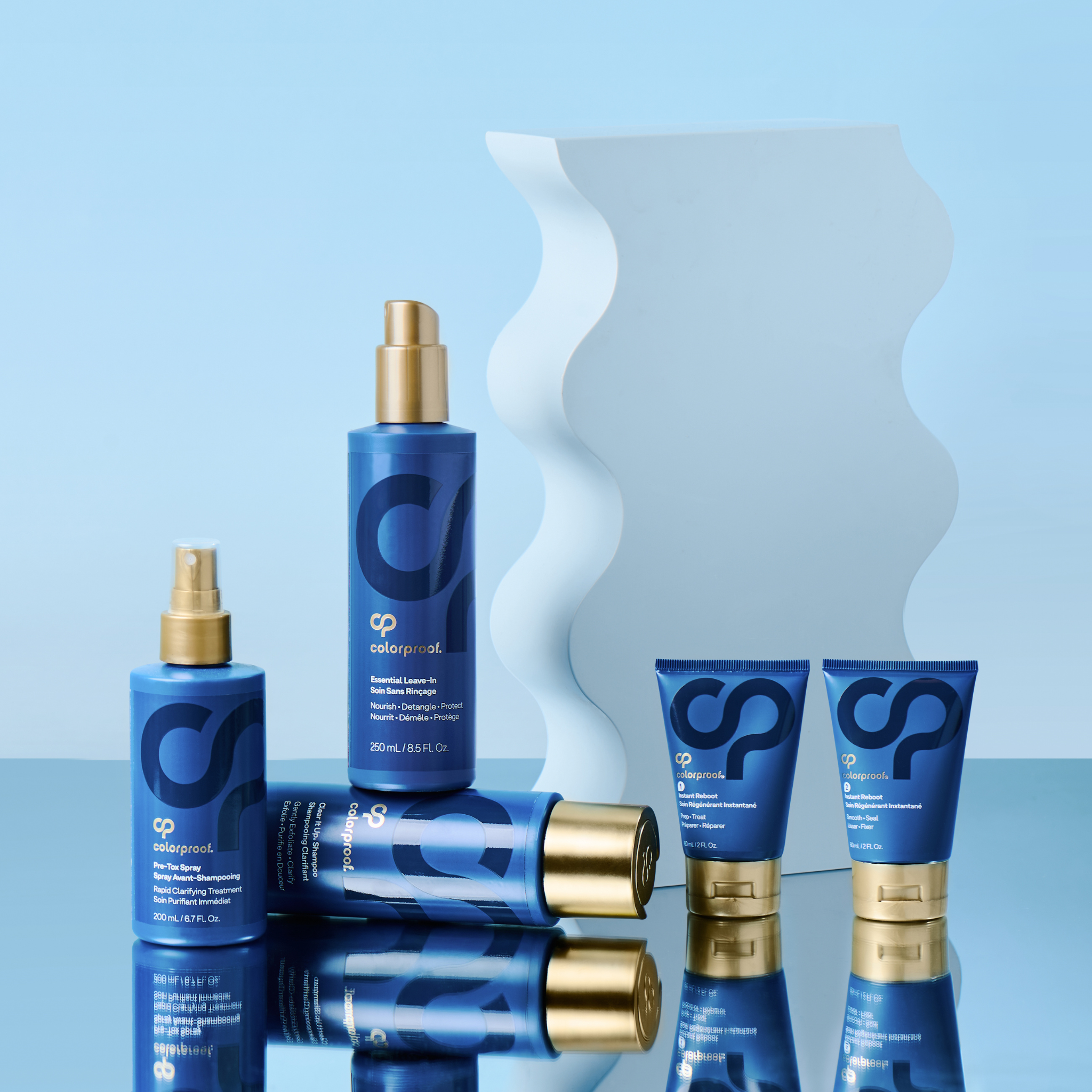
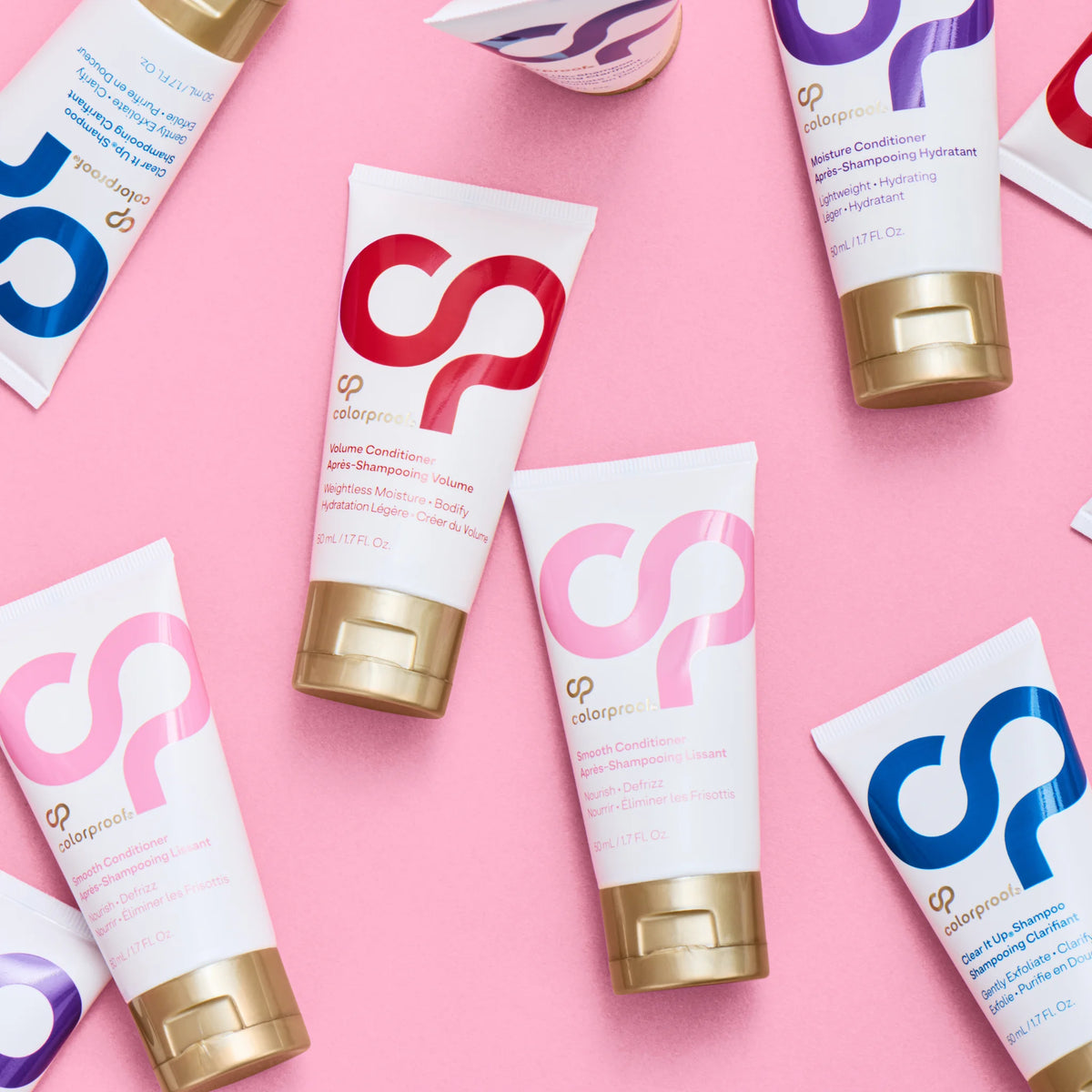
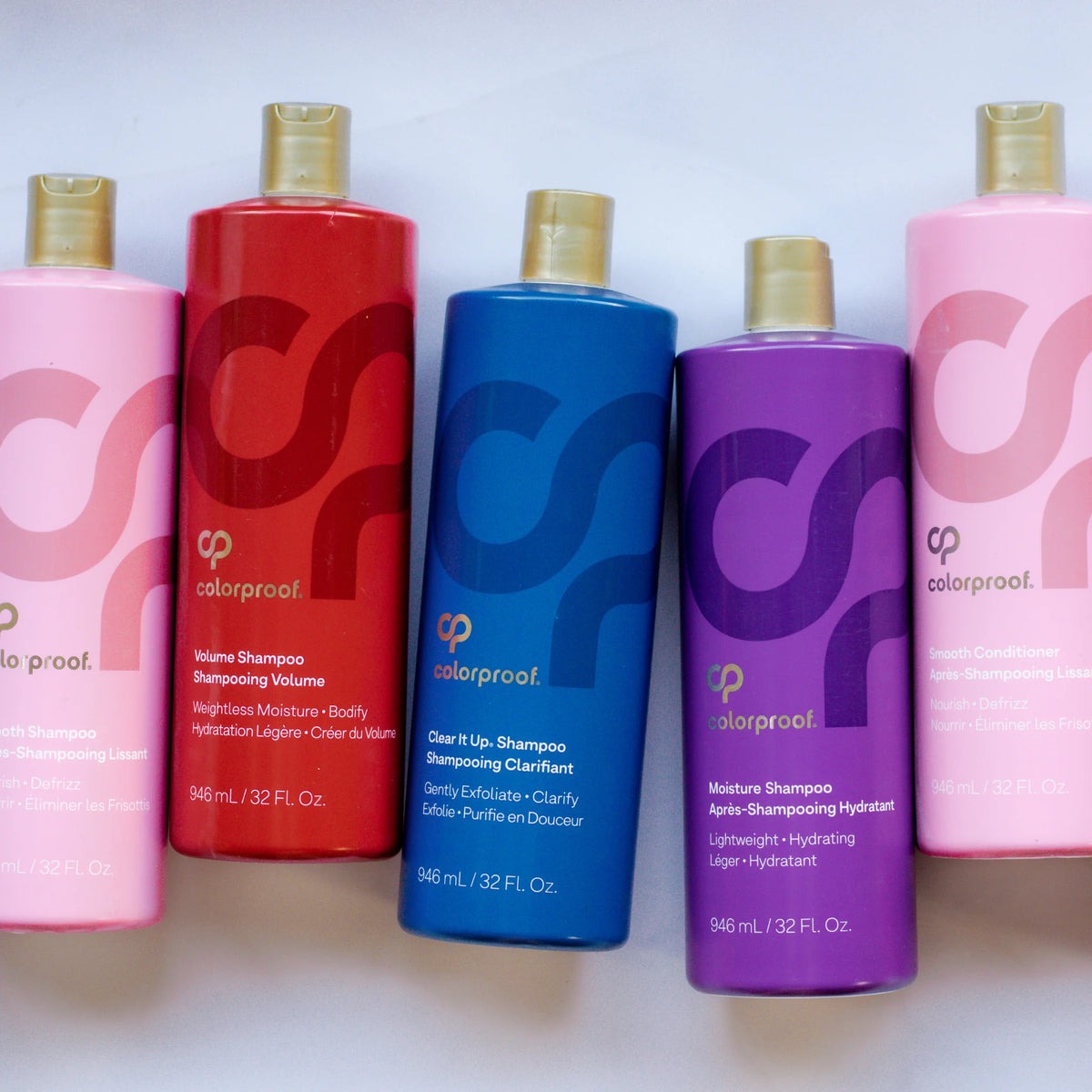
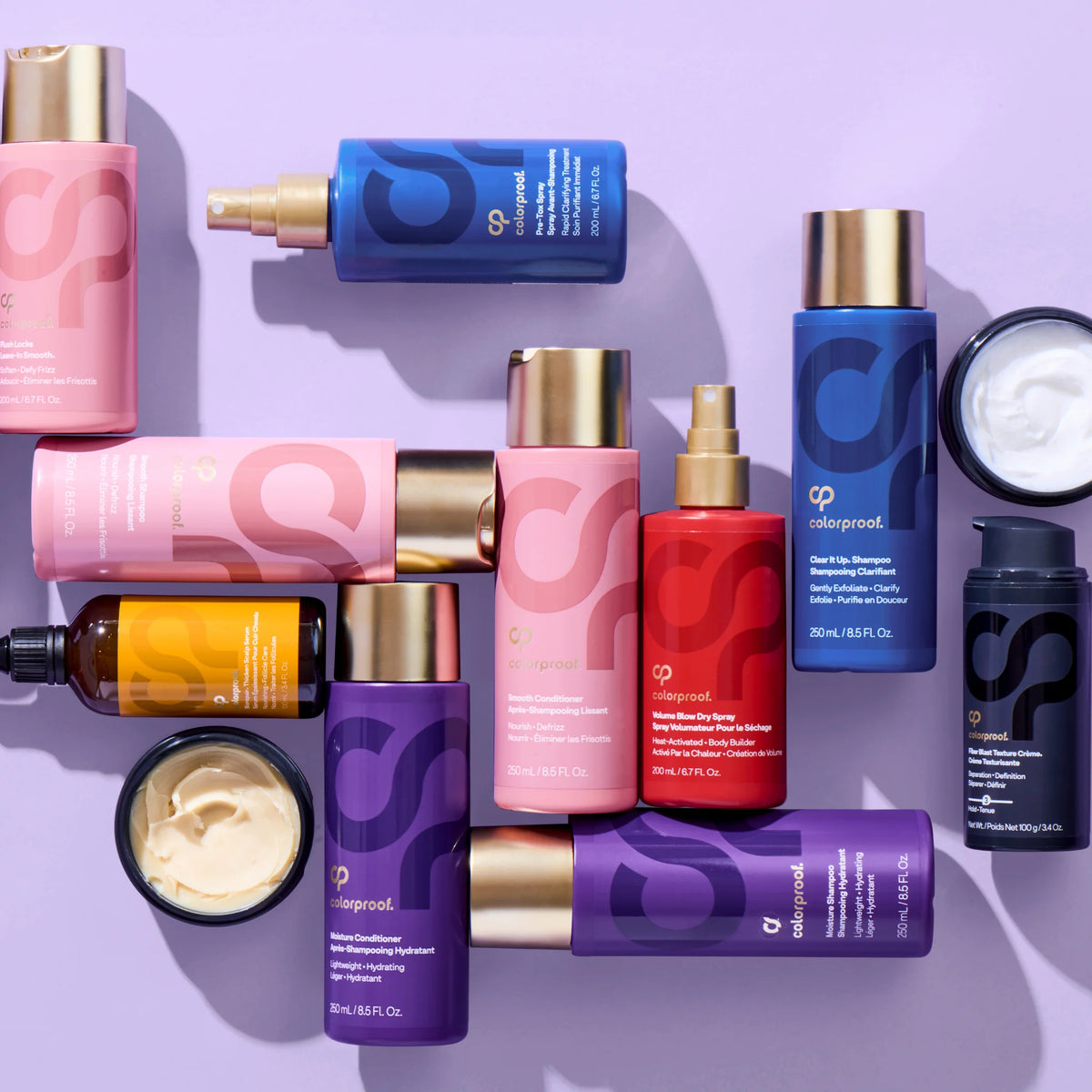
- "Clean but not squeaky-clean" means fresh enough to process evenly, never so scrubbed that the scalp feels bare. If buildup is truly stubborn, Clear It Up Shampoo makes the reset feel much easier.
How Hair Conditioner Affects Color Longevity
The hair you bring into the salon is the hair that must hold the color afterwards. In other words, preparing hair for color is not just about the appointment day; it is about how long the result stays beautiful.
| Hair condition going in | What happens after coloring |
|---|---|
| Dry, brittle, porous | Color looks dull sooner and fades more quickly |
| Moderately healthy but dehydrated | Tone may apply well, then lose shine early |
| Smooth, moisturized, balanced | Pigment holds more evenly and stays vibrant longer |
| Strong cuticle with low buildup | Better shine, better tone clarity, better longevity |
When to Delay Your Color Appointment
Sometimes the wisest beauty decision is to wait. If the hair is breaking excessively, feels straw-dry, or has been pushed too far by bleach, heat, or overlapping services, postponing color is not a failure; it is restraint with foresight. This answers 'How to protect hair before coloring?' in the best possible way.
| Sign to pause | Why waiting helps |
|---|---|
| Excessive breakage | Prevents further weakening during chemical processing |
| Extreme dryness | Gives you time to restore moisture before coloring |
| Heavy over-processing | Reduces the risk of patchy color and structural damage |
| Scalp sensitivity or irritation | Helps avoid discomfort and poor color experience |
What to Do Right After Coloring to Lock In Results From Day One
Preparation and aftercare are part of the same story. Once your color is done, wait 48 to 72 hours before the first wash so the tone has time to settle. Then switch immediately to a sulfate-free shampoo, like the Clear It Up Shampoo, and conditioner, and rinse with cool water.
What you did beforehand sets the stage; what you do afterward keeps the curtain from falling too early. A daily leave-in can also help protect the cuticle from friction, dryness, and the slow wear of ordinary life.
FAQs
1. Should I wash my hair the day before coloring?
Usually, no, unless your hair is coated with dry shampoo, oil, or product residue. Most color appointments go best when hair is one to three days unwashed, because the scalp retains a little natural protection without the strand being overloaded. Afterward, a gentle conditioner such as Smooth Conditioner helps keep that fresh color feeling soft rather than stripped.
2. Does conditioning before coloring affect results?
Yes, but mostly in a good way when done early enough. Conditioning one to two weeks before coloring can improve softness, porosity, and overall balance, which helps color apply more evenly. The only caution is timing: do not pile on heavy masks, oils, or silicone-rich formulas right before the appointment.
3. Can I use dry shampoo before my color appointment?
It is best to avoid it. Even when it looks invisible, dry shampoo leaves particles behind, and those particles can interfere with how evenly the color takes, especially at the roots. If you need a refresh in the days before your appointment, keep styling minimal and avoid letting powder, texture sprays, or root camouflage build up on the hair.
4. How do I know if my hair is healthy enough to color?
Look for clues in how the strand behaves. If your hair stretches, snaps easily, feels gummy when wet, or breaks under light tension, it likely needs repair before another chemical service. If it still feels supple, detangles without drama, and holds moisture reasonably well, you are in a much safer place for coloring and for longer-lasting results afterward.
5. Does hard water affect how hair color takes?
Hard water can leave mineral residue on the hair, and that film can make color grab unevenly or look dull from the start. If your water runs mineral-heavy, clearing that buildup before the appointment is one of the smartest things you can do. Later, Essential Leave-In can help keep the cuticle smoother and more protected throughout the day.
6. How soon after coloring should I wash my hair?
Wait at least 48 to 72 hours unless your colorist advises otherwise. That pause gives the color time to settle and helps protect the fresh tone from premature fading.