
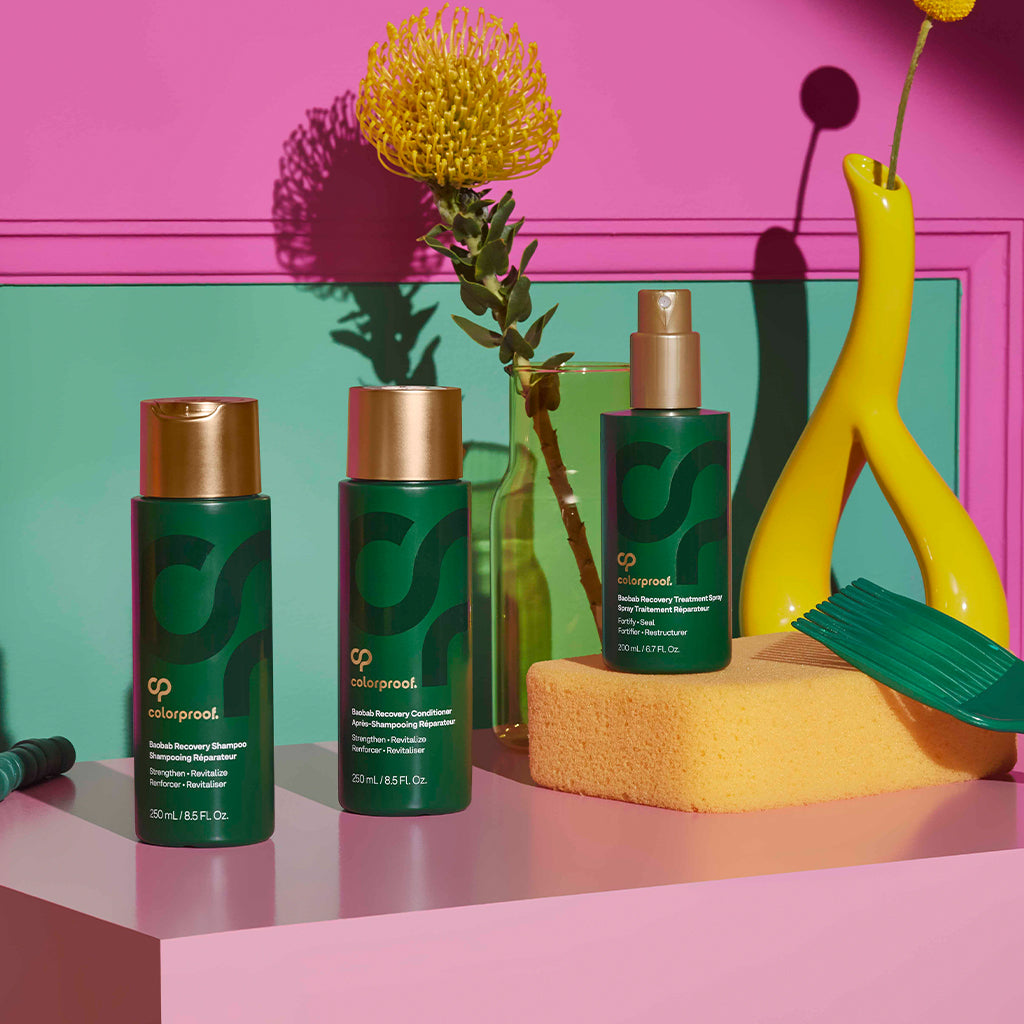
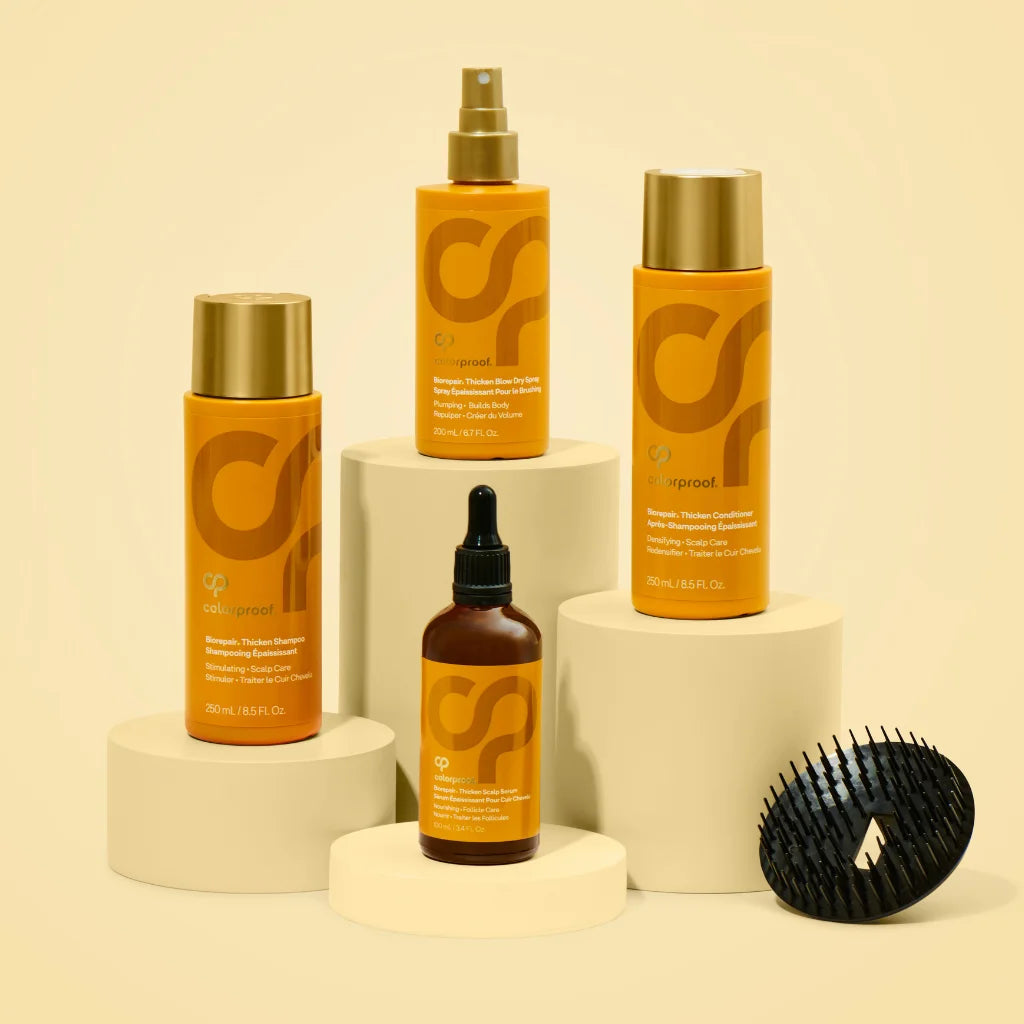









It catches light like silk and glass, yet asks for patience the way a garden asks for weather, water, and hands that know when to be gentle. If you have been wondering, "How to take care of blonde hair?" the truth is simple: blonde is beautiful, but it is rarely low-maintenance.
Lightened hair carries a kind of tenderness. It can turn brassy quickly, feel dry without warning, and lose its brightness to ordinary things like sun, heat, tap water, and the wrong shampoo. Proper blonde hair care is less about panic and more about rhythm, a steady routine that protects tone while keeping the hair itself soft, manageable, and alive.
Why Blonde Hair Needs Its Own Care Routine
Blonde is not just another color category; it behaves differently because the lightening process opens the cuticle and increases porosity, leaving the hair more vulnerable to dryness, breakage, and tone shifts than hair that has been less processed.
| Why blonde hair needs more care | What it means in real life |
|---|---|
| Lightening raises the cuticle | Moisture escapes faster, so the hair feels drier and rougher sooner. |
| Blonde hair is more porous | It absorbs unwanted minerals, chlorine, and environmental tone shifts more easily. |
| Remaining warm pigments can oxidize | Brassiness and yellowing appear quickly without tone maintenance. |
| Structure can be weakened | Breakage, tangling, and dullness show up faster after chemical processing. |
That is why generic color care is rarely enough. The two central goals of maintaining blonde hair are keeping the tone cool and keeping the fiber healthy enough to hold that tone gracefully.
What Causes Brassiness in Blonde Hair, And Why It Happens So Fast
Brassiness is not random. It is chemistry, exposure, and porosity working together in broad daylight.
- UV rays can oxidize leftover warm pigments, hard water leaves minerals that shift tone, and chlorine can push blonde hair toward yellow, green, or dull-looking brassiness.
- Sulfate-heavy cleansers and frequent heat styling can also strip toner and rough up the cuticle, making color fade faster and look less polished.
- Because blonde hair is lighter and usually more porous, it absorbs these outside influences more easily than darker shades. That is one of the most important blonde tips to remember: blonde rarely turns brassy because of something dramatic. It happens gradually because ordinary life is surprisingly good at altering vulnerable hair.
Building Your Blonde Hair Care Routine: Step by Step
A good blonde routine should feel like maintenance, not punishment. The goal is to create a pattern gentle enough to repeat and effective enough to keep both tone and texture in balance.
Wash gently, tone wisely
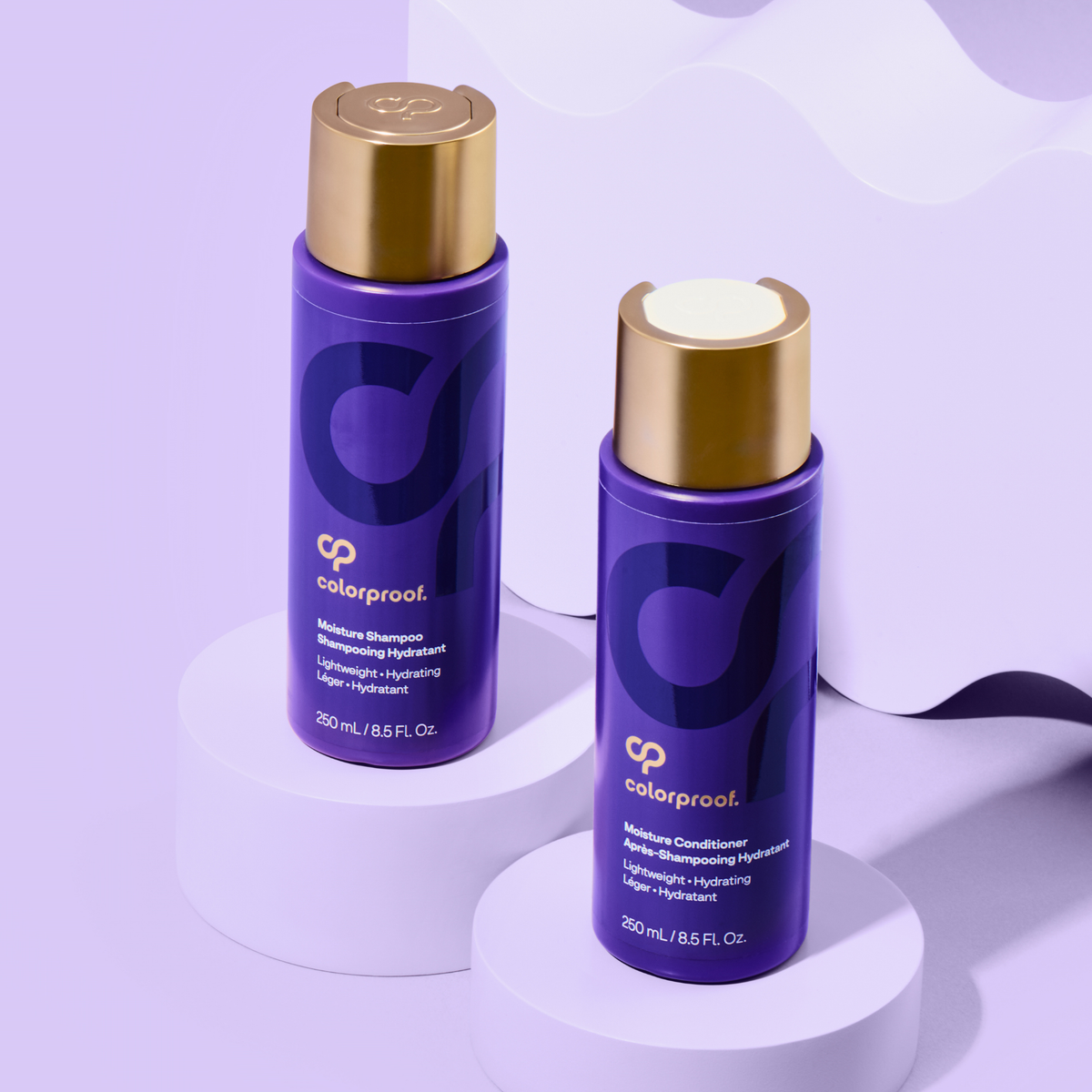
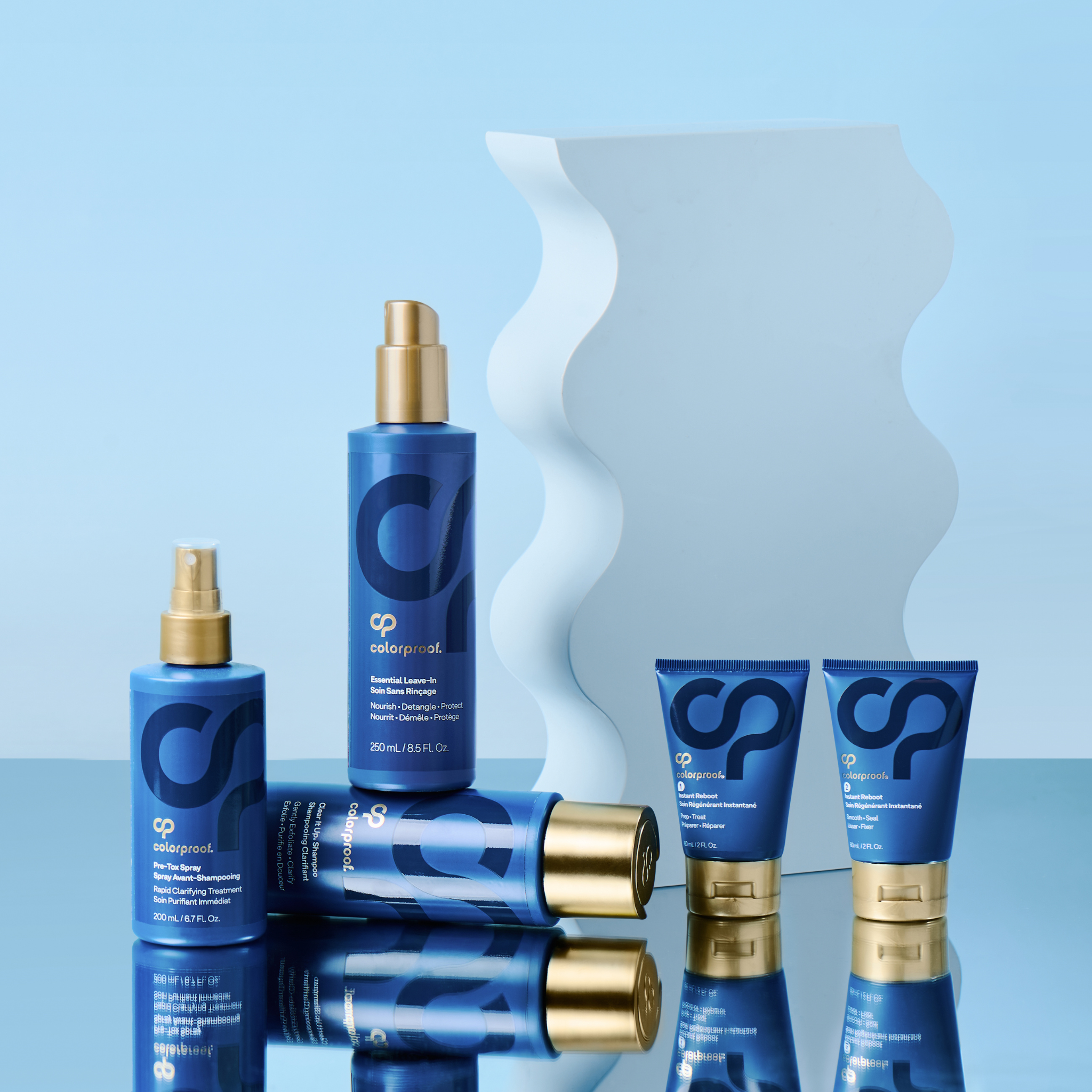
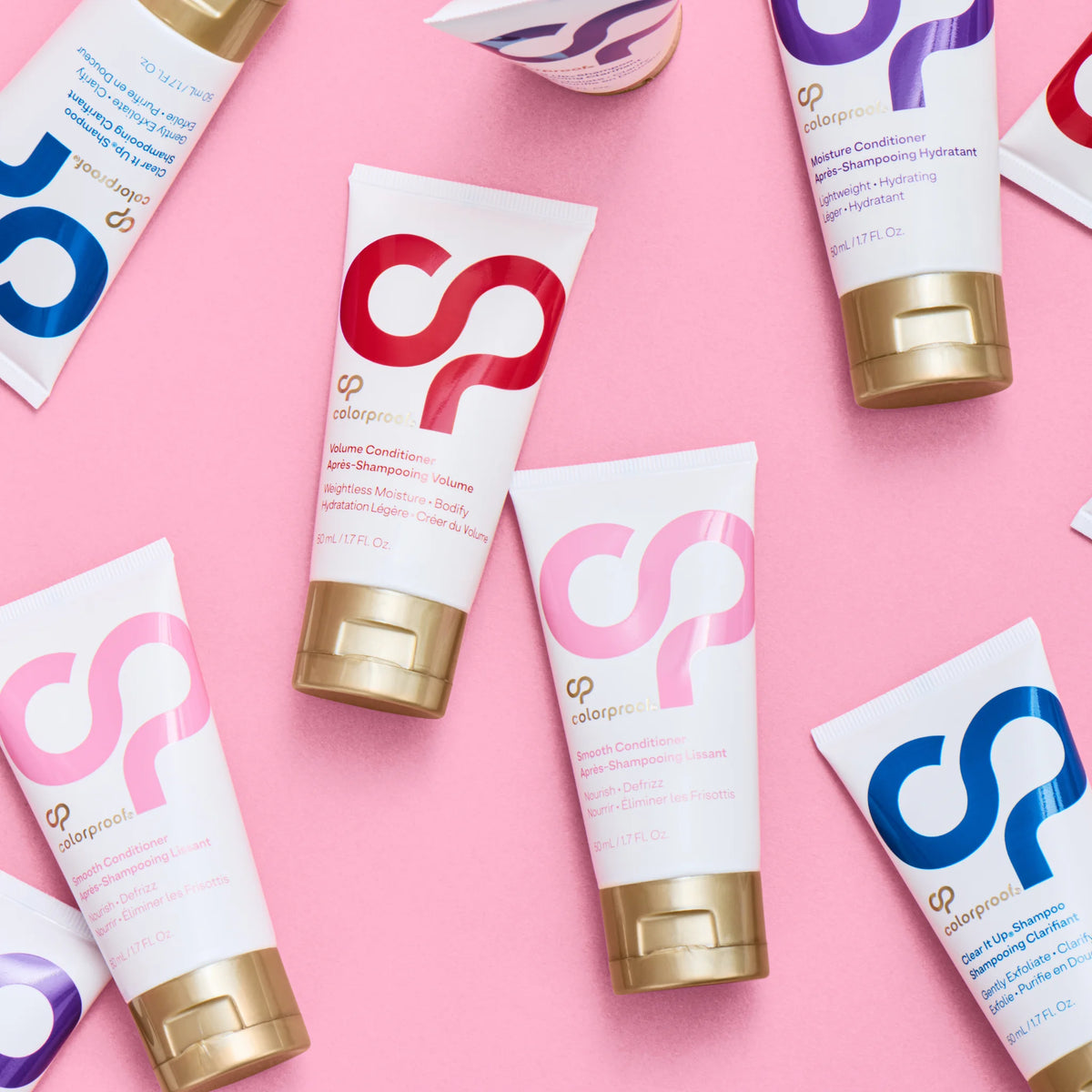
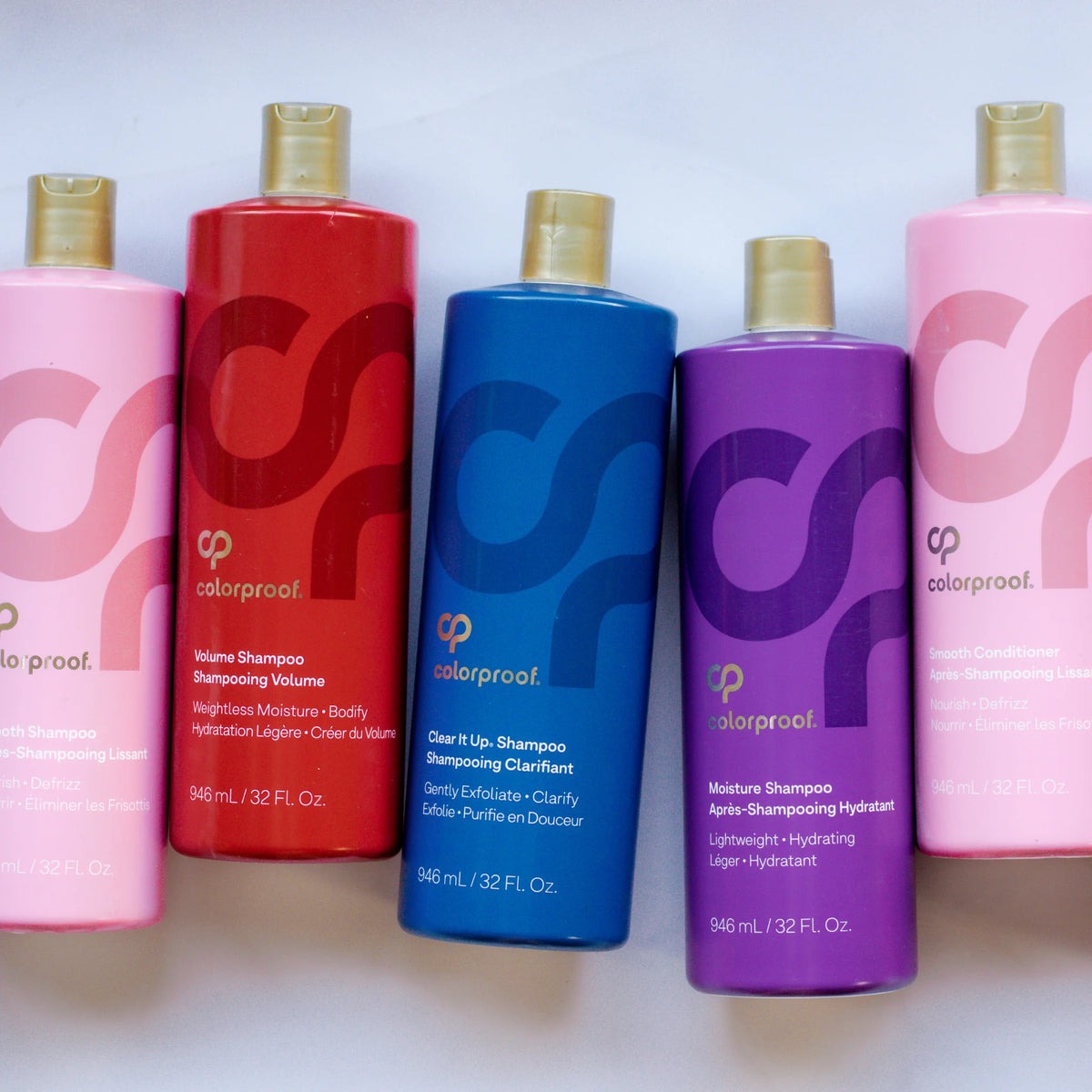
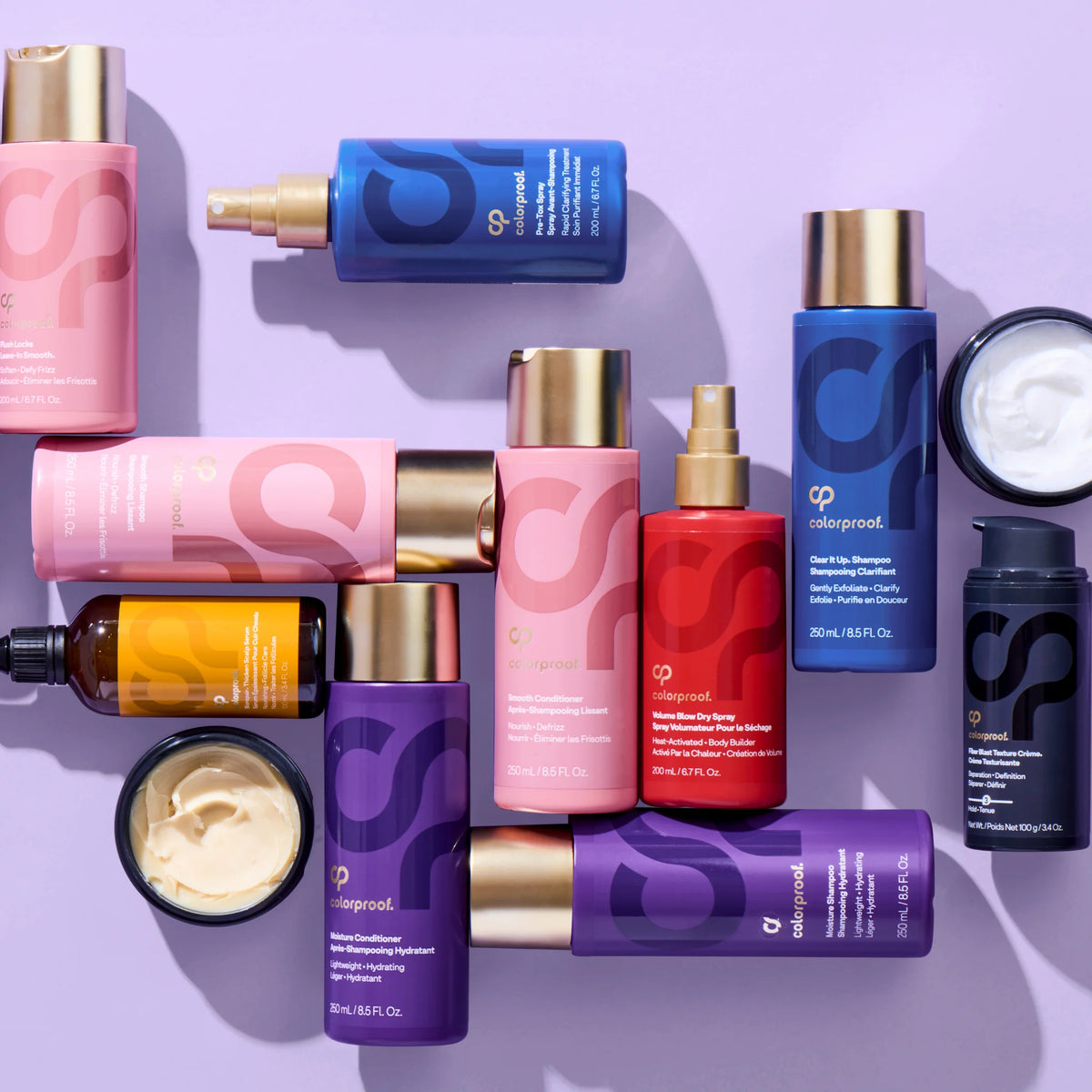
- Start with a color-safe, sulfate-free shampoo that cleanses without stripping away the work your colorist just did. Clear It Up Shampoo is exceptionally gentle, non-stripping detox shampoo that removes buildup, smooths the cuticle, and helps prolong the life and vibrancy of hair color.
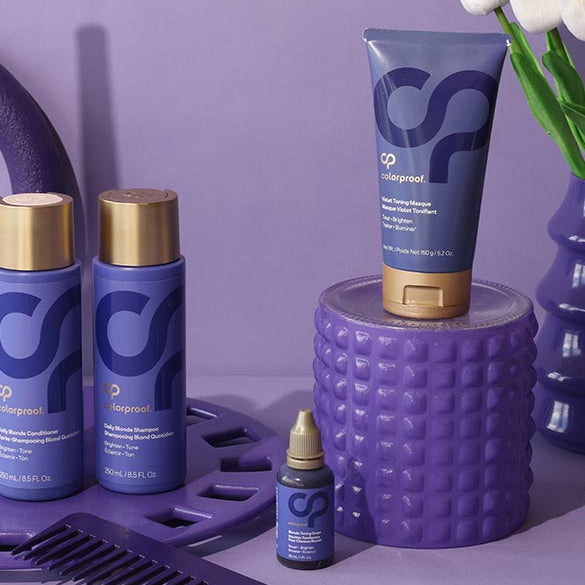
- Use a toning shampoo one to two times a week, not every day. Violet neutralizes yellow on the color wheel, which is why purple shampoos help cool blonde hair between appointments. This is one of the pillars of maintaining blonde hair without practically living at the salon.
Moisture after every wash
- Blonde hair almost always needs more softness than you think. Always condition, because lightened hair loses moisture faster and tangles more easily than less porous strands.
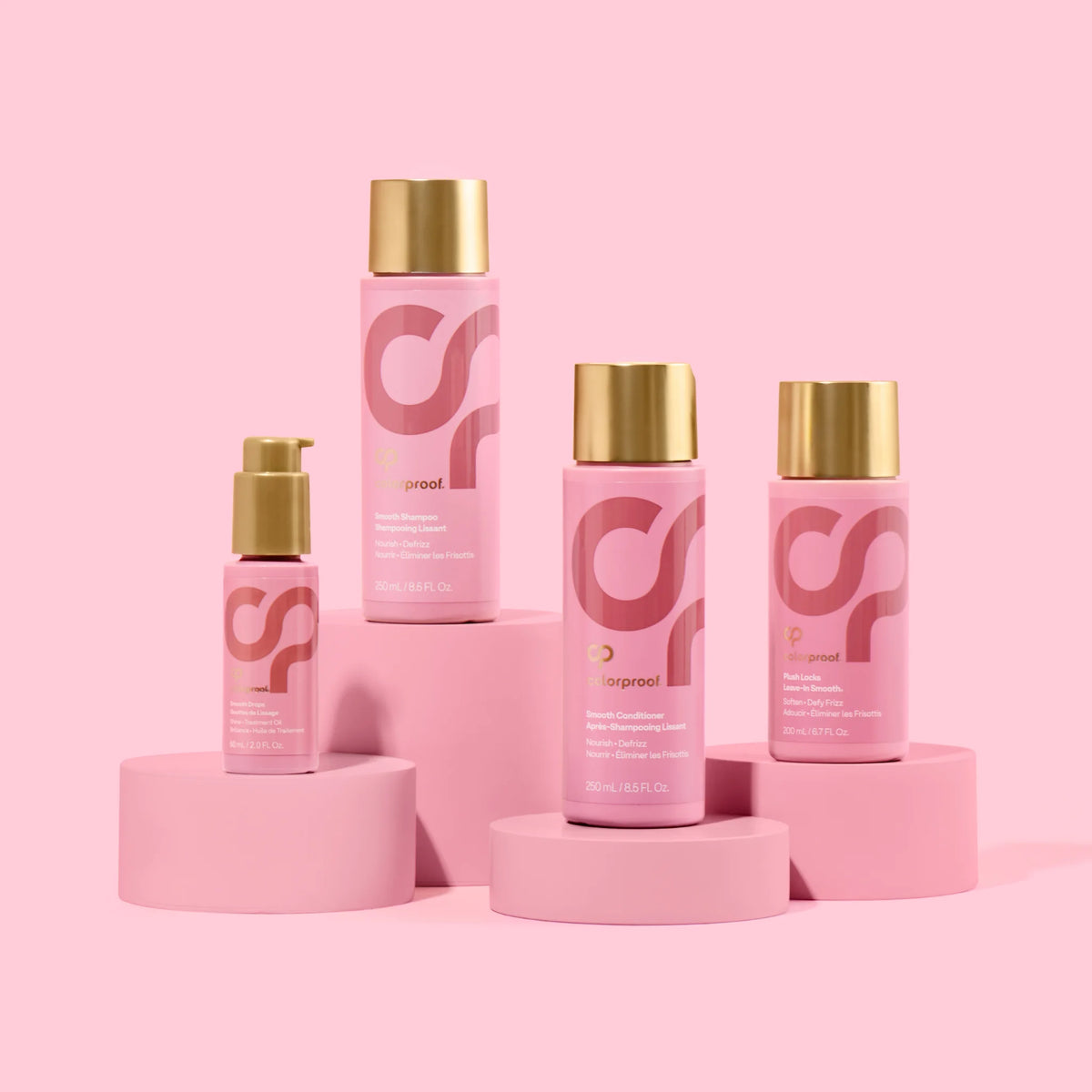
- Smooth Conditioner is sulfate-free and designed to detangle, nourish, and replenish dry hair; it helps provide humidity and color protection.
- Then bring in a weekly treatment. Weekly Blonde Masque belongs naturally in that once-a-week slot where the best hair care for blondes becomes less about correction and more about restoration.
Protect the finish
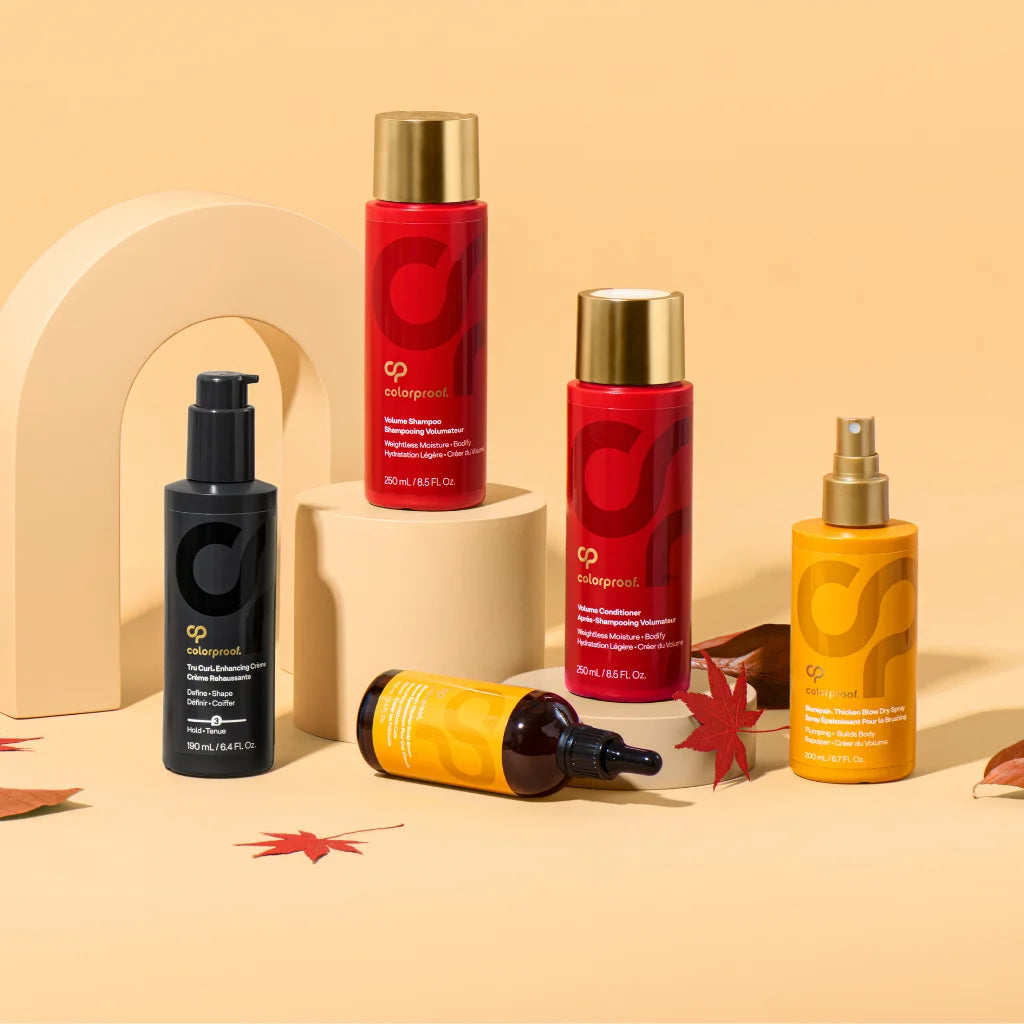
- After every wash, use a leave-in to help seal the cuticle and create a buffer against heat, UV, and the friction of everyday life. Essential Leave-In fits that daily-protection role beautifully in a blonde routine.
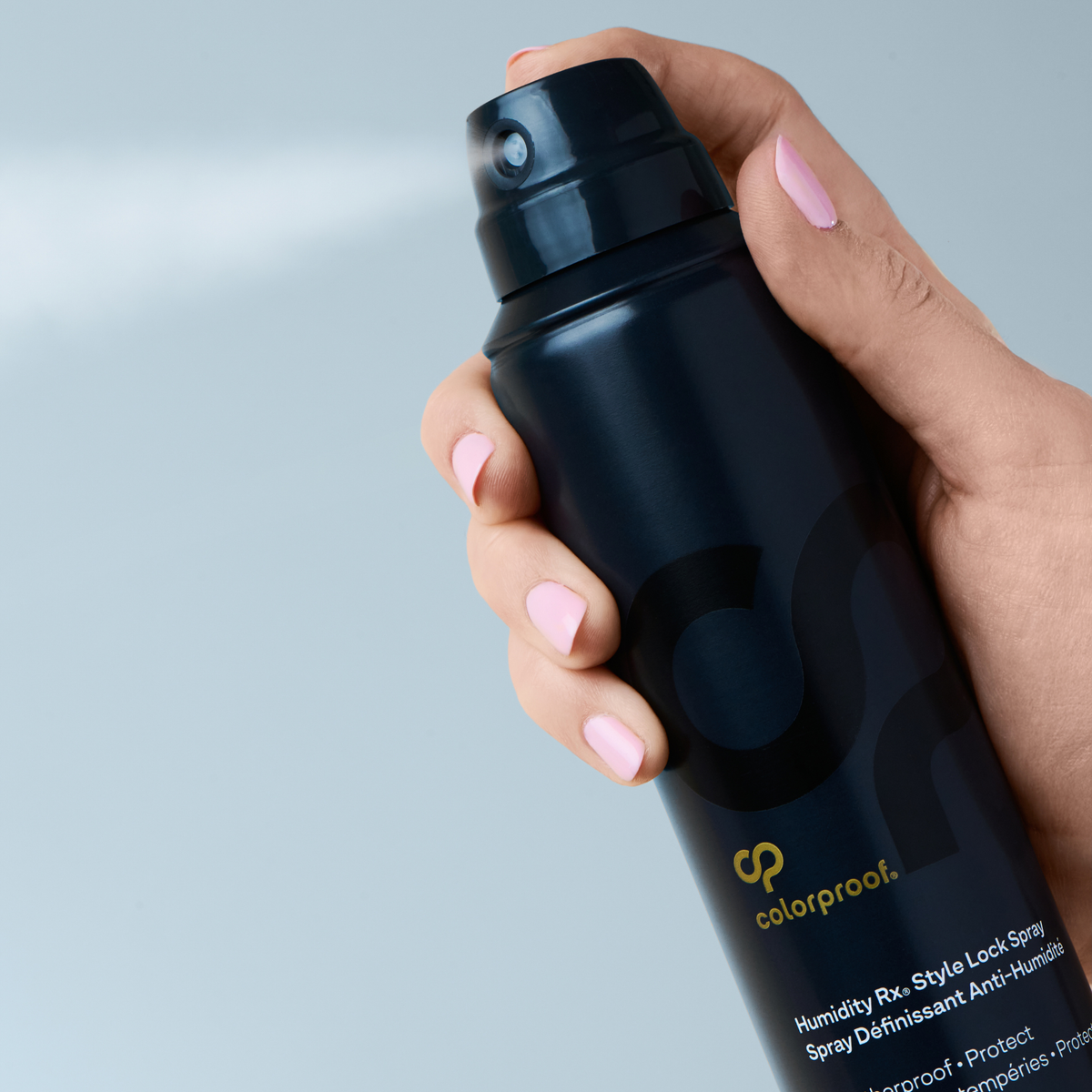
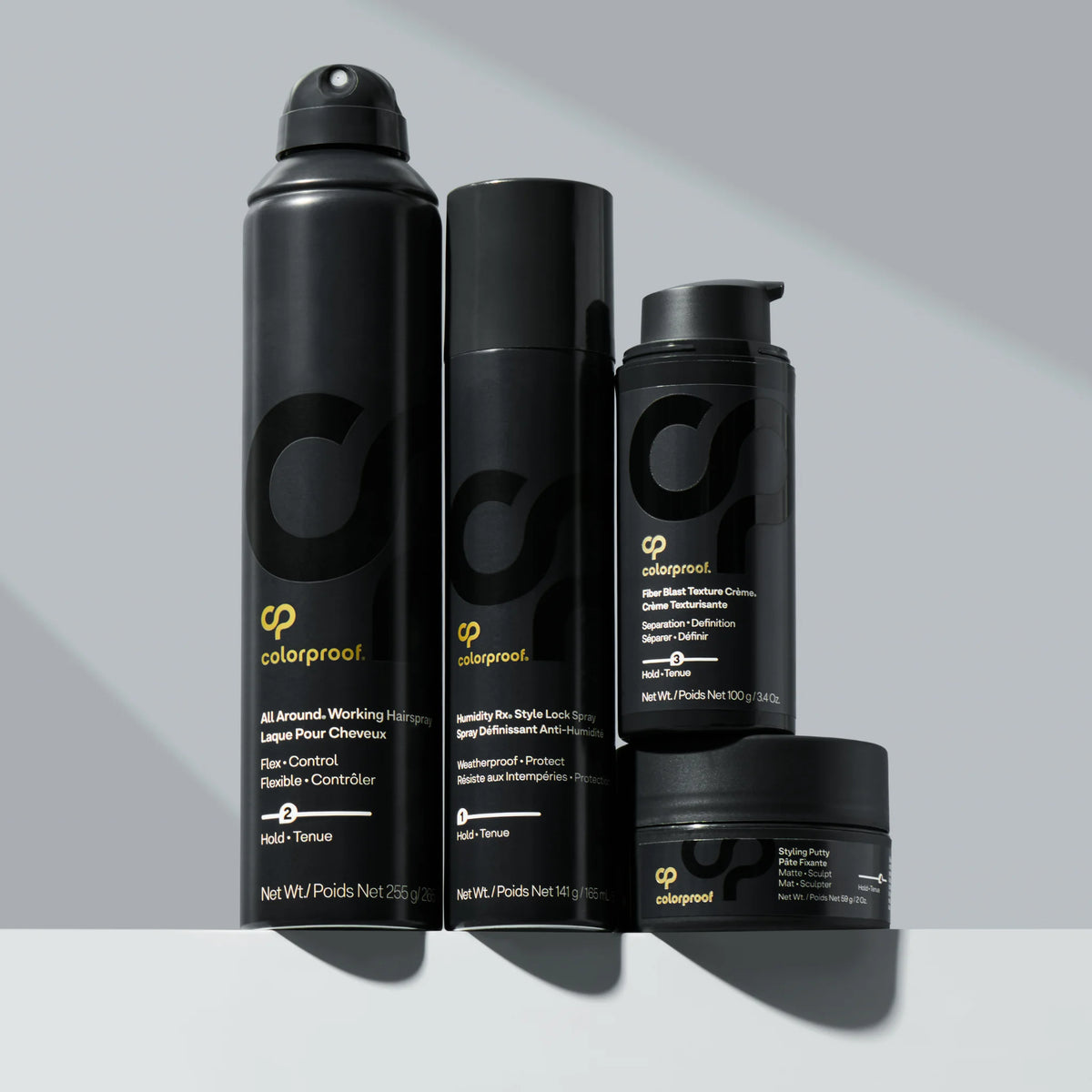
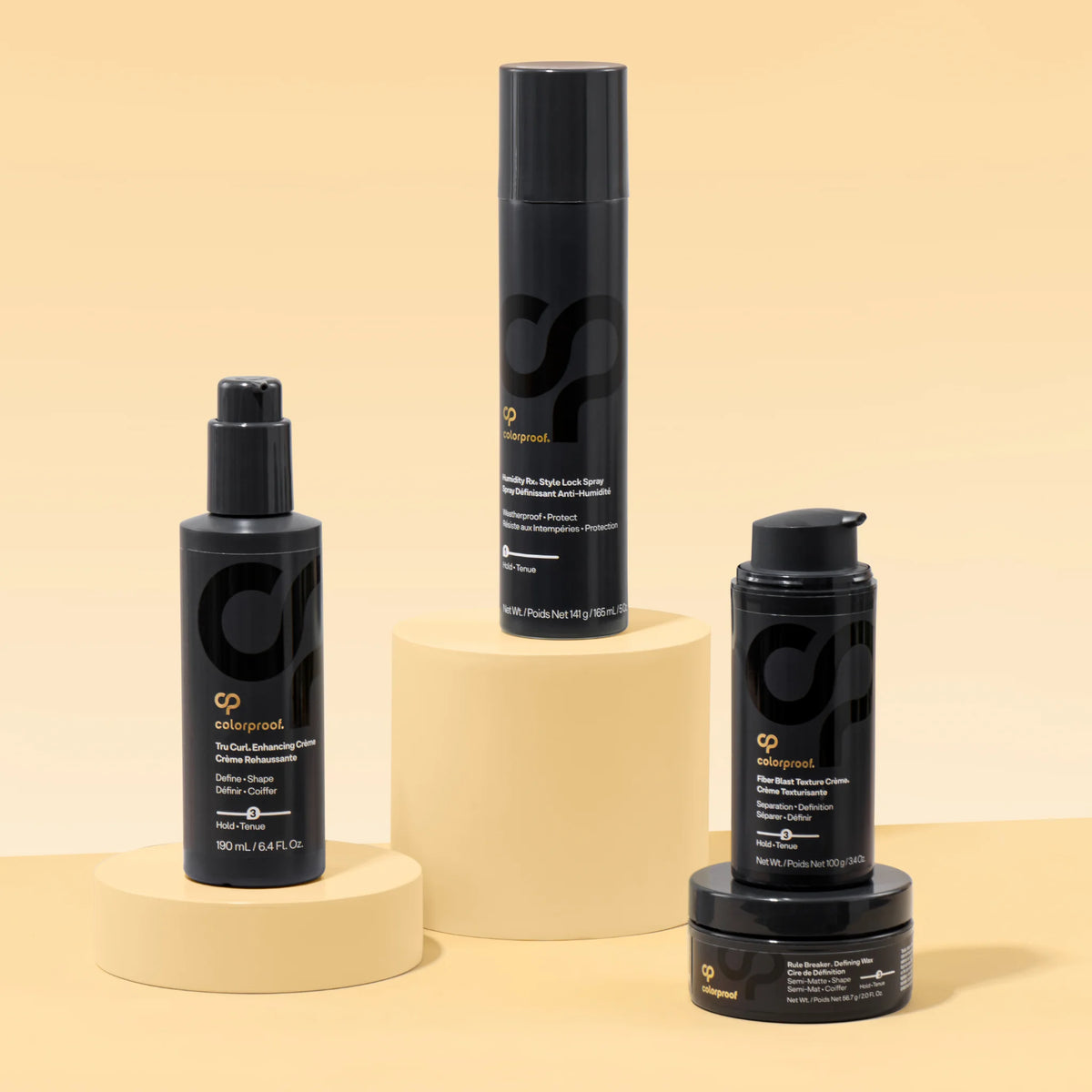
- Then finish with a lightweight oil or smoothing serum on the ends if needed. For humidity or environmental stress, Humidity Rx Style Lock Spray makes sense as the final veil of protection. Good blonde hair products do not just brighten tone; they help the hair survive the week between brightening moments.
How to Use Toning Products the Right Way
Toning works best when it is strategic. Too little, and brassiness creeps in; too much, and blonde can start to look flat, smoky, or overtly violet.
| Toning product | Best use | Practical guidance |
|---|---|---|
| Toning shampoo | Routine brass control | Usually, 1–2 times per week is enough for maintenance. |
| Toning masque | Tone plus nourishment | Better when hair needs softness and correction at once. |
| Longer leave-on time | More visible neutralization | Useful when blonde is noticeably yellow, but too much can over-correct. |
| Shorter leave-on time | Gentle maintenance | Better for porous hair or subtle upkeep. |
| Toning drops | More customizable intensity | Helpful when you want more control than a ready-made shampoo offers. |
| Regular nourishing shampoo | Moisture support | Alternating toning with a gentle shampoo helps keep hydration from being sacrificed to pigment correction. |
The art of taking care of blonde hair is often hidden here: correcting tone without forgetting that blonde needs tenderness just as much as it needs coolness.
Protecting Blonde Hair From the Biggest Threats
Some damage comes from the salon, but much of it happens quietly at home. Heat styling can weaken blonde hair and worsen dryness and breakage, so lower temperatures and heat protection matter.
- UV exposure can oxidize tone, which is why hats and a leave-in barrier are smarter than wishful thinking.
- Hard water minerals can cling to porous blonde and push it brassy or dull, making periodic clarifying essential.
- Over-washing also speeds up fading, so many blondes do best washing only two to three times a week and leaning on leave-ins between wash days.
Dry vs Damaged Blonde Hair: How to Tell the Difference and Treat Both
Blonde hair is often dry, damaged, or both, and the difference matters.
| Hair state | What it feels like | What it needs |
|---|---|---|
| Dry blonde hair | Rough, thirsty, dull, but still fairly elastic | Hydrating conditioners, masques, and leave-ins. |
| Damaged blonde hair | Weak, brittle, overly porous, breaking easily | Repair-focused care, gentle handling, and strengthening support. |
| How to tell | Dry hair feels parched; damaged hair often snaps, tangles, or stretches oddly when wet | Use texture, elasticity, and breakage patterns as clues. |
| Why blondes get both | Lightening opens the cuticle and can weaken the internal structure at the same time. | Most blonde routines need both moisture and protection. |
If your blonde feels tired, do not assume more purple is the answer. Often, better blonde hair care begins with moisture first, tone second.
FAQs
1. How often should I use toning or purple shampoo on blonde hair?
Usually, one to two times a week is enough for maintenance, though highly porous or very pale blondes may need less to avoid over-toning. That is one of the most useful blonde tips to remember: more purple does not always mean better blonde.
2. Why does my blonde hair keep turning brassy so quickly?
Porosity is usually the reason. Blonde hair absorbs minerals, chlorine, UV stress, and environmental discoloration more easily, so brassiness can appear fast when the cuticle is open.
3. Can I use a toning masque instead of toning shampoo?
Yes, especially if your blonde feels dry and needs both tone correction and softness. A masque can be a gentler, more nourishing way to keep brassiness in check while treating the fiber more kindly. This is often a smarter route for fragile blondes than stacking toning products too aggressively.
4. Does blonde hair need more conditioning than other hair colors?
In many cases, yes. Lightened hair is more porous and tends to lose moisture faster. Conditioning every wash is especially important for softness and breakage prevention.
5. How do I keep blonde hair from going yellow between salon visits?
Use a toning product consistently, protect against heat and sun, clarify for mineral buildup when needed, and do not overwash. A leave-in barrier, such as Essential Leave-In, also belongs in that routine because it helps defend hair from the daily triggers that quietly push blonde off tone.
6. What is the difference between a toning shampoo and toning drops?
Toning shampoo comes pre-mixed and is easier for routine use, while toning drops offer more control over intensity because you can adjust how much pigment you add. If you are serious about maintaining blonde hair, the best choice depends on whether you want convenience or precision.