







Haven't we all been there: leaving the salon with hair like candlelight, only to return two weeks later, to something warmer, harsher, less vibrant? The color has not exactly vanished; it has simply drifted. That drift is called brassy hair, and it tends to arrive quietly, through sunlight, showers, heat, minerals, and all the ordinary little frictions of living.
The good news is that brassiness is neither random nor irreversible. Once you understand what pulls cool tones apart, the path toward softer, clearer color becomes much easier to follow.
What Is Brassy Hair?
Brassy hair is the appearance of unwanted warm yellow, orange, or reddish tones in hair that was meant to look cooler, cleaner, or more neutral. Those tones are not created from nowhere; they are the underlying warm pigments already living in the hair shaft, revealed when toner fades, or cooler pigments are stripped away.
It can happen to bleached hair, highlighted hair, brunettes with lifted pieces, natural blondes, and even gray hair that picks up environmental discoloration. If you have ever wondered, "How to fix brassy hair?" the first step is understanding that the warmth was always there, waiting beneath the surface.
Why Does Hair Go Brassy? The Science Behind It
Cool tone is delicate by nature, with countless small forces working against it at once. That is why brassiness can feel sudden, even when it is really the result of several quiet processes unfolding together.
-
Fade, oxidation, and the cuticle
When hair is lightened, the cooler blue and violet tones in the dye tend to fade faster than the warmer ones, leaving yellow or orange behind as the balance shifts. UV exposure can accelerate that change by oxidizing dye molecules, while frequent washing keeps reopening the cuticle and letting color escape.
-
Water, heat, and buildup
Hard water minerals such as iron, copper, and calcium can settle onto the hair shaft, distorting the tone, especially on porous blonde or highlighted hair. Sulfate-heavy shampoos, chlorine, repeated heat styling, and product buildup all place their own strain, either by stripping toner or by dulling the surface so the color loses the clarity it once had at the salon. This is why getting rid of brassy hair usually requires more than one product and more than one wash.
How to Tell If Your Hair Is Brassy
Brassiness often announces itself visually first, but texture can tell the story, too. The same forces that strip tone often leave the hair drier, rougher, and less luminous.
| Sign | What it usually means |
|---|---|
| Yellow tones in blonde or platinum hair | Cool violet balance has faded, leaving warmth more visible. |
| Orange or red tones in brunette highlights | The hair may not have lifted enough, or blue/cool pigments have faded away. |
| Color looks dull or muddy | Mineral deposits or buildup may be clouding the tone. |
| Salon-fresh color shifted within 2-3 weeks | Toner is fading quickly from washing, sun, heat, or porous hair. |
| Highlights seem to disappear into the base | Warmth is flattening contrast and making the light pieces look less distinct. |
| Some sections are warm, some still cool | Porosity, hard water, or uneven exposure can make the tone shift unevenly. |
| Hair feels drier and rougher | The cuticle is likely more open, which means moisture and toner are both leaving faster. |
If you are asking, 'How to make your hair less brassy?' this checklist is where the answer begins: with honest diagnosis rather than guesswork.
Yellow vs Orange Brassiness: Why It Matters Which One You Have
Not all warmth should be treated the same way. The color wheel matters here, and choosing the wrong toner can leave the hair looking dull instead of corrected.
| Type of brassiness | Who usually gets it | What helps |
|---|---|---|
| Yellow brassiness | Lighter blondes, platinum hair, pale highlights. | Violet or purple pigments, because purple sits opposite yellow on the color wheel. |
| Orange brassiness | Brunettes with highlights, darker blondes, or hair that did not lift quite enough. | Blue pigments, because blue helps neutralize orange. |
| Mixed warmth | Multi-tonal hair, uneven porosity, or hair with mineral interference. | A tailored routine that detoxes first, then tones based on the dominant warmth. |
This distinction is one of the most overlooked parts of "How to get rid of brassy blonde hair?" Purple is not a universal answer; it is a specific answer for a specific kind of warmth.
How to Get Rid of Brassy Hair: Your Full Action Plan
The best correction routine works in layers. You remove what is distorting the color, preserve what is still good, then add back the pigments and protection the hair keeps losing.
Start by clearing the canvas
- Detox first. If hard water or product residue is sitting on the hair, toning products have to fight through that haze before they can do anything useful.
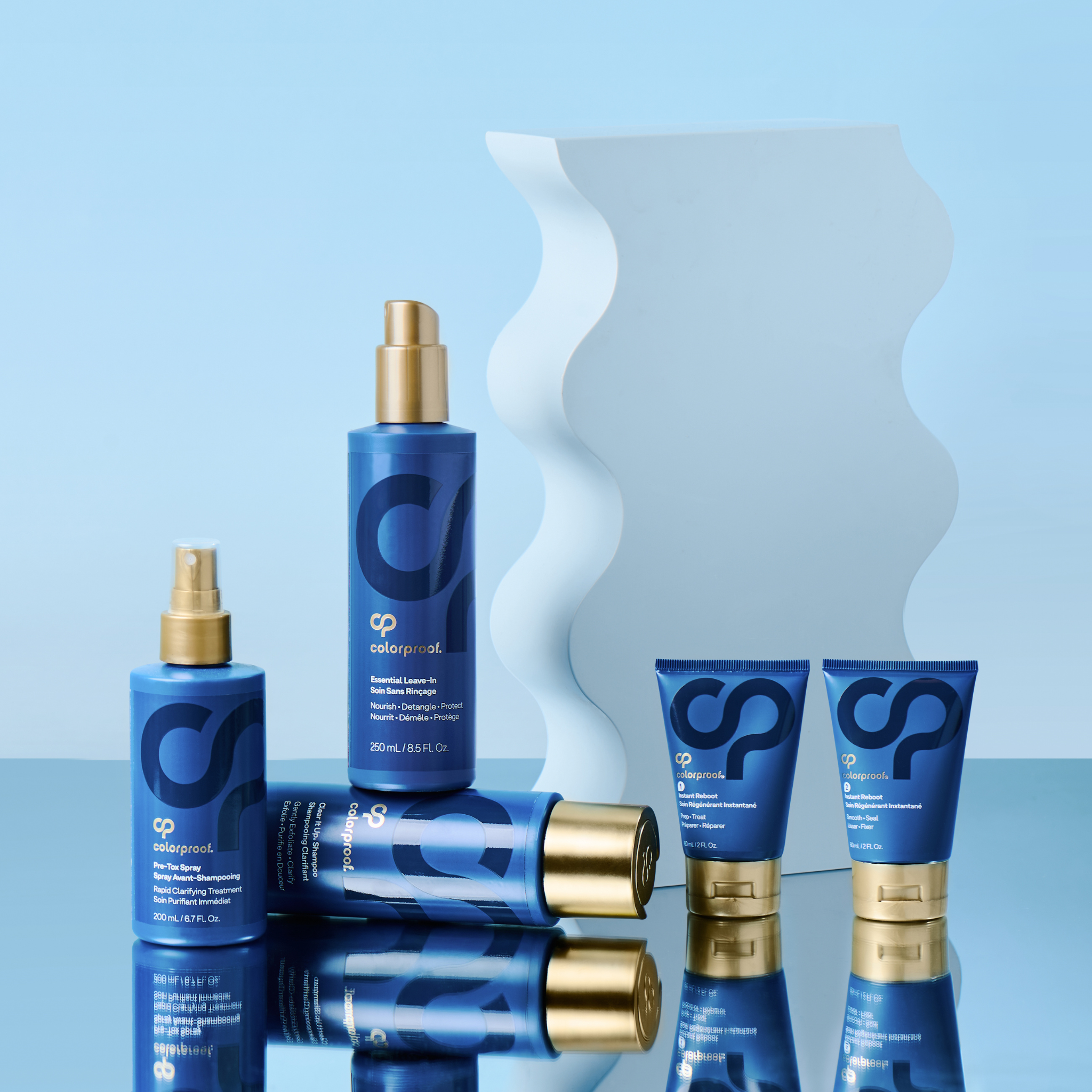
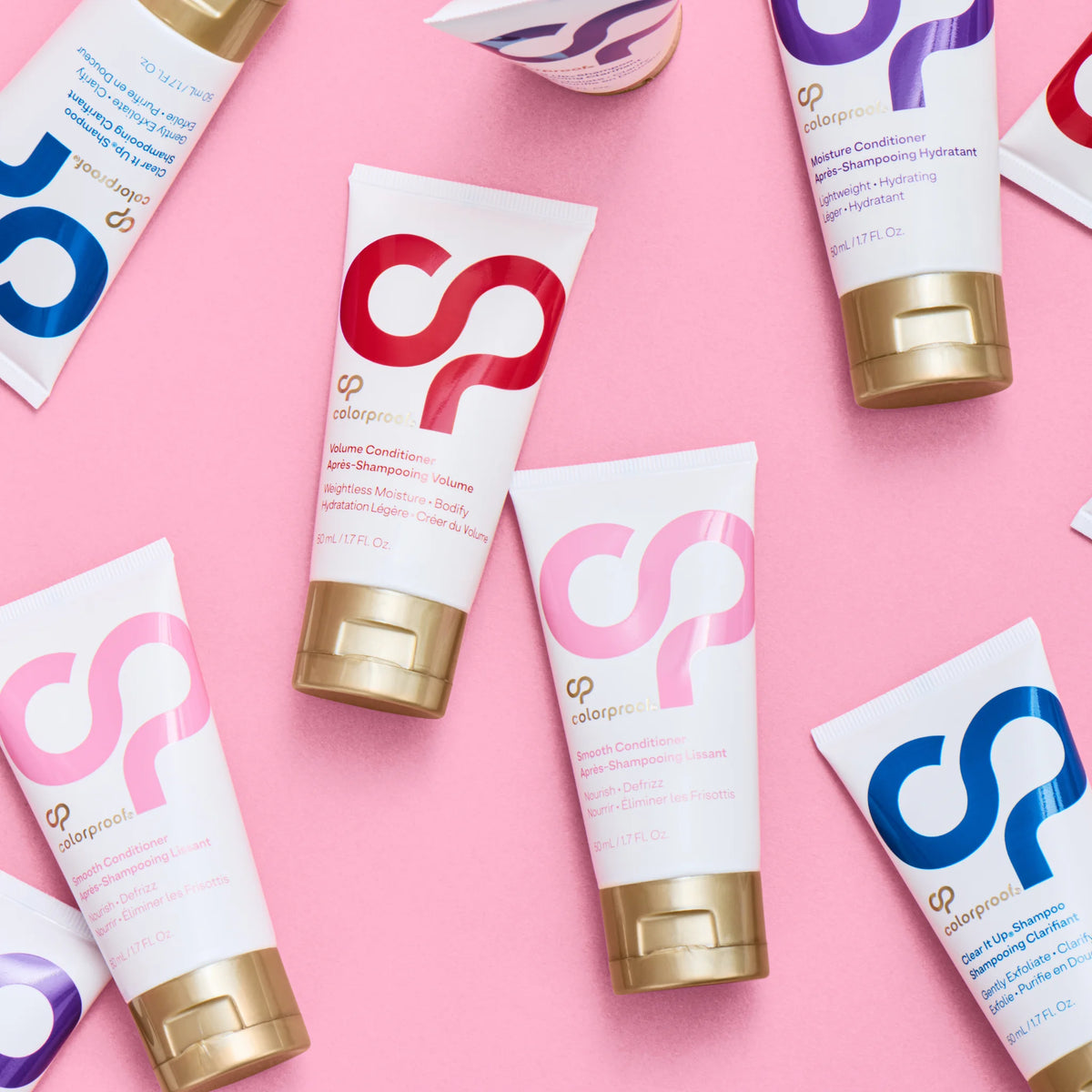
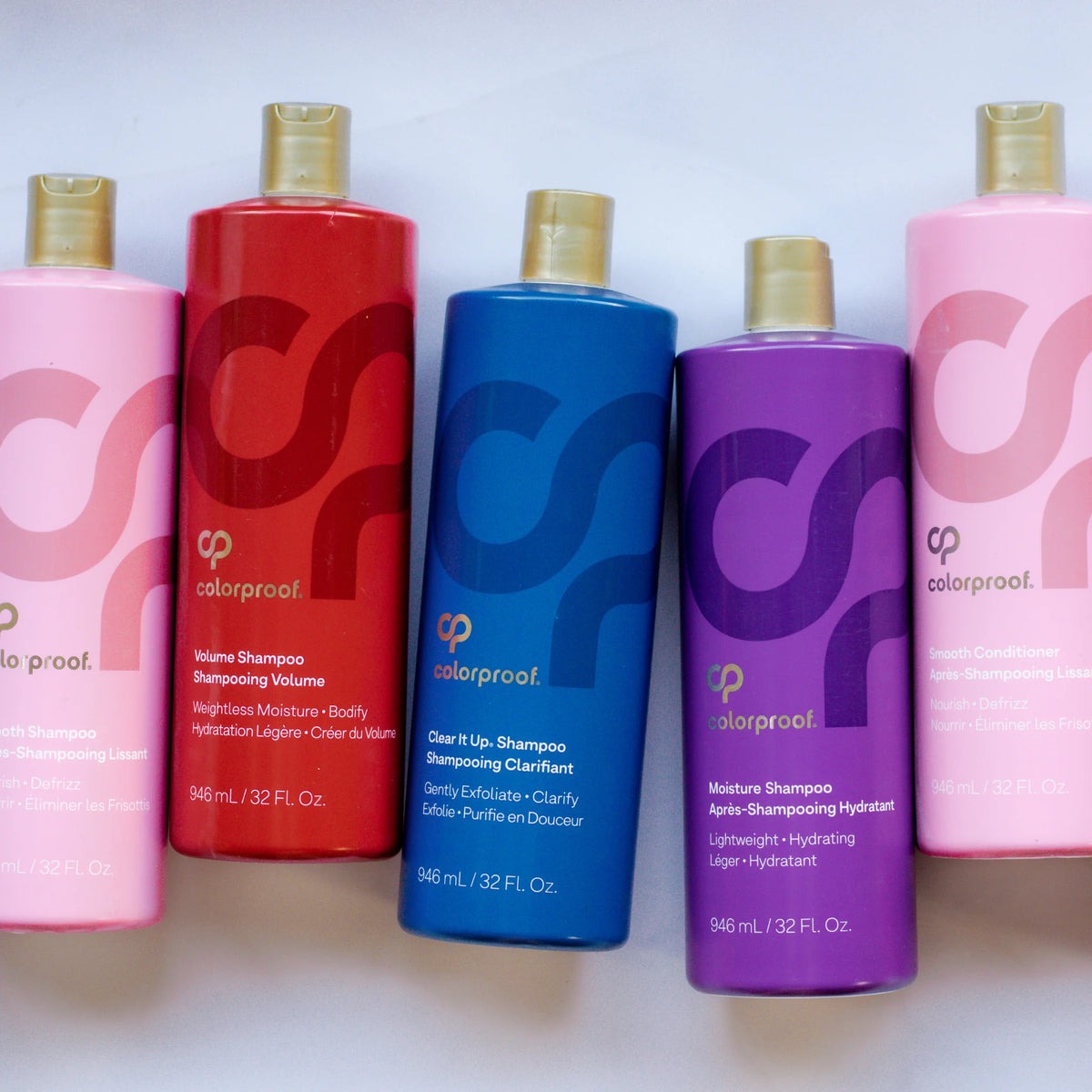
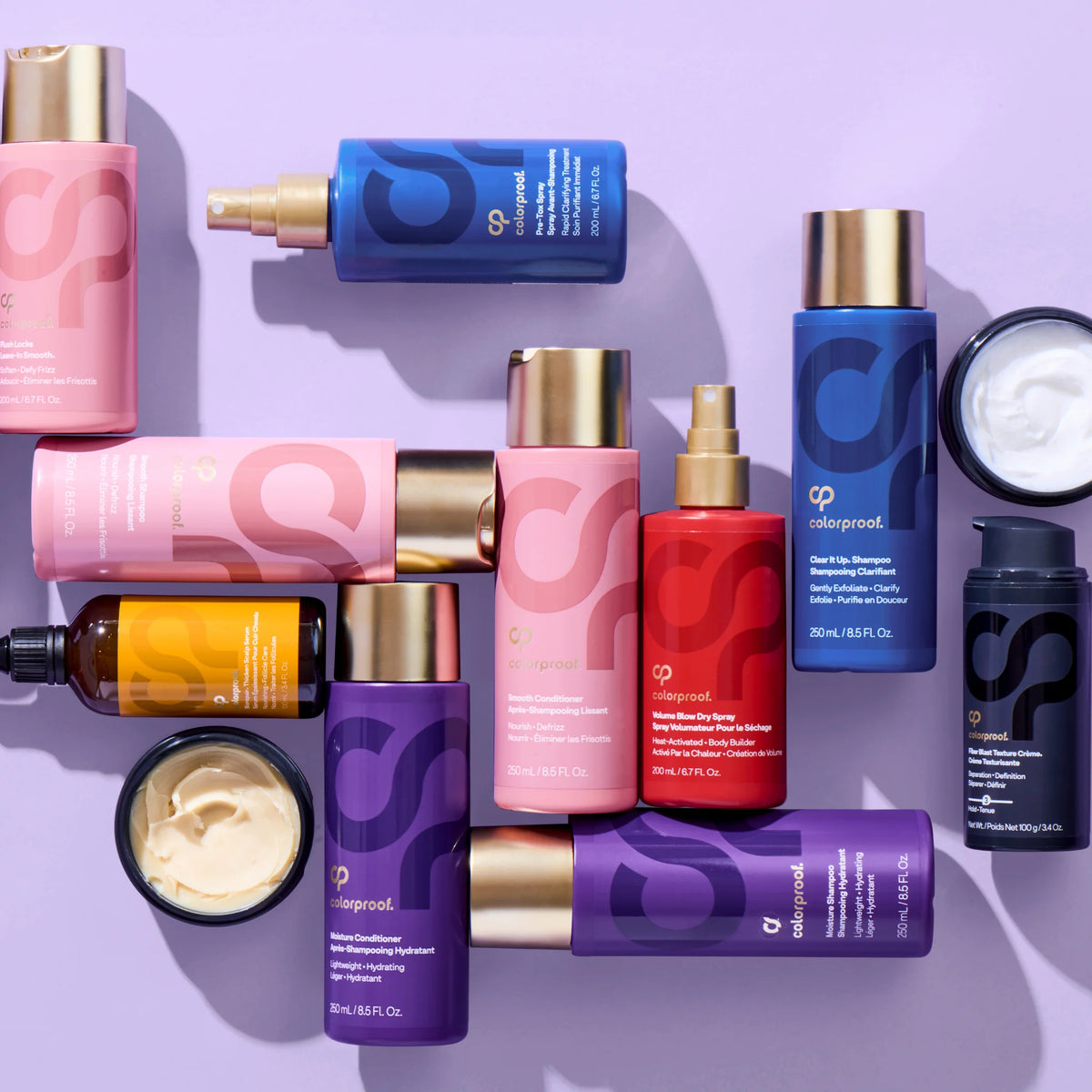
- A gentle reset step, such as Clear It Up Shampoo, fits beautifully here because it is a non-stripping detox shampoo that removes buildup, smooths the cuticle, and helps prolong color vibrancy while remaining sulfate-free and salt-free.
Tone with care, not panic
- Use a toning shampoo or conditioner one to two times a week, choosing purple for yellow and blue for orange. Over-toning can make hair look smoky, flat, or hollow, so the goal is balance rather than punishment.
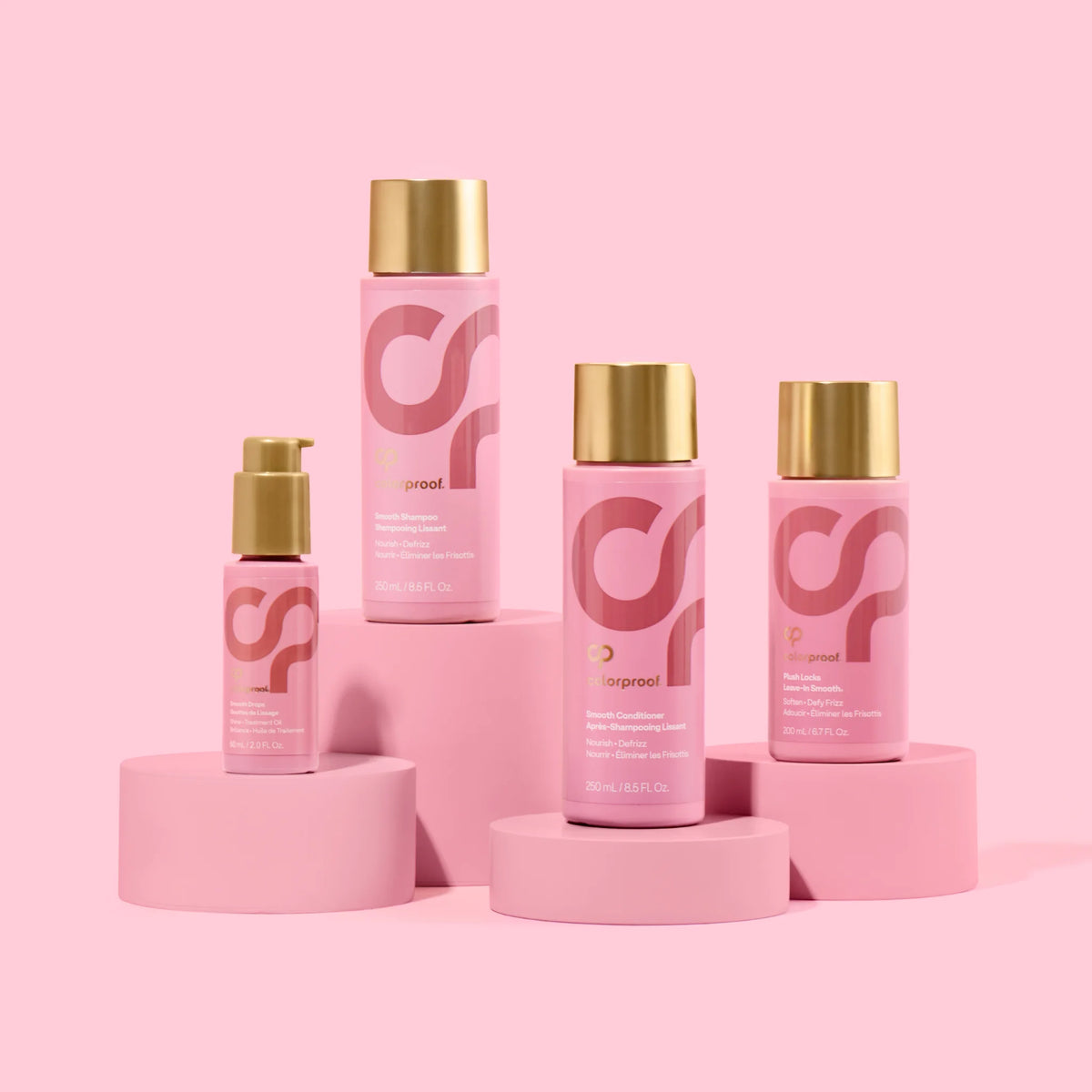
- Always cushion tone correction with moisture. Smooth Conditioner is a sulfate-free conditioner that detangles, nourishes, and helps protect against humidity and color fade, which makes it a helpful partner for hair that feels both warm-toned and thirsty.
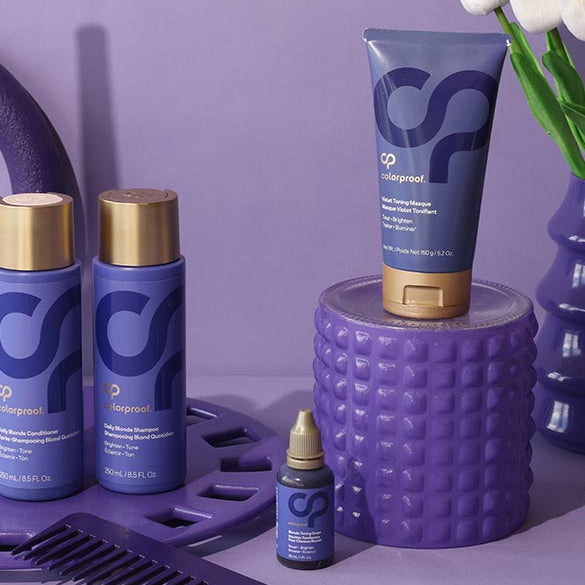
- For a deeper weekly step, a product like Weekly Blonde Masque can come in the routine where tone and softness need to meet.
Protect what you just corrected
- After every wash, use a leave-in to help seal the cuticle and reduce the daily wear that keeps loosening cool pigment. Porous hair loses tone faster, so anything that helps the surface stay smoother can support better color longevity.
- A daily inclusion such as Essential Leave-In makes sense here, especially if heat, sun, and frequent styling are part of your week.
- Then protect the finish: use heat and UV protection, rinse with cool water, and reduce wash frequency to two or three times a week when possible. This is the steadier answer to "How to fix brassy hair?" not one heroic wash, but a whole system that stops undoing itself.
How to Prevent Brassiness Before It Starts
Prevention is quieter than correction, but far more effective. When you build a routine around protection, you stop chasing tone and start keeping it.
| Habit | Why it helps |
|---|---|
| Detox or clarify regularly on hard-water hair | Prevents minerals and buildup from distorting the tone before toners are even applied. |
| Use UV protection daily | Slows oxidation that breaks down cool pigments. |
| Limit heat styling and always protect first | Reduces color fade and cuticle stress. |
| Wash less often | Keeps the cuticle from opening repeatedly and releasing toner. |
| Use leave-in protection consistently | Helps seal the surface and reduce roughness that makes the tone fade faster. |
| Tone by type, not by habit | Purple helps yellow; blue helps orange, and guessing wrong wastes time. |
If you have been wondering, "How to prevent brassy hair?" this is the difference between emergency correction and graceful maintenance.
When Brassiness Is Too Much for At-Home Products, and What to Do Instead
Sometimes the warmth is simply too deep, too uneven, or too persistent for home care to solve elegantly. If the whole head has shifted, if orange tones are dominating, or if the hair feels so over-processed that toner cannot seem to hold, it may be time to return to the salon. That is not failure. It is just good calibration.
Professional toning can rebalance a color that has moved too far, and a colorist can also see whether the real problem is lift, porosity, mineral saturation, or damage. After that reset, home maintenance becomes much more effective again, and much gentler than trying to scrub your way out of brassy hair by force.
FAQs
1. Why does my hair get brassy so fast after the salon?
Usually, because cool pigments fade faster than warm ones, especially on porous hair exposed to sun, hard water, heat, and frequent washing. The salon tone may have been beautiful; the environment simply worked against it quickly.
2. Can I use purple shampoo every time I wash my hair?
Usually no. Most hair does better with purple shampoo one or two times a week, alternating with a gentler, nourishing cleanser so the hair does not become dry or over-toned.
3. Does hard water cause brassy hair?
Yes, it can. Mineral deposits from hard water can distort blonde and highlighted tones, making them look duller, warmer, or muddier over time.
4. My hair is orange, not yellow. What should I use?
Use blue-based toning rather than purple. Purple targets yellow, while blue is the more suitable opposite for orange warmth.
5. Can brassy hair be fixed at home, or do I need to go to the salon?
Mild to moderate warmth can often be corrected at home with detoxing, proper toning, moisture, and better protection. Severe tonal shift, persistent orange, or very damaged hair usually deserves professional help first.
6. Does heat styling make hair brassier?
Yes, it can accelerate fade and stress the cuticle, which makes cool tones disappear faster. If you want to know "How to make your hair less brassy?", reducing unprotected heat is one of the most practical places to begin.