








Nobody tells you what normal looks like. You leave the salon with hair that looks incredible. Then, somewhere around week three, you find yourself checking it in different lights, wondering whether it's actually changed—or whether you've just gotten used to it.
Usually, it's a bit of both. Some color fade is inevitable. It's built into how permanent color works. The real question isn't whether your color is fading, because it is. It's whether it's fading faster than it should.
Here's what to expect, week by week, and the signs that something isn't going to plan.
How Long Does Hair Color Last?
Between four and eight weeks, depending mostly on what kind of color you had done and how far it was from your natural shade.
| Color type | With decent care | With poor care |
|---|---|---|
| Permanent, close to natural | 6 to 8 weeks | 4 to 5 weeks |
| Permanent, several shades lighter | 5 to 7 weeks | 3 to 4 weeks |
| Red and copper | 4 to 6 weeks | 2 to 3 weeks |
| Blonde with toner | Toner 3 to 5 weeks, base longer | Toner about 2 weeks |
| Demi-permanent | 12 to 24 shampoos | Fewer, and faster |
| Semi-permanent | 4 to 12 shampoos | Fewer, and faster |
| Fashion and vivid shades | 2 to 4 weeks by design | About a week |
Notice that the last three rows are counted in washes rather than weeks. That's the more accurate way to think about color longevity. Someone who washes twice a week and someone who washes every day will be on completely different timelines, even if they left the salon with the same color.
The Week-by-Week Timeline
Days 1 to 3: don't wash it
Color is still settling. The cuticle is closing around fresh pigment, and oxidative dye keeps developing for a while after you've left the chair.
Wash during this window, and you'll lose noticeably more than you would on day four. If your color looked different by day two without you doing anything, that's usually dye that never properly bonded rather than fade.
Week 1: the first wash looks worse than it is
This is the part that panics people, but it shouldn't.
Your first one or two washes rinse out excess pigment that was sitting on the surface rather than bonded inside the strand. There's often visible color in the water. It can look dramatic, but it's expected, and the fading slows considerably after the first few washes.
Judge nothing in week one. Seriously.
Weeks 2 to 3: the first real shift
Now you're seeing actual fade, and it's gradual and even. Brunettes tend to notice warmth coming through. Blondes might see the toner starting to go, which reads as brassiness rather than lightness. Reds lose the most in this window because red molecules are large and don't sit as deeply.
Shine drops off a bit too, which people often read as color loss when it's really surface condition. A masque usually fixes that in one go.
Weeks 4 to 5: the "am I due?" weeks
Most people start thinking about a refresh here. Half of them don't need one.
This is where fade and buildup get confused, and the distinction matters because they need opposite fixes. Faded color is genuinely lighter than it was. Dull color is the same shade sitting under a film of minerals and product. Clarify once, and you'll know which one you've got within a single shower.
Weeks 6 to 8: roots take over the conversation
Hair grows about half an inch a month, so by now you'll usually see a visible line of regrowth. If you're covering gray, the contrast often makes it noticeable even sooner.
At this point, the root regrowth is usually a bigger visual problem than the fade. Which is good news, because a root touch-up is cheaper, faster, and much kinder to your hair than pulling color through the whole length again.
What's Normal and What Isn't
Normal looks like this: gradual, even lightening across the whole head. A shift toward warmth. Slightly less shine. Roots showing at three to four weeks.
Worth investigating:
- Dramatic change after a single wash past week one. Usually a sulfate shampoo or hard water.
- Patchy fading, where some sections have gone and others haven't. That's an application or porosity issue, and it's a conversation with your colorist.
- Brassiness inside the first week. Toner failed, or your water is doing something.
- Color that looks muddy rather than lighter. That's buildup, not fade. Clarify.
- Anything alongside scalp irritation. Different problem, covered in hair thinning after coloring.
Which Colors Fade Fastest?
Red and copper, by a comfortable margin. Their color molecules are larger than those in most other shades, making them more likely to fade with repeated washing. If you're a redhead, maintenance isn't optional; it's the difference between four weeks and two.
Then vivid and pastel shades, which are semi-permanent by design and behave exactly as intended.
Then blonde toners, which sit on top of the underlying warmth. When the toner goes, the warmth is still there, so blonde tends to go brassy rather than pale.
Darker permanent shades close to your natural color last longest, because there's less contrast to lose.
How to Slow the Timeline Down
Four things, in order of how much they matter.
Wash less and wash cooler. Every two to three days, lukewarm in, cool for the last ten seconds. The full method is in how often to wash color-treated hair.
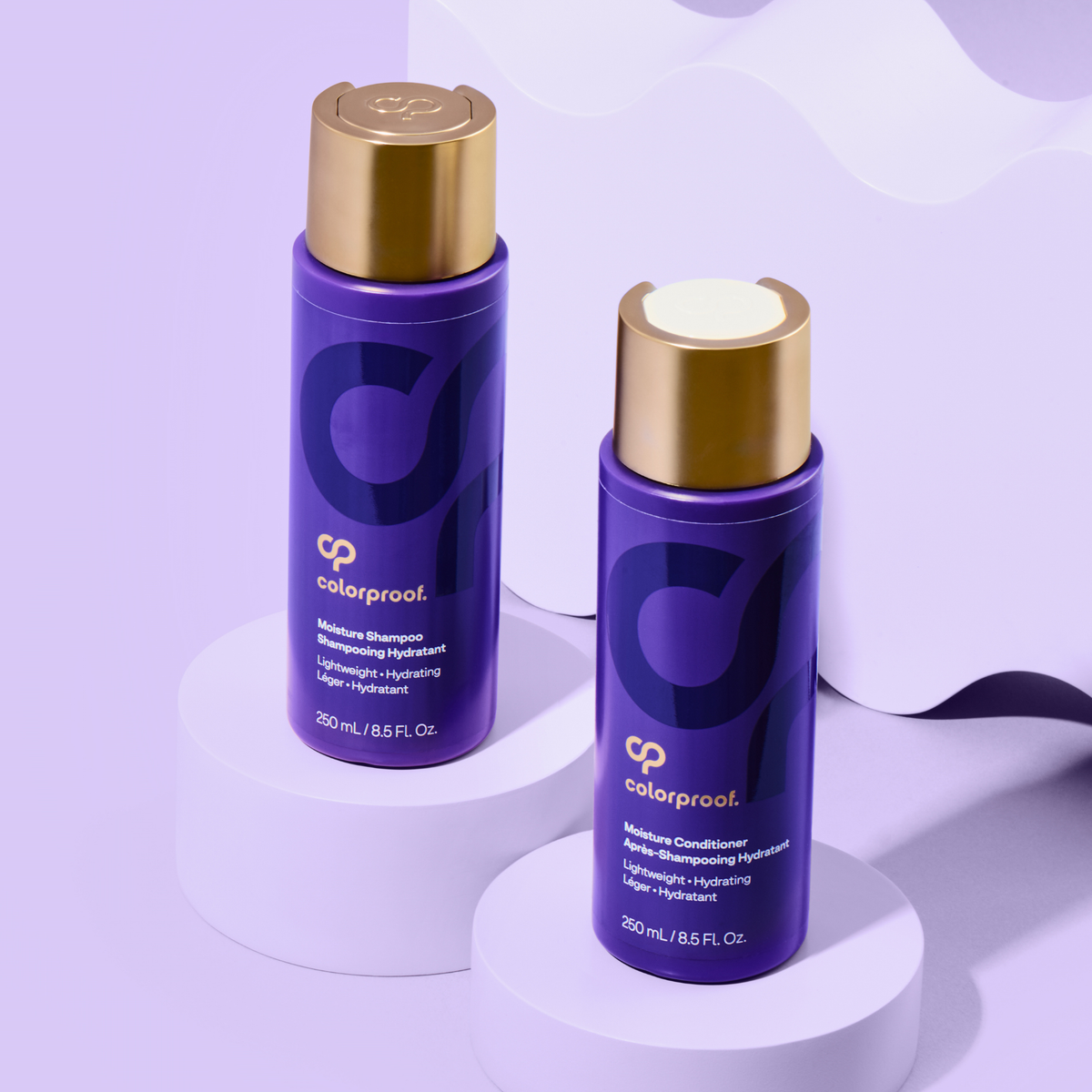
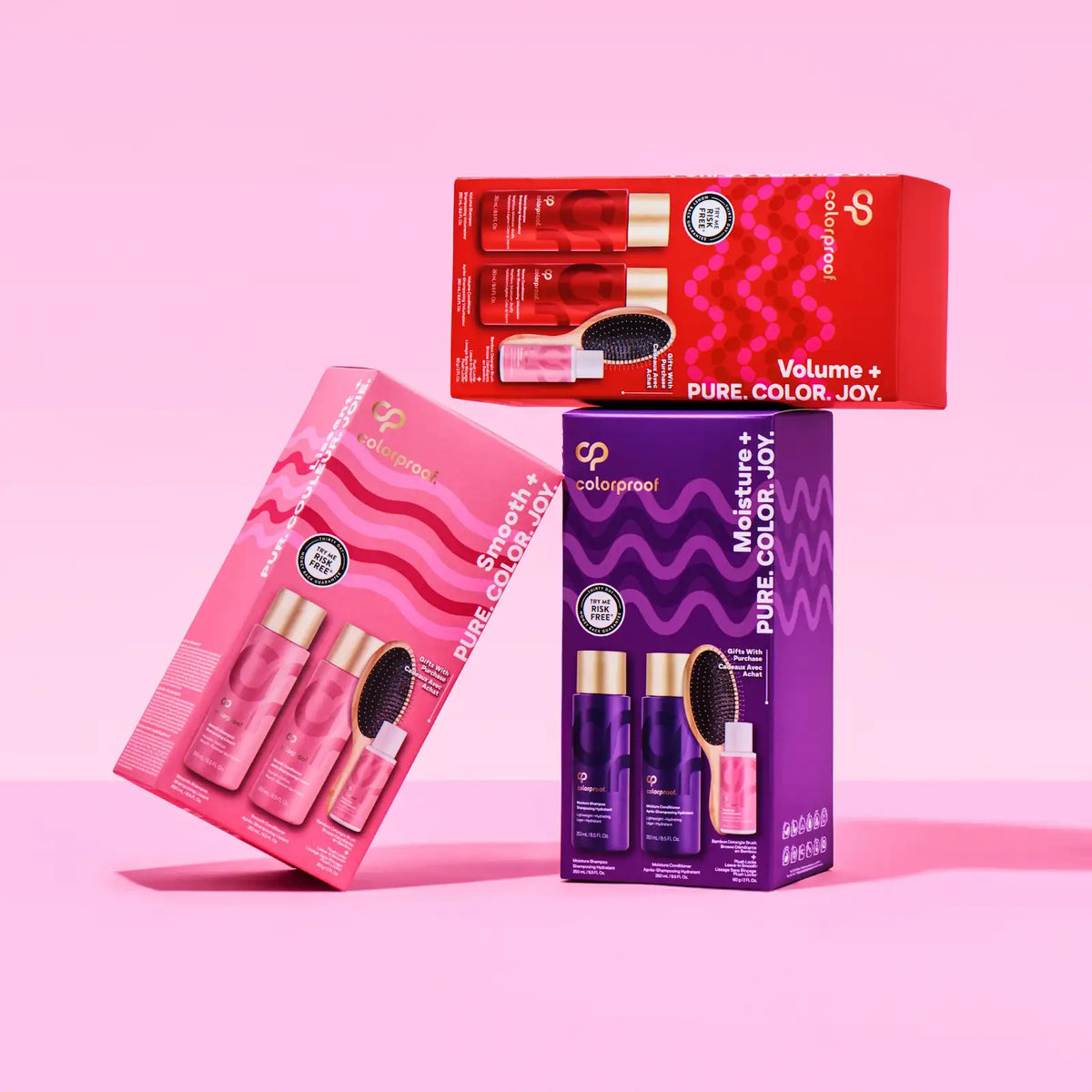
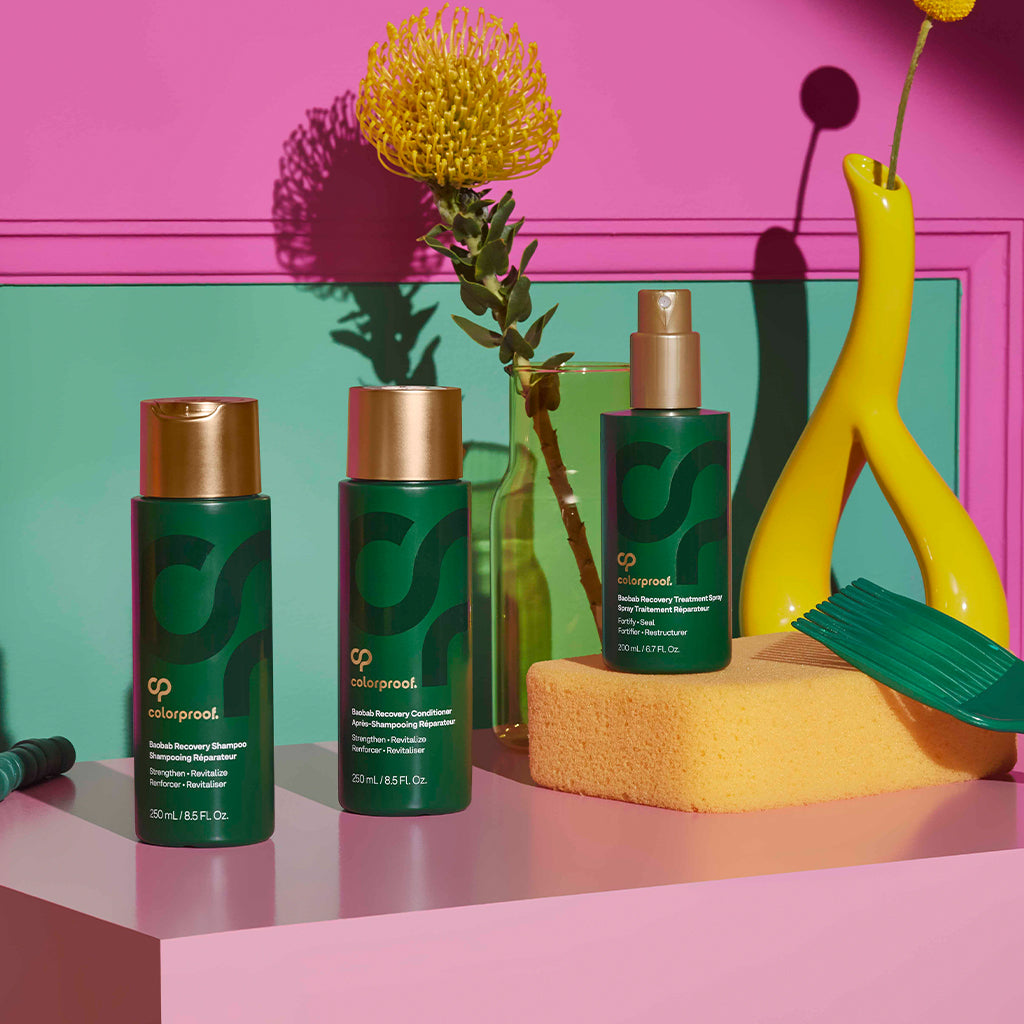
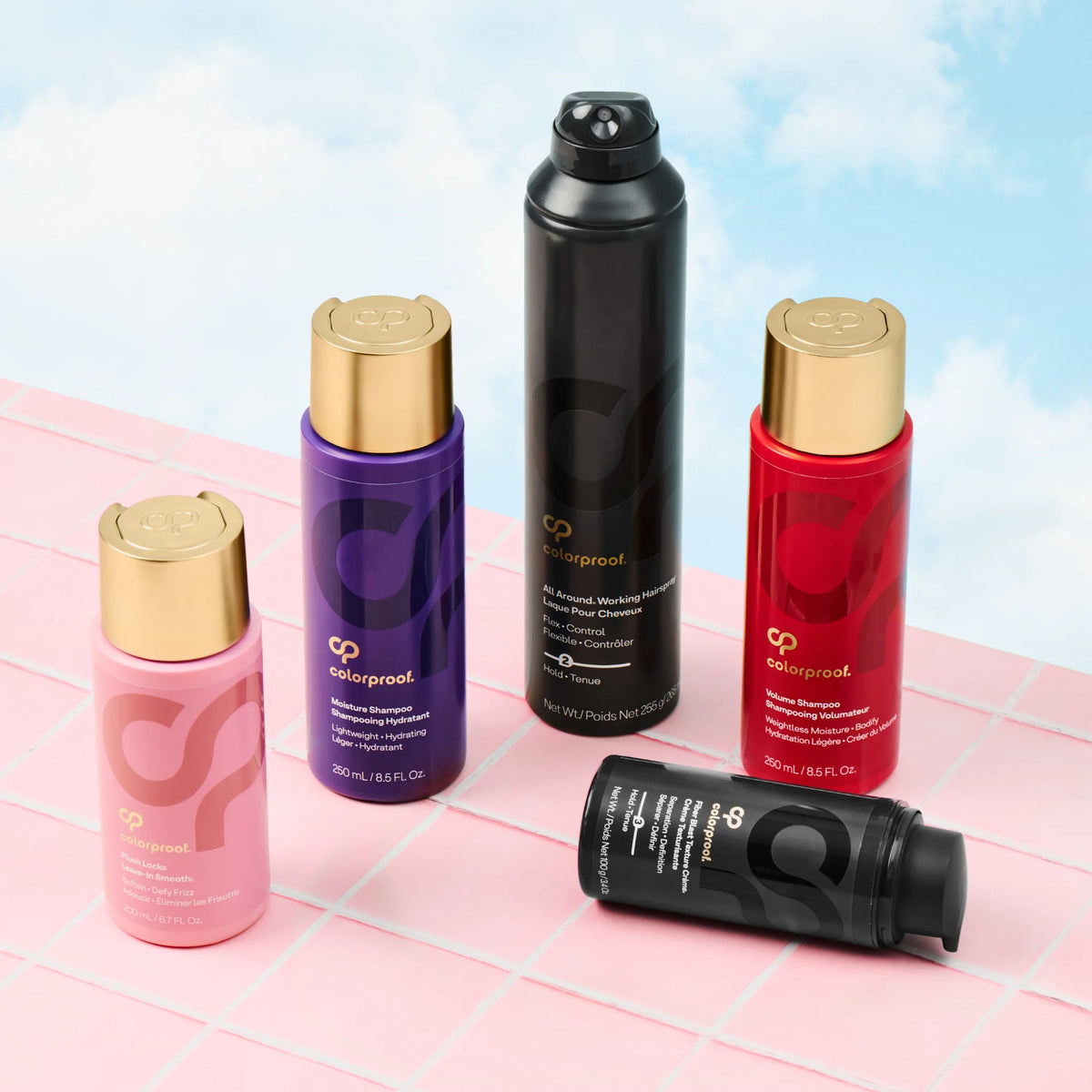
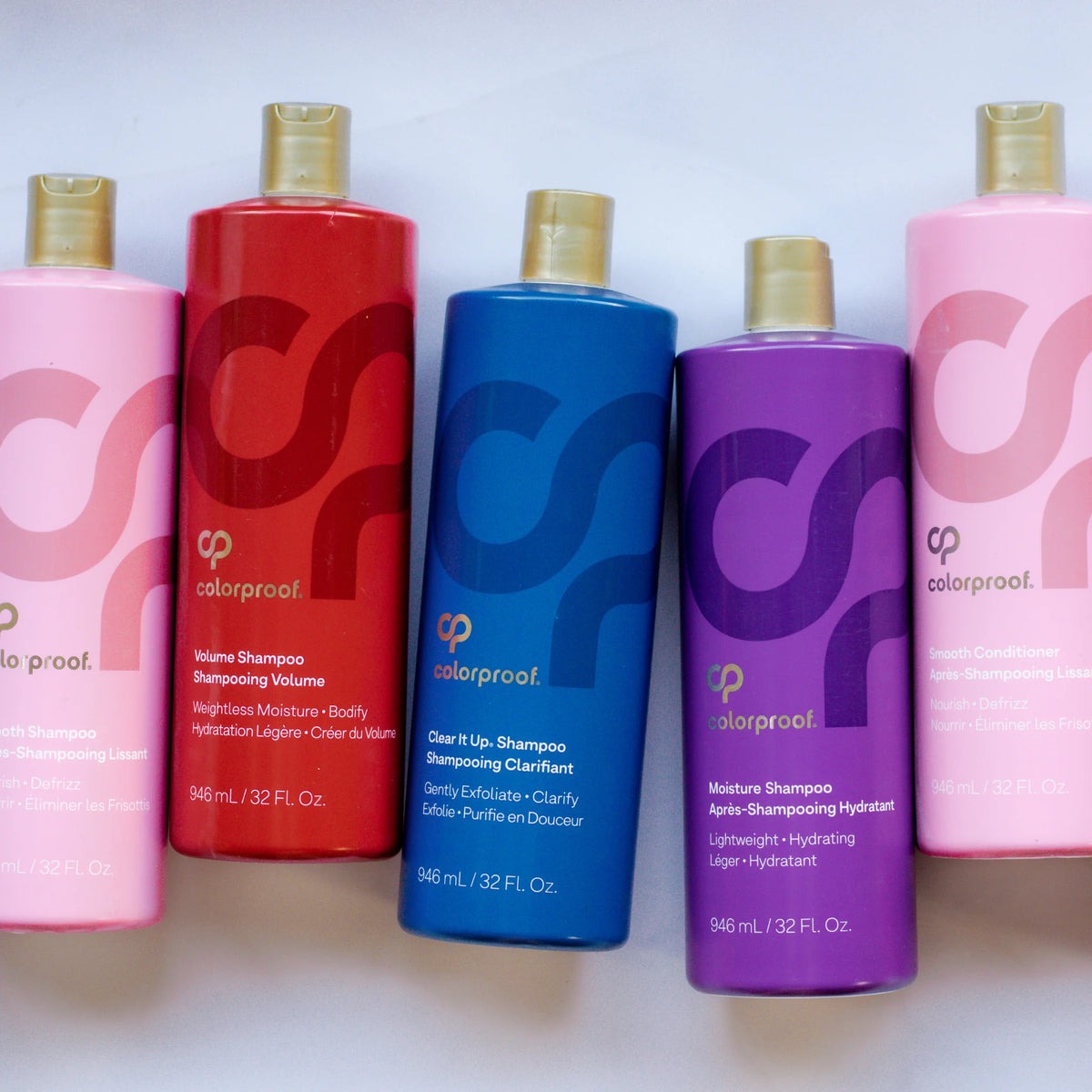
Use a sulfate-free formula. Moisture Shampoo + Conditioner if your hair runs dry, Baobab Recovery Shampoo if it's been lifted or bleached. Picking between them is covered in choosing a sulfate-free shampoo by hair type.
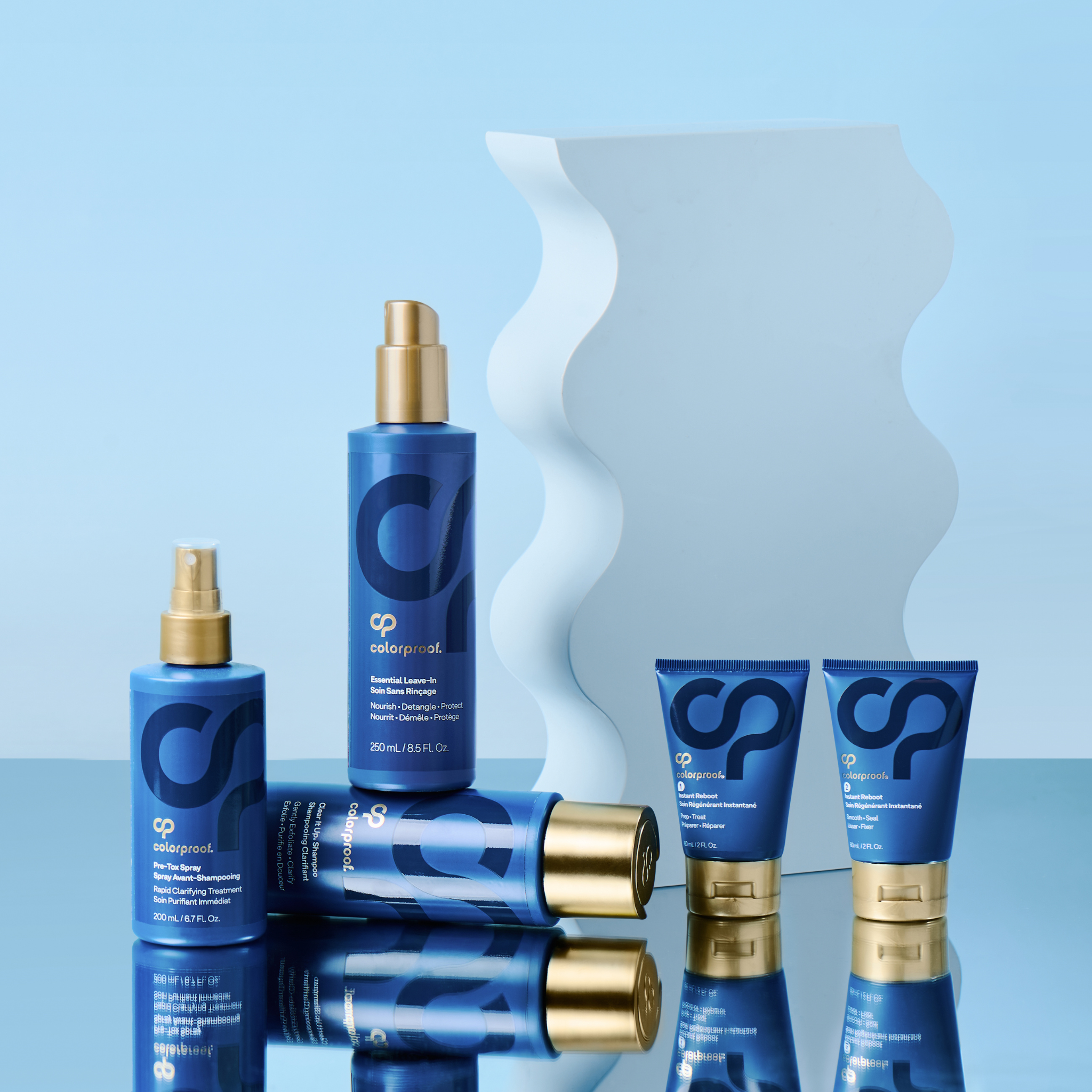
Protect against heat and UV daily with Essential Leave-In, because both of those fade color and neither of them is a wash-day problem.
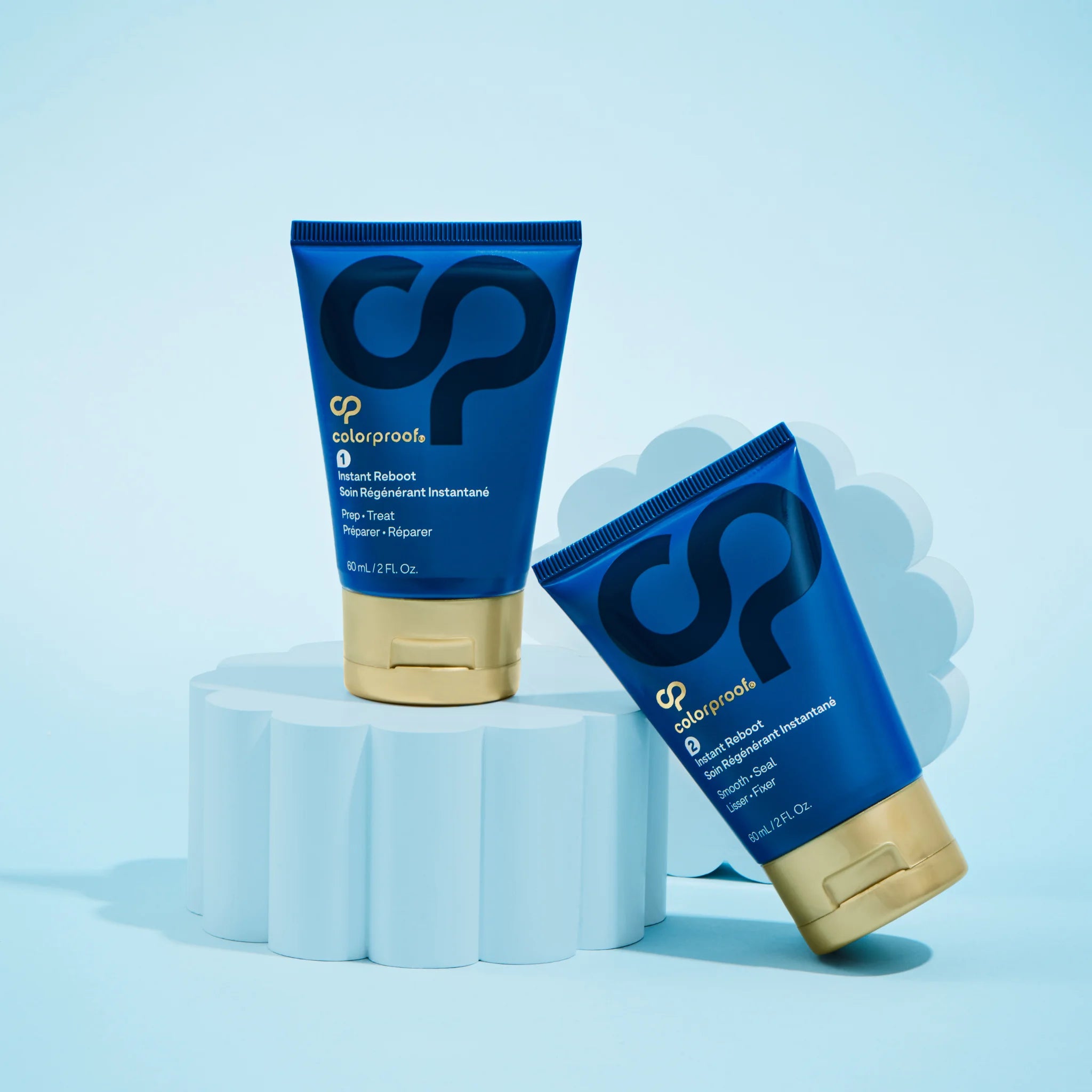
Masque weekly with Instant Reboot Treatment Masque, and clarify monthly with Clear It Up Shampoo so you're not mistaking buildup for fade.
Done consistently, that's realistically five or six extra weeks between appointments. Which is a saving worth having.
FAQs
Q.1 How long does hair color last?
Four to eight weeks for permanent color, depending on how far it is from your natural shade. Demi and semi-permanent are better counted in washes, at roughly 12 to 24 and 4 to 12 respectively. Reds and vivids fade fastest, darker shades near your natural color last longest.
Q.2 When does hair color start to fade?
From the very first wash. That's when any unbound color left on the surface is rinsed away. The first fade you'd actually call fade shows up around weeks two to three. Week one looking dramatic is normal and not a sign of anything.
Q.3 How fast does hair color fade with daily washing?
Roughly twice as fast, and faster still with a sulfate shampoo. Color life tracks the number of washes much more closely than the number of weeks, which is why two people with identical color can be six weeks apart in how it holds.
Q.4 Is it normal for color to look duller after a month?
Yes, and it might not even be fading. Mineral and product buildup form a film that makes color read as flat and slightly darker while the pigment underneath is fine. Clarify once with a gentle sulfate-free formula and see what's actually there before you book anything.