










You're in the shower, squinting at the back of a bottle you grabbed on sale. Sodium lauryl sulfate. Methylparaben. Fragrance. You spent two hundred dollars on your color three weeks ago, and now you're wondering whether the shampoo in your hand is helping protect it or washing it away faster than it should.
Here's the uncomfortable truth: the products you use between salon visits define how long your color stays, and most drugstore formulas work against you. Learning how to care for color treated hair without sulfates or parabens can sound like marketing until you see the difference: color that fades after three weeks versus color that still looks fresh eight weeks later.
What Do Sulfates and Parabens Actually Do to Color-Treated Hair?
Harsh sulfates can leave color-treated hair feeling drier and may contribute to faster color fade. SLS and SLES are the aggressive detergents behind that satisfying lather, and they cannot tell the difference between yesterday's dry shampoo and the pigment sitting in your hair's cortex. Every wash slightly lifts the cuticle, making it easier for color molecules to gradually rinse away.
Parabens work differently. They're preservatives that help keep a formula stable over time. Pair that with a harsher cleanser, and over time you can end up with hair that feels drier, rougher, and less vibrant. You won't notice the difference after one wash, but after a few weeks, your color may not look quite as fresh.
How to Wash Color-Treated Hair the Right Way
Knowing how to wash color treated hair comes down to three things: cooler water, fewer washes, gentler formulas. That's most of the battle.
Water temperature
Wash with lukewarm water and finish with a cool rinse. Hot water can leave the cuticle more open, allowing color to fade more quickly over time. A cool final rinse helps smooth the cuticle, leaving hair looking shinier and feeling smoother. And if a cold rinse sounds like a challenge, don't worry ten seconds is enough to make it worthwhile.
Frequency
Every two to three days, but not daily. Your scalp's natural oils are one of the best conditioners your hair has. Washing every day removes them before they've had a chance to help protect and nourish your color-treated strands.
Technique
Shampoo the scalp, not the lengths. The lather rinsing through is enough to cleanse your ends, so there's no need to scrub them directly. Then detangle wet hair gently with a Bamboo Detangle Brush. Wet, color-treated hair is at its most vulnerable, so gentle brushing helps minimize stretching, knots, and breakage.
How to Choose a Sulfate-Free Hair Routine for Your Hair Type
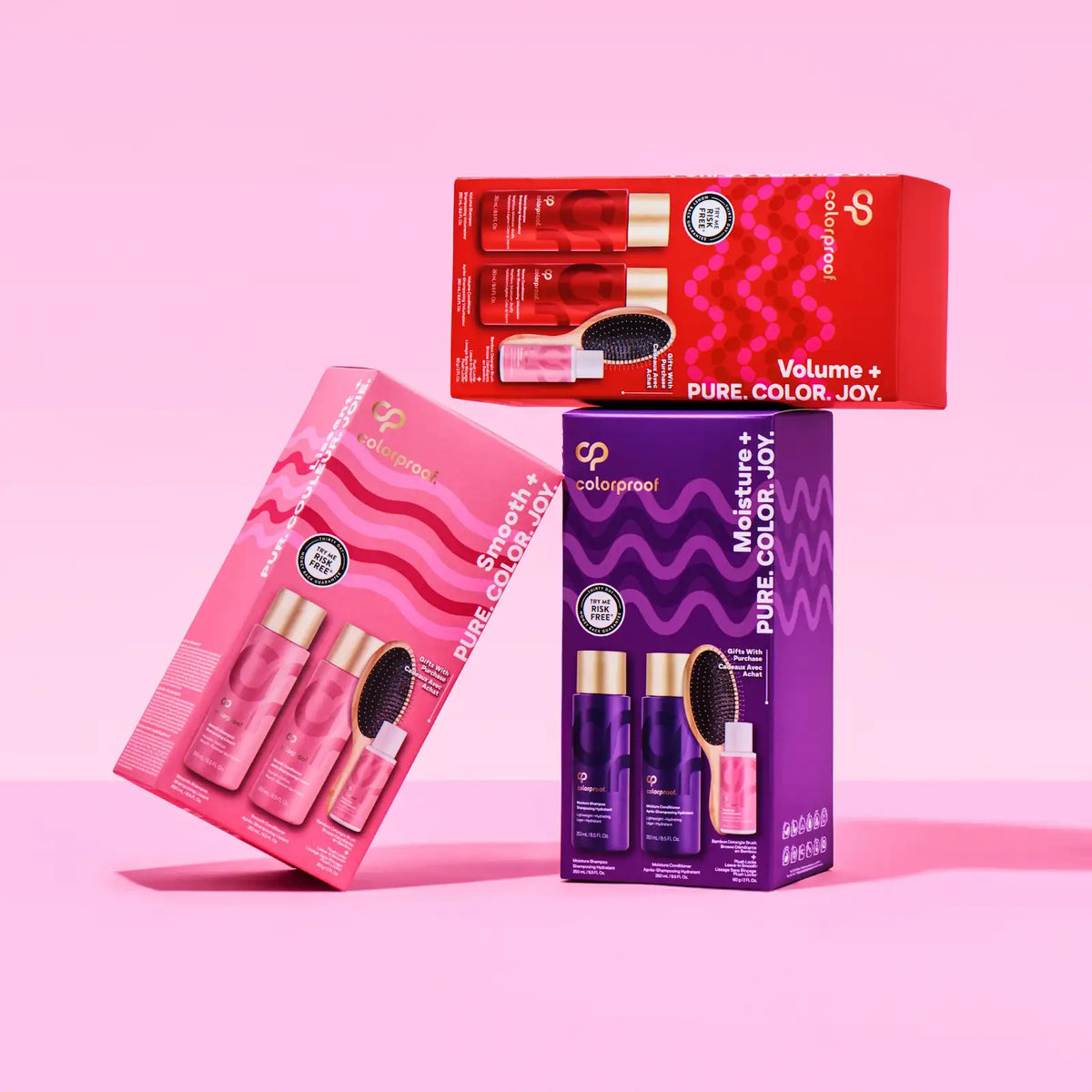
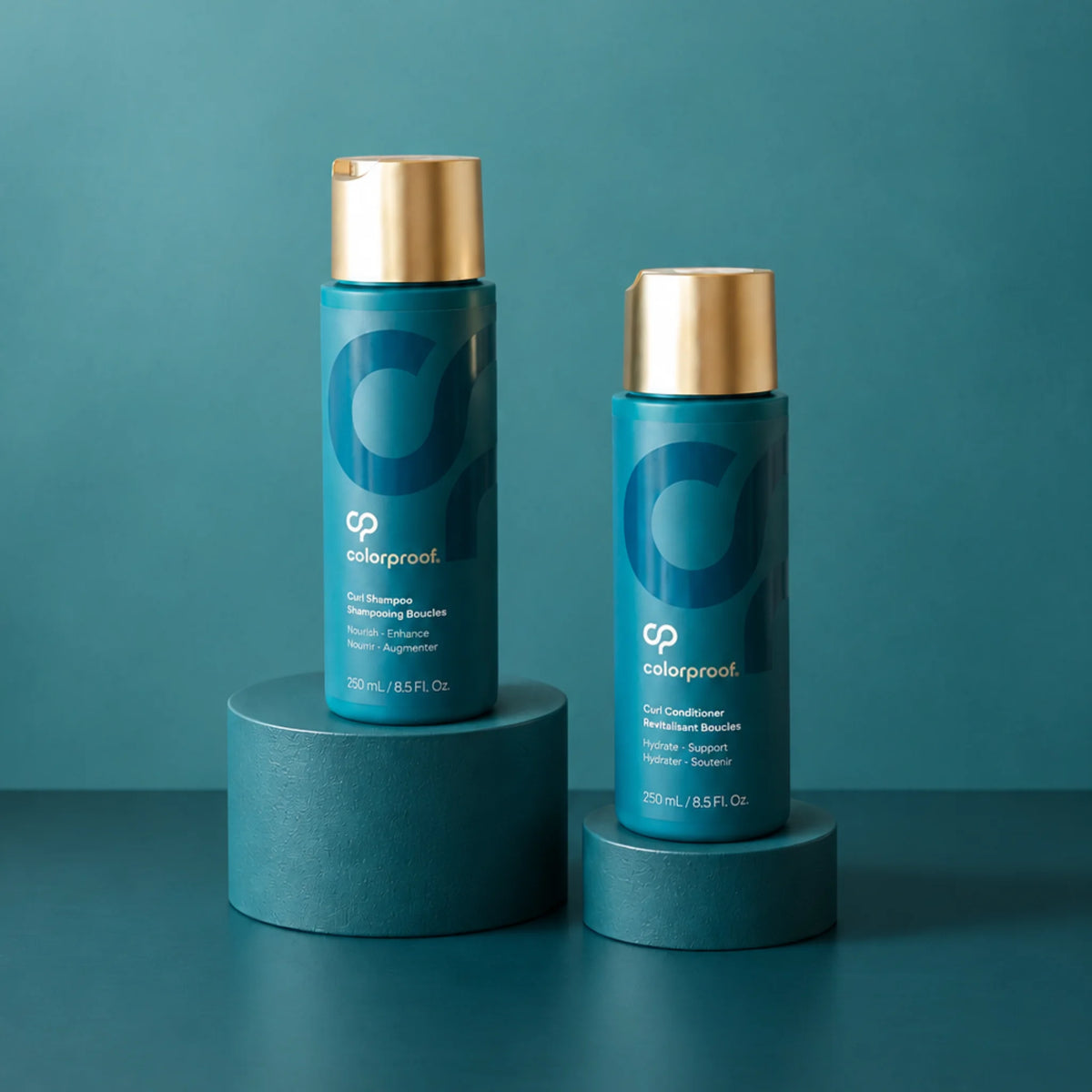
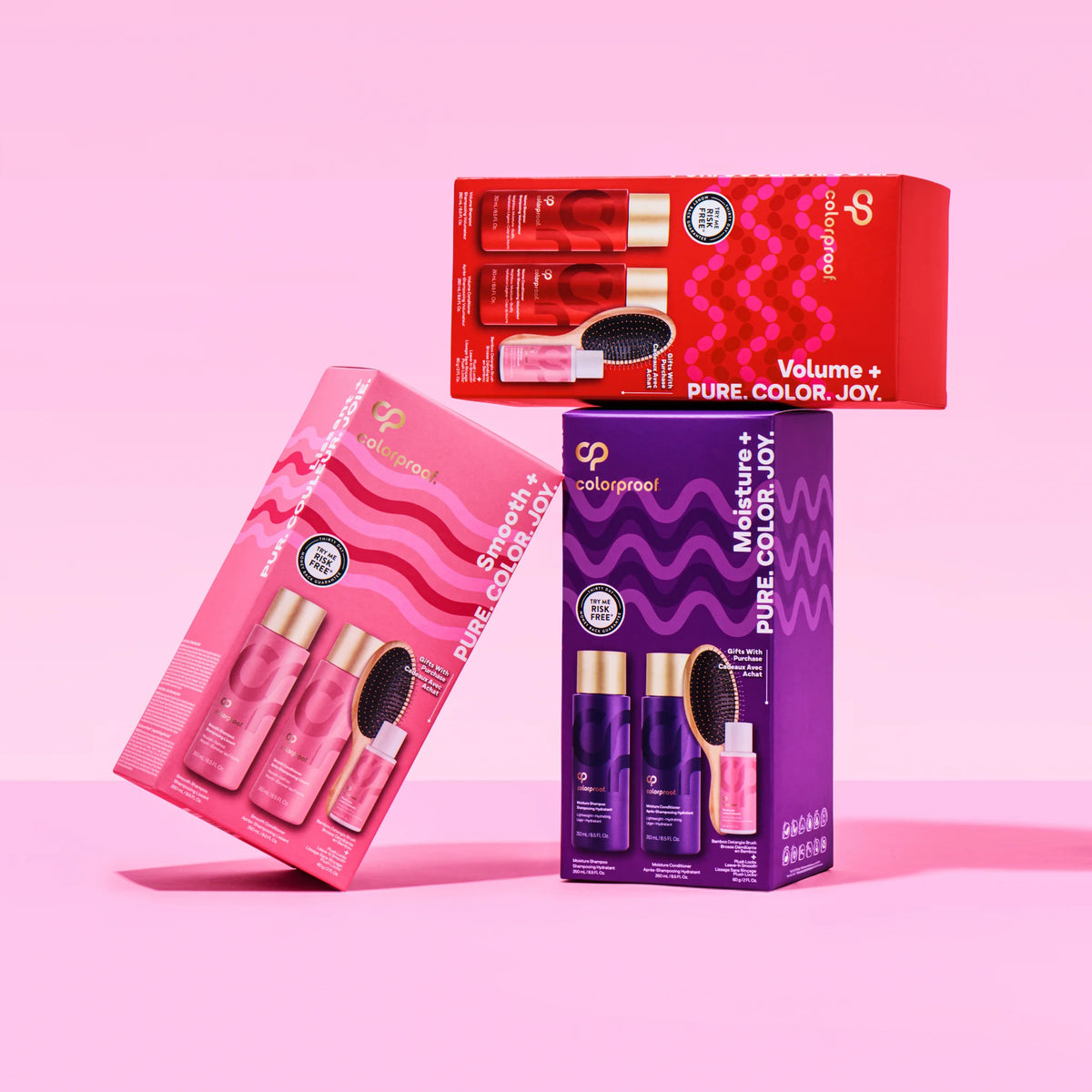
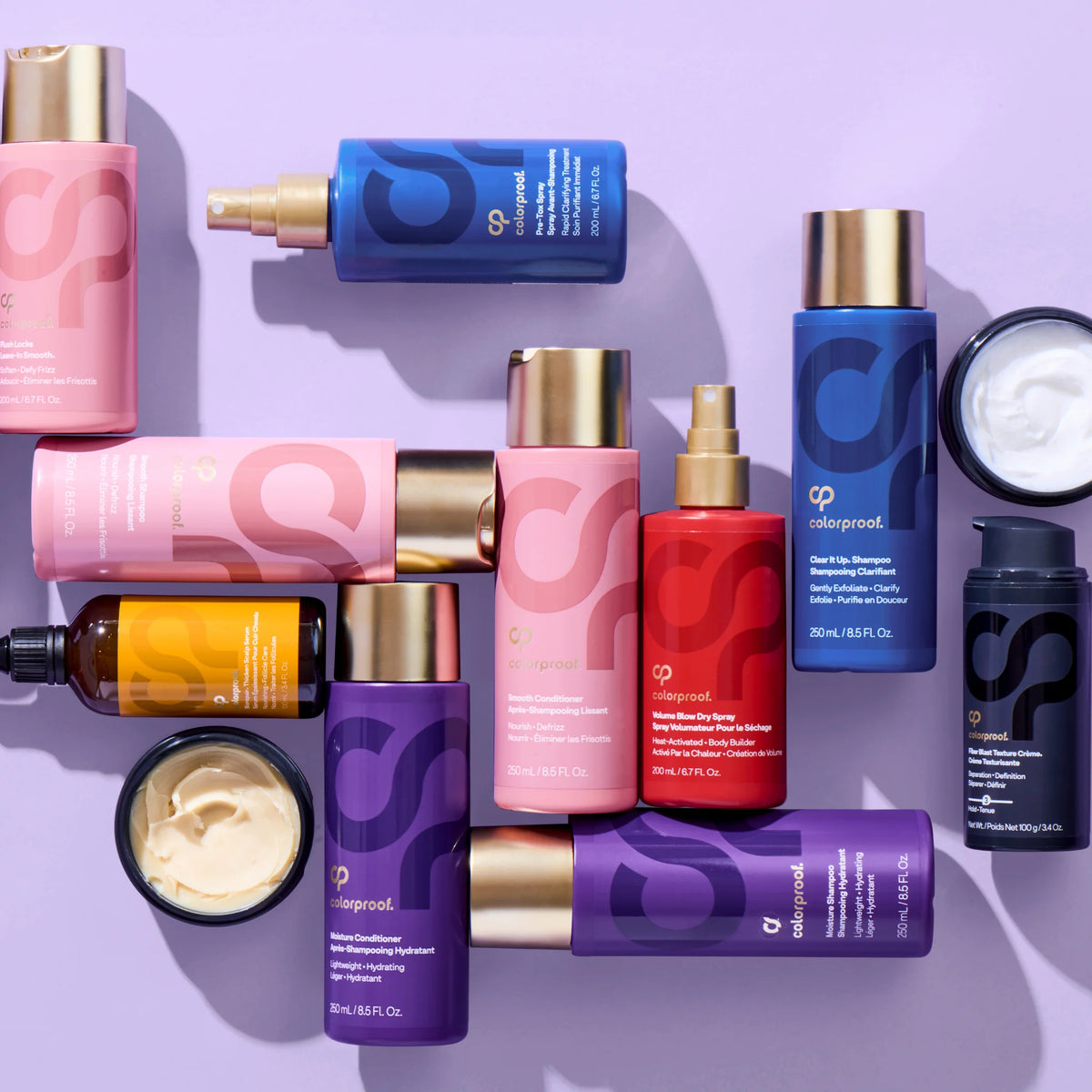
A sulfate-free routine works best when it's matched to what your hair actually needs. Half of how to care for color treated hair is simply choosing the right formula for your hair. Every ColorProof collection is sulfate-free and paraben-free; the only decision is which one fits your hair best.
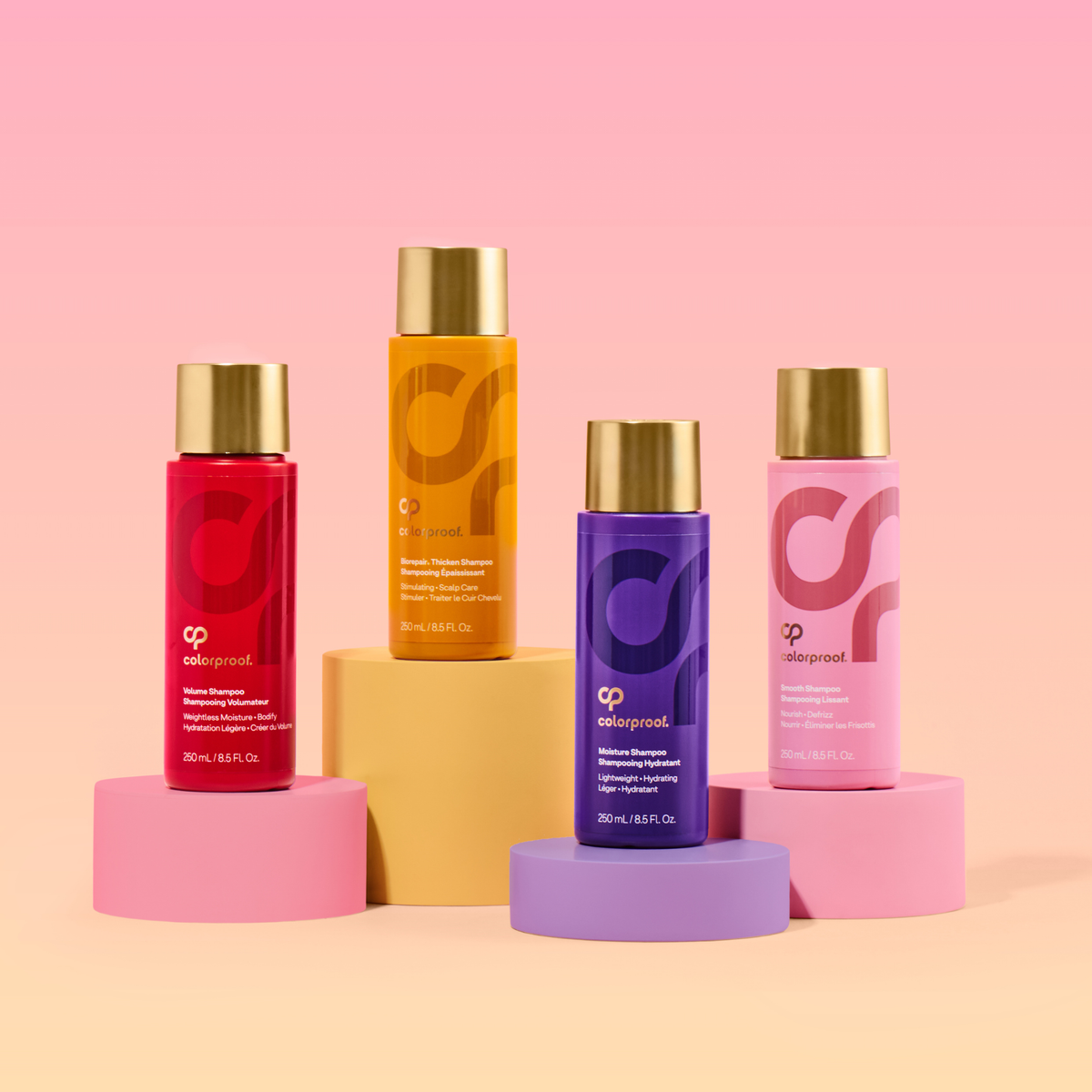
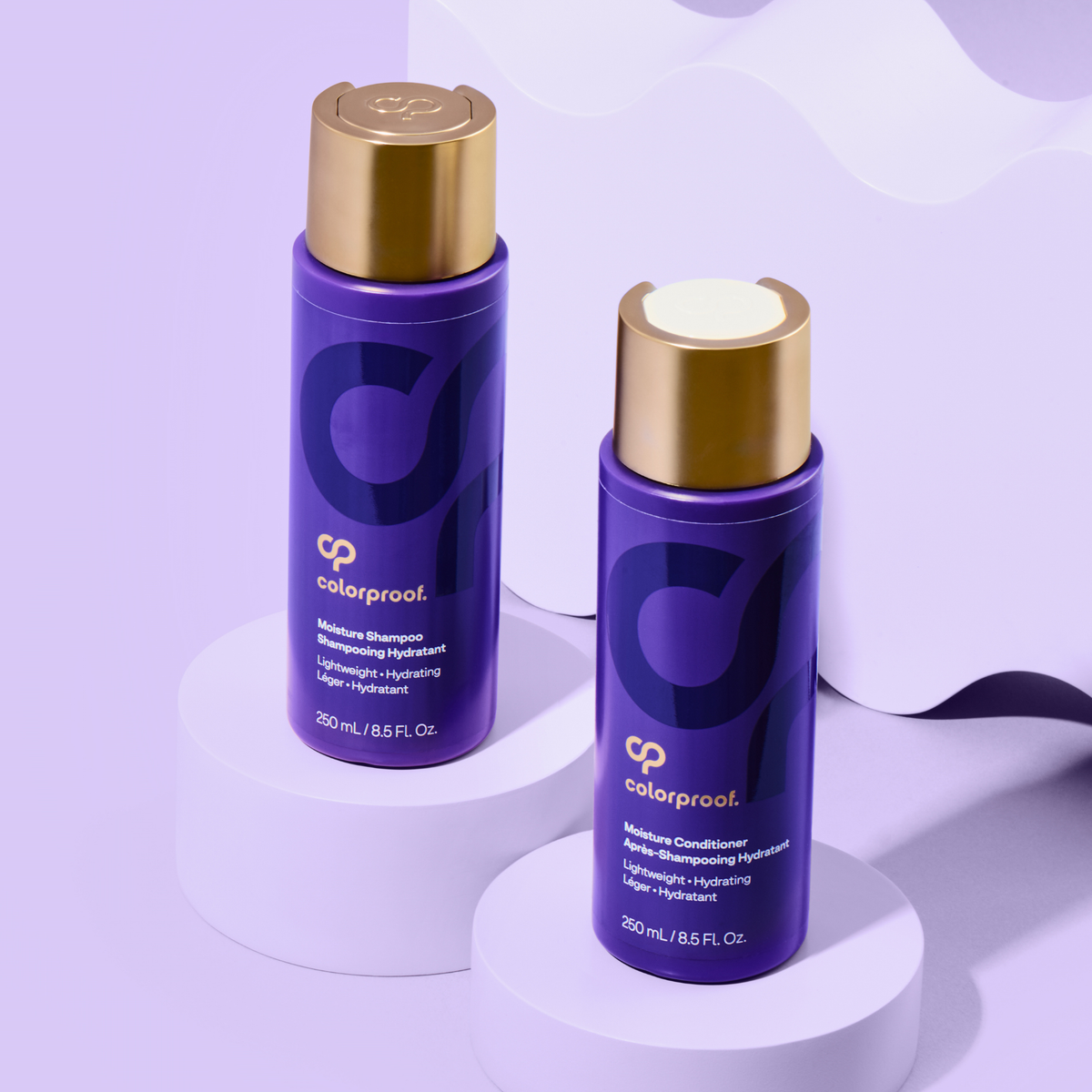
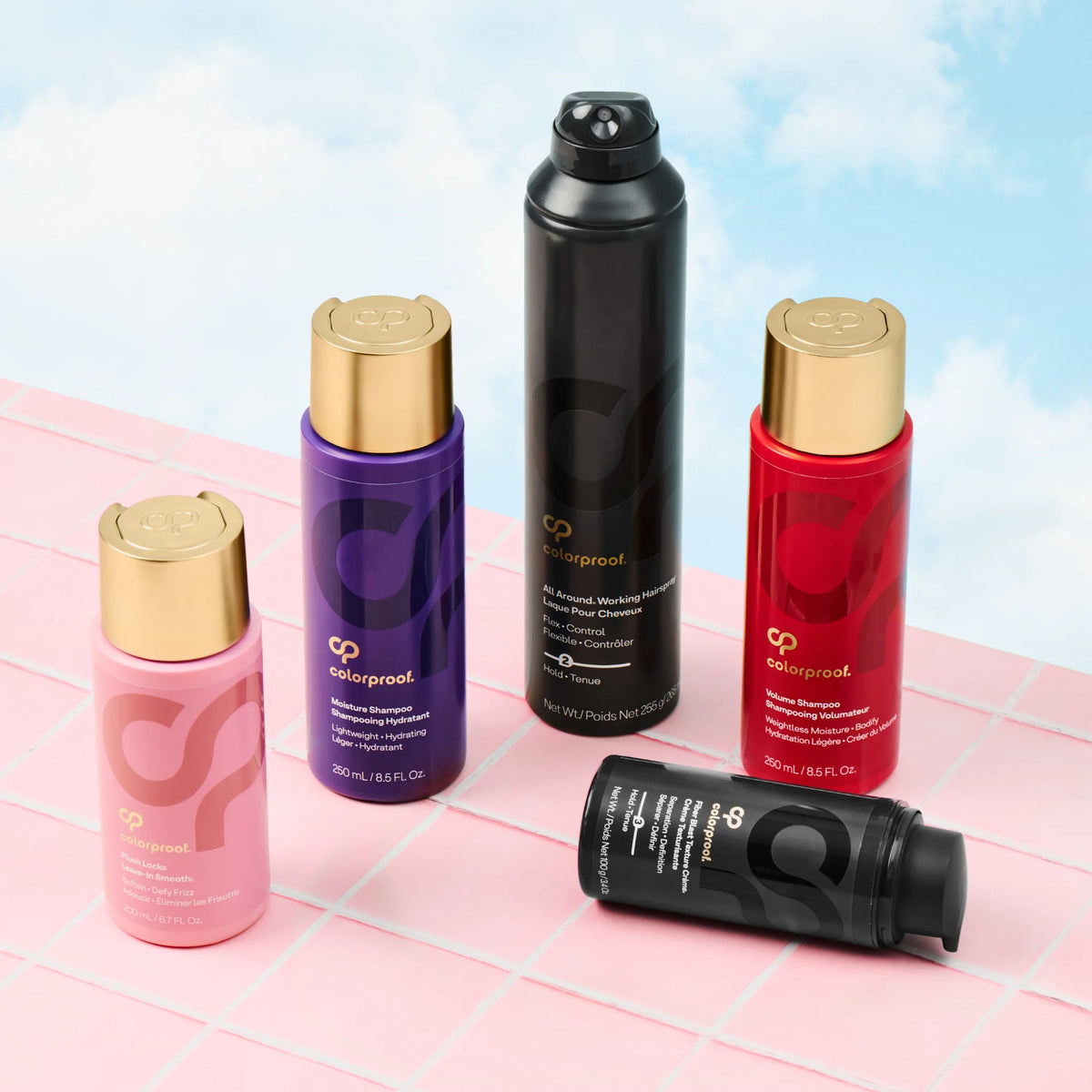
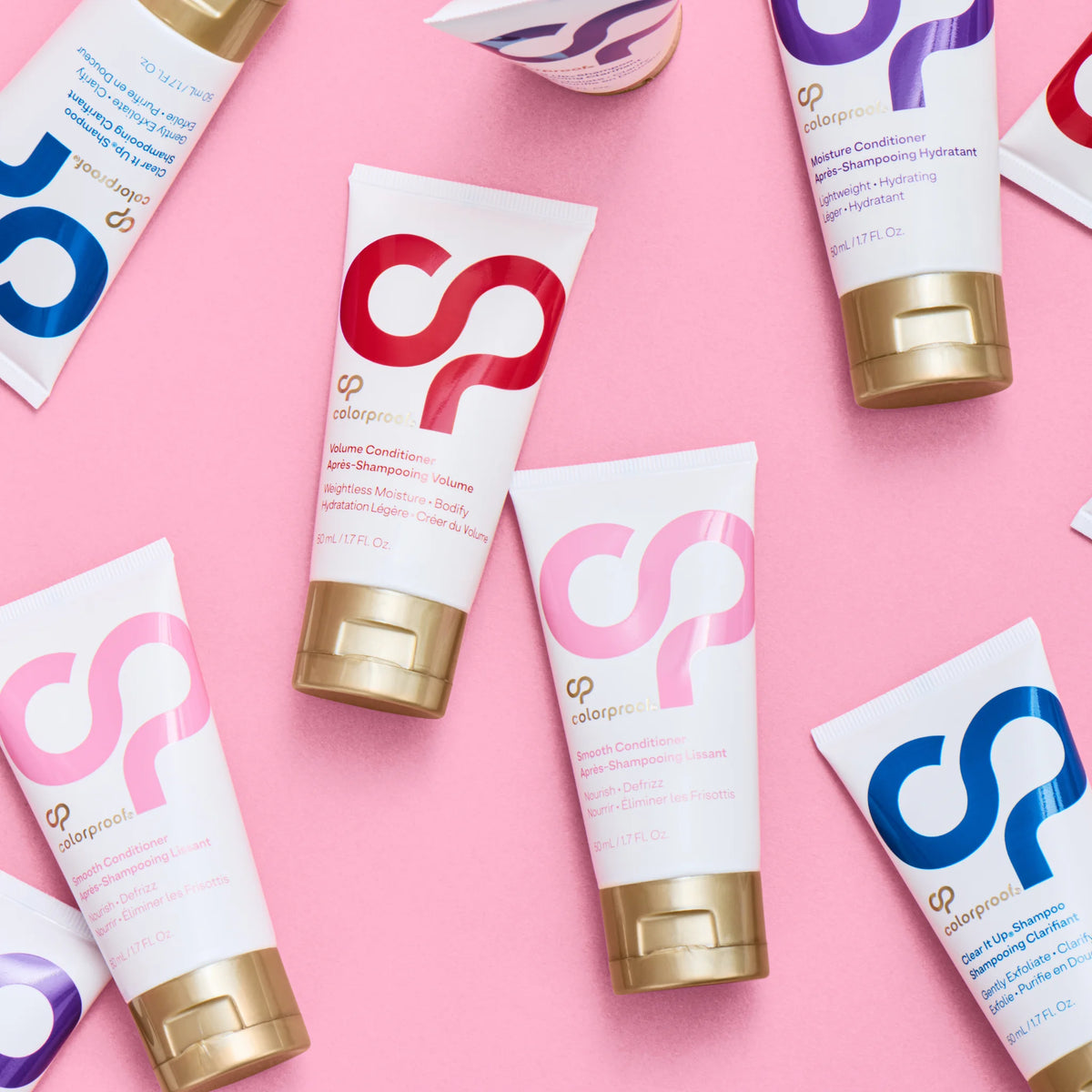
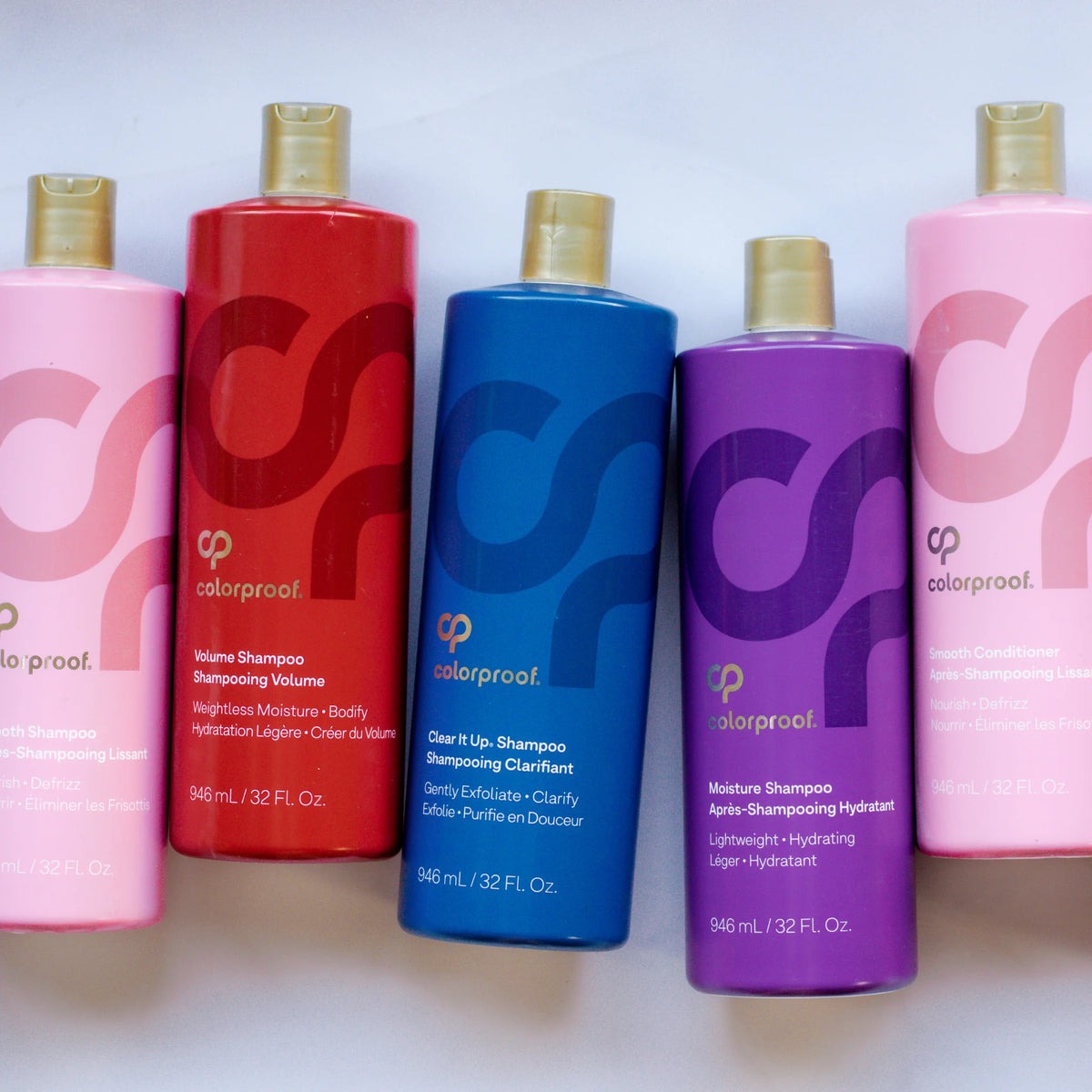
- Dry, thirsty hair wants the Moisture Shampoo + Conditioner. Rehydration without the weight.
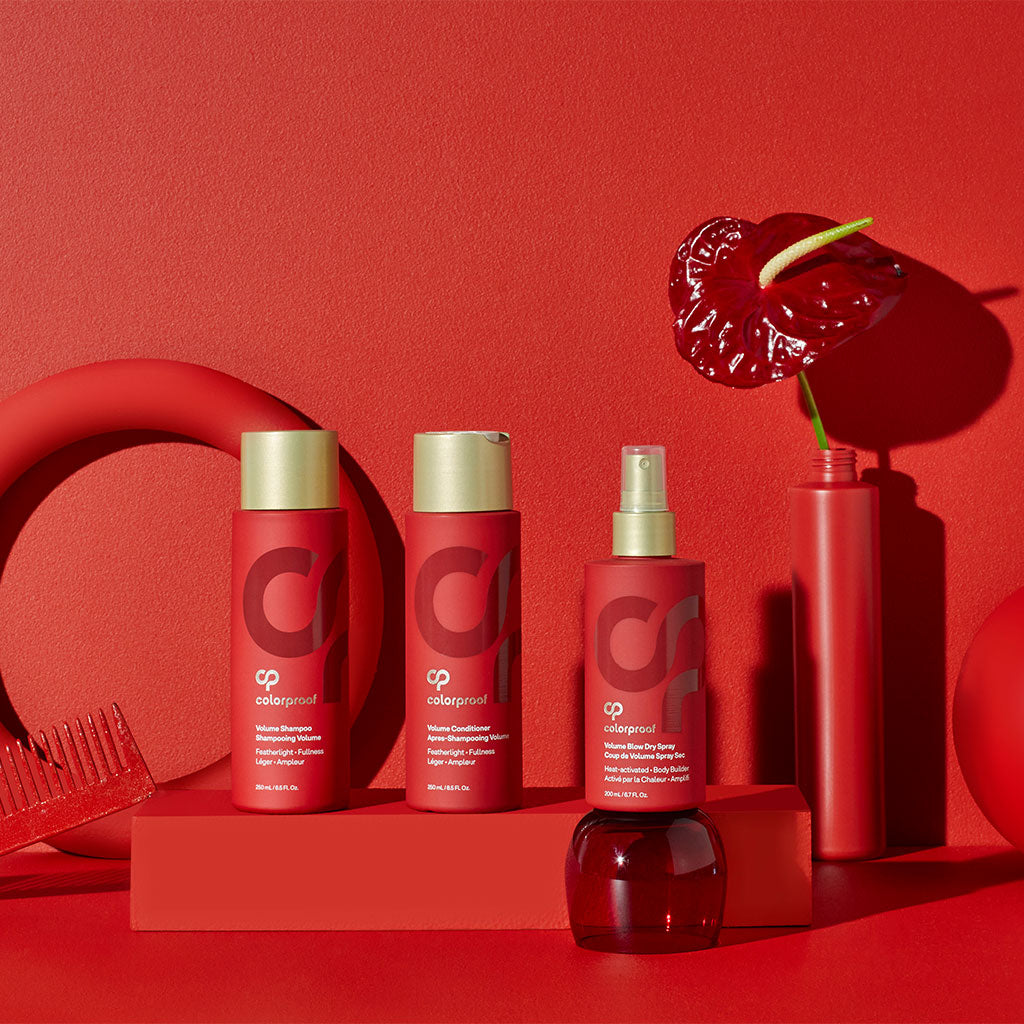
- Fine or flat? Volume Shampoo and Volume Conditioner build body and lift without weighing hair down.
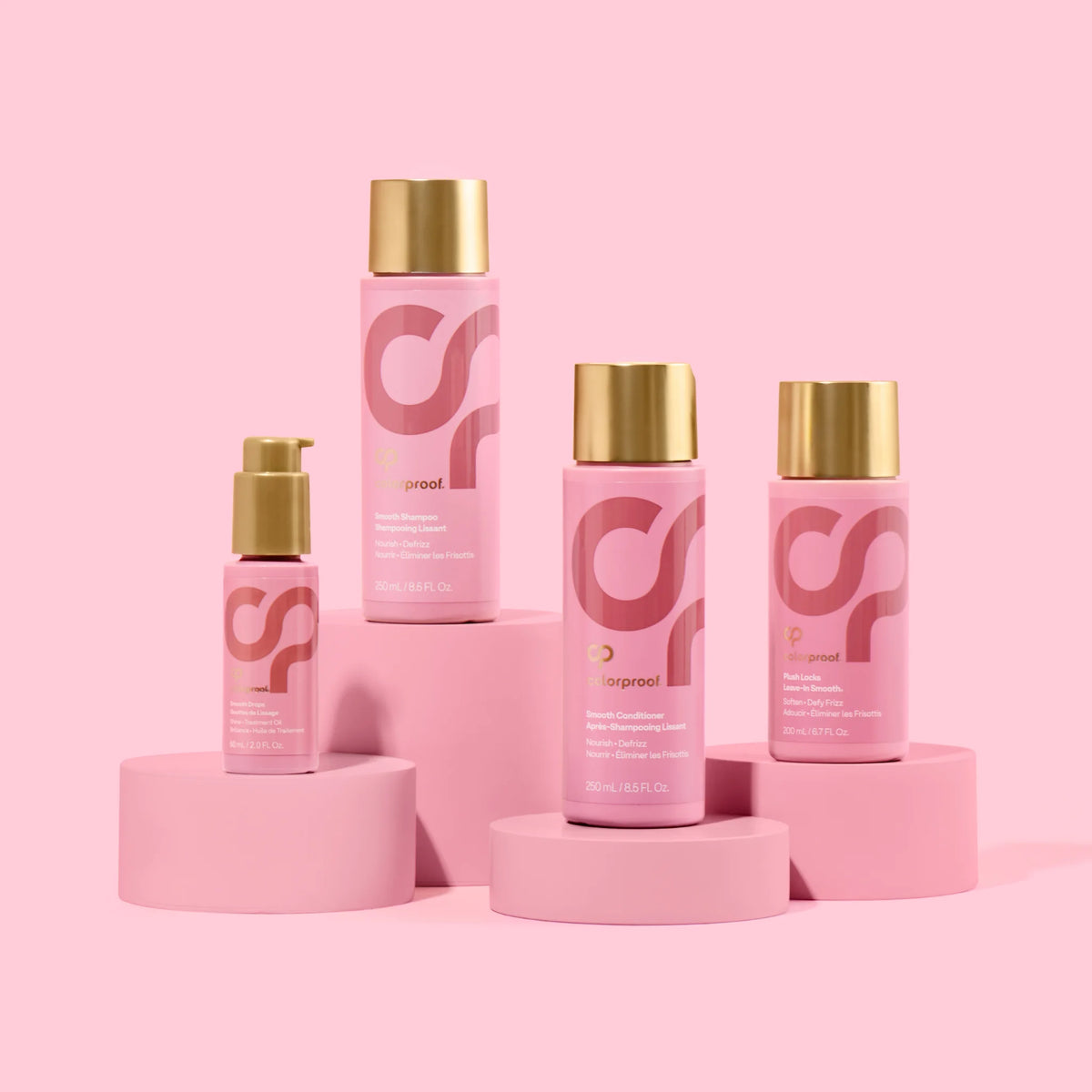
- Smooth Shampoo and Smooth Conditioner for the frizz-prone. Tames the halo, skips the grease.
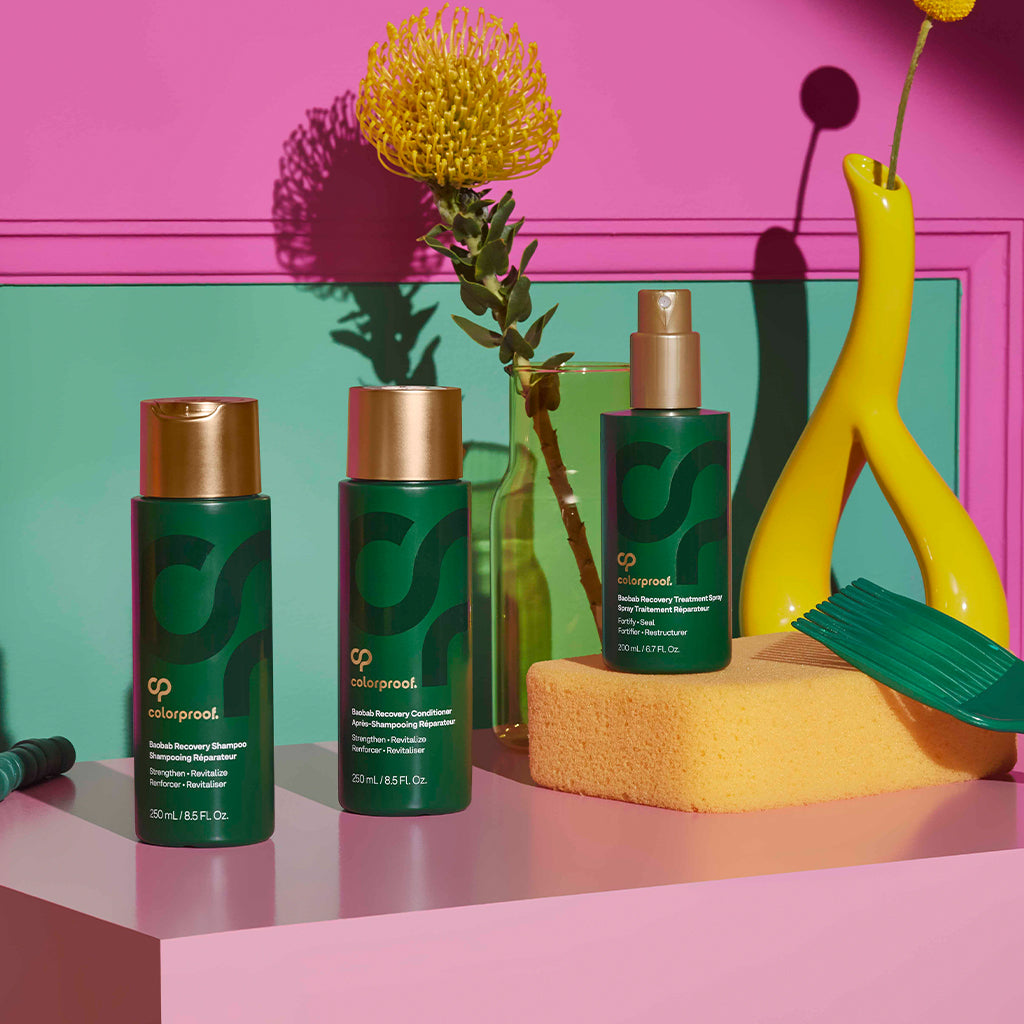
- Baobab Recovery Shampoo restores damaged, over-processed hair while it cleanses. The one to reach for after bleach.
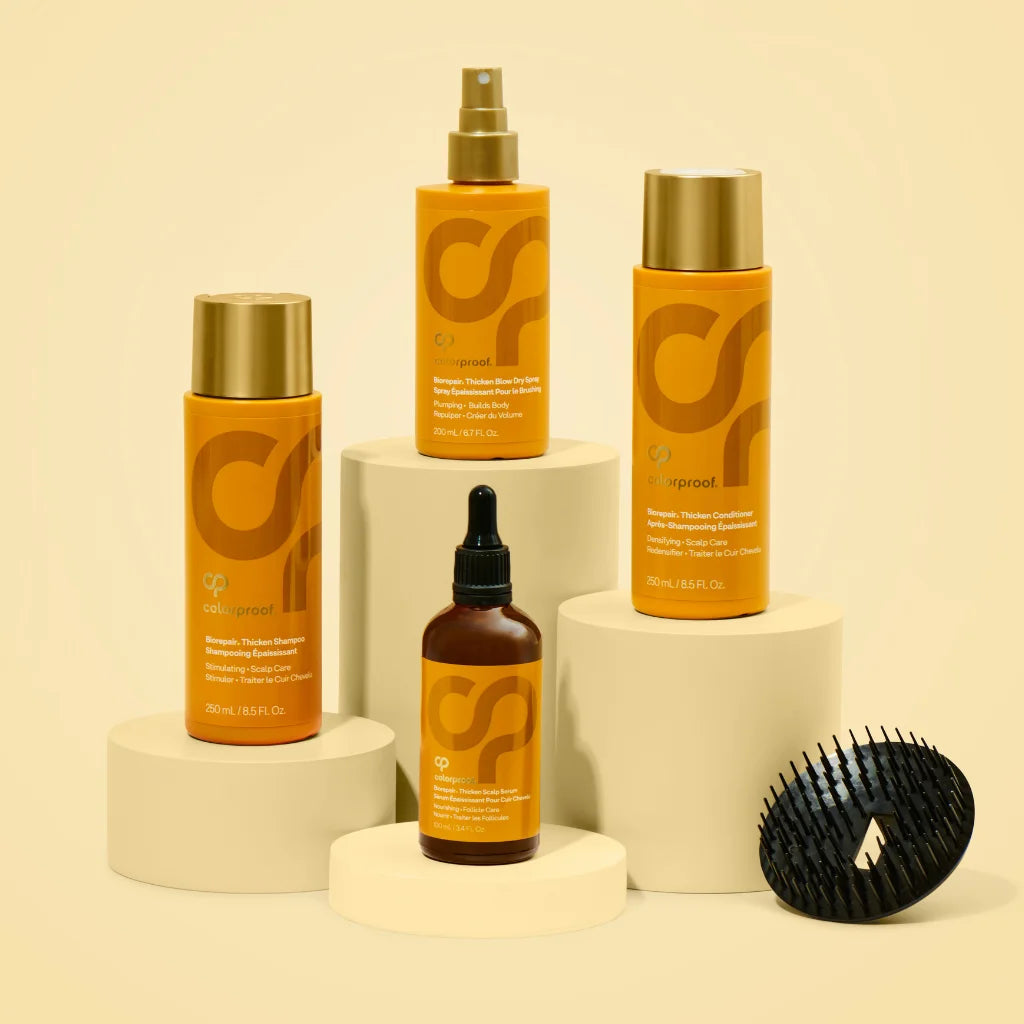
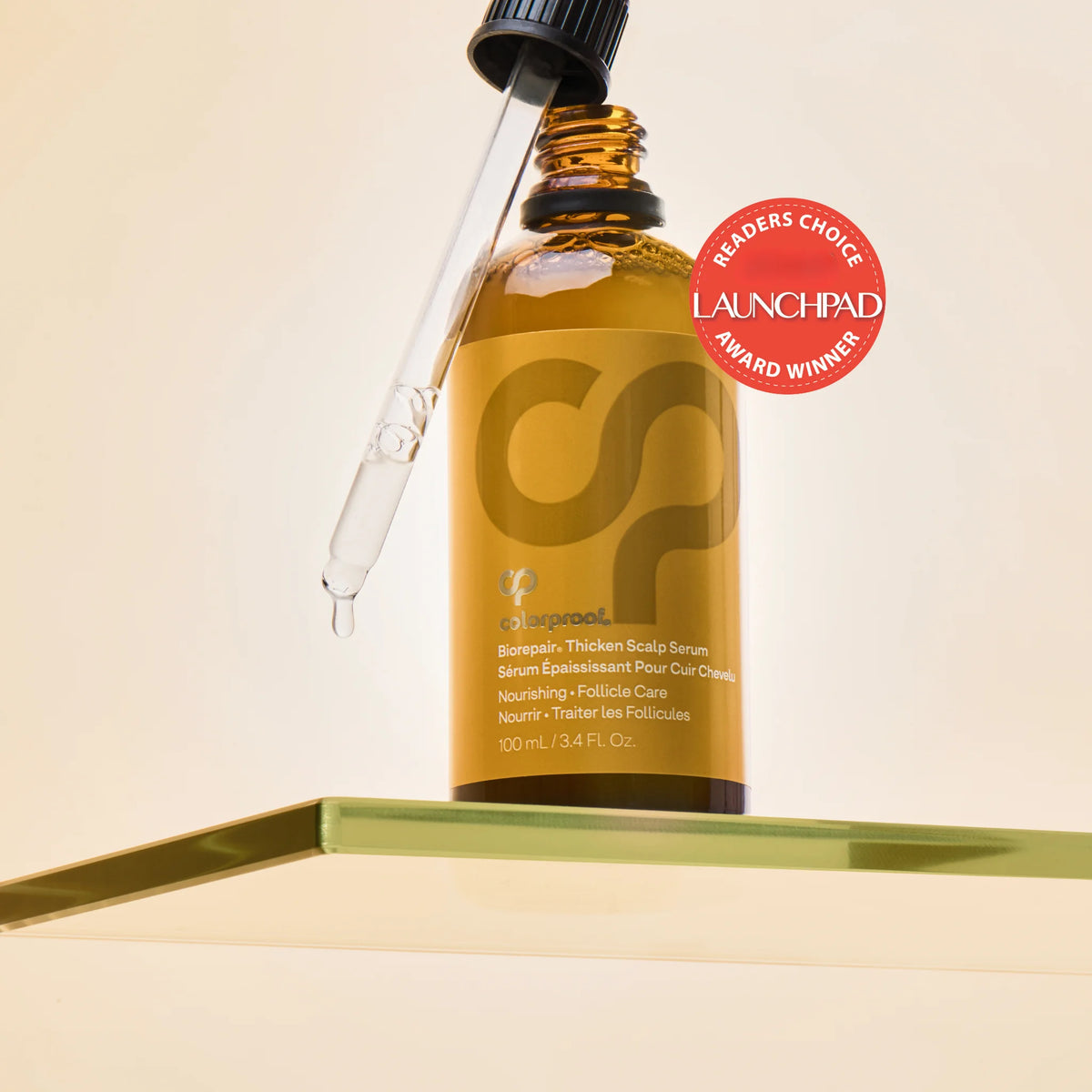
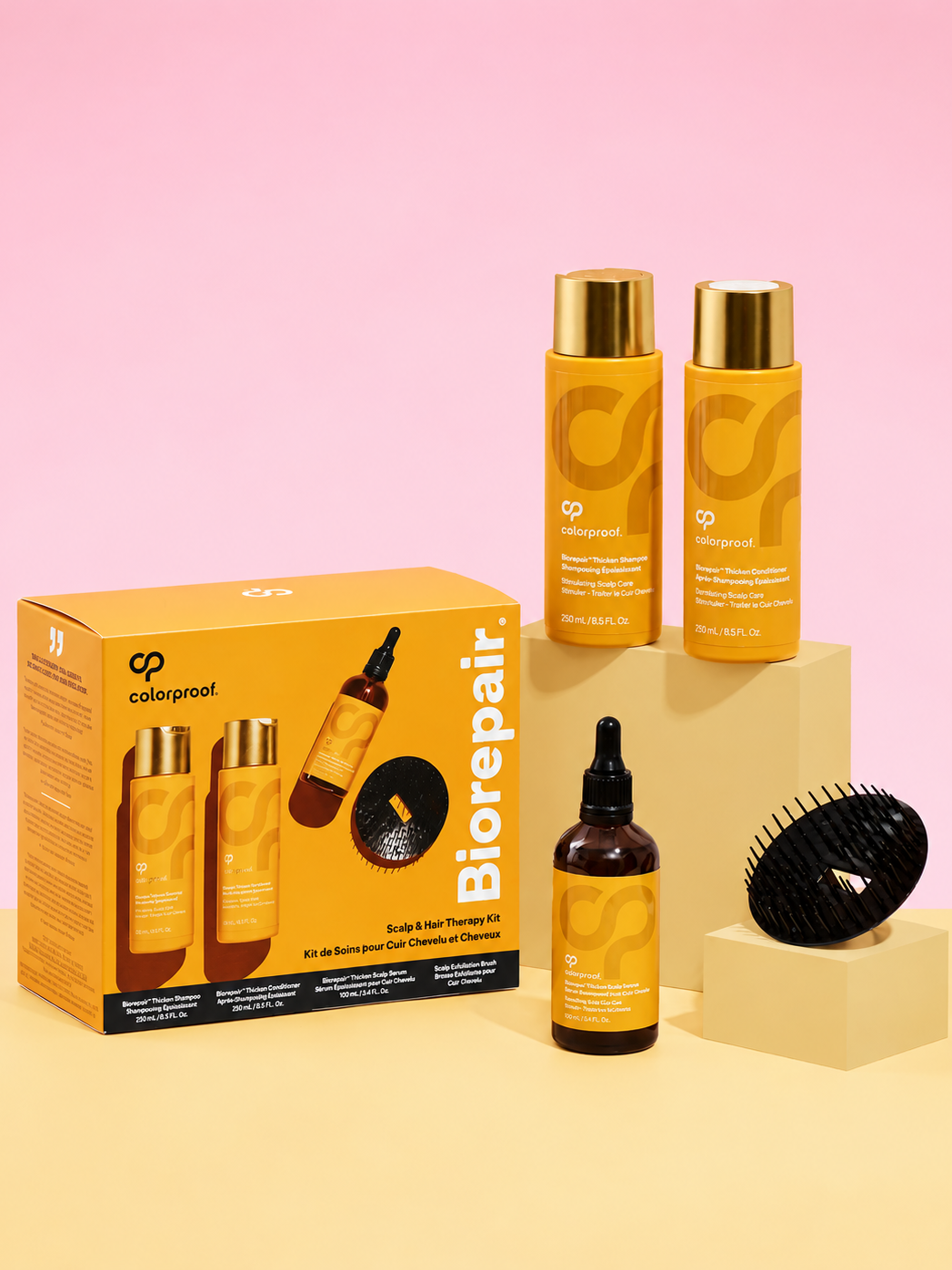
- Thinning hair does better with Biorepair Thicken Shampoo + Conditioner, which can help encourage new hair growth without stripping your colour.
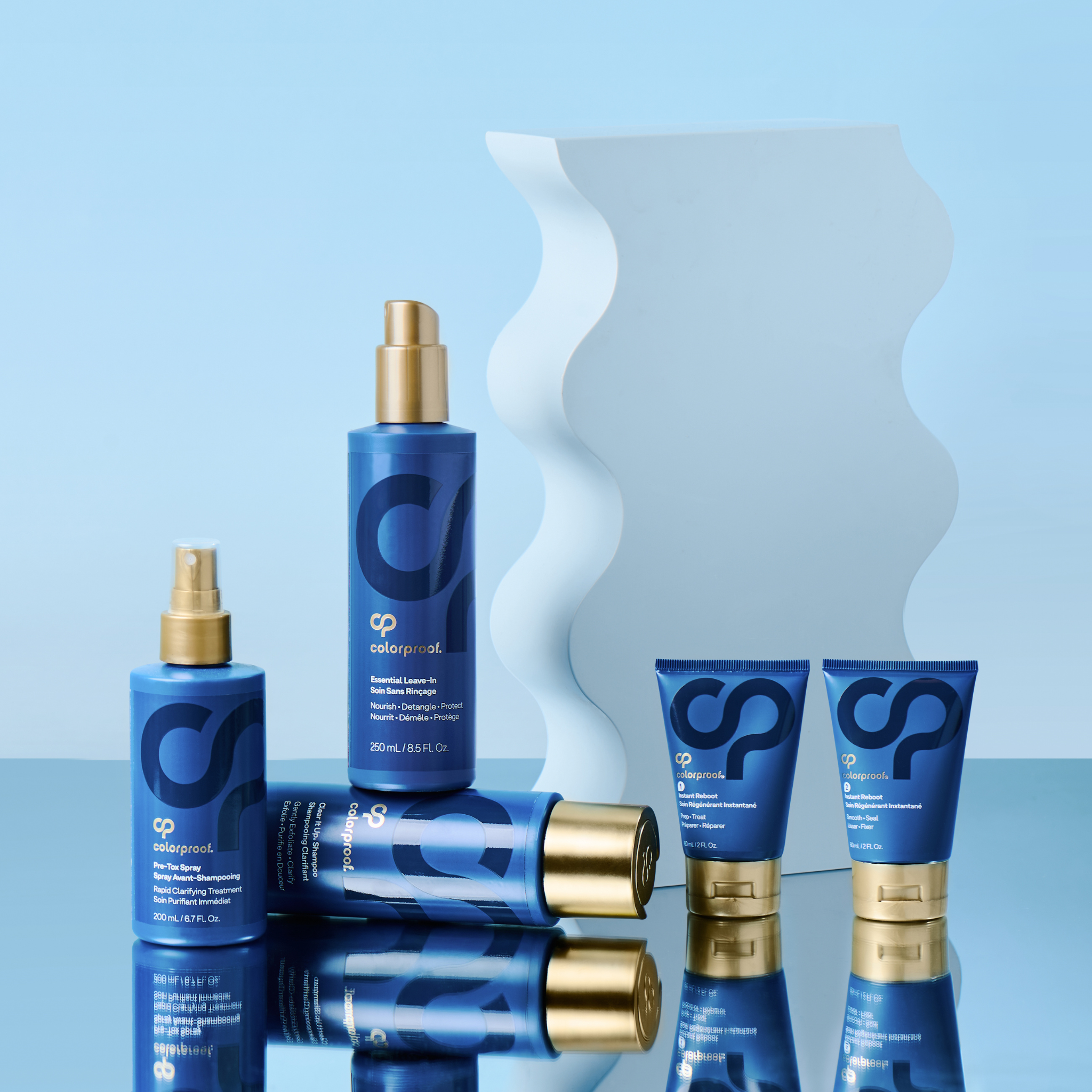
- And once a month: Clear It Up Shampoo, a gentle clarifier that removes mineral and product buildup, helping your color stay vibrant.
How to Make Hair Color Last Longer Between Salon Visits
The secret is surprisingly simple: protect daily, repair weekly, and the rest of the time, leave your hair alone.
A leave-in, every day
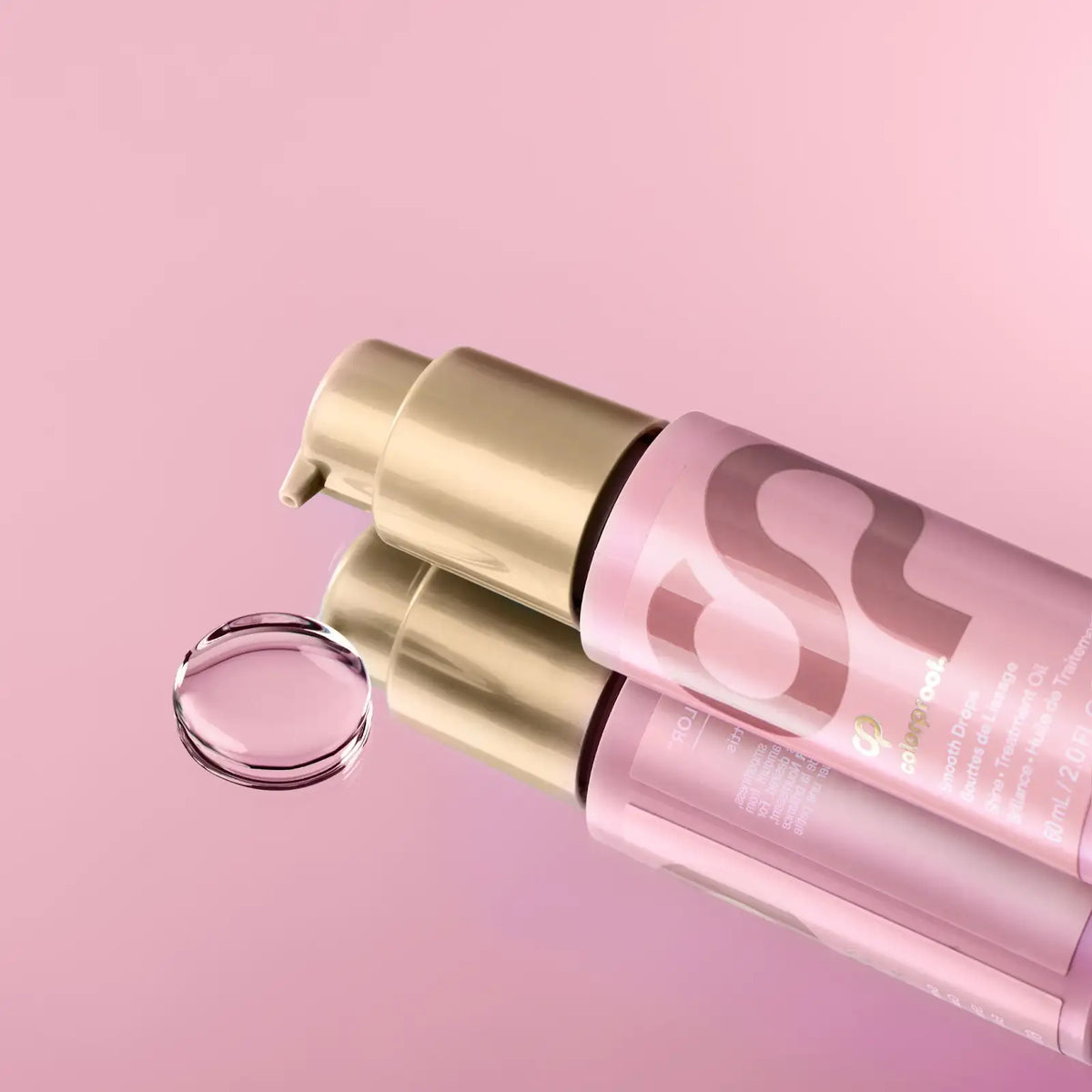
Essential Leave-In works on damp or dry hair and shields against heat up to 450°F. Non-negotiable if you ever touch a blow dryer or flat iron.
A masque, once a week
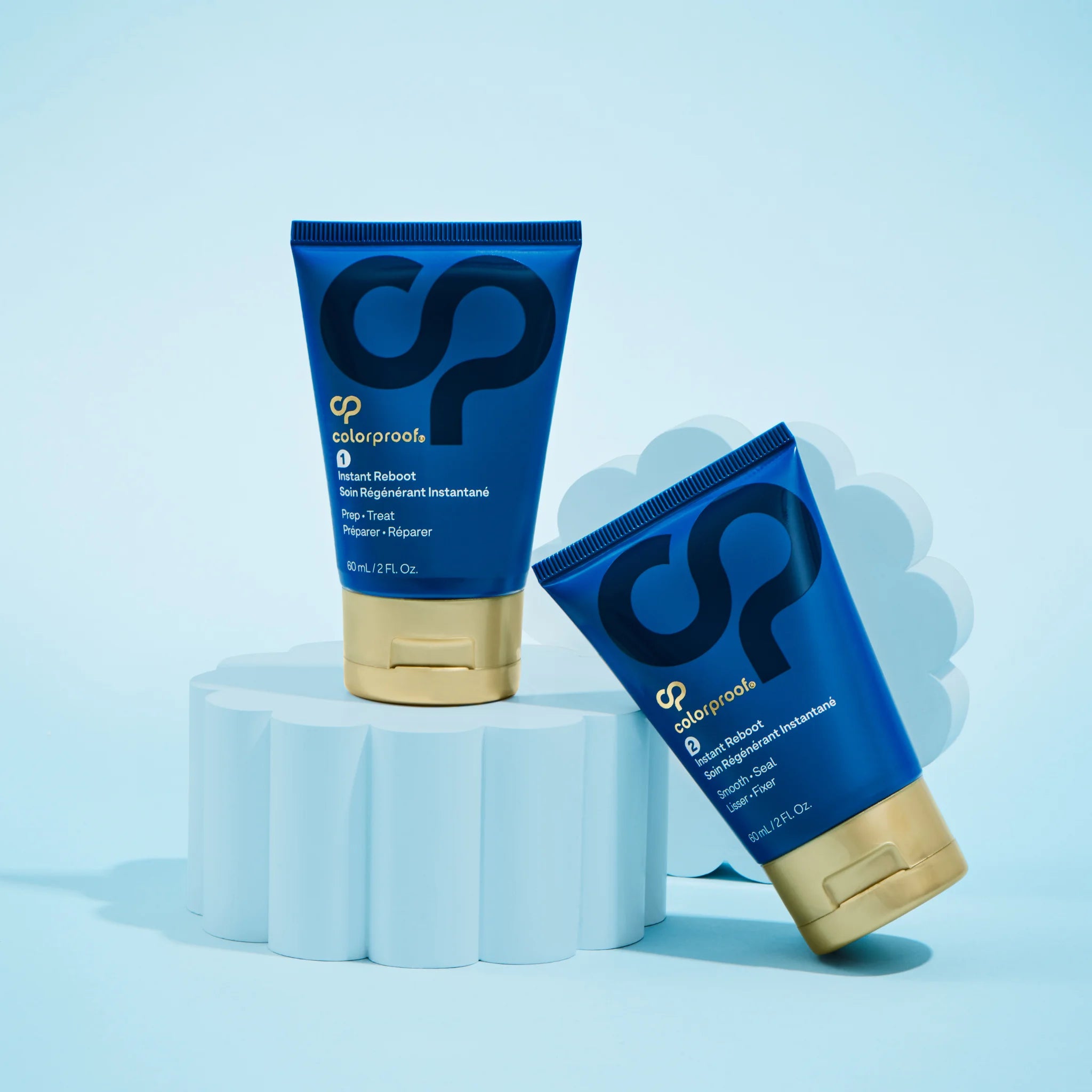
Ten minutes with Instant Reboot Treatment Masque while you're in the shower anyway. Damp hair on, cool rinse off. No other habit on this page pays back more.
Sun sense
UV oxidises pigment the same way it fades your curtains. A hat outranks any product on a beach day, and a leave-in with UV protection covers the school-run kind of exposure.
How to Maintain Hair Color at Home: A Simple Weekly Rhythm
How to maintain hair color at home, in one honest piece of advice: wash twice a week with your sulfate-free system, masque once, leave-in daily, clarify once a month with Clear It Up, and keep the flat iron below 350°F on the days you must. Knowing how to care for color treated hair isn't about owning twelve products; it's about repeating five small habits until they're automatic.
Common Mistakes That Cause Faster Color Fading
Most of how to prevent color fading is just not doing the easy wrong thing:
- Scalding showers. The single fastest way to rinse money down a drain.
- Washing daily. Oil is not the enemy; sulfates are.
- Using whatever shampoo is in the guest bathroom. One sulfate wash can undo a week of care.
- Skipping heat protectant because you're "only doing a quick pass."
- Brushing soaking-wet hair with a fine-tooth brush. Wet strands stretch and snap.
- Ignoring buildup. Dull colour is sometimes just dirty colour; clarify monthly.
Get these six right and you've covered most of how to care for color treated hair already.
Why Choose ColorProof Hair Products
Every formula is built exclusively for colour-treated hair, which is a narrower promise than most brands make:
- 100% sulfate-free and paraben-free, across the entire line
- Vegan and cruelty-free formulas, salon-tested
- The Advanced Color Last System, a protein-and-antioxidant blend that defends pigment against washing, heat, and UV
- Heat protection built into daily products, up to 450°F
- A money-back colour protection guarantee, which says more than any adjective could
Conclusion
The truth about how to protect color treated hair without sulfates or parabens: the ingredients you avoid matter less than what you replace them with. Formulas built for the job. Cooler water. A masque on Sundays. Your colourist will notice, and so will you, every morning, for about five extra weeks.
FAQs
Q1: Does sulfate-free shampoo really make hair colour last longer?
Yes, measurably. Sulfates lift the cuticle and carry pigment out with every wash; gentler surfactants clean without opening that door. Of everything in how to care for color treated hair, this is the first and biggest swap.
Q2: How often should I wash color-treated hair?
Every two to three days for most hair types. Daily washing strips pigment along with oil, even with gentle formulas. If your scalp feels off between washes, rinse with conditioner only; co-washing refreshes without taking colour with it. That's half of how to wash color treated hair right there.
Q3: Are parabens actually bad for coloured hair?
The damage is indirect. Parabens don't strip pigment; they're preservatives linked to scalp irritation, and an unhappy scalp compromises everything growing out of it. Paraben-free preservation exists and works, so there's no real upside to keeping them around.
Q4: What water temperature is best for washing coloured hair?
Lukewarm in, cool out. Heat opens the cuticle and lets pigment go; the cool rinse closes the door behind it. A fully cold rinse is heroic but optional.
Q5: Can I use a clarifying shampoo on colour-treated hair?
Yes, if it's a gentle, sulfate-free one, and only about once a month. Mineral and product buildup dull colour from the outside; a monthly reset with something like Clear It Up Shampoo lifts the film without lifting the pigment underneath.
Q6: What's the fastest way to make hair colour last longer at home?
Three moves: switch to a sulfate-free system today, add a daily leave-in with heat and UV protection, and masque weekly. That trio covers most of how to make hair color last longer without adding more than four minutes to your week.