











Your stylist leans in, studies your roots, and says, "I think we should tone, and maybe add a gloss." You nod as you understand. Then you spend the drive home quietly wondering whether you just agreed to one service or two.
You're not alone. These two get mixed up constantly, even by people who get their hair colored every six weeks. So let's sort out gloss vs toner once and for all, and figure out whether your hair actually needs both.
What does a toner do for hair?
A toner adjusts color; that's the whole job. Say your blonde went a little yellow, or your brunette turned orange after lightening. Toner has pigment in it that cancels the unwanted tone, so violet fights yellow, blue fights orange, and green fights red.
It's usually applied after lightening, since bleach leaves behind raw warm undertones that look brassy. Toner sits on the hair, shifts the shade, and gives you that cool ash, creamy beige or soft golden finish you actually asked for.
What is a hair toner made of, and how does it behave
What is a hair toner at a chemical level? Mostly a low-volume color formula, sometimes demi-permanent, sometimes just a deposit-only pigment. It slips into the outer layer of the strand and tints it. It doesn't lift your natural color the way bleach does, and it fades gradually as you wash.
And a gloss? Here's the shine side of the story
Gloss is about finish. It's a semi-permanent treatment that coats the cuticle with a clear or lightly tinted formula, smoothing the surface so light bounces off it. Think of it as clear coat on a car.
According to StyleSeat, most glosses last around four to six weeks, with wash frequency, water quality, and porosity all affecting how long you get. Porous hair soaks it up quickly and loses it sooner.
Gloss vs toner: the real difference in one sentence
Toner changes color; gloss changes how that color looks and feels. That's it. Toner fixes the shade, gloss fixes the shine and smoothness.
Here's where it gets messy: some glosses have a little tint, so they can nudge tone slightly, and some toners leave a glossy finish behind. That overlap is exactly why salons sometimes use the words interchangeably, and why you're left confused.
Hair gloss vs glaze, since you'll hear that word too
Hair gloss vs glaze is mostly a naming quirk. Many salons use glaze for a clear or tinted shine treatment that sits on the surface and fades in a few weeks, and gloss for something pretty similar. Some brands claim glaze is a lighter, more temporary version. If your stylist offers one, just ask what's in it and how long it should last.
Hair gloss vs toner: which one does your hair need
Run through a quick gut check. Is your color the wrong shade, like yellow, orange, red, or muddy? You need a toner. Is the color right but your hair looks flat, frizzy, or lifeless? You need a gloss.
Both problems at once? Welcome to the combo appointment. Stylists commonly tone first to correct the shade, then gloss over the top to seal everything and add shine. Lots of people leave the salon thinking it was one single treatment.
How long does hair toner last
It depends on how often you wash and how porous your hair is. Generally, toner fades over a few weeks, and you'll notice warmth creeping back first at the ends and around the face. Hot water, daily washing, and sun all speed that up.
Blondes tend to see it go fastest, because lightened hair is porous and doesn't hold onto pigment well. That's the main reason at-home upkeep matters so much.
Keeping the tone between appointments
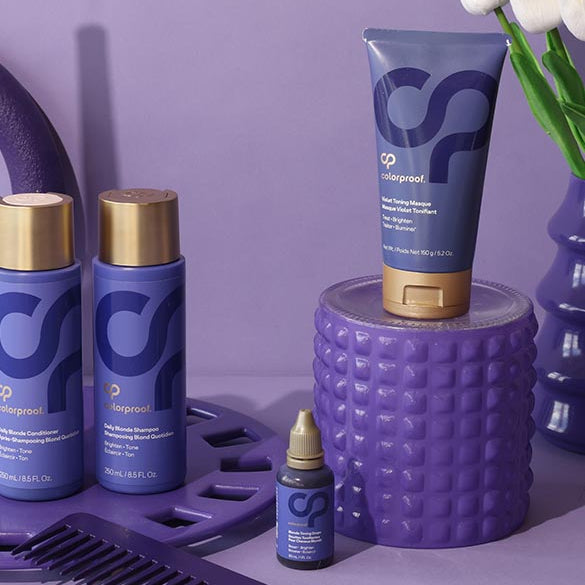
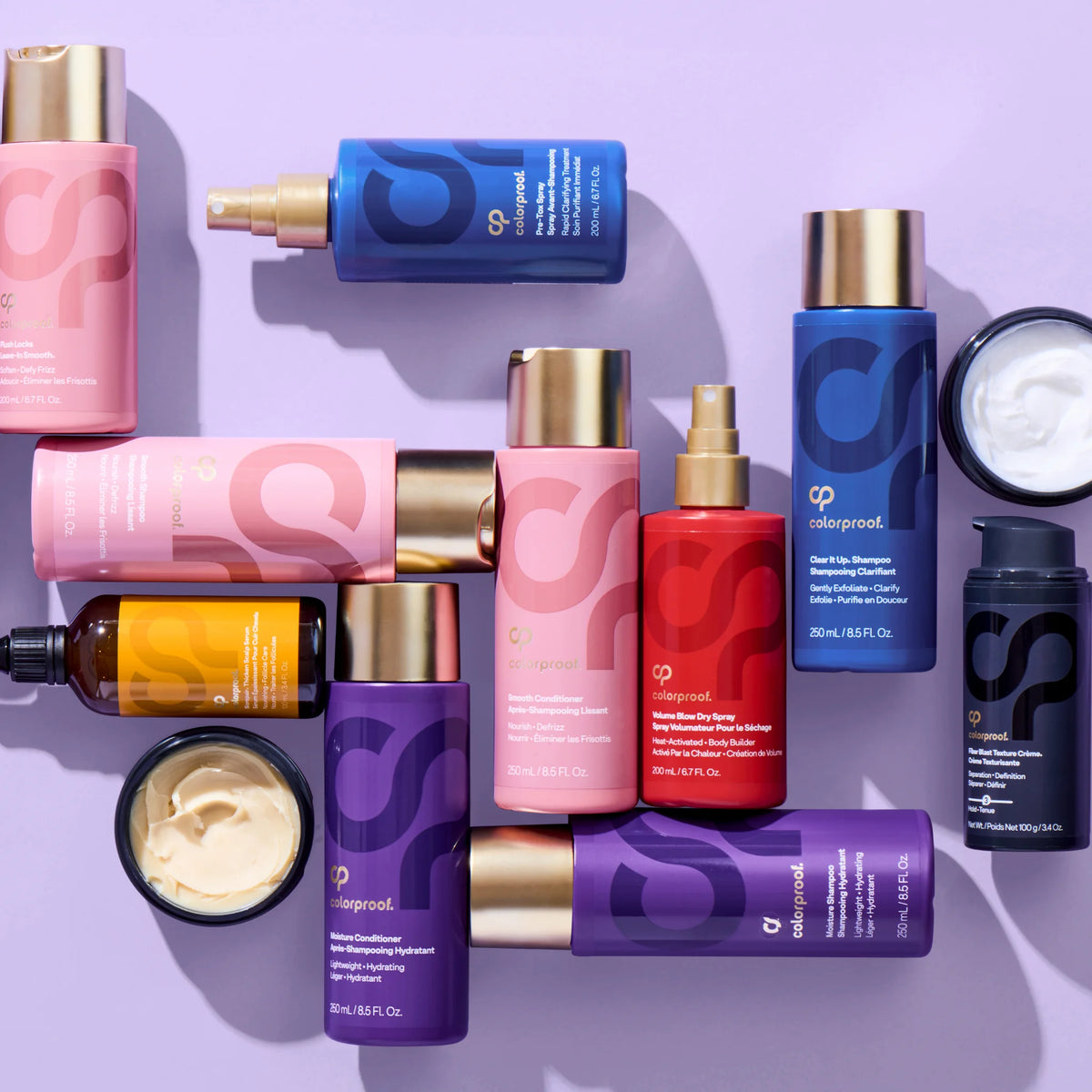
This is where at-home products earn their keep. The Blonde Toning Drops can be mixed into your regular conditioner or applied directly to bring cool tones back when brassiness shows up. A few drops go a long way, so start small and build up.
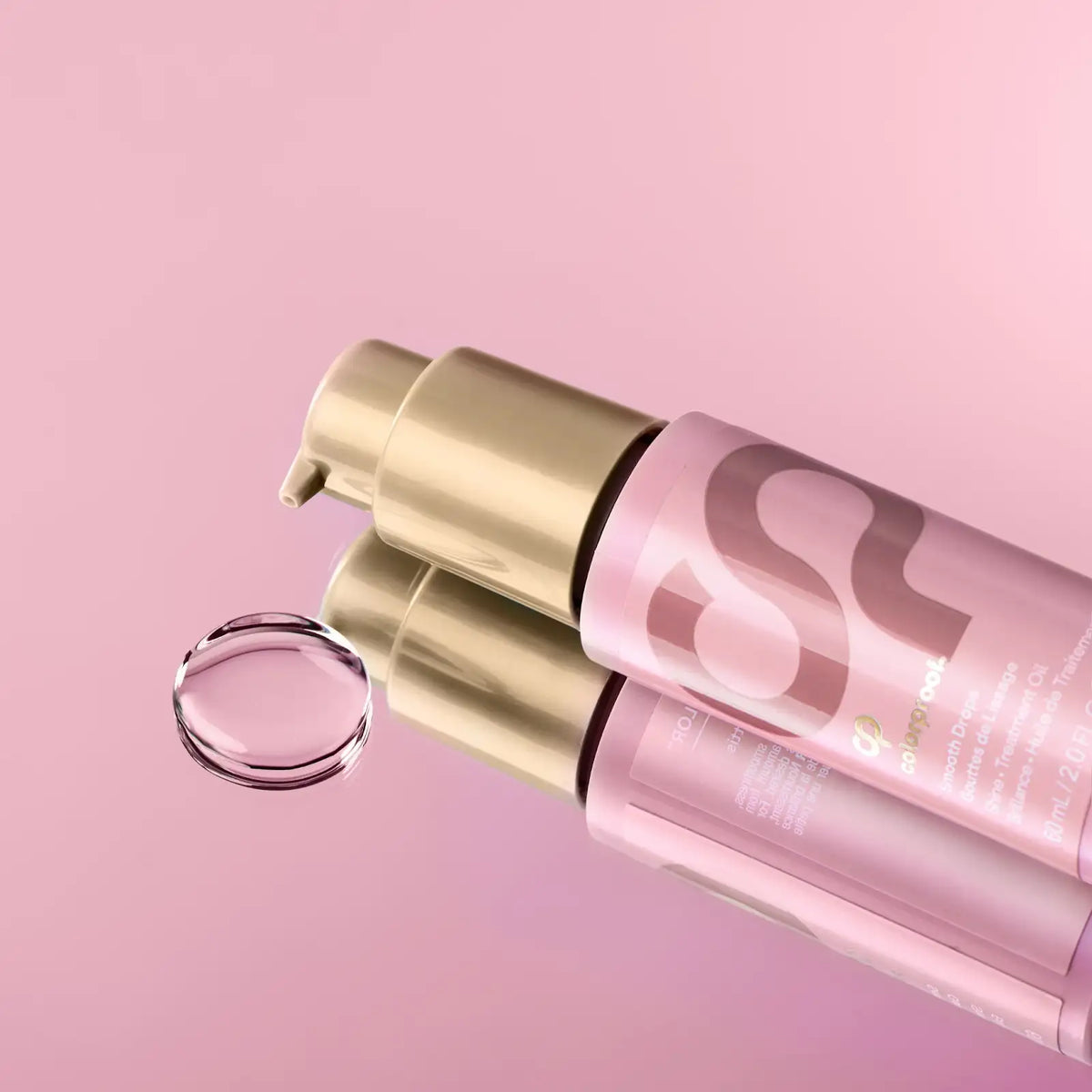
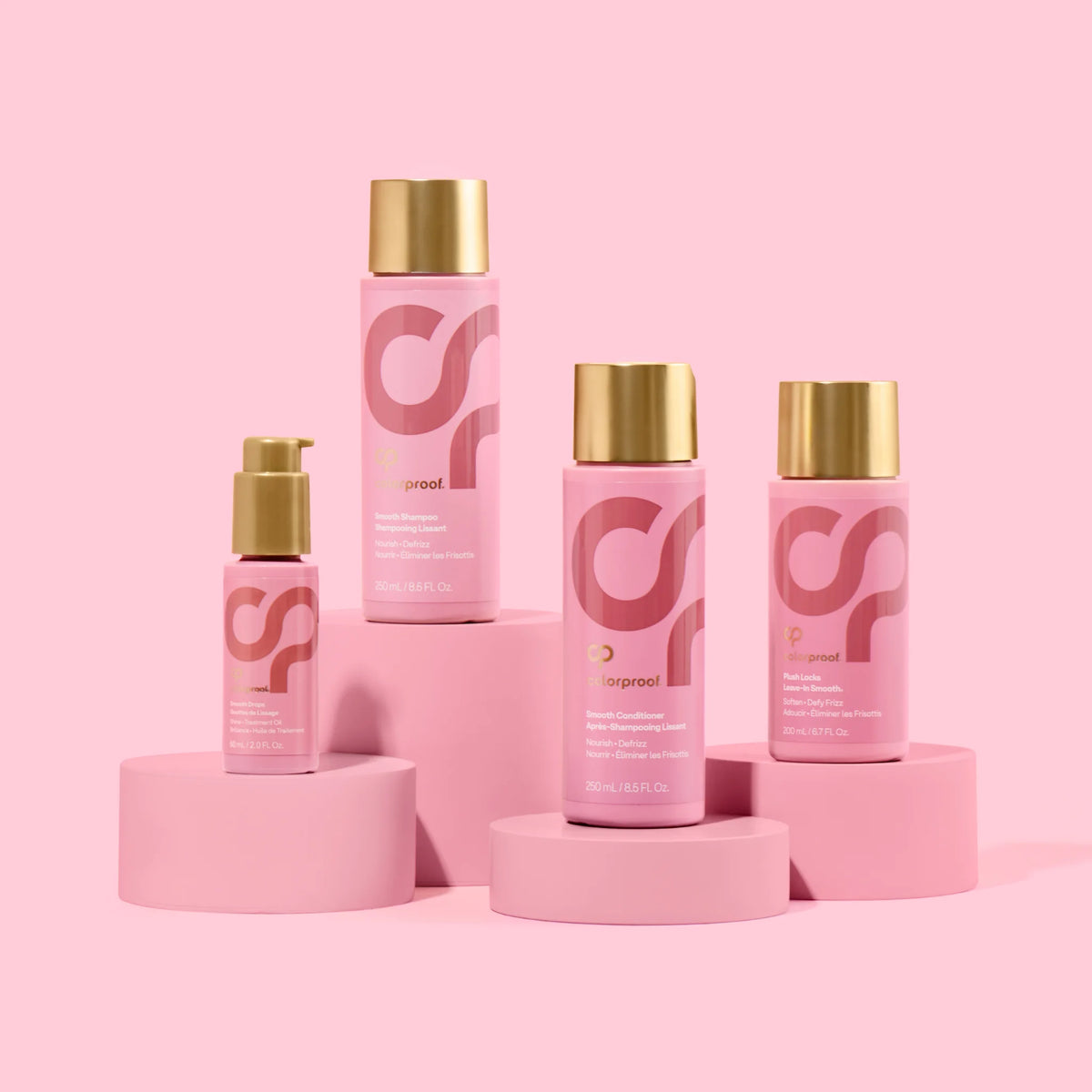
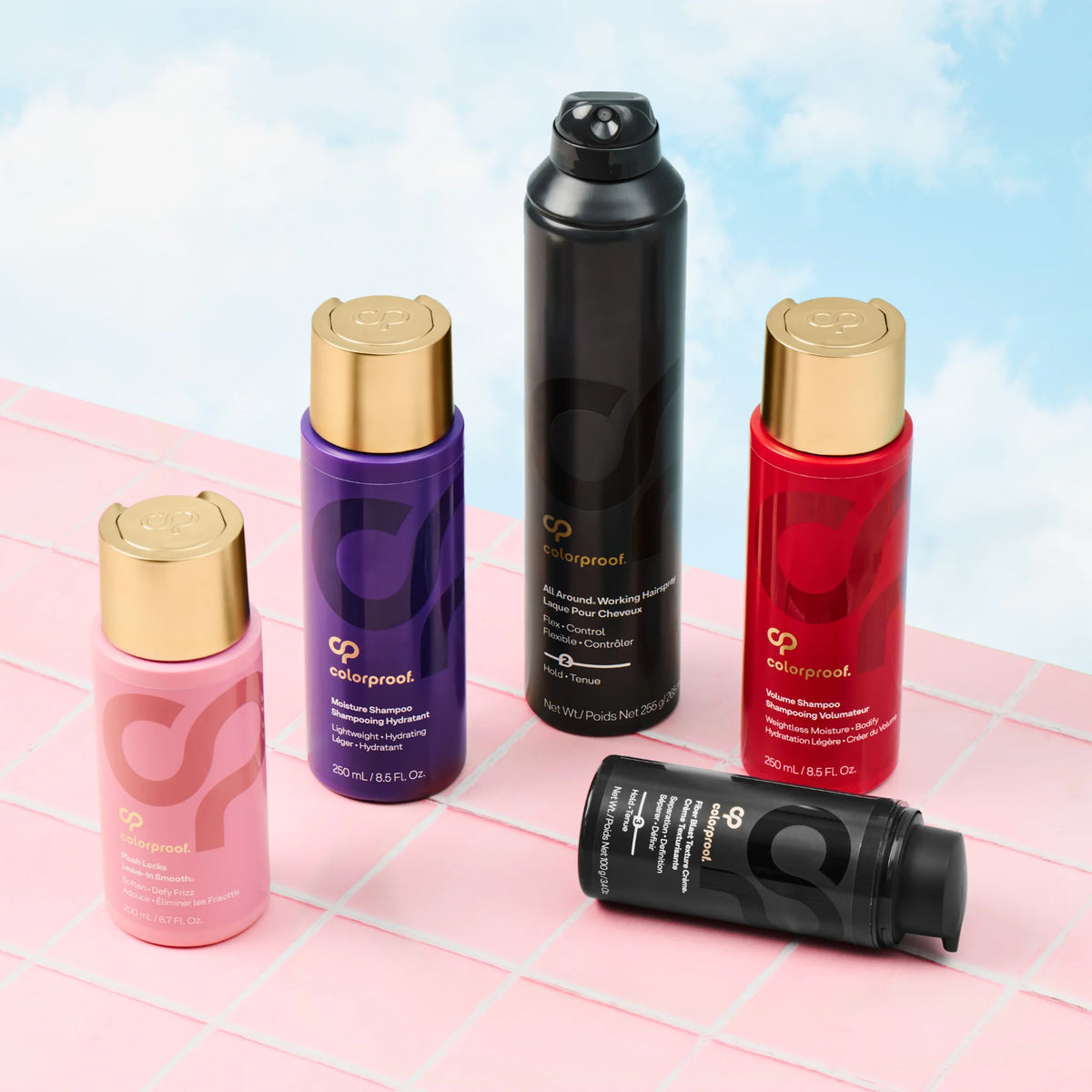
For the gloss side of things, the Smooth Drops add a polished, silky finish to the lengths and fight frizz. Then the Plush Locks Leave-In Smooth works as a lighter daily layer, softening and protecting without weighing hair down.
None of these replace a salon visit exactly, but together they stretch the life of your stylist's work.
Gloss vs toner for brunettes, redheads and gray hair
Blondes get all the toner attention, but other shades benefit too. Brunettes who lightened a few levels often end up with a coppery cast, and a blue-based toner calms it down. Redheads usually want gloss more than toner, since it deepens the red and makes it look richer instead of faded.
Gray hair is its own story. It can turn yellow from sun, smoke, or product buildup, so a violet toner brightens it. A gloss then adds some shine to gray strands, which tend to be coarse and a little wiry. In every case, the gloss vs toner question comes back to whether you're fixing a shade or polishing a finish.
What the salon appointment actually looks like
Expect a shampoo first, then the formula applied to damp hair, usually for 10 to 20 minutes. You'll sit under a gentle processing time, rinse, and get a quick blow-dry. Total chair time is short compared to a full color, often under an hour. Not bad for a service that can transform how your hair looks.
Do you need both every time?
Not necessarily. If you wear your natural color, you probably only need a gloss now and then for shine. If you color or lighten regularly, toner is more likely to be on your regular menu, and gloss becomes the finishing touch.
Budget plays in too. Some salons bundle them, others price them separately. Ask for a quote upfront, and ask whether they recommend both or whether one would handle it. A good stylist will be straight with you.
Mistakes that make both fade faster
Washing with hot water is the biggest offender. Close behind is using a clarifying or sulfate-heavy shampoo too often, which strips surface treatments in a hurry. Heat styling without protection hurts too, and so does swimming in chlorinated water with unprotected hair.
Rinse cool, wash less often, and use a color-safe shampoo - sounds boring because it works.
Frequently asked questions
Can I tone my hair at home?
You can refresh tone at home with drops or a toning conditioner, but a full correction after bleaching is better left to a professional.
Will a gloss lighten or darken my hair?
Clear glosses don't change your color. Tinted ones can deepen or enrich it slightly.
Is gloss vs toner a damaging choice?
Both are considered gentle compared to permanent color, and a gloss can actually leave hair smoother and healthier looking.
How long does hair toner last compared to gloss?
Toner lasts a few weeks. Gloss typically lasts about four to six weeks, so the two often fade on a similar schedule.
Can I do both on the same day?
Yes, and many salons do exactly that, toning first, glossing second.
Conclusion
Gloss vs toner doesn't need to be a mystery. One corrects color, the other perfects shine. Plenty of people benefit from both, while some only need one, and your stylist can tell you which camp you fall into after a quick look at your hair.
Next time someone asks if you want a toner or a gloss, you'll know exactly what you're agreeing to. And that's a better way to walk out of the salon, honestly. Bring a photo of the shade you want, mention how you wash and style your hair, and let your stylist build a plan around real life. A color that fits your routine is the one that actually stays looking good.