











Three weeks ago your blonde looked iced out. Today? Hello, golden retriever. Don't panic, don't book another salon visit yet. A good toner fixes this in 10 minutes.
Quick Answer: Brassy hair toner refers to any cool pigment (purple, blue, or blue-violet) that will neutralize any unwanted warmth (yellow/orange) in blonde or bleached hair. Yellow is cancelled by purple, while orange is cancelled by blue, and any home toner usually works in 2-20 minutes on damp, fresh hair.
At a Glance
- Brass = warm pigments resurfacing after your cool toner fades.
- Yellow hair? Grab purple. Orange hair? Grab blue. Both? Blue-violet.
- Apply on damp, clean hair. Set a timer. Rinse cool.
- Prevent it with concentrated toning drops mixed into your daily shampoo, not just emergency toning.
What Does a Hair Toner Actually Do?
It adds cool pigment that will settle on the surface of your hair, neutralizing the warmth beneath. Toner does not bleach, lift, or brighten. Just like an Instagram filter, toner keeps your base color intact while giving it a totally different feel.
There are three kinds you'll find: toner gloss (ready-to-use), developer toner (for salon use), and pigmented drops or shampoos. When toning at home, go for drops, gloss, or pigmented shampoo only. They're more forgiving than developer toners, easier to control, and slot straight into your washing routine.
Why Your Blonde Keeps Going Orange
Blue pigment fades first. Always. When the blue in your toner washes out, the yellow and red hiding underneath come out to play. That's brass.
The usual suspects speeding it up:
- Hot showers open the cuticle and rinse pigment down the drain.
- Hard water deposits iron and copper that turn your blonde dingy.
- Sun and chlorine break down cool pigments fastest.
- Sulfate shampoos strip color while they clean.
Yellow or Orange? Check Before You Buy
Stand in natural daylight, hold a white towel next to your hair, and take a close look. See yellow? You need purple. See orange? You need blue. See both? Go blue-violet.
This sounds basic, but using the wrong color is the #1 reason at-home toning goes sideways. Purple toner on bright orange hair leaves a muddy mess. Strong blue toner on pale yellow hair pulls swampy green. Match the tool to the job.
Purple, Blue, or Toning Drops: Pick Your Fighter
| Format | Cancels | Best For | Time |
|---|---|---|---|
| Toning drops | Yellow (mix-in) | Custom intensity in any shampoo or conditioner | 2 to 5 min |
| Purple shampoo | Yellow | Light blonde, platinum, silver | 1 to 5 min |
| Blue shampoo | Orange | Darker blonde, bronde, balayage ends | 1 to 5 min |
| Demi gloss | Yellow or orange | All-over tone refresh | 5 to 20 min |
First time? Start with toning drops. They give you the most control with the least risk, since you decide the dosage.
How to Use Toner for Brassy Hair at Home (5 Steps)
Apply to towel-dried, damp hair. Process. Cool-rinse. Condition. Done.
- Cleanse first. Use a clarifying or sulfate-free shampoo. Toner applies unevenly on dirty, oily hair.
- Damp is the goal. Neither dripping nor dry. Damp = even pigment application.
- Divide your hair into four sections. Process middle to ends first and roots last. Root areas tone fast as they are warm spots.
- Time yourself. Check your strand every 2 minutes. The moment it turns from brassy to neutral (no purple and no gray tone), rinse it off. Always follow the bottle time only.
- Cool rinse. Conditioner to follow. Cold water closes the cuticle and secures the pigment in. Use color-safe and hydrating conditioners.
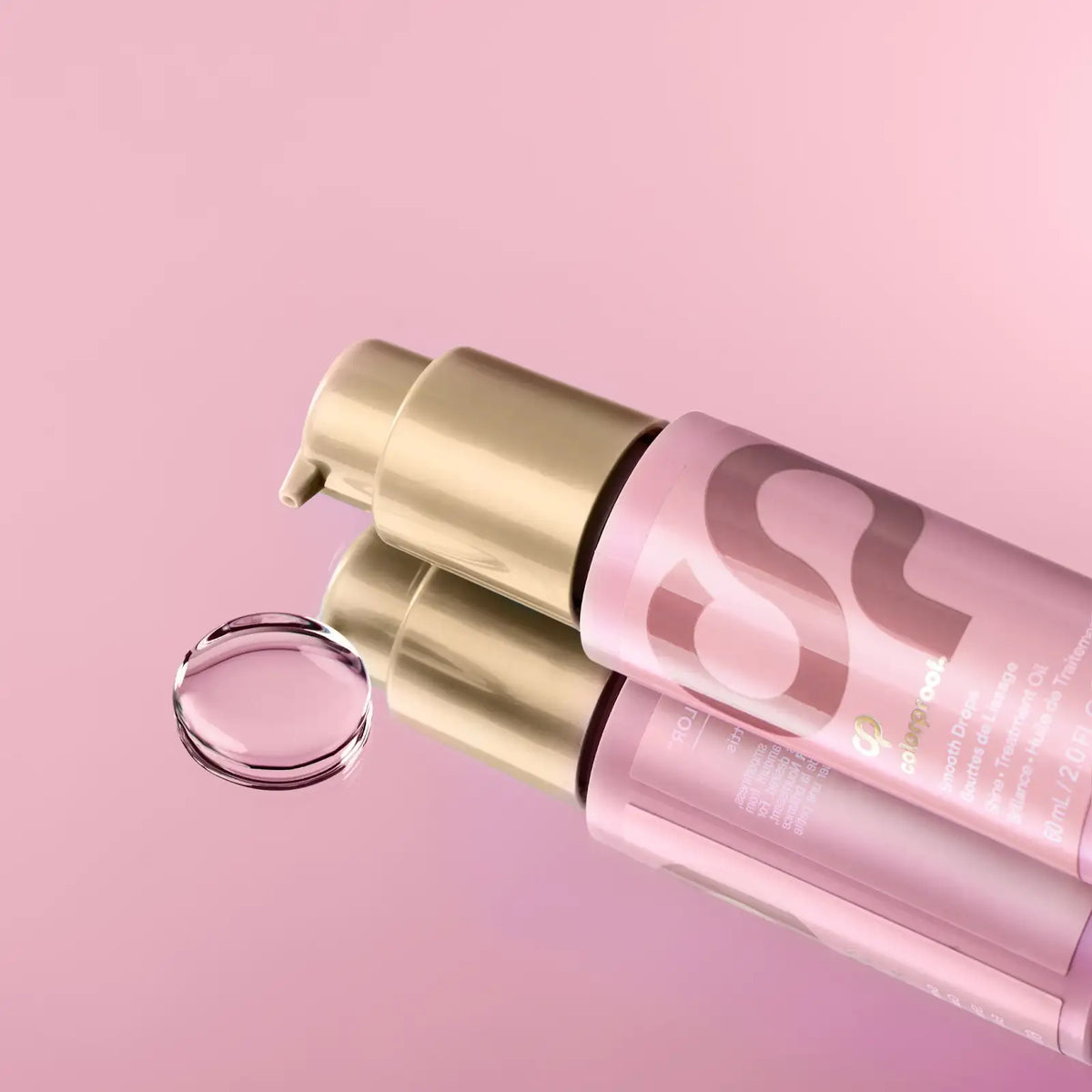
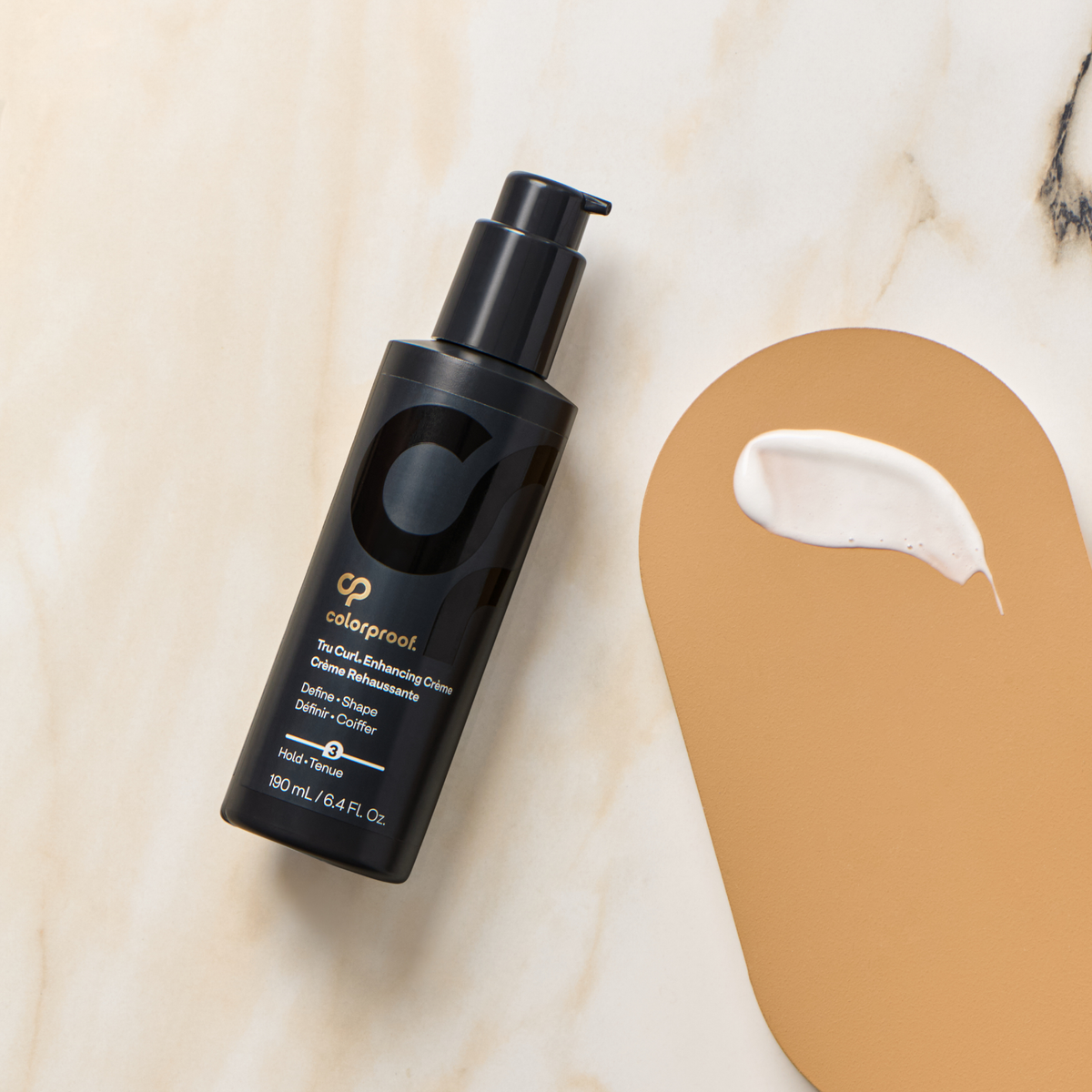
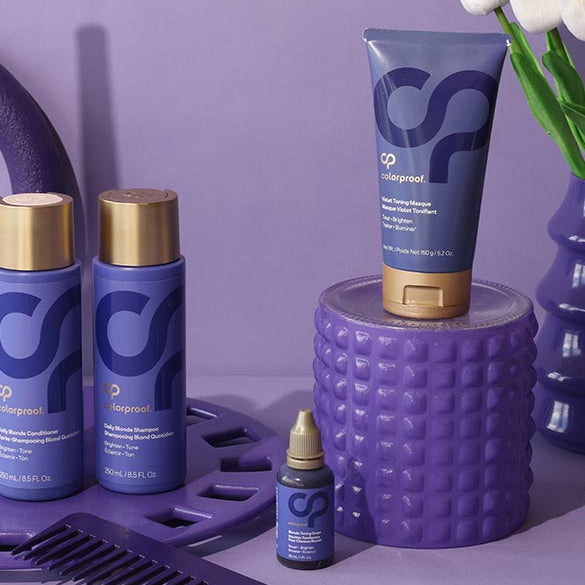
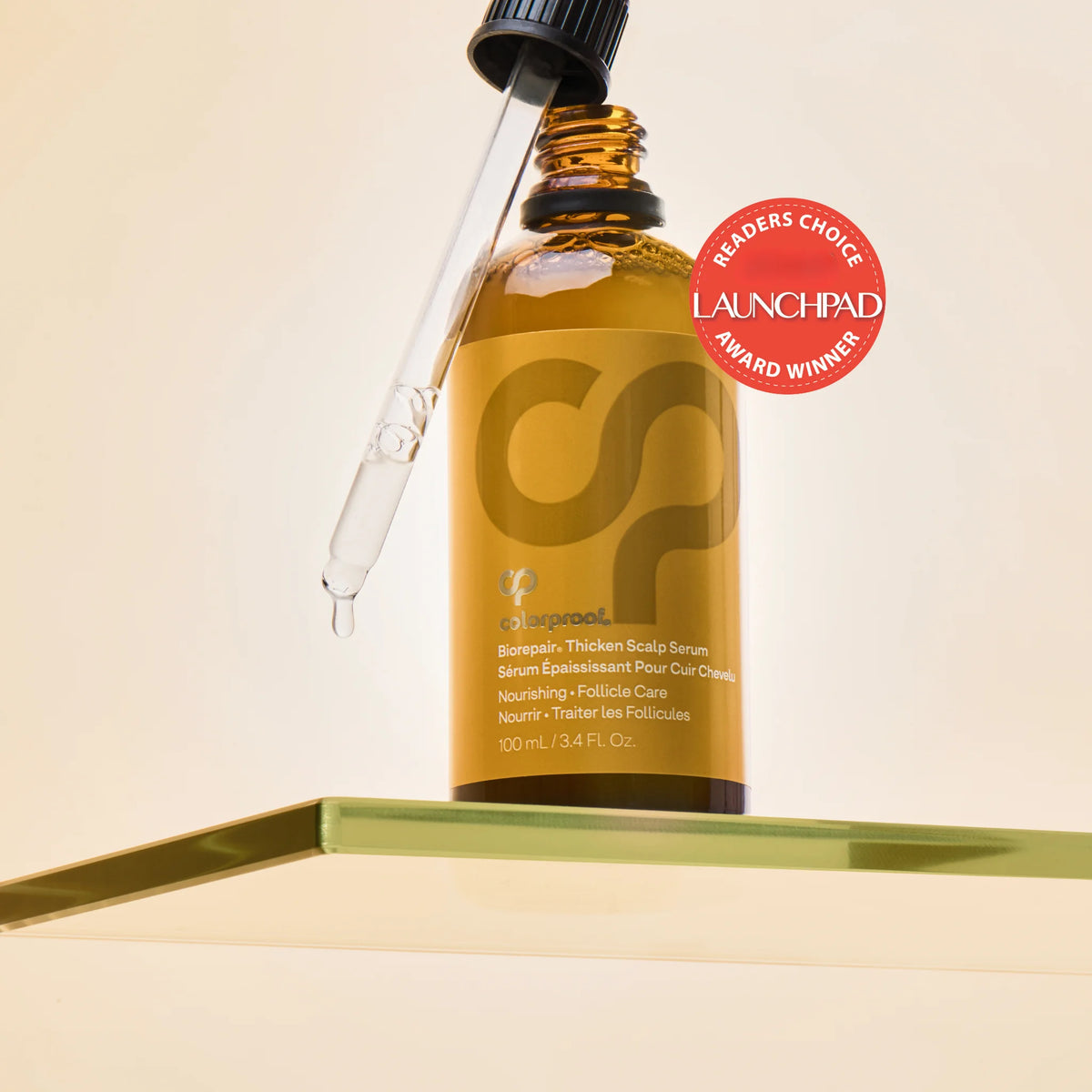
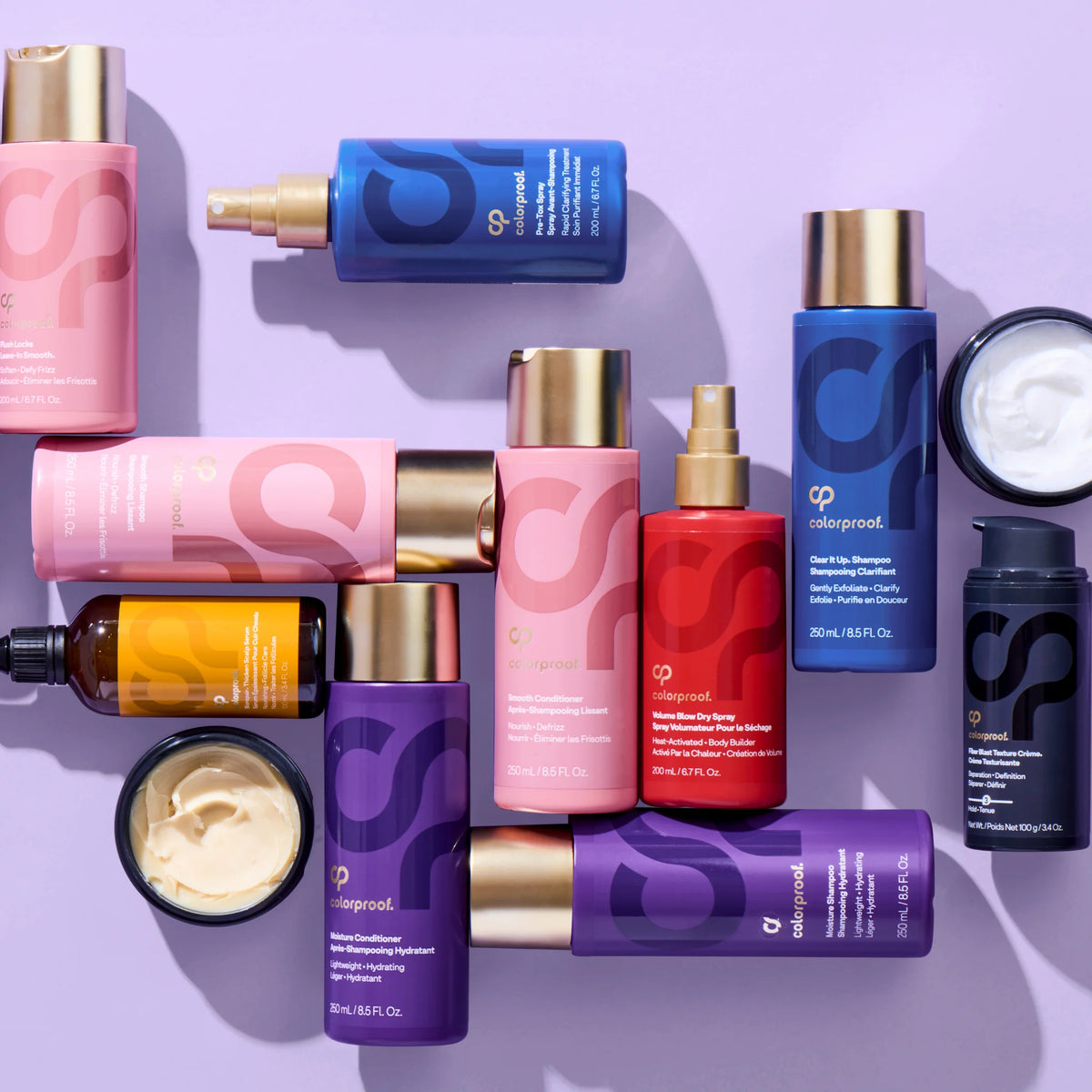
For daily maintenance between full toning sessions, add a few ColorProof Blonde Toning Drops to your regular shampoo or conditioner. They turn whatever you're already using into a custom toner, and you control the dose. Two to four drops for a light refresh, more if your brass is fighting back.
Oops, My Hair Is Purple. Now What?
Relax, it goes away quickly. Violet is one of the most fugitive colors, and most overtones will fade out in 2 to 3 washes.
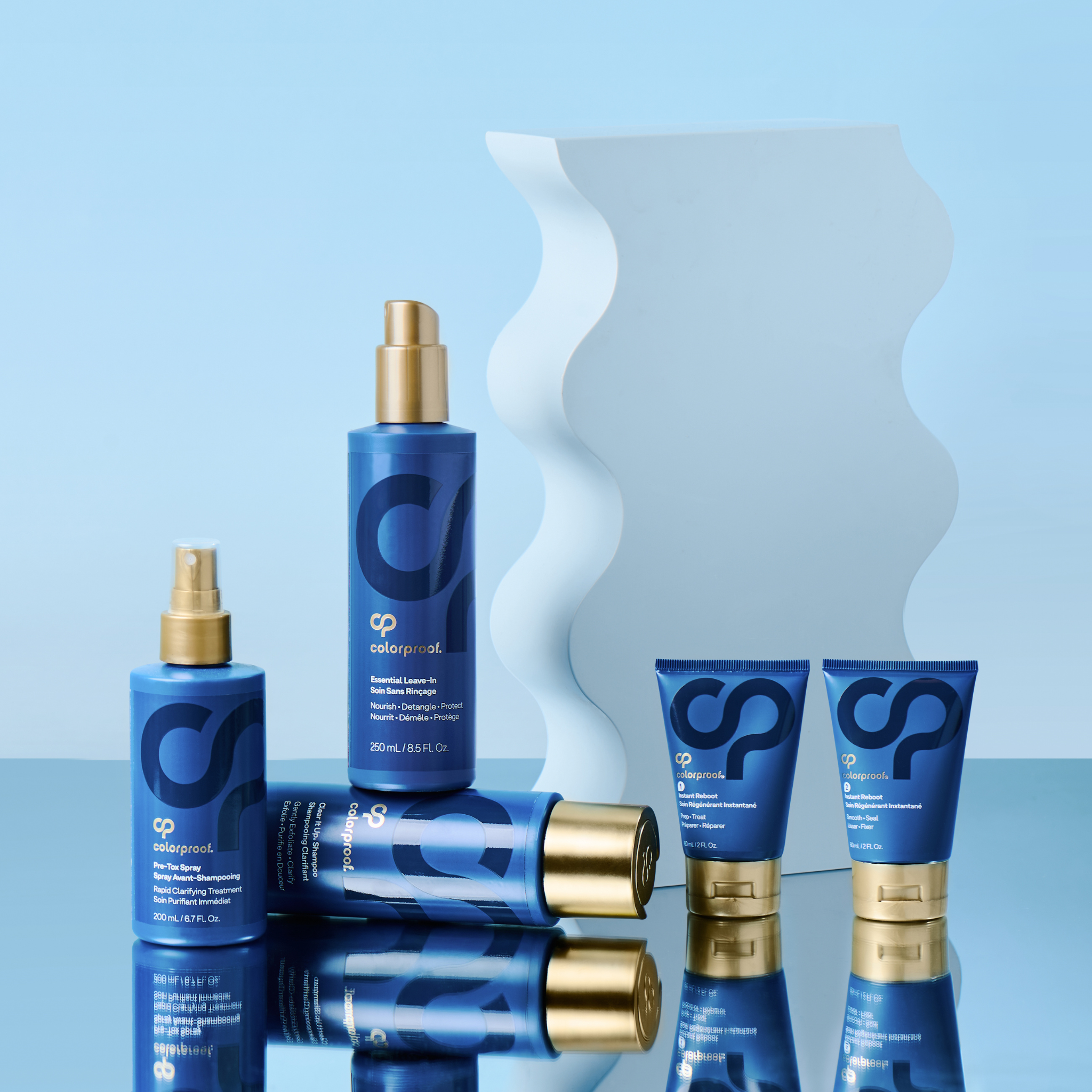
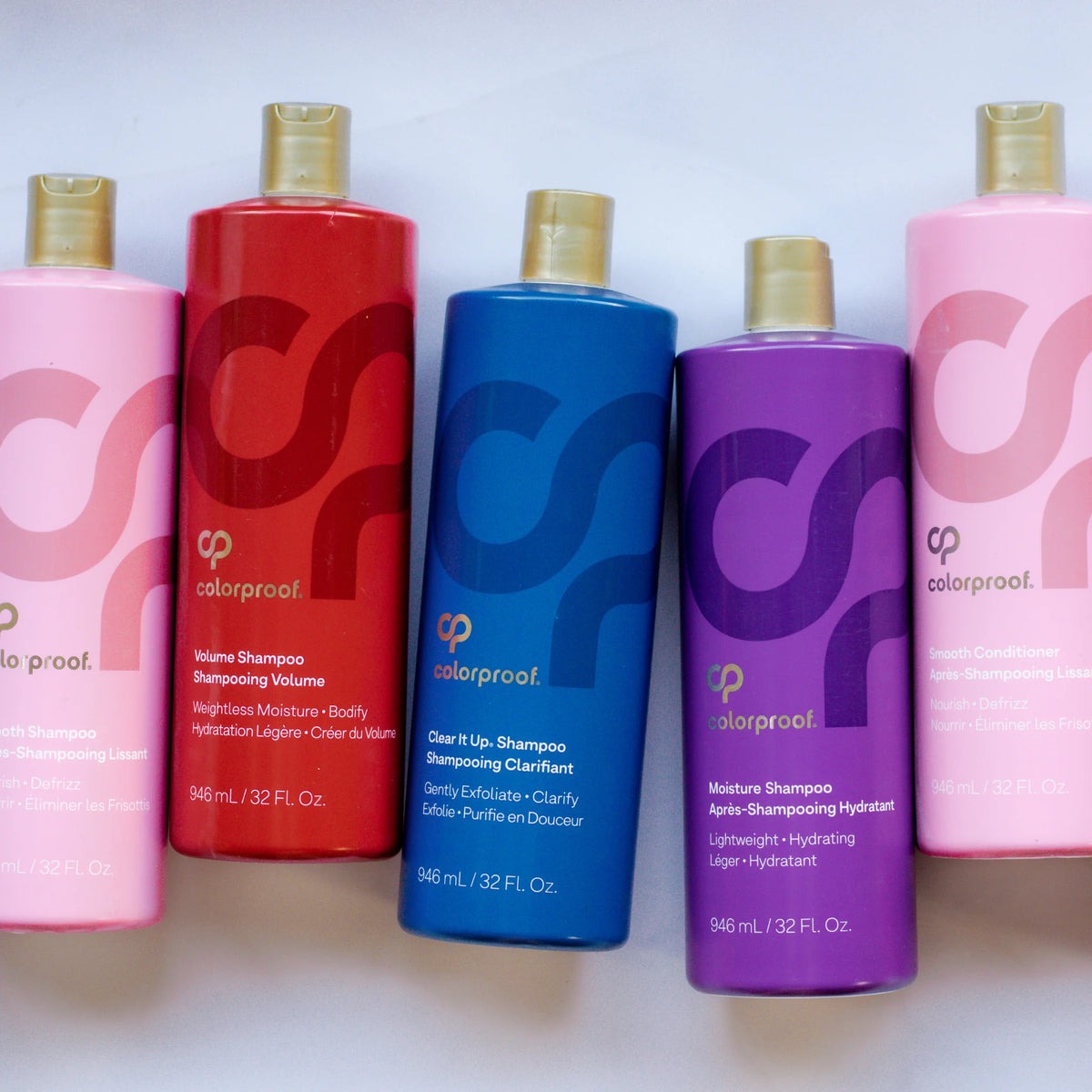
- Clarify twice. Using a clarifying shampoo back-to-back will strip away the extra pigment faster. If your hair feels weighed down by product or toner buildup, reset the hair before your next toning session with a gentle clarifier like Clear It Up® Shampoo.
- Skip the toning drops for one week. The more cool pigment added, the stronger the cast.
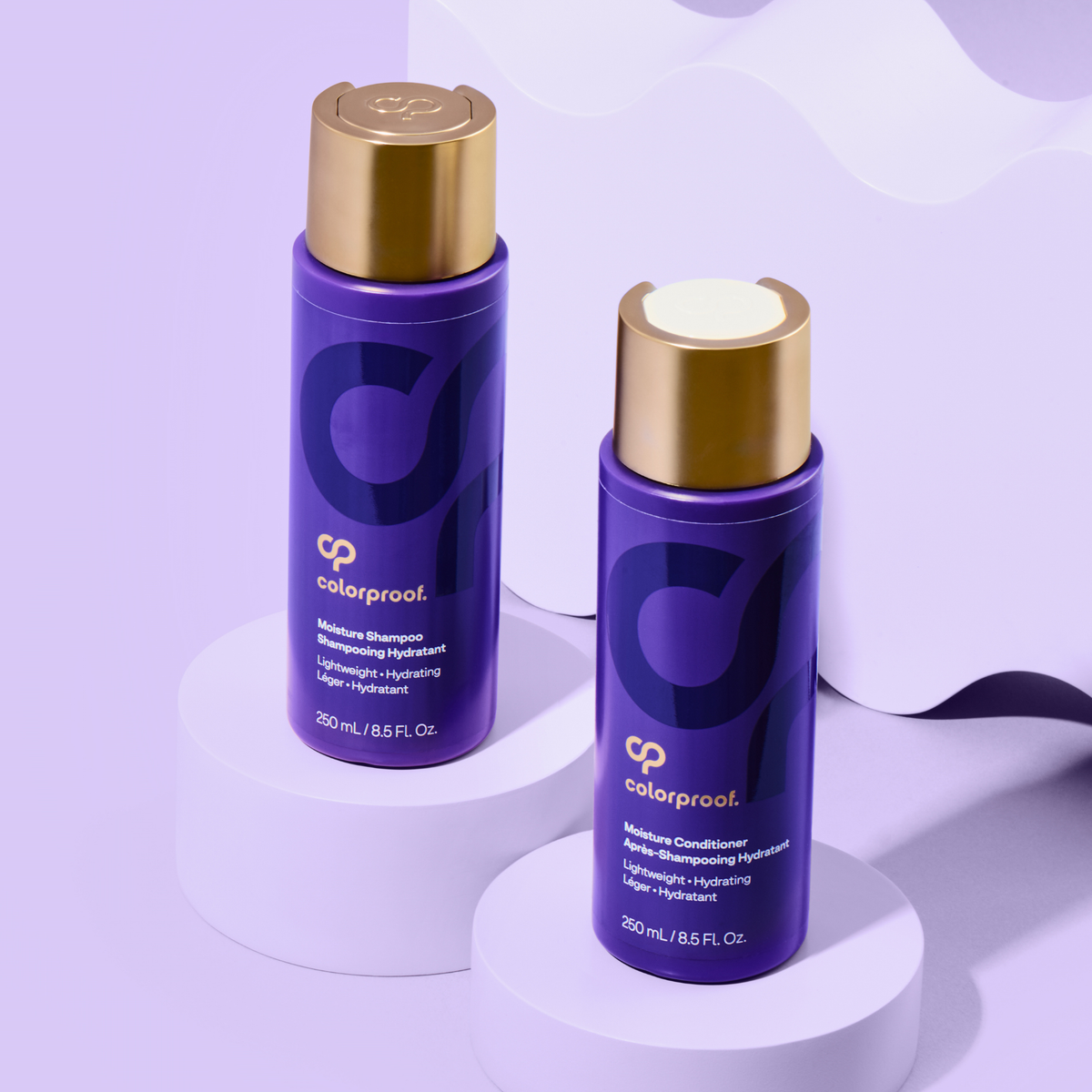
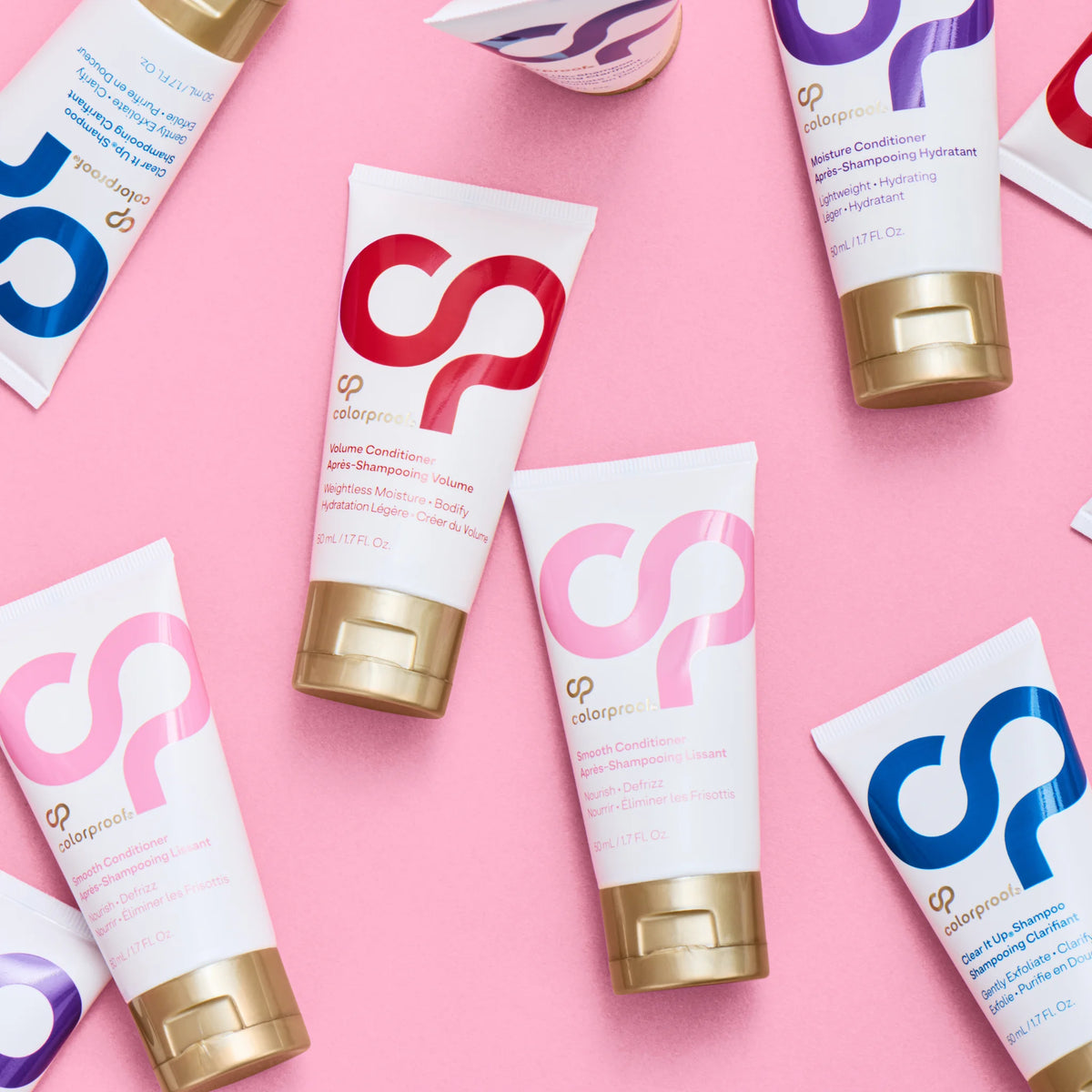
- Deep condition post-wash. Clarifying is a very drying process, and follow up with a deep conditioning treatment. To help maintain softness afterwards, reach for Colorproof Moisture Conditioner that doesn't strip color or hydration balance.
- No matter what, never use bleach to lighten it. That's what turns an unwanted tone into a full-on salon crisis situation.
How to Keep Brassy Hair Color From Coming Back
Toning is the fix. Prevention is the routine. Stack these habits and you'll tone way less often:
- Wash in cool water. Hot water = open cuticle = pigment loss.
- Ditch sulfates. They strip blue pigment first.
- Add a shower filter if your water is hard. Iron and copper are silent brass-makers.
- Heat-protect every blow-dry and curl. Pigment bonds break under heat.
- UV spray or a hat outdoors. Sun fades cool tones faster than warm ones.
- Add a weekly toning masque on top of your daily routine. Stronger pigment hit, lower over-tone risk than a full toner.
Want a softer, set-and-forget option? Swap your everyday rinse-out for ColorProof's Daily Blonde Conditioner. With violet pigment built right into the formula, it helps neutralize unwanted tones while nourishing your hair - no measuring required.
Frequently Asked Questions
Does purple shampoo count as a toner? For yellow tones, yes. It deposits a small dose of violet pigment every wash. It won't fix bright orange brass on its own, though.
Can I tone hair I haven't bleached? Yes. Toner works on highlights, balayage, or any lightened hair. It just won't make your hair any lighter.
My blonde turned orange instead of yellow. Why? Your starting level was too dark when you bleached. You need a blue toner, not purple. If it just happened at the salon, ask your colorist to re-lift.
How long does at-home toner last? Demi-permanent toners: 4 to 6 weeks. Pigmented shampoos and drops: 1 to 2 weeks, but they refresh every wash.
Can I leave toner on overnight? Hard no. Pigment deposits in minutes. Overnight = wrecked color and possible scalp burn.
How often should I tone? Toning drops in your shampoo 1 to 2 times a week. Toning masque once a week. Full toner every 4 to 6 weeks. Tone more than that and you'll deposit more pigment than your hair can shed, hello dull purple cast.
Will toning damage my hair? Pigmented drops, shampoos, and ammonia-free glosses? Safe weekly. Developer-based toners? More risk on already-bleached hair. Always condition or mask after.