










Same color, same length, same haircut, and somehow it just doesn't catch the light the way it did six weeks ago. The shine quietly disappears before the color does.
Shine isn't a separate quality from color; it's the surface of color. When the cuticle lies flat and smooth, light reflects evenly, and hair looks vibrant and rich. When the cuticle is rough or coated in buildup, light scatters, and even fresh color can look dull. Most of how to add shine to color-treated hair comes down to taking care of the cuticle. The right cleansing, the right hydration, and a couple of habits in between make a real difference.
Why Color-Treated Hair Loses Its Shine
Before getting into how to add shine to color-treated hair, it helps to understand what's stealing it. The cuticle is the outermost layer of each strand, made of tiny scales that reflect light evenly when they lie flat. Coloring lifts those scales to deposit pigment, and they don't always close back the same way.
As a result, color-treated hair starts life a little more porous than virgin hair. A few common reasons shine drops off:
- Mineral buildup from hard water coats the cuticle and dulls reflection
- Product residue from styling sprays and dry shampoo accumulates over weeks
- Heat styling roughens the surface scales over time
- Sun exposure oxidises pigment and dries the outer layer
- Hot showers lift the cuticle and let moisture escape
- Friction from rough towels, cotton pillowcases, brushing dry
You'll also notice shine drops faster in week three or four than in week one, which traces back to how the cuticle slowly opens with each wash. How to fix dull hair usually isn't one big change. It's removing the things that are dulling it.
Tip 1: Clarify Gently to Remove Buildup That's Stealing Your Shine
Most "dull color" is actually buildup. Minerals from tap water, residue from heavy products, sweat, and pollution all settle on the strand and create a film that light can't bounce off.
A clarifying treatment, done right, is the fastest dull hair fix you can do at home.
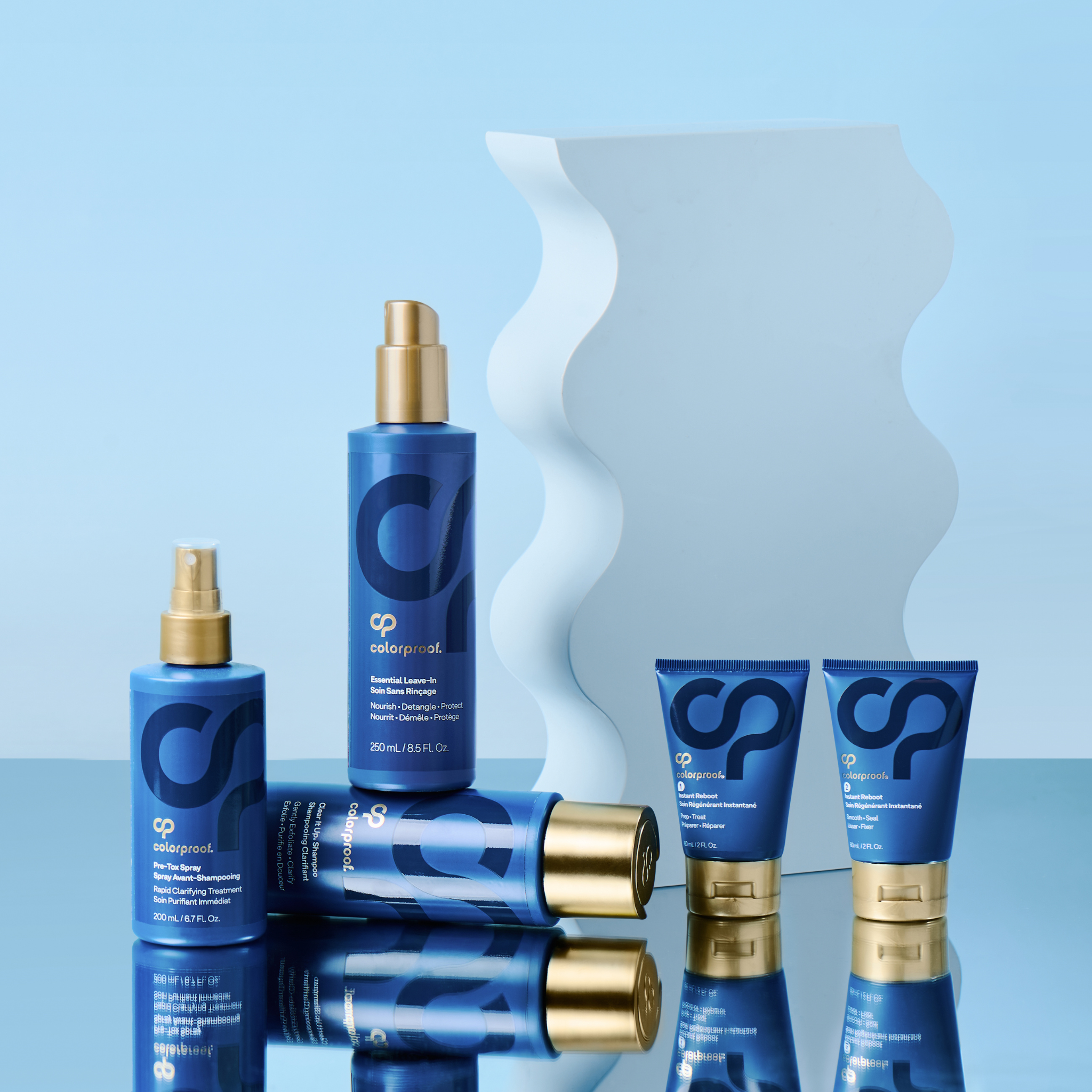
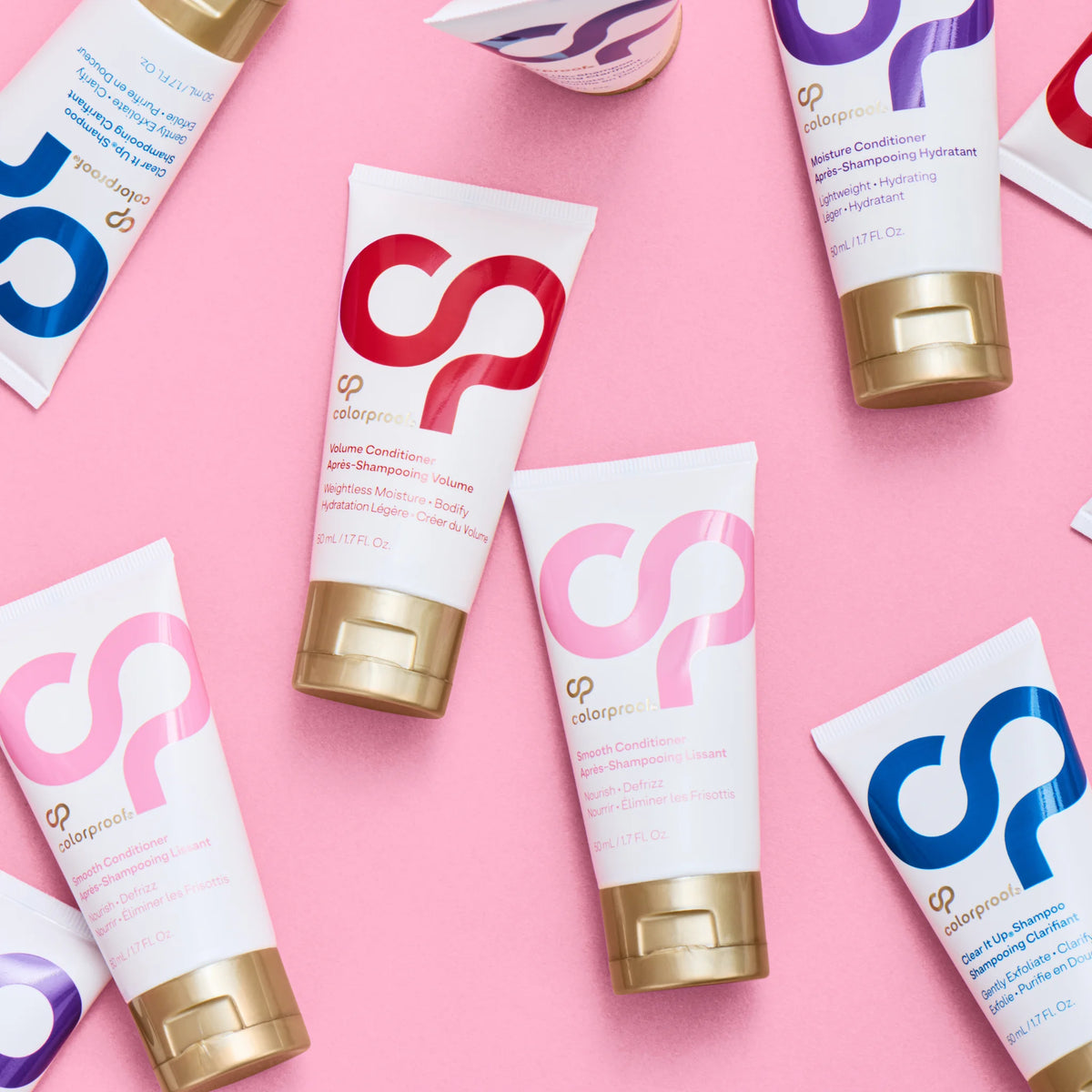
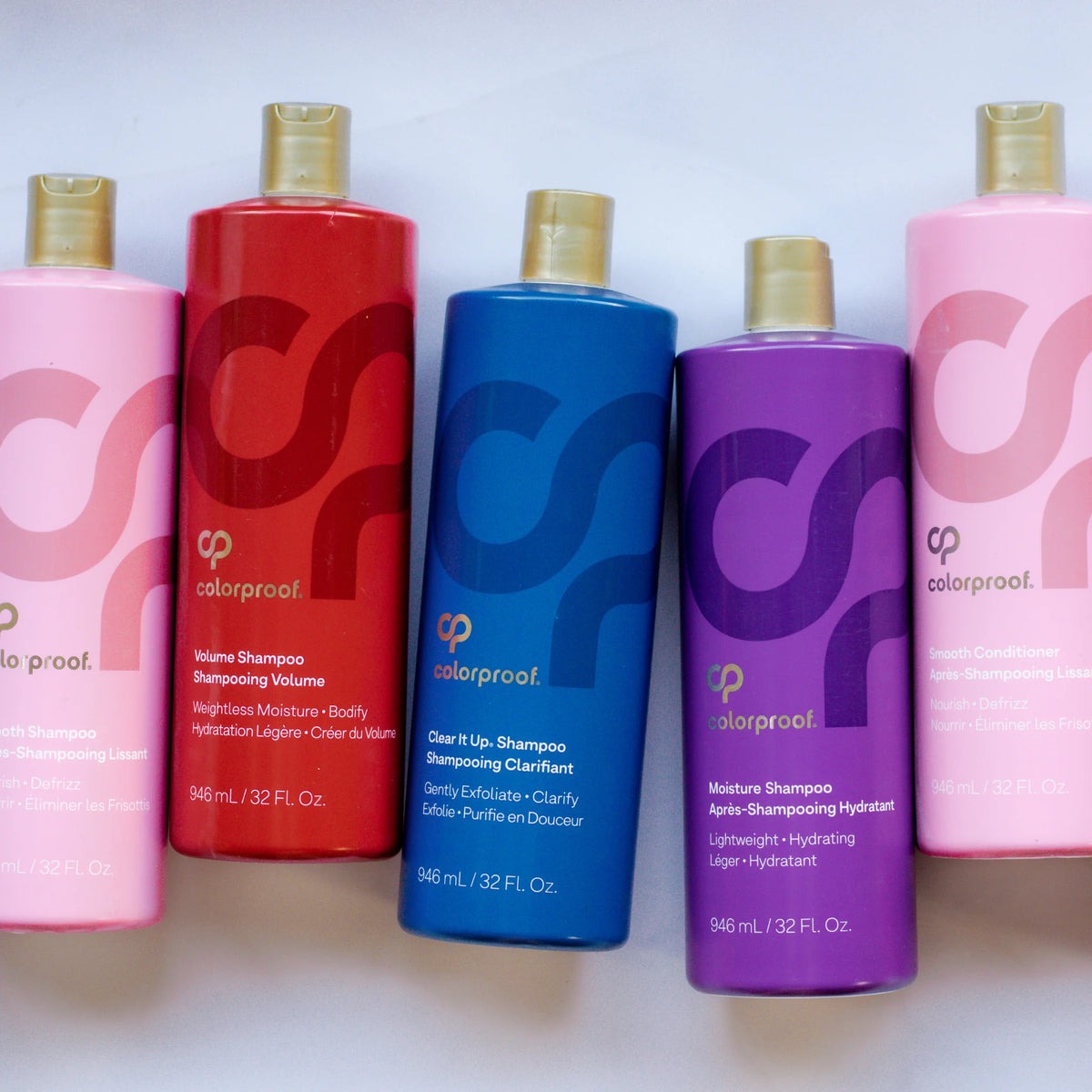
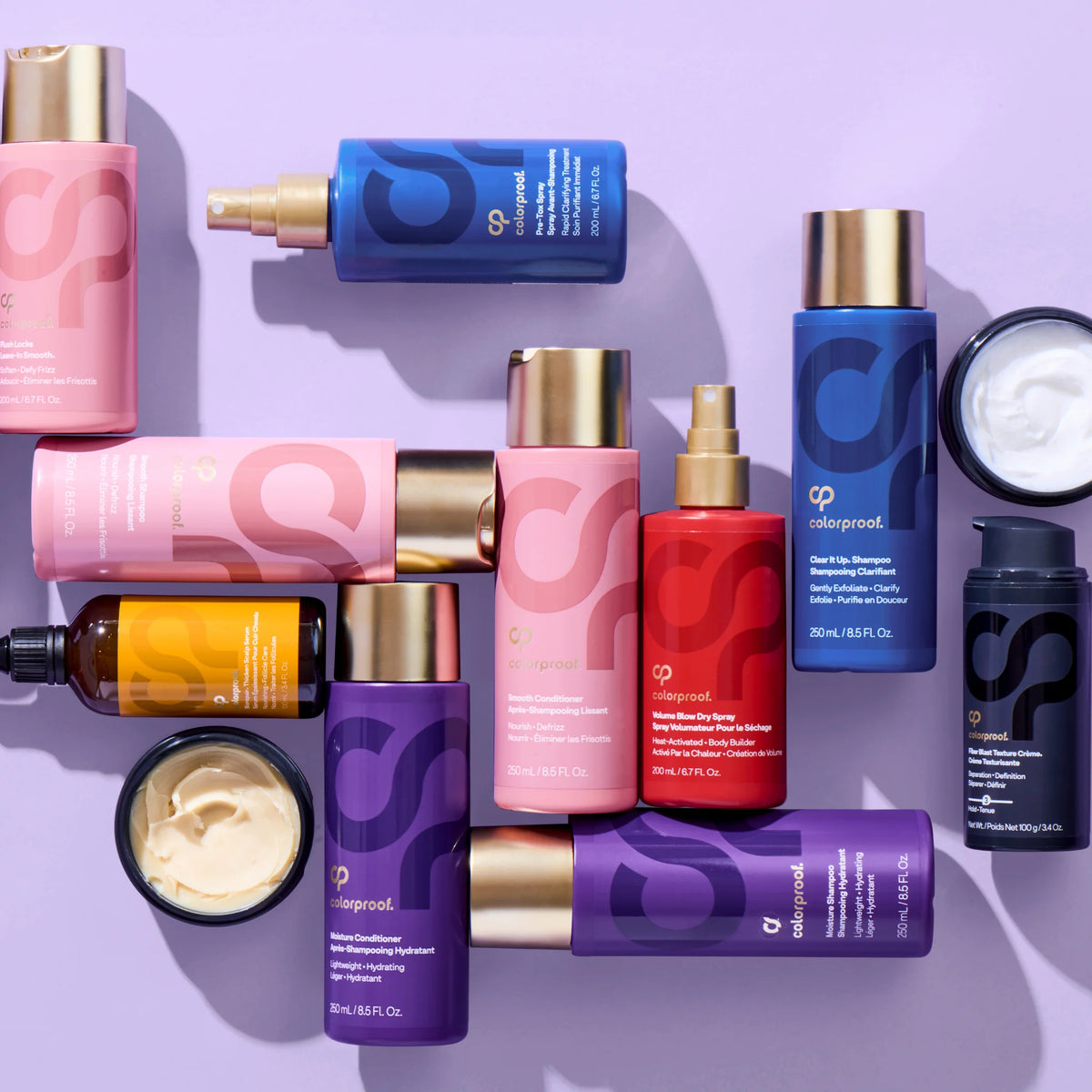
The trick is clarifying without stripping color. Most clarifying shampoos are aggressive and pull pigment along with the buildup. Clear It Up Shampoo is built specifically for color-treated hair. It removes mineral deposits and product residue without lifting tone.
A few quick rules:
- Once every two weeks is plenty. More than that strips natural oils.
- Use it as the first wash, then follow with a hydrating conditioner.
- Massage at the scalp, let the suds rinse through the lengths.
Most people see results within a single use. Hair looks brighter, more reflective, and ready for whatever comes next.
Tip 2: Hydrate Deeply with a Weekly Color-Safe Hair Mask
Dry hair never looks shiny. That's the whole story.
A weekly deep treatment is the difference between hair that feels rough and hair that catches light. Moisture Masque hydrates without weighing strands down and supports color longevity at the same time.
How to use it well:
- After shampooing, towel-dry until hair is damp, not soaking
- Apply from mid-lengths to ends, skip the scalp
- Leave for two to three minutes. Longer doesn't help and may coat the cuticle.
- Rinse with cool water to seal the surface
That last step matters. Cool water keeps the cuticle flat as it dries, which is exactly what produces shine. For anyone wondering how to make color-treated hair shiny without paying for salon treatments, a weekly mask is the closest thing to a guaranteed win.
Tip 3: Add a Gloss Treatment to Refresh and Reflect Color
A hair gloss treatment does two things: it deposits a small amount of pigment to refresh tone and creates a smooth, translucent finish that helps reflect light. That's why hair looks so glossy when you walk out of a salon.
Glosses come in two forms:
- In-salon gloss - done by a colorist, lasts four to six weeks, refreshes tone
- At-home gloss - usually a tinted conditioner or treatment, lasts one to three washes
A few useful glossy hair tips:
- Gloss is not toning. Toning corrects brassiness or ashiness. Gloss adds shine and a slight tone boost.
- Clear glosses work on any color. Tinted glosses match or enhance existing tone.
- Pair a gloss with a quality leave-in to extend the effect.
If a full salon gloss isn't in the budget this month, a weekly mask plus a finishing oil gets you closer than people expect.
Tip 4: Seal Your Cuticle with a Lightweight Hair Oil or Serum
This is where most people see the biggest visible difference from a single product change.
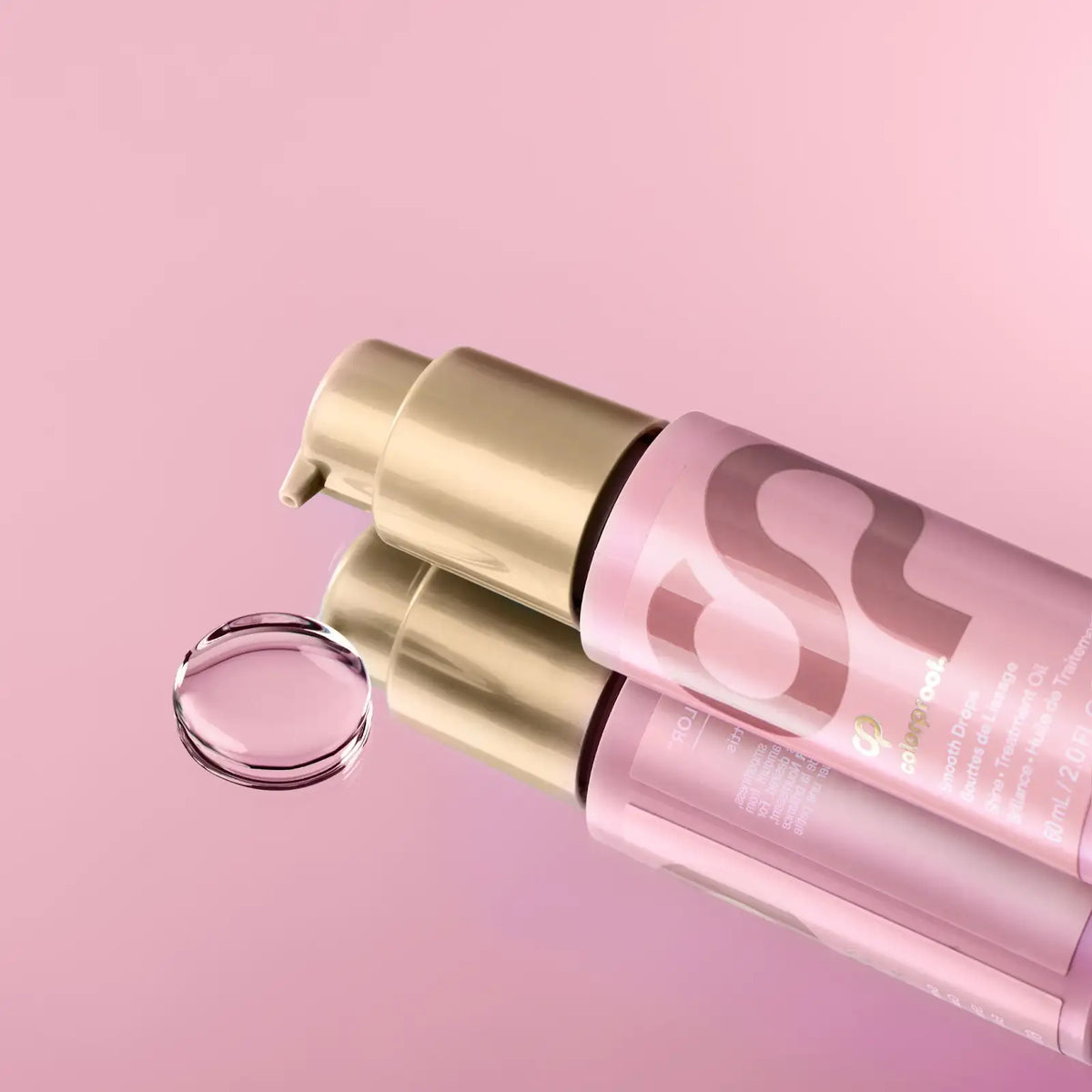
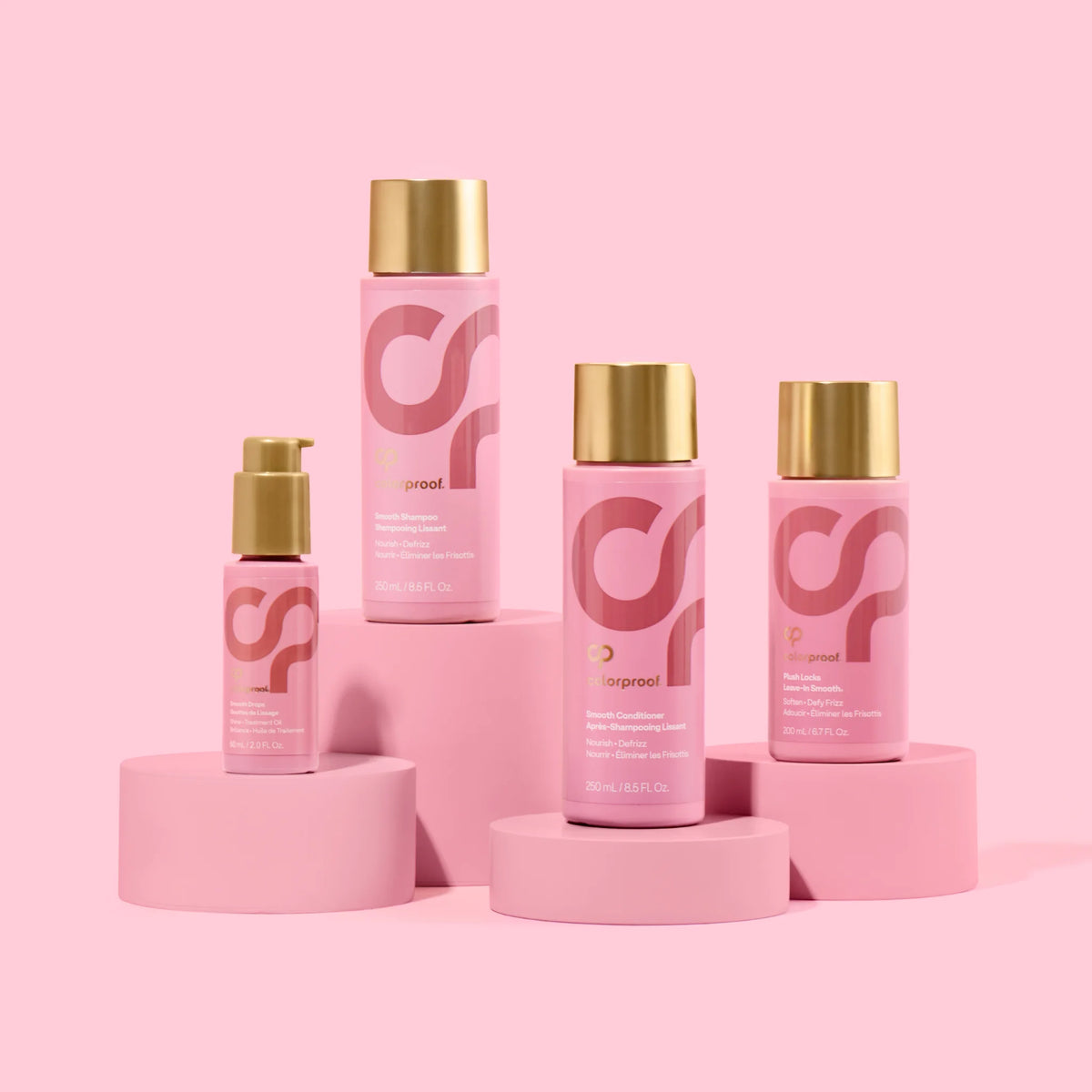
A light oil or serum lays a smooth, even film across the cuticle. Light hits the strand and reflects cleanly. That's shine. The key is lightweight. Heavy oils weigh hair down and look greasy. Smooth Drops absorb in seconds, add gloss without slickness, and work on damp or dry hair.
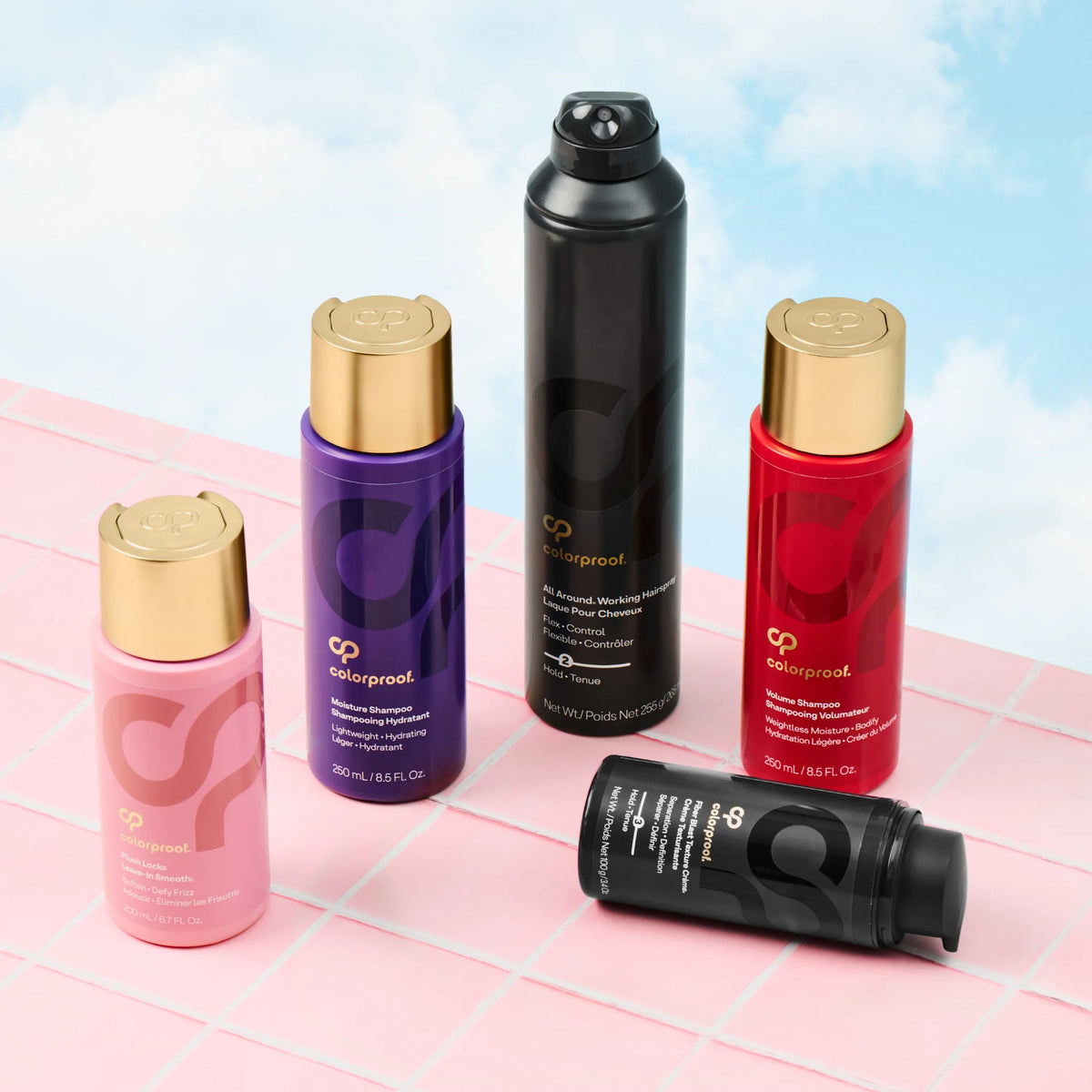
For more recovery alongside shine, Plush Locks Leave-In Smooth on damp hair adds heat protection and a polished feel.
Quick rules to restore hair shine with oils:
- Apply to mid-lengths and ends only
- Less is more. Start with half what you think.
- Use on damp hair to lock in moisture, dry hair for instant polish
Tip 5: Adopt Daily Habits That Protect and Enhance Shine
The daily routine matters more than any single product. How to add shine to color-treated hair is largely a question of what you stop doing.
Habits that quietly steal shine:
- Hot showers
- Daily washing
- Rough cotton towels
- Brushing dry hair from root to tip
- Skipping heat protectant
- Sleeping on a cotton pillowcase
Swap those for:
- Lukewarm or cool water for rinsing
- Washing every two to three days
- A microfiber or cotton t-shirt for drying
- A wide-tooth comb on wet hair, working from ends up
- A thermal leave-in before any heated tool
- A silk or satin pillowcase
None of these is dramatic. They each protect one small piece of the cuticle, and they stack. After two weeks of gentler handling, hair looks more reflective without changing products. If you're after how to make hair shiny in a way that lasts, the answer lies in daily routines more than in any single bottle.
Ingredients to Look For in Shine-Boosting Products
Not every "shine-enhancing" label means much. The ingredients that genuinely contribute to shine for color-treated hair:
- Lightweight oils - argan, abyssinian, camellia, jojoba. Coat the cuticle without weight.
- Hyaluronic acid - pulls moisture into the strand and keeps it there
- Vegan proteins (pea, soy, potato) repair micro-damage along the surface
- Antioxidants like vitamin C and E protect color from oxidation, a leading cause of dullness
- Sea kelp and seaweed extracts hold hydration in the cuticle
What to avoid:
- Sulfates (strip pigment)
- Heavy silicones (build up and dull over time)
- Salt (sodium chloride) in cleansers
- Harsh alcohols like cetyl and stearyl
Reading the label takes ten seconds. It's one of the easier upgrades you can make to a routine.
Why Choose ColorProof Products Over Other Brands
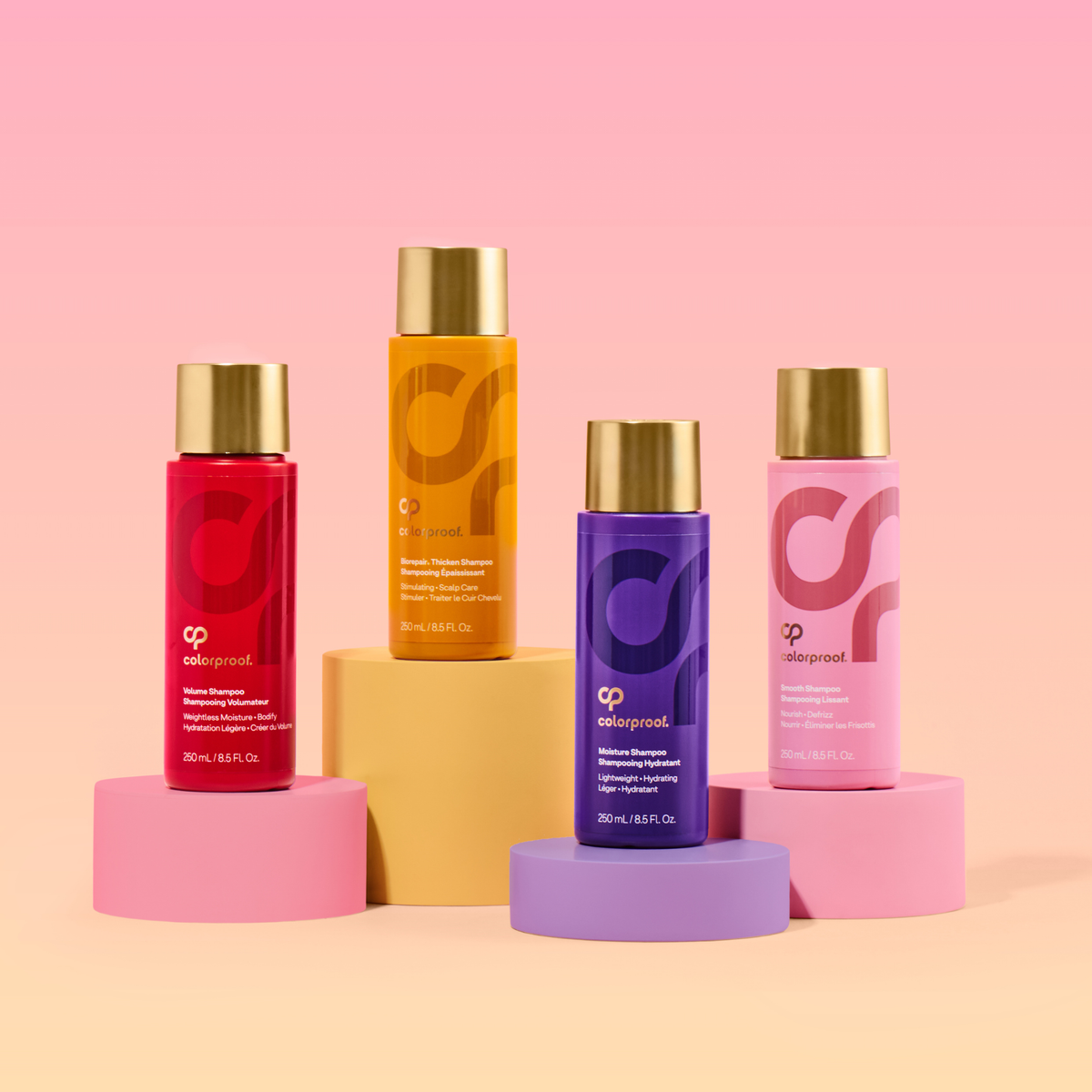
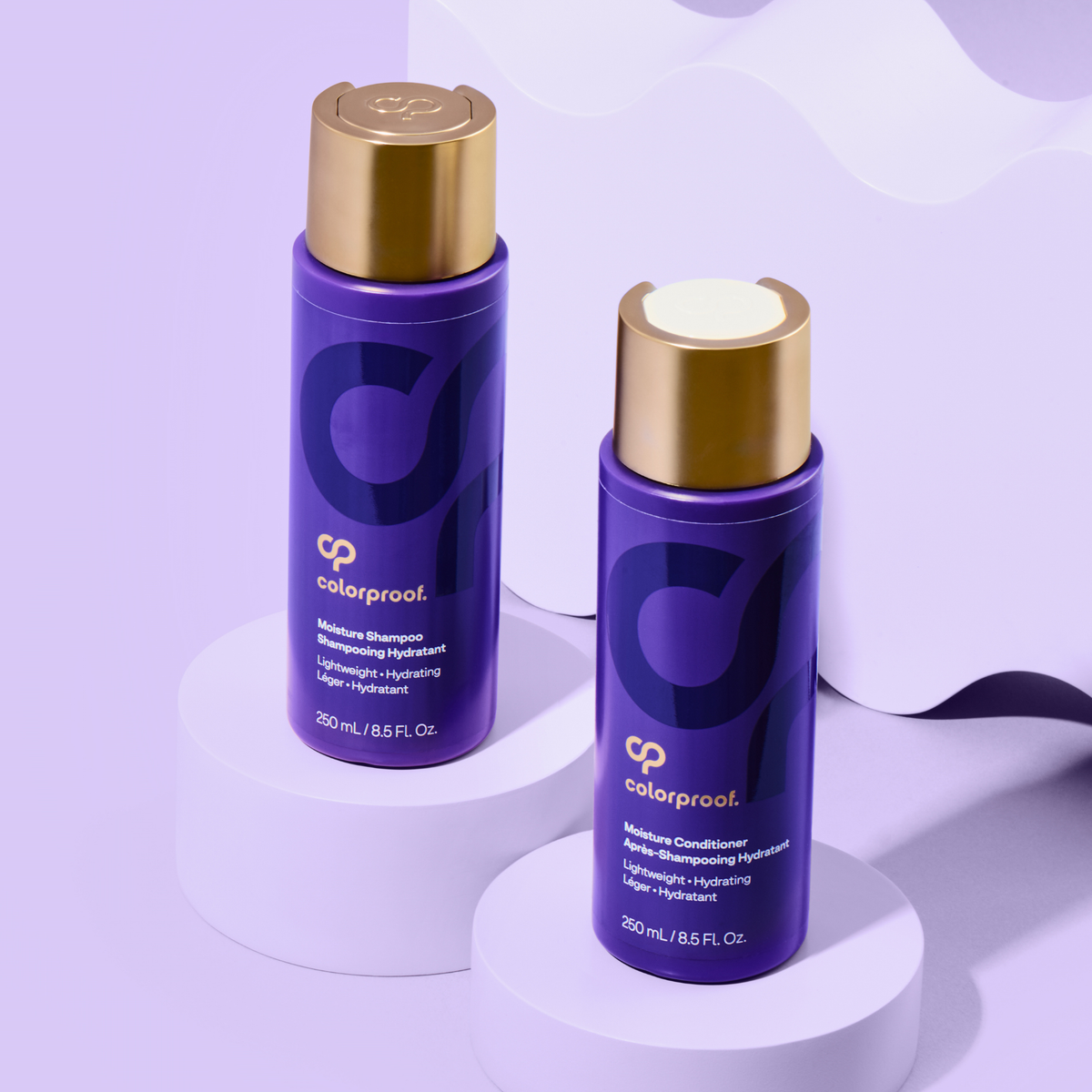
Every ColorProof formula is built for color-treated hair specifically, which matters because "color-safe" on a generic label isn't the same thing:
- Sulfate-free, salt-free, paraben-free across the line
- Advanced Color Last System with antioxidant protection in every formula
- Lightweight oils and proteins for shine without weight
- Clean, vegan, cruelty-free
- Real how to add shine to color-treated hair support in formula form, not buzzwords
Conclusion
Dull hair is rarely a permanent state. It's almost always buildup, dryness, or rough handling, and any one of those can be fixed in a week. How to add shine to color-treated hair, or how to restore shine to hair generally, comes down to gentle clarifying, weekly hydration, lightweight finishing, and daily habits that don't feel like work. Do the small things consistently, and the color you walked out with starts catching light the way it should.
FAQs
Q1: Why does my color-treated hair look dull?
The cuticle has lifted slightly from coloring, and dullness usually comes from buildup, dryness, hot water, or heat damage, roughening the surface. Light can't reflect off a rough cuticle, which is why hair reads flat even when the color itself is fine.
Q2: How can I add shine to dull hair quickly?
A gentle clarifying wash followed by a hydrating mask gives the fastest visible result. Finish with a lightweight oil on damp ends. The combination removes buildup, restores moisture, and smooths the cuticle in one wash.
Q3: What is the difference between a hair gloss and a hair glaze?
A gloss deposits a small amount of pigment and adds shine, lasting four to six weeks. A glaze is essentially a clear gloss without color, adding shine only. Both are used to refresh hair between color appointments.
Q4: How often should I deep condition color-treated hair?
Once a week is the sweet spot. Twice if hair is very dry or has recently been lightened. Leave masks on for two to three minutes, no longer. More time doesn't add benefit and can coat the cuticle.
Q5: Does clarifying shampoo strip hair color?
Standard clarifying shampoos often do. Color-safe clarifiers like ColorProof's Clear It Up are built to remove buildup without lifting pigment. Used every two weeks, they refresh shine without shortening color life.
Q6: Can hair oil really make my hair shinier?
Yes, when used correctly. A lightweight oil lays a thin, even film across the cuticle that reflects light evenly. Stick to a single pump, apply to mid-lengths and ends only, avoid the scalp to prevent greasy roots.
Q7: Why is cool water better for color-treated hair?
Hot water lifts the cuticle, which releases pigment and roughens the surface. Cool water keeps cuticles flat and sealed, so color stays in and hair looks shinier. The difference shows up clearly at the end of a rinse.
Q8: Do boar-bristle brushes help with shine?
They can. Boar bristles distribute the scalp's natural oils down the strand, which lays a thin protective film along the cuticle. Use gently on dry hair only. Avoid pulling through wet hair, where strands are most fragile.
Q9: Can hard water cause dull hair?
Yes. Hard water deposits calcium, magnesium, and iron on the cuticle, building up over weeks. The film blocks light and dulls color. A regular clarifying treatment, plus a shower filter, makes a clear difference.
Q10: Will my color-treated hair ever look glossy again?
Almost always, yes. A clarifying wash, a deep mask, lighter products, and gentler habits restore shine within one to two weeks for most people. Color-treated hair holds shine just as well as virgin hair when the routine matches it.