









The salon mirror shows the color exactly the way it was meant to look. Whether you walk out with it three days later is a different question, and most of the answer comes down to what you do in the first 72 hours.
The first three days after a color appointment quietly decide how the next six weeks will look. The cuticle is still settling, pigment is still bonding, and almost anything you do in that window has more impact than usual. Good hair care after coloring is mostly about restraint. If you've ever wondered exactly what to do after coloring hair, the answer lives in a handful of small choices around water, heat, and product, made consistently for 72 hours.
Why the First 72 Hours After Coloring Are So Critical
Color processing doesn't end when you leave the chair. The chemistry keeps working for about three days. The cuticle has been raised to let pigment in, and molecules are still settling into the cortex. Until that finishes, color sits in a vulnerable state.
A few things happen in this window:
- The cuticle stays slightly open, so anything that touches the hair can pull pigment back out.
- Water swells the hair shaft and disturbs the bond before it fully sets.
- Heat speeds molecular movement, pushing pigment out of place.
- Sweat shifts the scalp's pH, which affects how color holds.
This is why colorists are so insistent about the rules right after an appointment. Hair color aftercare in those first 72 hours is genuinely different from regular hair care after coloring in week three. Give the chemistry time to lock in.
Tip 1: Wait 48 to 72 Hours Before Your First Shampoo
The most asked question from anyone leaving a salon: how long to wait to wash hair after coloring? The honest answer is 72 hours when you can swing it, 48 at the minimum.
Why the wait matters:
- Pigment is still settling into the cortex
- Water lifts the cuticle while it's partially open
- Even gentle shampoos pull a small amount of pigment out
This is the window where you'll see the biggest color loss for the least effort, just by washing too soon. If the scalp feels oily by hour 36, dry shampoo at the roots is a fair compromise. A full wash that early changes how color reads in week two.
Tip 2: Keep Your Hair Completely Dry, Even from Water
Washing isn't the only water exposure that matters. In the first 72 hours, plain water on the hair is enough to disturb fresh color. That includes:
- Long, hot showers where steam settles into the hair
- A quick rinse without shampoo
- Pool water, ocean water, hot tubs
- Rain, sweat dripping off the forehead, splashes at the sink
The cuticle is more sensitive to water than to soap right now. Water swells the shaft, and the swelling shifts pigment out of position. Workarounds: shower with a cap, aim the showerhead away from the hairline, skip swimming. If hair gets damp, blot gently. No rubbing.
Tip 3: Skip Workouts and Activities That Cause Heavy Sweating
Sweat is essentially salt water from the scalp. In the first 72 hours, that's a problem. The salt content pulls a small amount of pigment out, and the pH shift at the scalp affects how color bonds at the roots.
This doesn't mean spending three days on the couch. Light walks, gentle yoga, and easy stretching are all perfectly fine. What you should skip:
- Spin class, running, HIIT
- Hot yoga or saunas
- Steam rooms and hot tubs
- Anything outdoors in midday heat
If you have to train, train cool. Lower-intensity work and a sweatband catch most of what would otherwise drip into colored hair.
Tip 4: Stay Away from Heat Styling Tools
The cuticle has just spent hours being chemically opened. Hitting it with 400 degrees a day later is asking for fade. Skip heat tools for three days: no flat iron, no curling iron, no hot rollers, and ideally no blow dryer either, or only on cool.
Heat reopens the cuticle and lets pigment that hadn't fully set yet escape. The color you see after day three depends almost entirely on whether you let the cuticle close uninterrupted. To protect hair color during this window, low temperature is the rule. If you must dry, use the lowest setting and aim the airflow downward.
Tip 5: Use a Sulfate-Free, Color-Safe Shampoo with Cool Water for Your First Wash
When day three rolls around and it's time for that first wash after coloring hair, two things matter most: what's in the bottle, and how warm the water is.
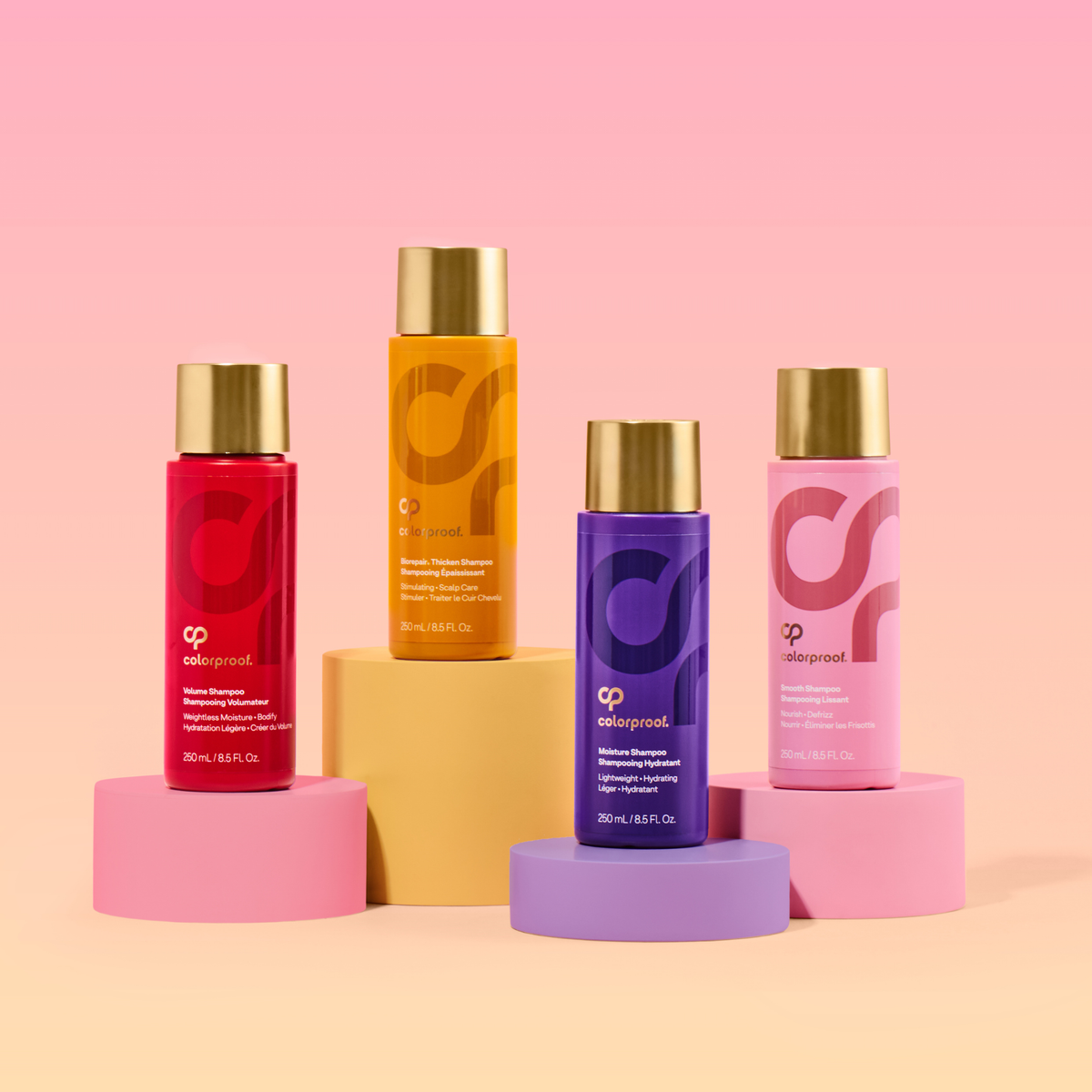
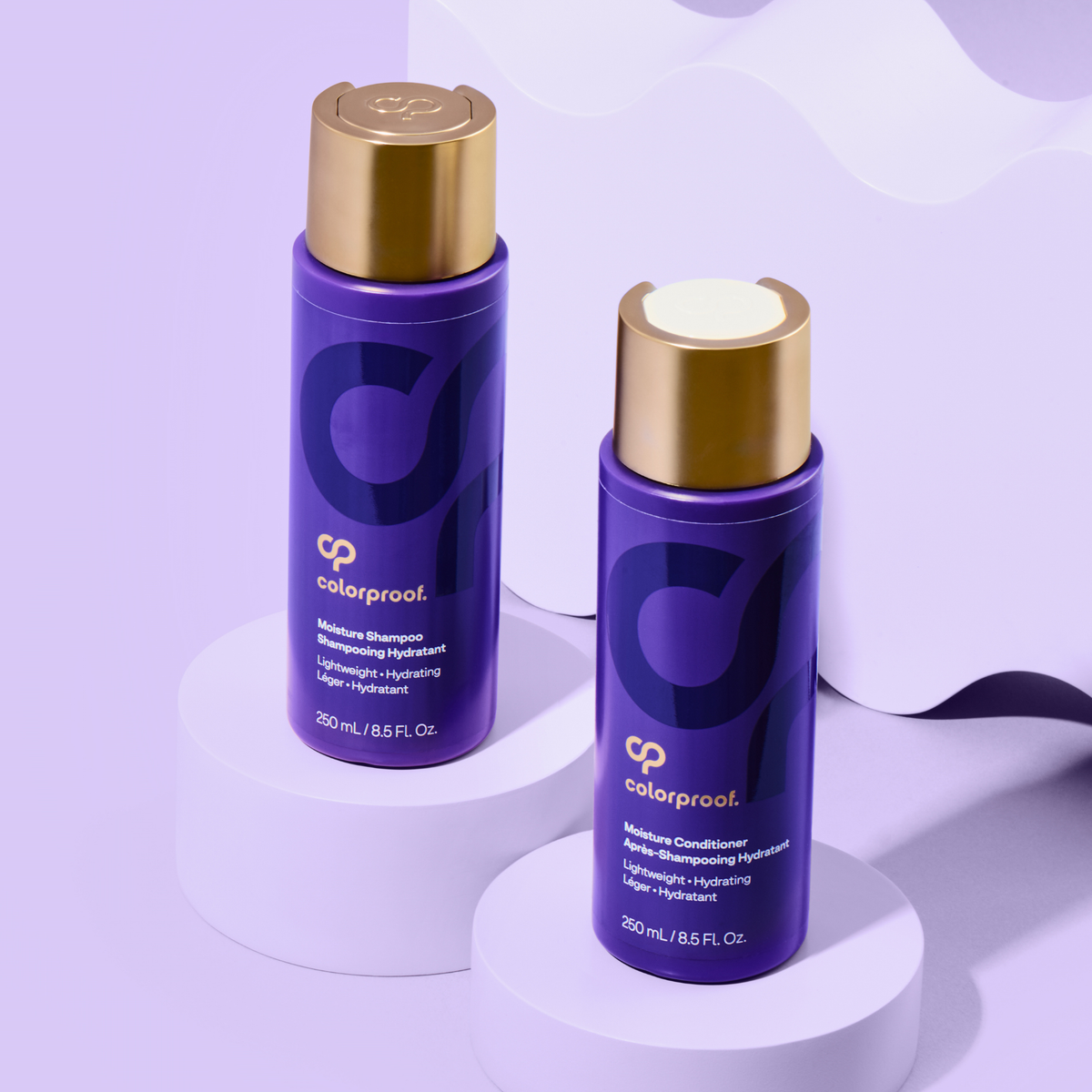
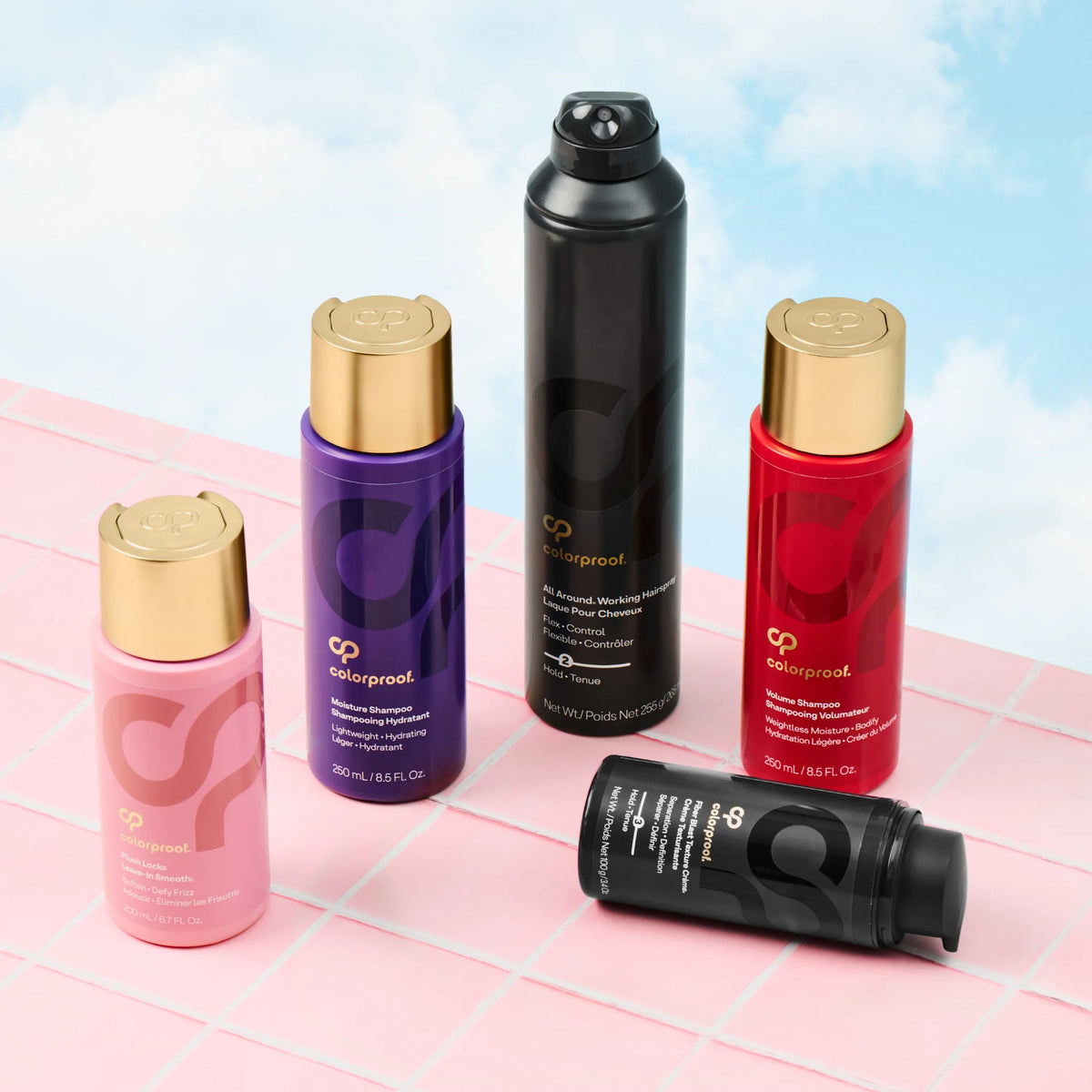
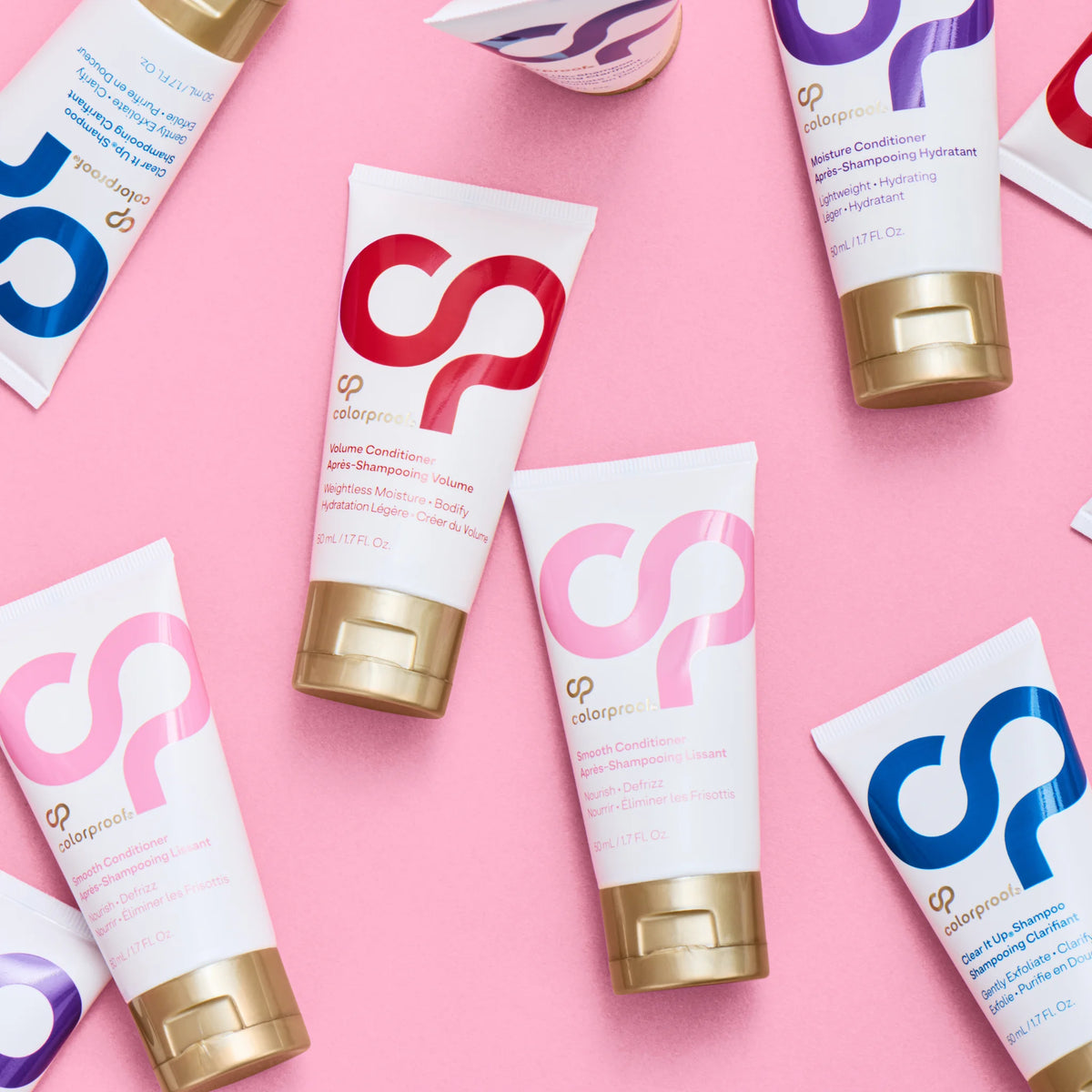
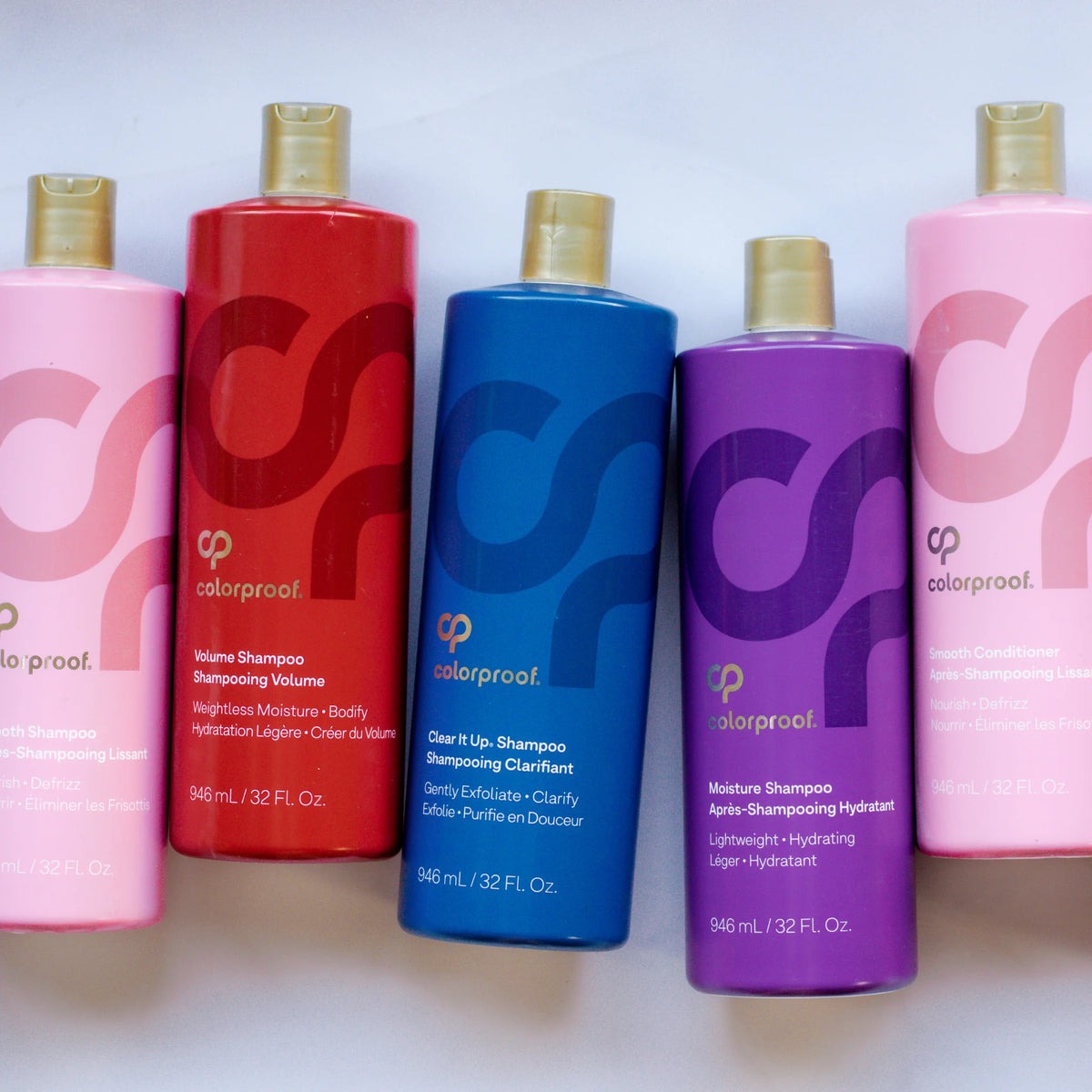
A sulfate-free, color-safe shampoo is non-negotiable. Traditional sulfate cleansers strip pigment fast on freshly colored hair, especially while the hair's internal bonds and cuticle are still stabilizing. Moisture Shampoo is gentle enough for that first wash and adds hydration where it's needed most.
Cool water matters more than people expect. Hot water lifts the cuticle; cool water keeps it sealed. The temperature shows up later as a dull or shiny color. Three rules:
- Lather only at the scalp, let the suds rinse through the lengths
- Keep the water as cool as you can tolerate
- Shorten the shower. Less exposure overall.
The first wash sets the tone for the rest of your post-color hair care routine.
Tip 6: Lock in Color with a Nourishing Conditioner and Leave-In Treatment
Conditioner does more than soften after coloring. It actively seals the cuticle and supports color longevity.
Moisture Conditioner belongs on the mid-lengths and ends, where porosity is highest after processing. Leave it for two or three minutes before rinsing with cool water. That short hold is where the seal happens.
After rinsing, a leave-in finishes the job:
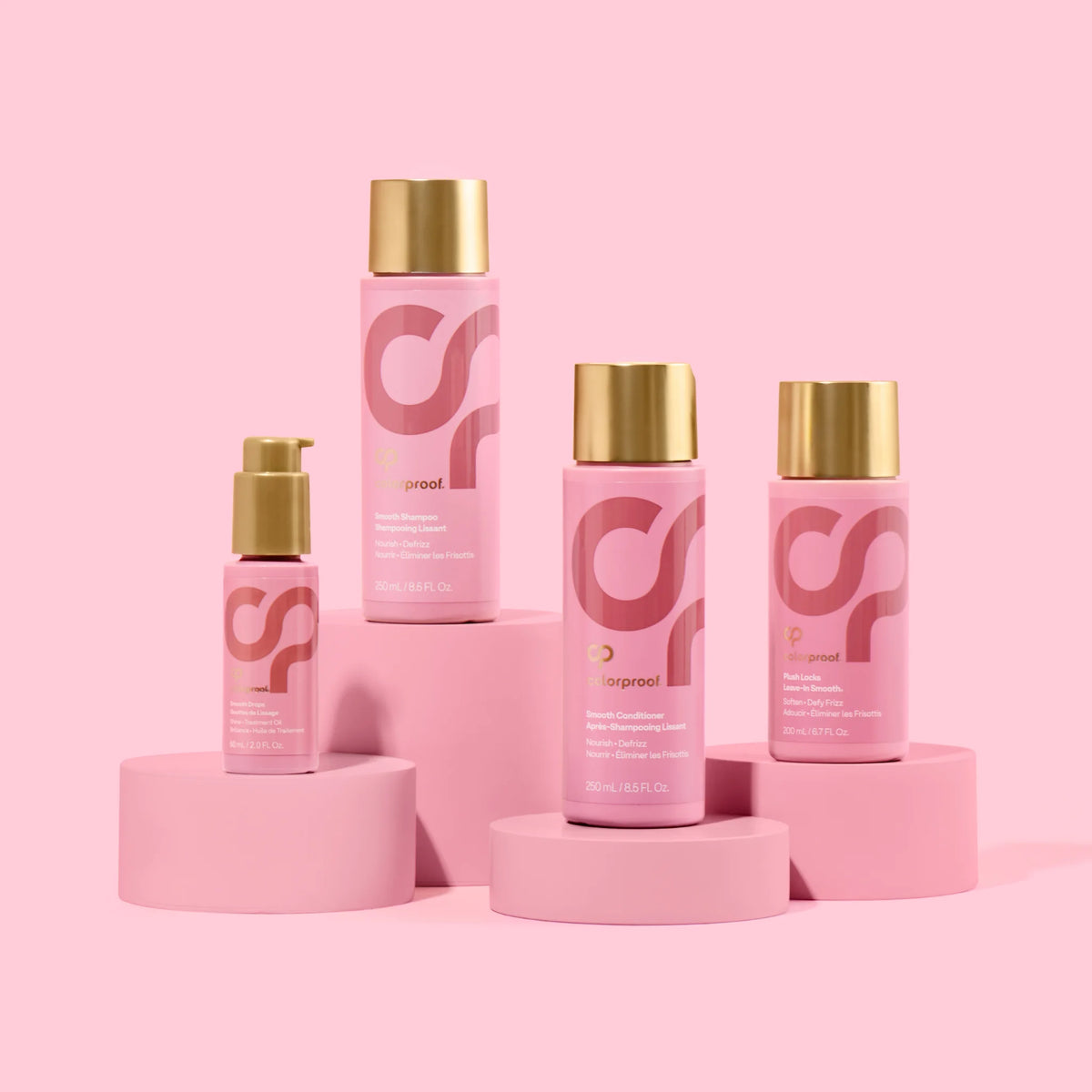
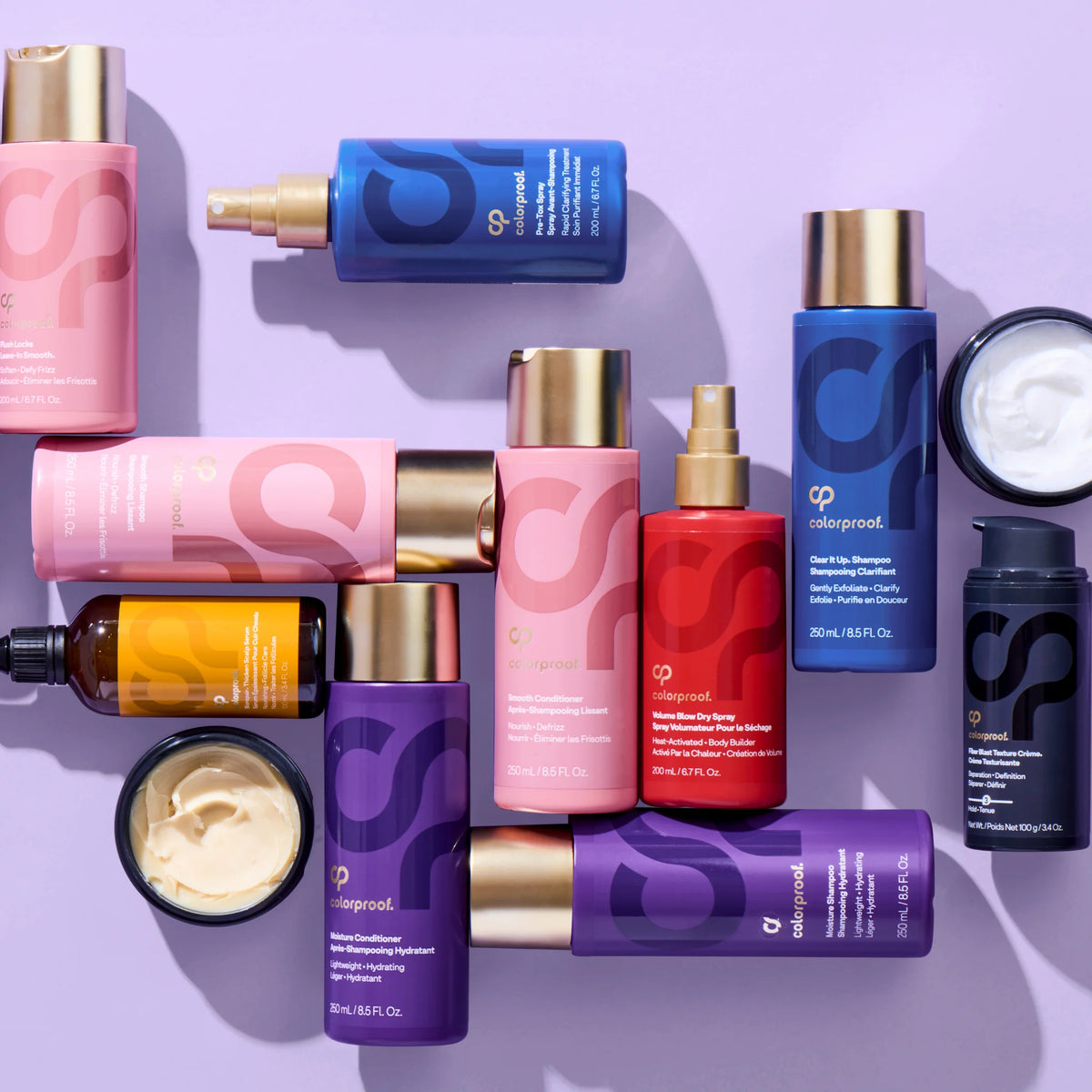
- Plush Locks Leave-In Smooth buffers the strand against heat, sun, and friction
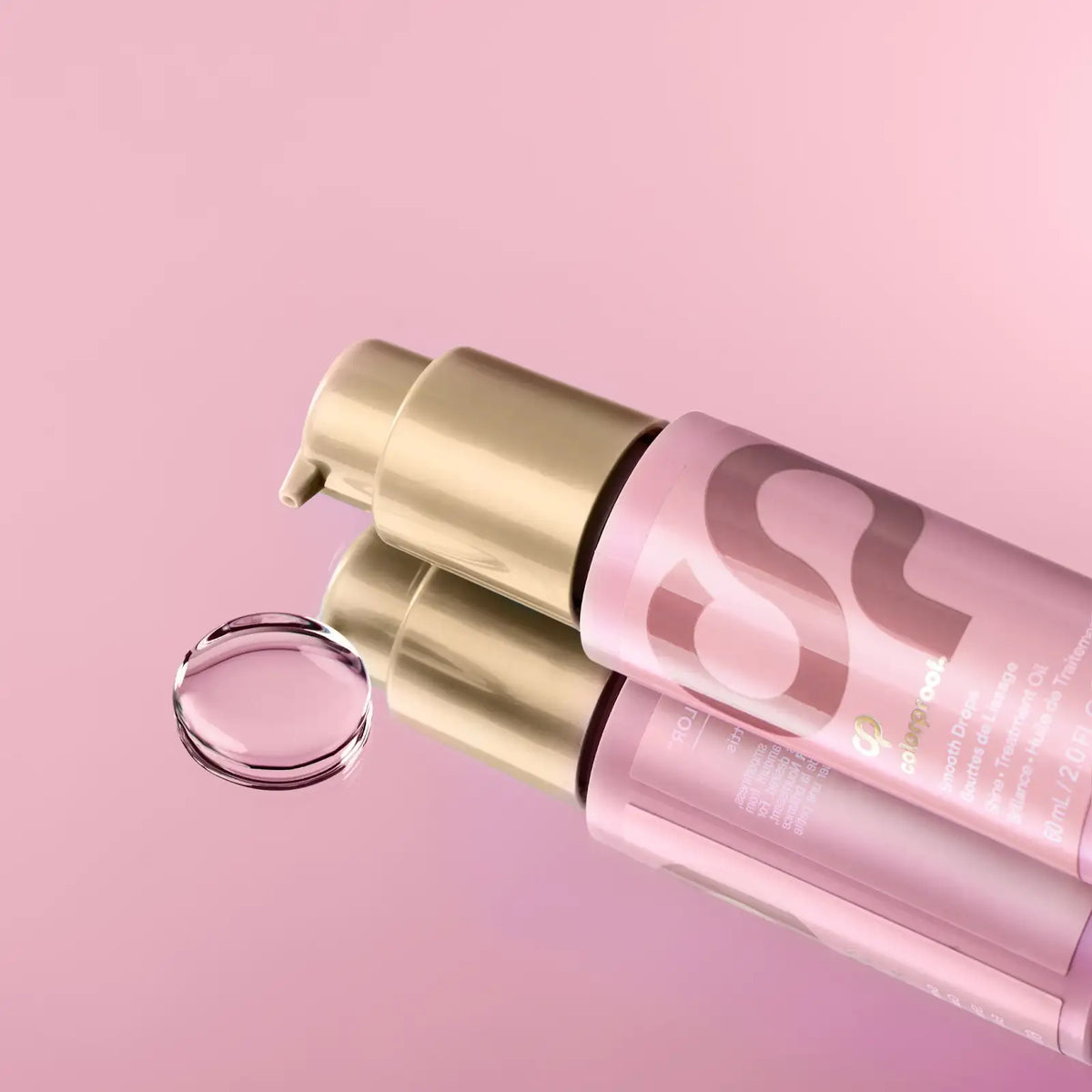
- A few drops of Smooth Drops on dry ends adds shine without weight
In the first 72 hours, every step is about leaving hair smoother than you found it. Rubbing with a rough towel or sleeping on cotton works against the seal. A microfiber towel, a silk pillowcase, and a gentle leave-in often make the difference between color that lasts and color that doesn't.
What to Avoid Beyond the First 72 Hours to Keep Color Vibrant
Past the 72-hour mark, hair care after coloring shifts from strict protection to honest maintenance. The cuticle is closed, pigment is set, and most of what you do now is about slowing the natural fade.
A few things to keep avoiding:
- Hot showers - cool or lukewarm help extend the life of your color.
- Daily washing - every two to three days is the sweet spot.
- Unprotected sun - UV is a top cause of fading. A hat or UV leave-in helps.
- Chlorine and saltwater - a pre-swim rinse and leave-in cut most of the damage.
- Heat tools without protectant - always pair heat with a thermal leave-in.
To prevent hair color fading in week four and beyond, the routine doesn't need to be complicated. It needs to be consistent.
Why Choose ColorProof Products Over Other Brands?
Every formula is built for one thing: hair that's been colored. That focus shows up where it matters during the first 72 hours and every week after:
- Sulfate-free cleansers that don't strip fresh color
- Vegan, color-safe formulas with no harsh fillers
- Leave-ins with heat and UV protection built in
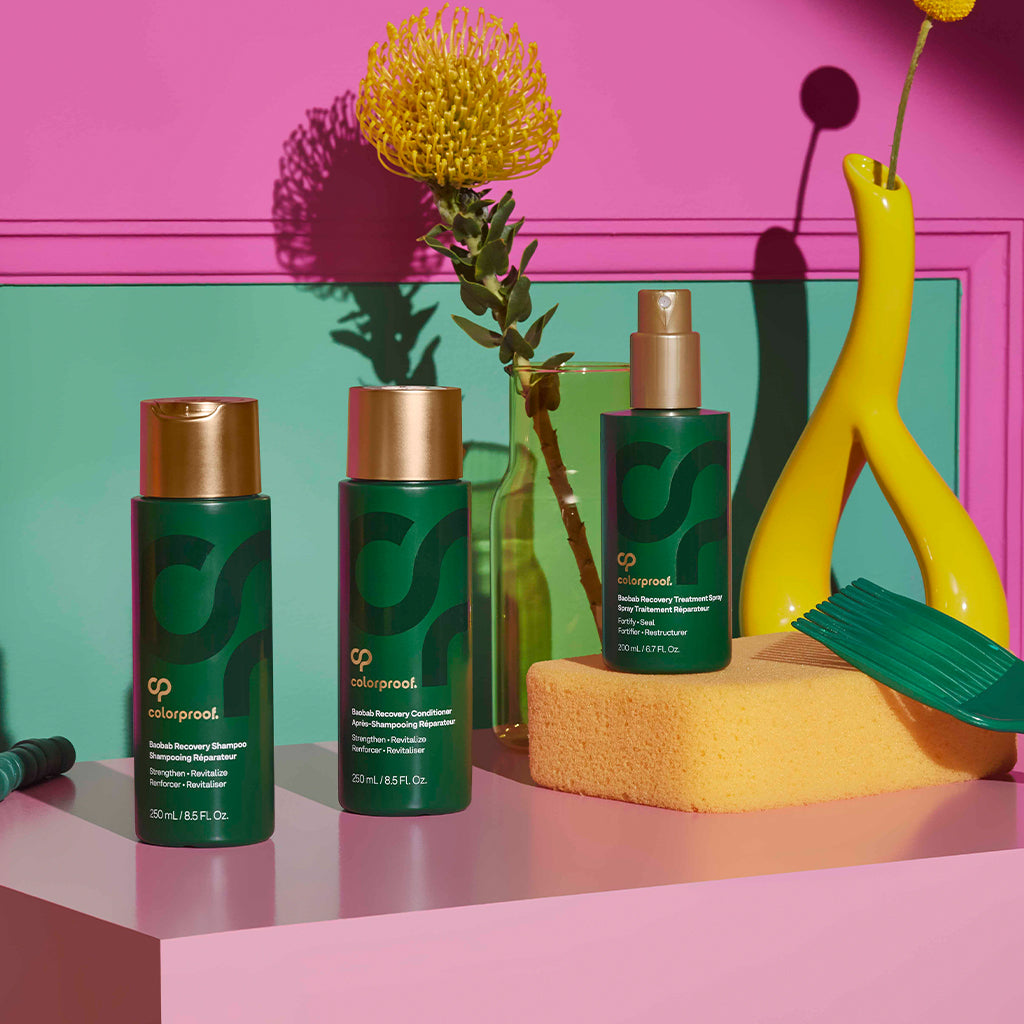
- Recovery options for the weeks after a service
- Genuine color-treated hair care and hair care after coloring without guesswork
Conclusion
The first 72 hours after a color appointment aren't complicated; they just ask for a little more discipline. Skip the wash, skip the heat, skip the workout, skip the water. By day four, the cuticle is closed, and the color is locked in. From there, it's regular dyed hair tips done consistently: cool water, color-safe products, sun protection, gentle handling. Do the first three days well, and the color you walked out with stays the color you wake up to weeks later.
FAQs
Q1: Why are the first 72 hours after coloring so important?
The cuticle is still slightly open, and pigment hasn't fully set. Anything that disturbs the strand, water, heat, or sweat can pull color out before it locks in. Solid hair care after coloring in this window protects the work you just paid for.
Q2: How long should I wait to wash my hair after coloring?
Aim for 72 hours, or 48 at the absolute minimum. Washing too early pulls pigment before it has bonded properly, which shows up as faster fade and duller tone within the first two weeks.
Q3: Can I get my hair wet within the first 72 hours after coloring?
Ideally no, not even a quick rinse. Plain water lifts the cuticle while it's settling. If hair does get damp, blot with a soft towel. Skip pools, hot tubs, and long steamy showers entirely.
Q4: Will sweating affect my new hair color?
Yes, more than people think. Sweat is salt water with a different pH from the scalp's resting state. Heavy sweating in the first 72 hours can disrupt the color bond, especially at the roots.
Q5: Can I use heat styling tools right after coloring my hair?
No. Heat reopens the cuticle and pushes pigment back out of the cortex. Avoid flat irons, curling irons, and hot blow-dryers for at least three days. Air-dry whenever possible, or use a cool setting.
Q6: What type of shampoo should I use after coloring?
A sulfate-free, color-safe shampoo. Sulfates strip pigment fast, especially on fresh color. Look for vegan, gentle formulas built for color-treated hair. ColorProof's Moisture Shampoo is a safe starting point.
Q7: Should I avoid swimming after coloring my hair?
Yes, for the first 72 hours and ideally the first week. Chlorine and salt both pull pigment from fresh color. After that, rinse with fresh water before swimming and apply a leave-in as a barrier.
Q8: Why does cool water help colored hair last longer?
Cool water keeps the cuticle flat and sealed, trapping pigment inside. Hot water lifts the cuticle and lets color escape. The difference feels small in the shower but shows up two weeks later.
Q9: How often should I wash color-treated hair?
Every two to three days is the sweet spot. Daily washing strips pigment alongside oil. If the scalp feels oily between washes, dry shampoo extends time at the roots without the color cost.
Q10: Will my hair color fade quickly if I do not follow these steps?
Yes, noticeably. Skipping the 72-hour rules typically shortens color life by one to three weeks. The rules are easy to follow once you know them, and the payoff lasts the full salon cycle.