









Same shampoo. Same mask. Same leave-in your colorist sold you at checkout. Your hair still feels like straw by Wednesday. The ends of hair dyed more than once are almost always the driest part of your head, and that's rarely a coincidence.
That's not on the products. That's your cuticle.
Coloring pries the cuticle open on purpose, since that's the only way pigment gets in or out. Once it's open, hair soaks up moisture fast, then dumps it just as fast. Soak your ends in conditioner, and you can still feel dry an hour later. The shelf isn't broken. The seal is.
Why the ends of hair dyed more than once feel driest
A touch-up or a full lift works the same way underneath: the cuticle lifts so color molecules can move in or out. Tammy Brown, an 18-year cosmetologist who owns Cache Salon, puts it plainly: coloring can deposit pigment, strip it, shift the tone, lift natural color, or build dimension (Cache Salon). Lift the cuticle, and you also open the door to moisture loss, friction, heat damage, and tangling, all at once.
Nobody did anything wrong here. That's simply part of the coloring process. Where many routines fall short is assuming the cuticle closes right back up the moment you rinse.
Blame age, not luck, for why your ends go first. The ends dyed multiple times have been through that cuticle-lift every single time color touched them, on top of years of blow-drying and flat-ironing. Colored ends of hair are structurally weaker than roots before dryness even enters the picture, which is why they show it first.
What actually causes dry hair after coloring
This is the part nobody explains at the salon. Porous hair, which is basically all color-treated hair, takes in water and product fast, then lets it go just as fast. Healthline has a name for the damage that causes: hygral fatigue, hair swelling with moisture and shrinking back down over and over until the structure gives out. That cycle hits repeatedly dyed hair hardest of all. Piling on more conditioner doesn't fix that. It simply runs the same cycle again.
A heavier product doesn't fix a hole in the bucket. It gets you a bigger bucket.
How to hydrate color treated hair, in the right order
Two things need to happen, and most routines only do one: replace what's missing, then seal it in:
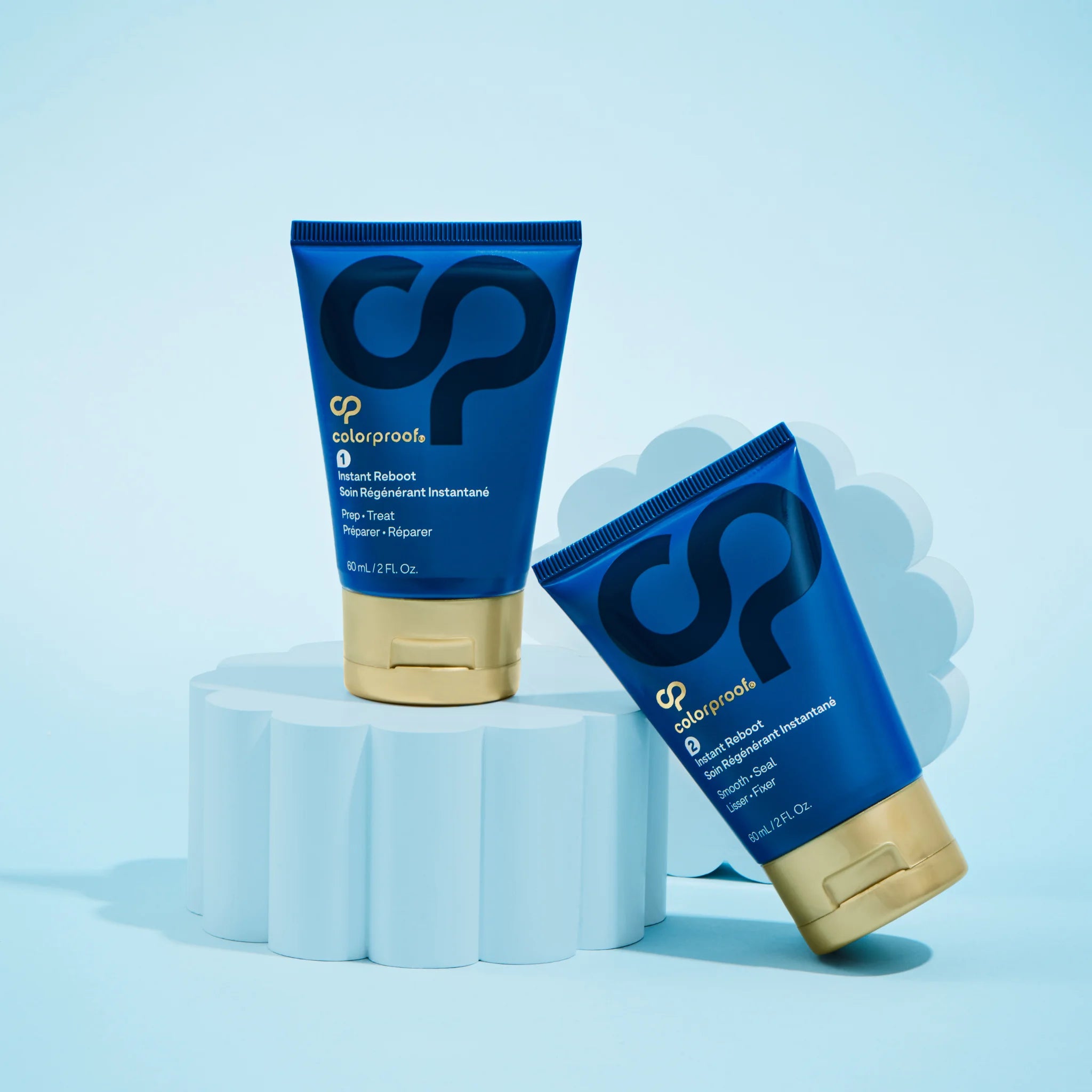
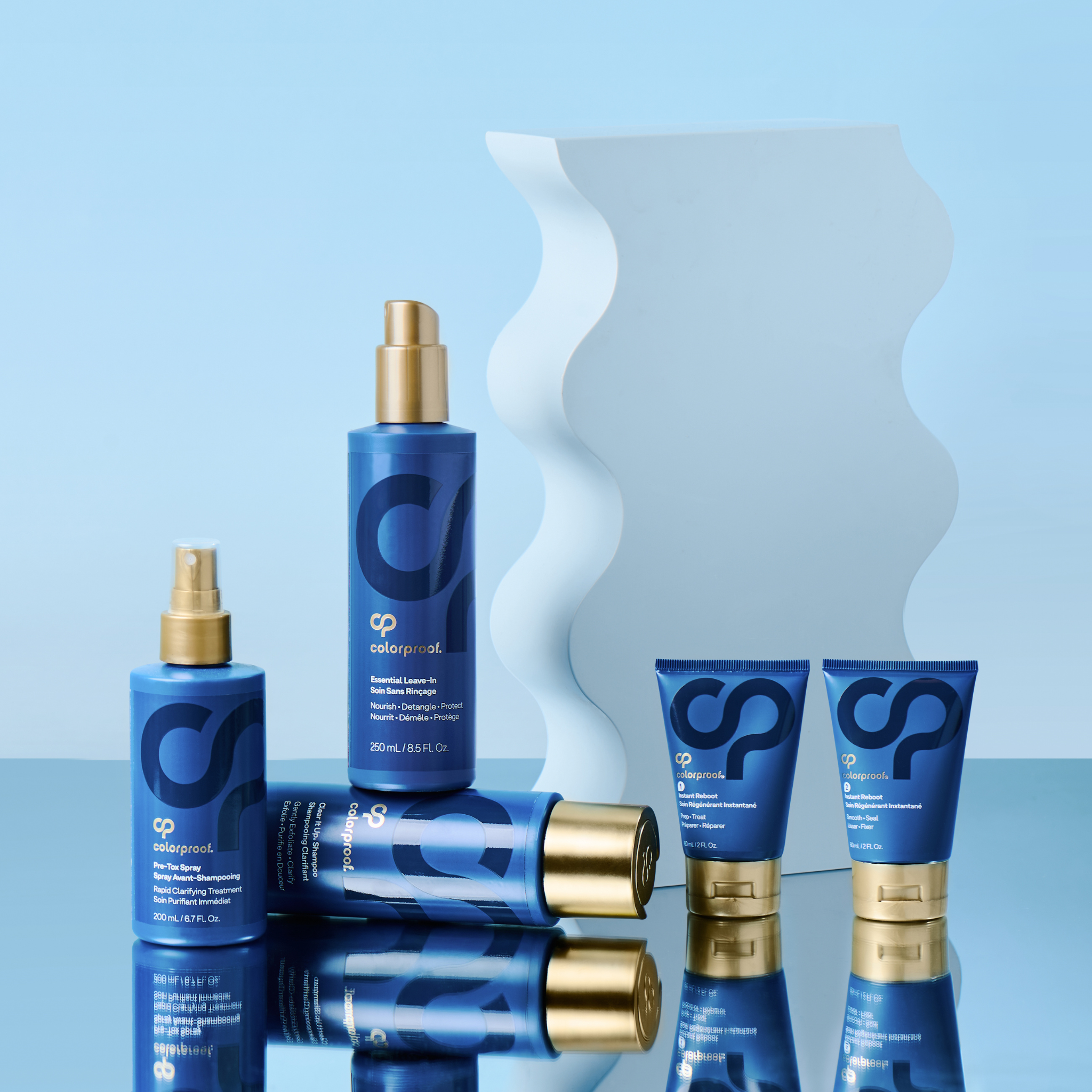
- Replace what the color took out. Instant Reboot Treatment Masque does this in two steps: step one lifts the cuticle to let shea butter, ceramides, and moringa seed oil in; step two closes it back up. Swap it in for your regular conditioner once a week.
- Then seal. Cuticle Closer drops your hair's pH right after a color service, which is what lets the cuticle lie flat instead of staying rough and raised. Skip that step and everything applied afterward is working against a door that's still open.
For the days in between, Essential Leave-In detangles and shields the ends of hair dyed repeatedly by heat exposure before a straightener ever touches them. Ends need that protection more than any other part of your head.
The best products for dry colored hair, and why shampoo alone won't cut it
A color-safe masque for overprocessed hair, paired with a product that helps smooth the cuticle, can make a real difference for dry, colored hair. Shampoo and conditioner cover the basics, but hair that's been lightened often needs a little more support.
Dyed ends: why they're always first to complain
Dyed ends take the brunt of nearly everything above. Stop grabbing a richer conditioner every time your hair feels dry after a wash. If you're already on a color-safe routine and it's still parched, more of the same won't fix a sealing problem. Swap one wash a week for the masque-and-seal combo above before spending money on anything new. Instant Reboot Treatment Masque works as the combo your strands might need: it immediately nourishes damaged hair and seals the cuticle, locking in moisture for that protective, glossing seal.
Conclusion
Give the most processed parts of your hair a little extra care: use a repair masque weekly and follow with the products to seal the cuticle after every color service. That gives your shampoo and conditioner a better foundation to work from - and helps your ends, which have been through the most, feel softer and look healthier.
Frequently asked questions
What causes dry hair after dying?
Coloring opens the cuticle to shift pigment, and that same open cuticle lets moisture out faster than usual once you're done. It's structural. You didn't do anything wrong.
Is hair dry after dying always about the products?
Not usually. It's almost always a sealing problem rather than a product problem. A richer conditioner can't close a cuticle that's still lifted.
How do I fix colored ends of hair that feel rough?
Weekly protein-and-moisture masque, a cuticle-sealing rinse after every color service, and a daily leave-in for heat protection. Rough, colored ends usually need the sealing step more than they need more conditioner.
What's the real fix for dry hair from coloring treatment?
Two steps, not one: put moisture and protein back with a weekly masque, then seal the cuticle down with a rinse-out treatment so it actually stays. Skip the seal and the hydration leaks right back out.
Why do the ends of hair dyed multiple times feel rougher than the rest of my hair?
They're older and more processed than anywhere else on your head. More color services, more heat, more handling. Of course they show it first.
How to treat dry hair after coloring
Weekly masque, a cuticle seal after every service, and a leave-in for daily heat protection. Get the seal step right and the rest of your routine finally does what you bought it to do.