







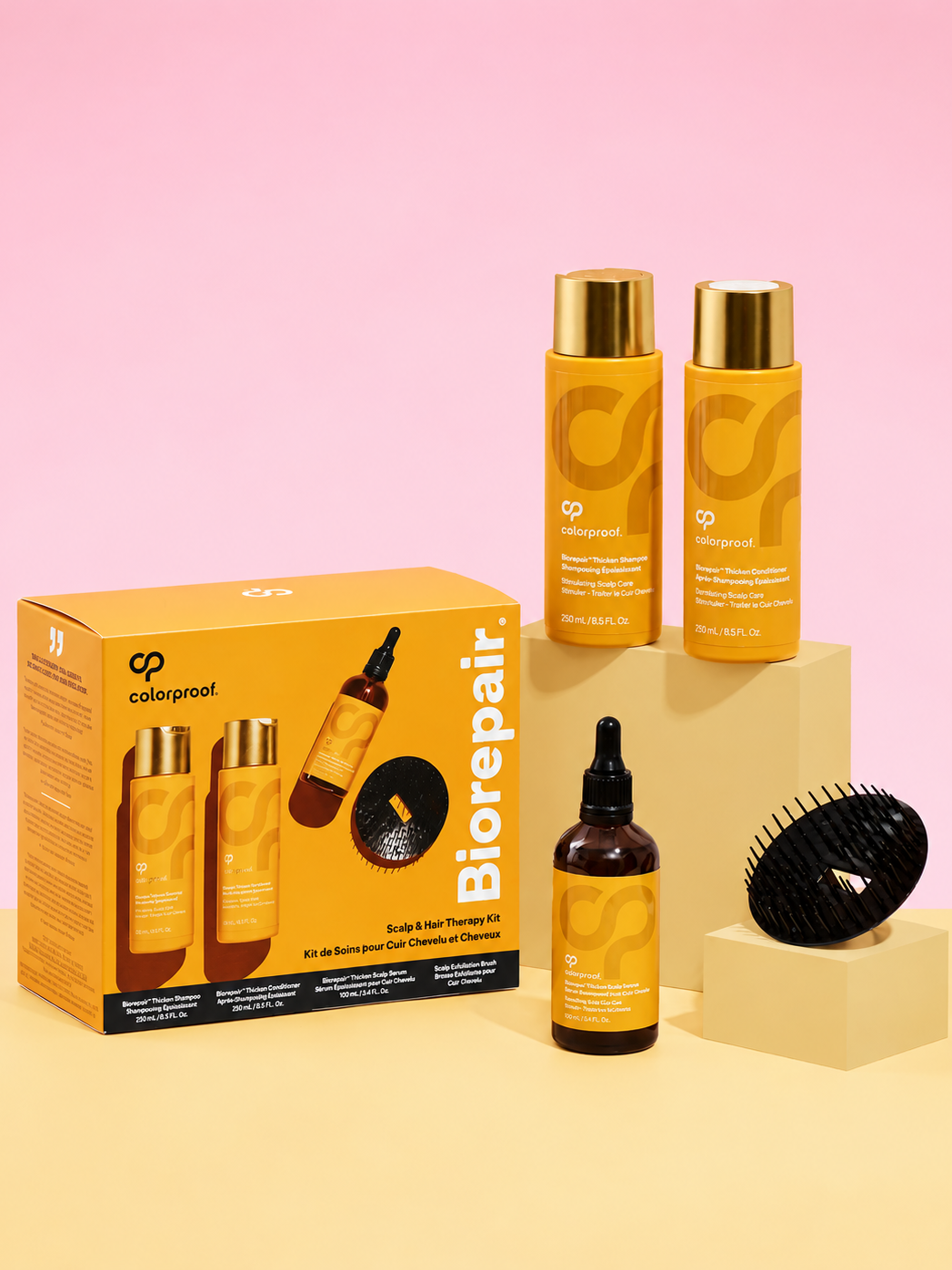

Why Color-Treated Hair Needs Special Care
Color-treated hair requires special care because the coloring process opens up the protective hair outer layer, known as the cuticle, allowing the pigment to penetrate the strands. As a result, your hair becomes porous and more prone to breakage, causing color to fade faster over time.
Five Habits That Do the Heavy Lifting
Color-treated hair maintenance depends on five major things: frequency of washing, the product you use, the water temperature, how well you condition, and the protection from heat and sunlight. These aspects comprise 90 percent of the entire process of caring for colored hair; the rest is extra.
Wash Less and Wash Smarter
Nothing causes color to fade faster than excessive washing. Each wash removes a small amount of color while also stripping away some of the natural oils needed for healthy colored hair.
If the scalp feels greasy when you reduce the frequency of washing, give yourself some time, about two weeks. The hair adapts to less frequent washing over time, and dry shampoo can help it in the meantime. See the table below.
| Daily | Every Other Day | 2 to 3x a Week | |
|---|---|---|---|
| Wash frequency | Daily | Every other day | 2 to 3 times a week |
| Color fade speed | Fast | Moderate | Slowest |
| Natural oils kept | Low | Medium | High |
| Best for | Oily scalps only | Most hair types | Dry or vibrant color |
| Dry shampoo needed | Rarely | Sometimes | Often, between washes |
Switch to Sulfate-Free, Color-Safe Products
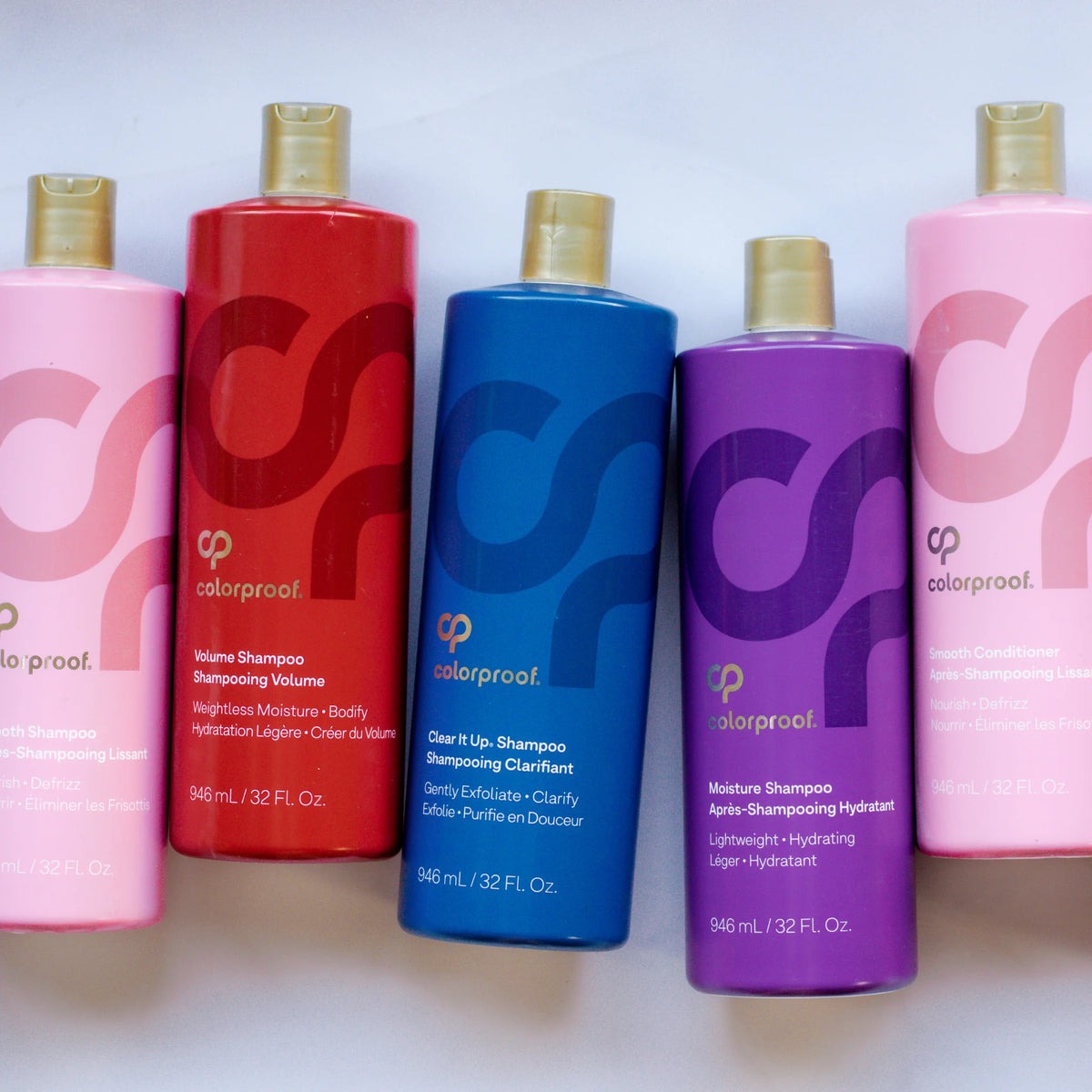
What you use to wash your hair is just as important as how often you wash it, so switch to a sulfate-free, color-safe shampoo and conditioner. While sulfates are strong cleansers, producing the thick foam we love, they remove natural oils along with washing out your color.
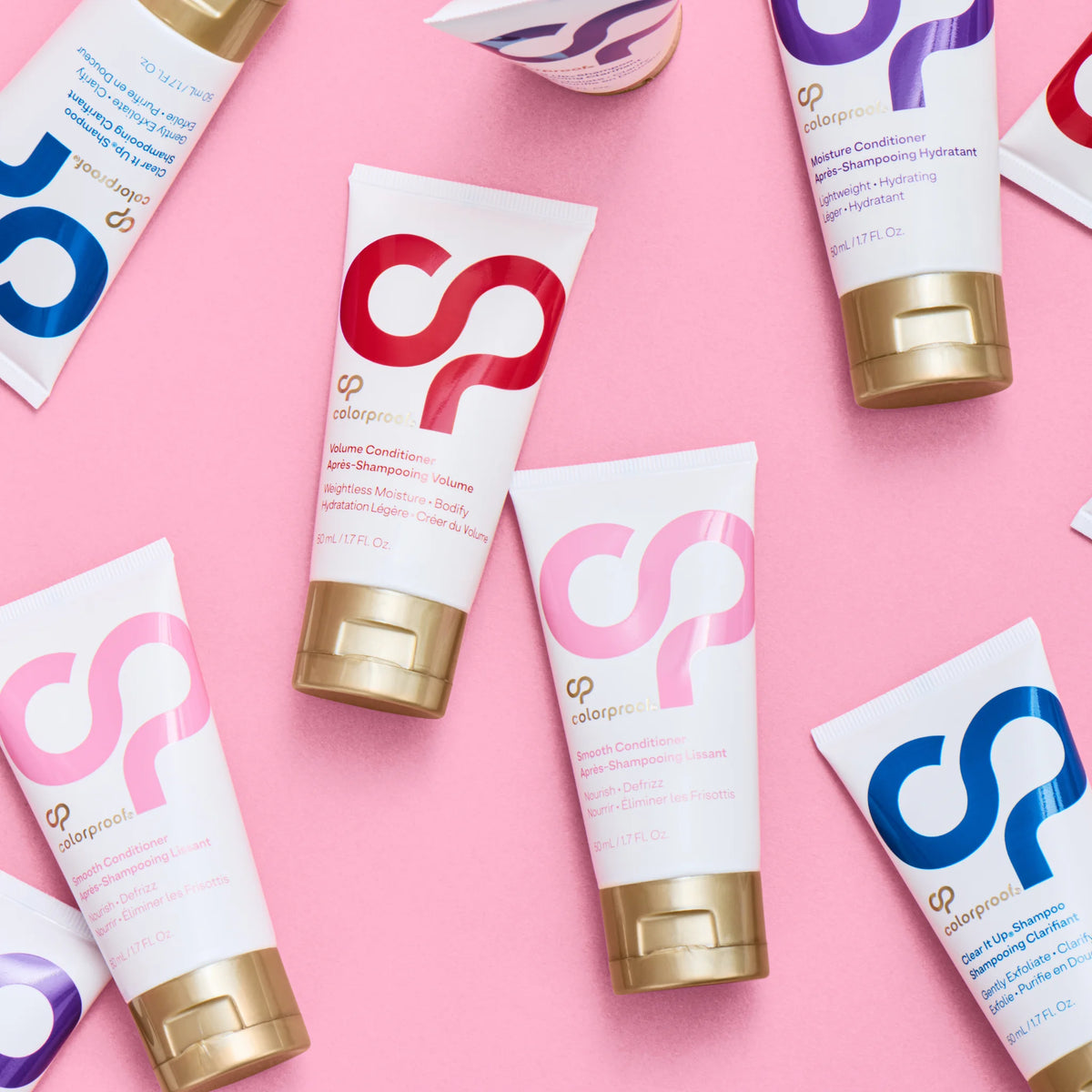
Color-safe formulas are gentle cleansers and work to keep colors sealed in, thus providing precisely what colored hair needs. Always condition when using shampoo, focusing on mid-lengths to ends where the hair is weakest and oldest. It's the key to all hair care for color treatments.
Mind Your Water Temperature
Color-tinted hair should be washed in cold water and not warm because the temperature determines the amount of color lost. The warmth of the water causes the cuticles to open up, allowing the pigment to wash away, while cold water closes the cuticle and holds on to the color.
Do not stress over taking a cold shower. Apply the shampoo and conditioner using lukewarm water but finish up with a cold rinse before stepping out of the shower. This is an insignificant measure that can yield tremendous results for your hair color.
Deep Condition and Hydrate Regularly
Hair that has been treated by any coloring procedure loses moisture at a much higher rate than other types. Consequently, water escapes the hair cells through open cuticles, causing it to dry up, lose its bounce, and become very brittle.
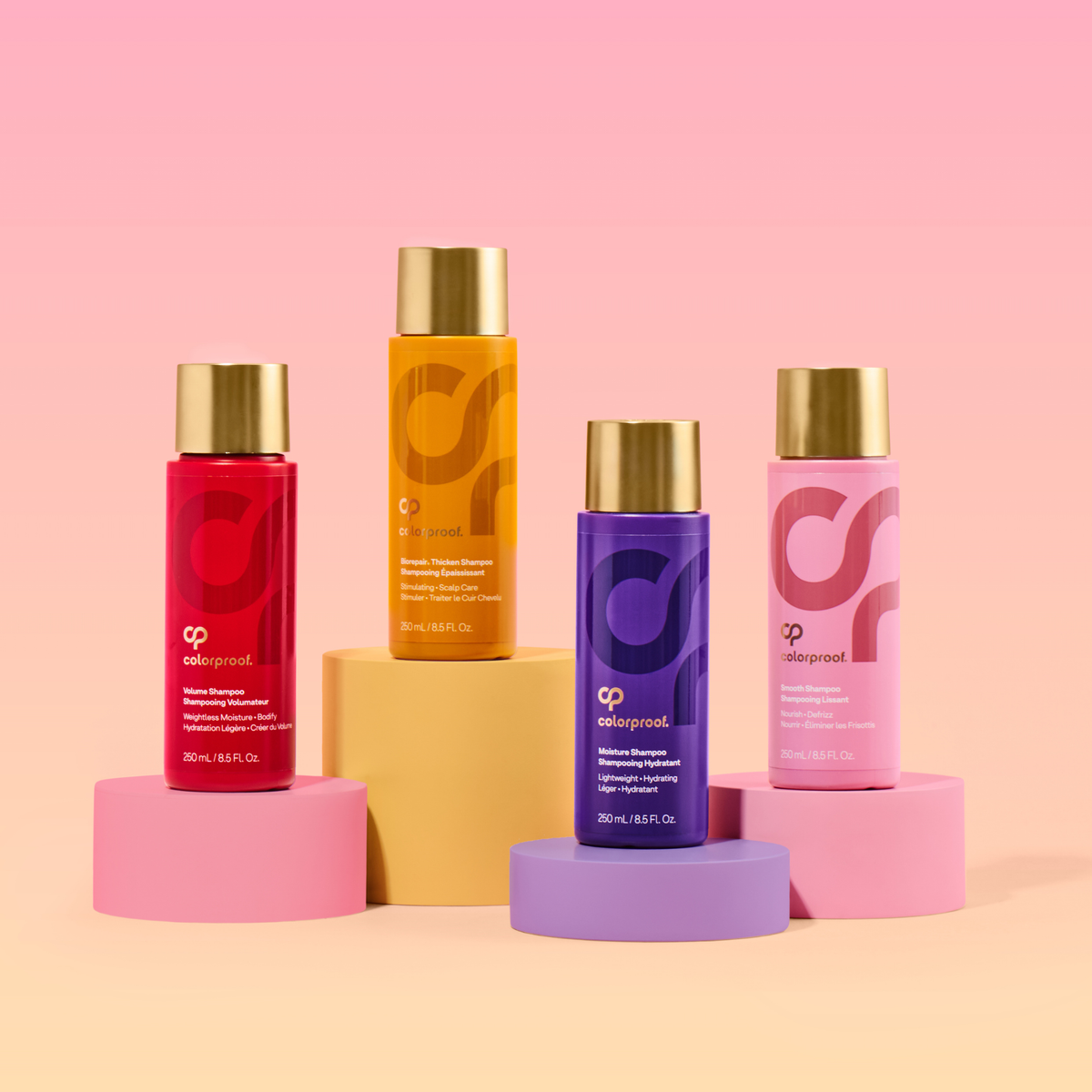
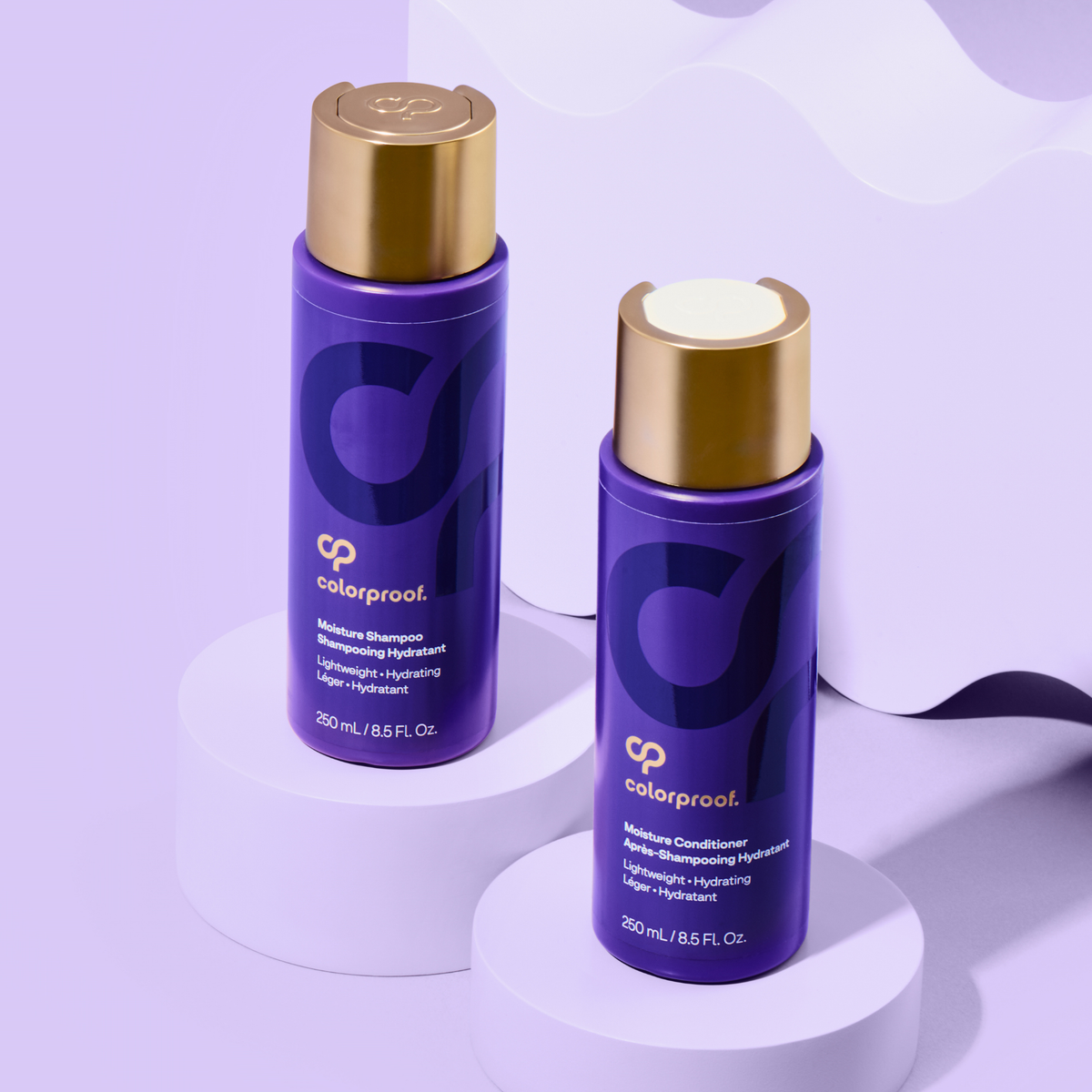
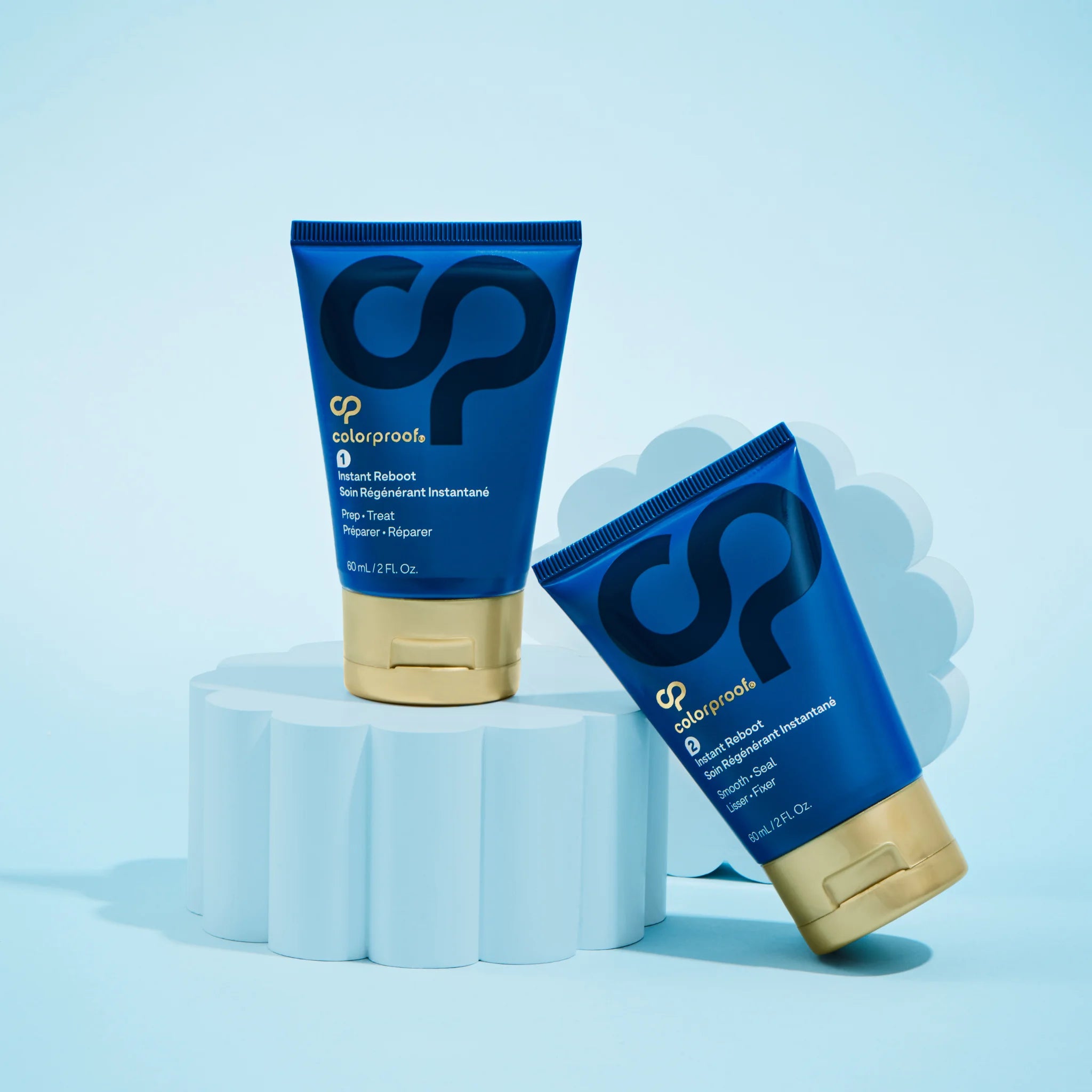
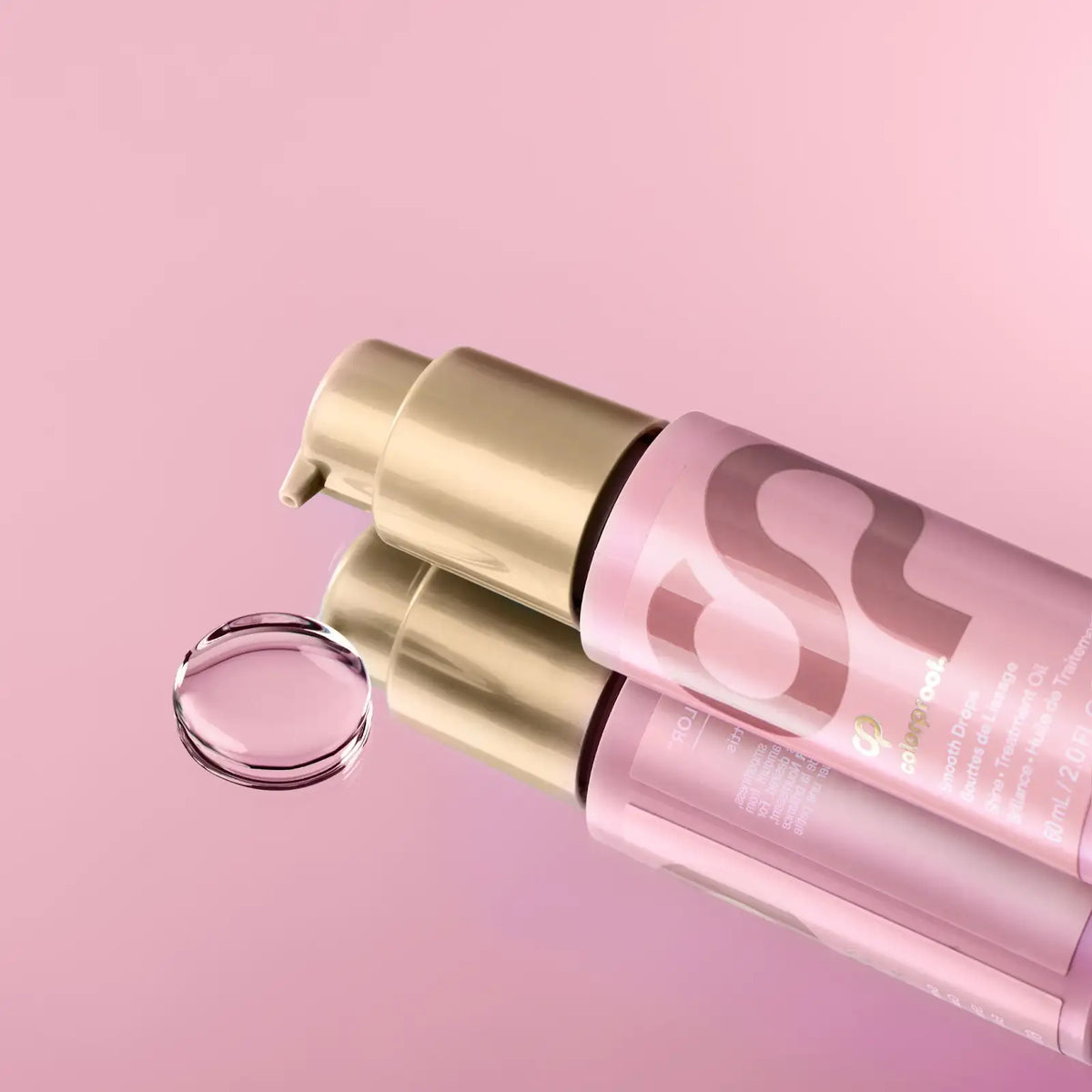
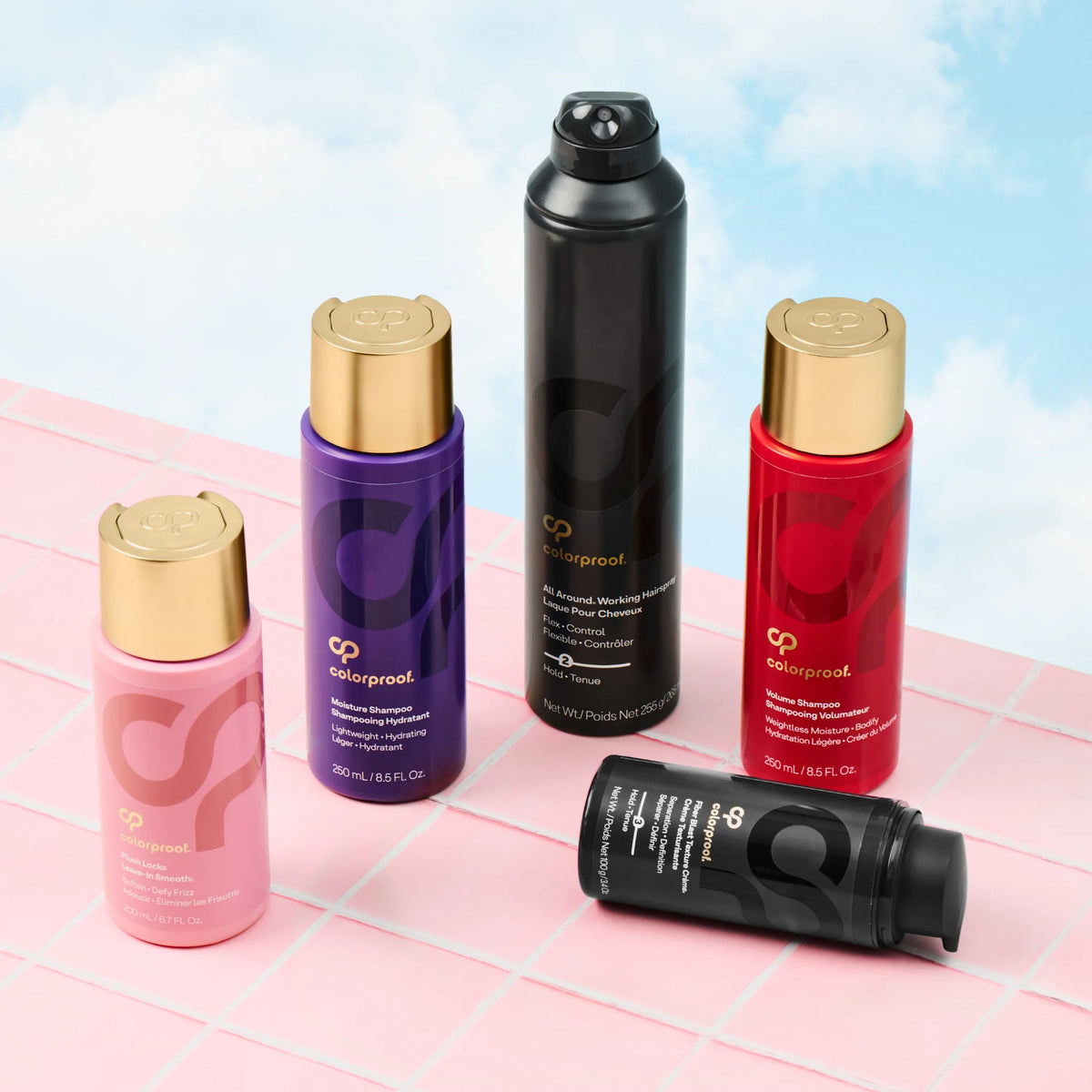
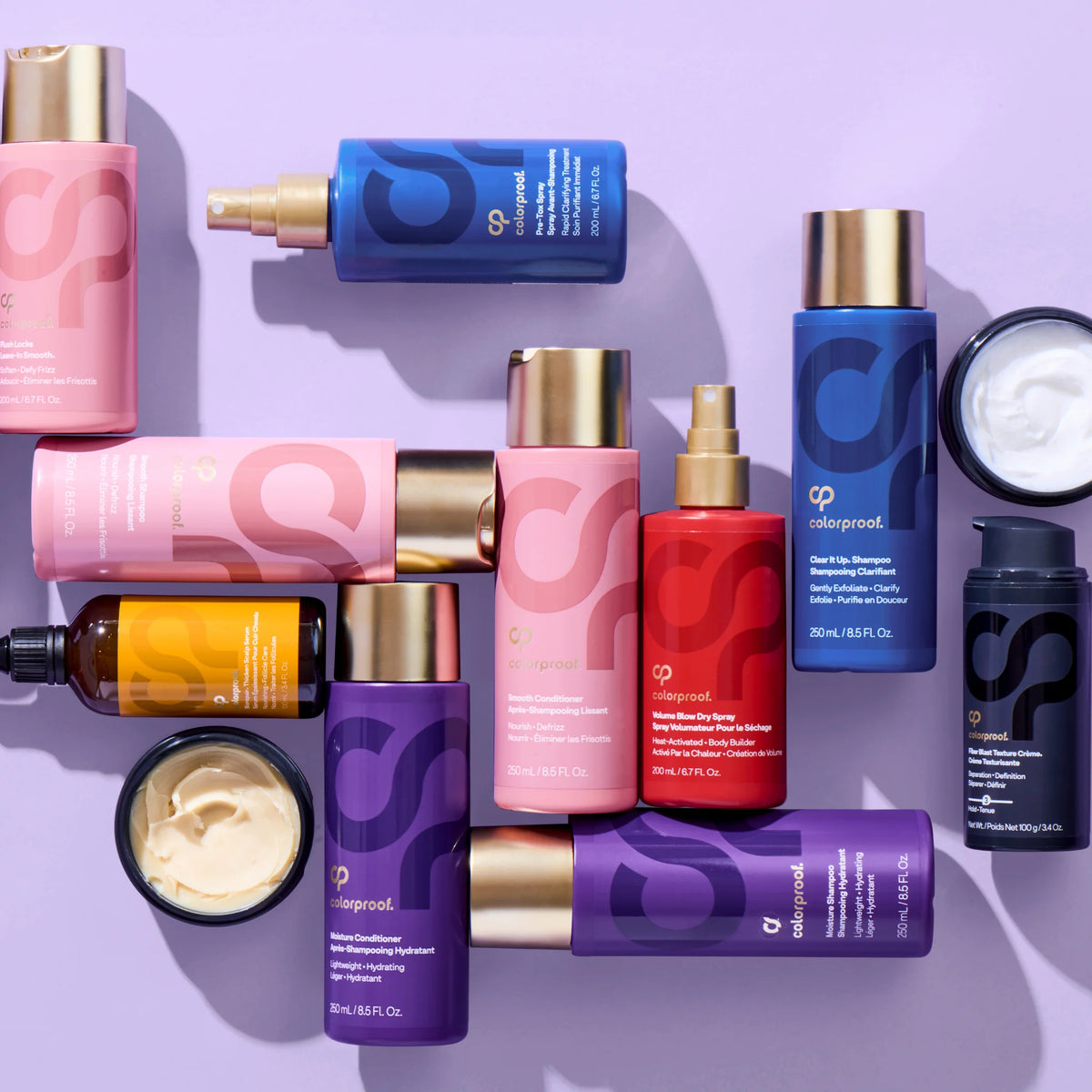
Applying a weekly hydrating mask will enable you to regain some of the moisture lost during treatment. On the other hand, use a leave-in hair treatment to shield the strands from drying up or becoming overly frizzy. For everyday hydration, a moisture-focused shampoo layered with a matching conditioner will keep dryness from creeping in between wash days.
Protect Against Heat and Sun
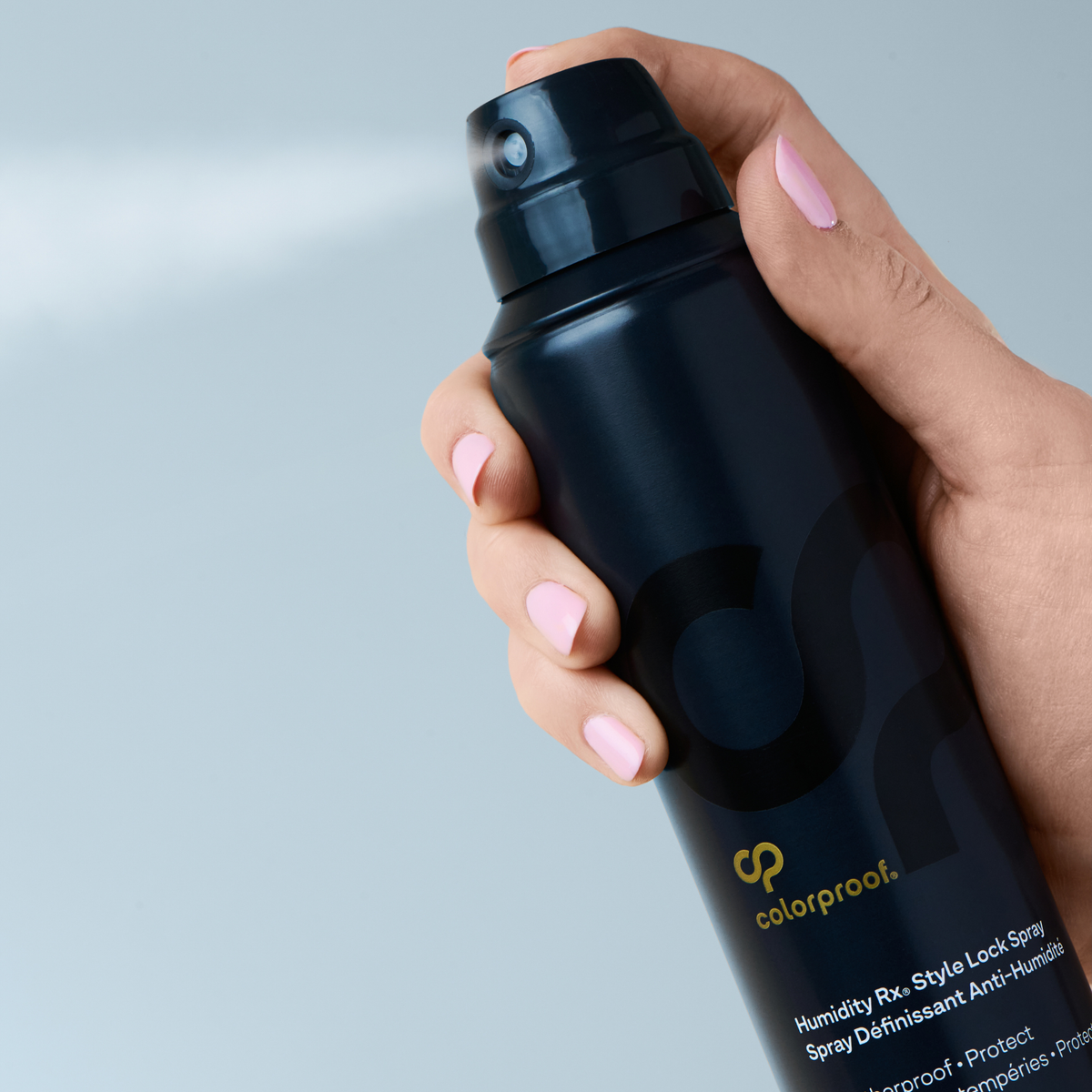
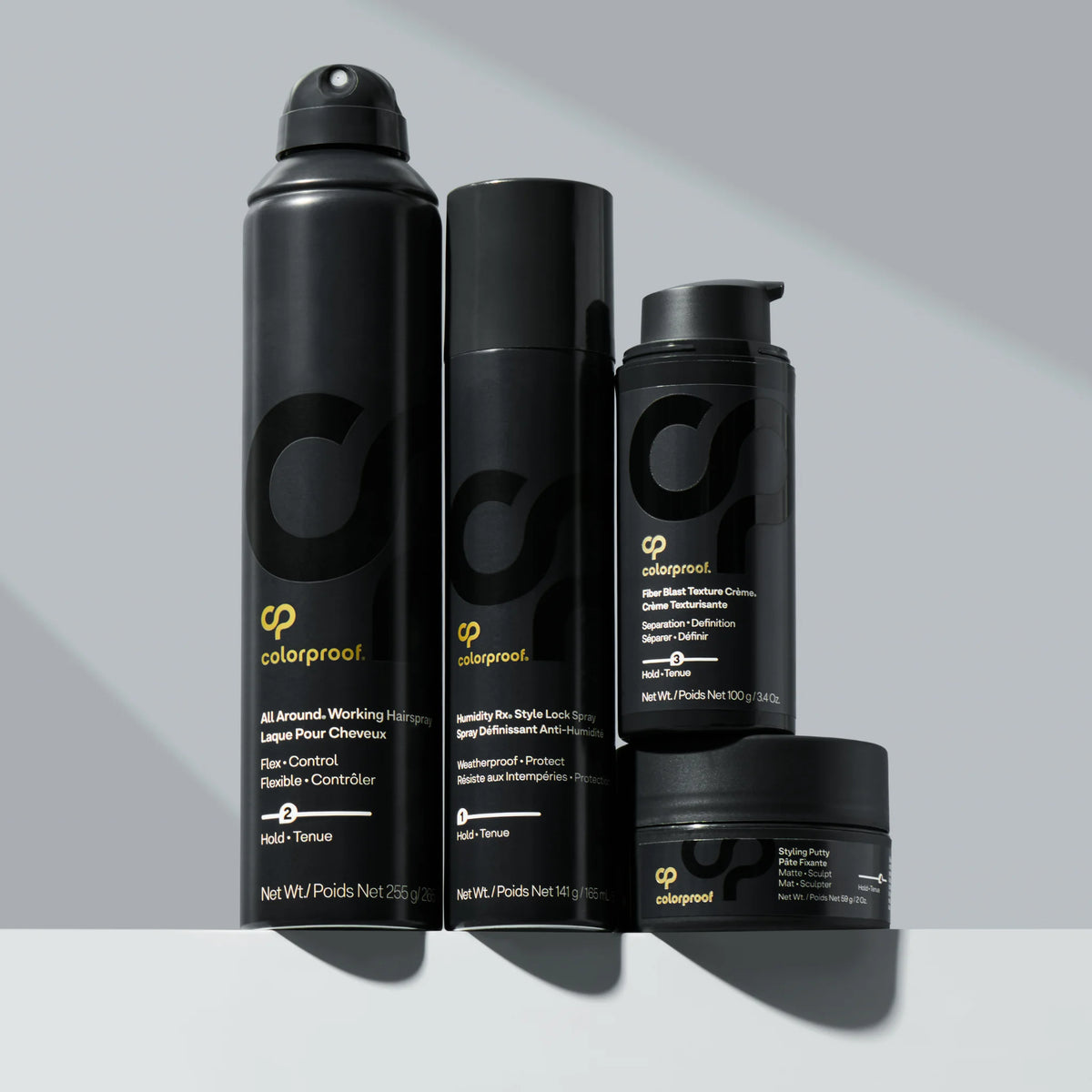
These two processes fade the color and harm your strands, thus it is best to use a heat protectant before heating your hair and to shield your hair from the sunlight. The hairdryer, straightening iron, and curling wand can all strip away color and moisture each time they come into contact with your hair.
- Always apply a heat protectant before blow-drying or using any other hot hair tools, and reduce the heat if possible.
- Allow air-drying whenever possible, as less heat leads to less fading.
- Apply a UV-protecting spray or put on a hat, and wear styling products with UV protection, to shield your color from the sun, particularly during summertime.
- Rinse your hair beforehand and after swimming, as chlorinated or salty water notoriously fades and dulls color.
Keep Brassiness in Check
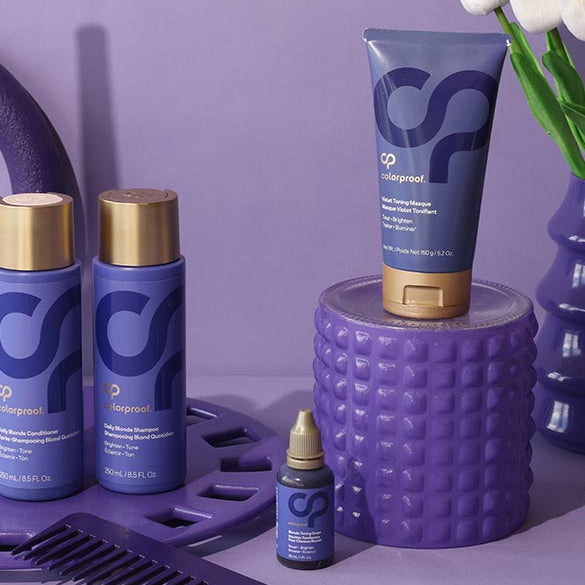
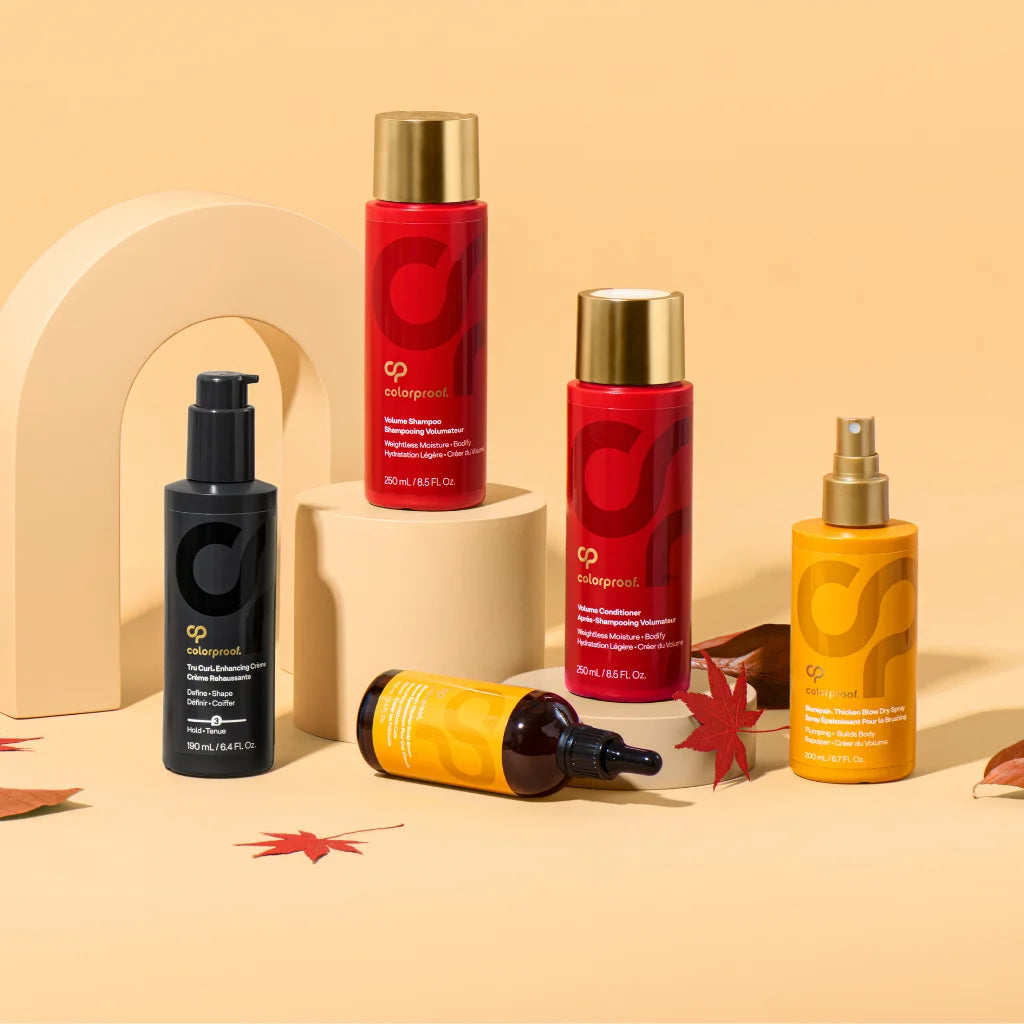
If your shade has a blonde tendency, then the brassiness will be the orange-yellow shade that appears when the color starts to fade, and a toning product for blondes will be your answer. A few drops of Blonde Toning Drops added to your shampoo or conditioner instantly cancel those warm tones, or you can swap your everyday rinse-out for a Daily Blonde Conditioner with violet pigment baked in.
Use a toning product 1 to 2 times per week; don't apply each time you wash your hair, as it may result in a slight purplish shade. Also, cool water and sun protection will come in handy in this case.
Frequently Asked Questions
How should you take care of color-treated hair? One can take care of their color-treated hair by limiting the number of washes, using a non-sulfate shampoo, rinsing the hair in cold water, deep-conditioning the hair once a week, and protecting it from the sun and heat sources.
How many days do you need to wait before washing colored hair? It is advised to wait for 72 hours after the hair has been colored. This will allow the hair color to bond with the cuticle properly, ensuring retention of the color on the strands.
Which type of shampoo should be used for color-treated hair? It is recommended that a gentle shampoo which does not contain sulfates and is color safe be used on color-treated hair. As sulfates have an abrasive nature and wash off the hair color, the above recommendation is necessary.
Is it true that cold water is better for colored hair? Yes. Cold water helps close the cuticle layer, trapping color pigments in the hair shaft. Warm water swells the cuticle layer and removes color from your hair, so always finish your bath with cool water.
What causes hair color to fade quickly? Hair color fades due to daily washes, warm water, shampoos with sulfate, blow-drying, and exposure to UV rays. In other words, each factor removes color from your hair by opening up the cuticle layer.
Are there any products specifically made for colored hair? Yes. There are special shampoos, conditioners, masks, and heat protectants for hair color retention. They are more gentle and will help retain color in your hair. Otherwise, drugstore products tend to fade out hair color quickly.
How can you prevent brassiness in blonde hair? Blonde hair becomes brassy due to the presence of warm hues that should be neutralized using toning drops added to your shampoo or a violet-pigmented conditioner at least once a week.