




How to Choose Hair Color for Older Women
Choosing the correct hair color for an older woman depends on three main aspects: skin undertones, amount of gray hair she would like to tone down, and her ability to maintain the chosen hair color on a regular basis. By getting all three aspects right, one can easily rock pretty much any hair color.
As aging skin becomes cooler and less radiant, warm shades of hair color help create the illusion of brightness around the face. This does not mean, however, that one should rule cooler shades out entirely; the right ash or silver, paired with the right skin undertone, can look just as fresh.
Why the Rules Change as You Age
Your mature hair may feel finer, drier, and more gray than when you were younger, so techniques have to change. Strong, flat colors make fine lines stand out and accentuate thinness, while muted colors with multiple tones add texture and a fuller appearance. That one difference alone is the key to gorgeous older women's hair color.
Match Your Hair Color to Your Skin Tone
The color of the hair must match the undertone of the skin. Wearing a hair color that fights your undertone will leave you looking washed out.
What is your view on your own undertone? You can determine your undertone by checking the veins on the inside of your wrist. The ones who have blue or purple veins have cool undertones, those with green veins have warm undertones, and people with both blue and green veins have neutral undertones.
| Your Undertone | Most Flattering Shades | Shades to Skip |
|---|---|---|
| Cool (pink/blue undertone) | Ash blonde, silver, cool brown, soft black | Warm gold, brassy copper |
| Warm (golden/peach undertone) | Honey blonde, caramel, golden brown, auburn | Flat ash, icy platinum |
| Neutral (mix of both) | Chestnut, bronde, soft caramel, beige blonde | Anything too dark or too icy |
The Most Flattering Hair Colors for Older Women
Here are a few shades that complement mature skin very well and never let you down: ash blonde, caramel, honey, chestnut, and strawberry blonde.
- Ash blonde: a cool, low-maintenance hair shade that helps conceal gray hairs; no growth lines.
- Honey and caramel: flattering colors with golden undertones that add vitality to your appearance; great for highlights and balayage.
- Chestnut brown: a neutral hair color that contains both cool and warm tones.
- Strawberry blonde: a warm hair shade that complements cooling skin.
- Silver and salt & pepper: stylish and trendy hair colors that draw attention to your gray hairs; make sure to keep them toned with the right toning products for blondes and silvers.
Hair Colors That Help Cover or Blend Gray
If you just want to blend gray hair without much effort, use ash shades and cool shades that are very close to silver. For full coverage, opt for permanent coloring for grays, which will require touch-ups every once in a while.
With gray hair, you have two honest options — either cover it or blend it. With blending, whether through highlights or balayage, there's not as much risk since you don't have a clear line at the roots as it grows out. Covering gray hair results in evenness but requires a visit to the salon or touch-ups every few weeks.
Colors and Mistakes to Avoid
Here are three of the quickest ways to look old: jet black, orange tones, or platinum hair that stands out against your skin tone. Each will either produce stark contrasts or wash all color out of your face.
- Don't go too dark. Solid black and very dark brown hair tend to look very severe, accentuating wrinkles.
- Don't use any shades that contain orange or yellow. These hues will give your skin an unhealthy ruddy color.
- Don't make drastic changes that contrast sharply with your skin tone and are high maintenance.
- Avoid a solid color everywhere on your head.
How to Keep Your Color Looking Fresh
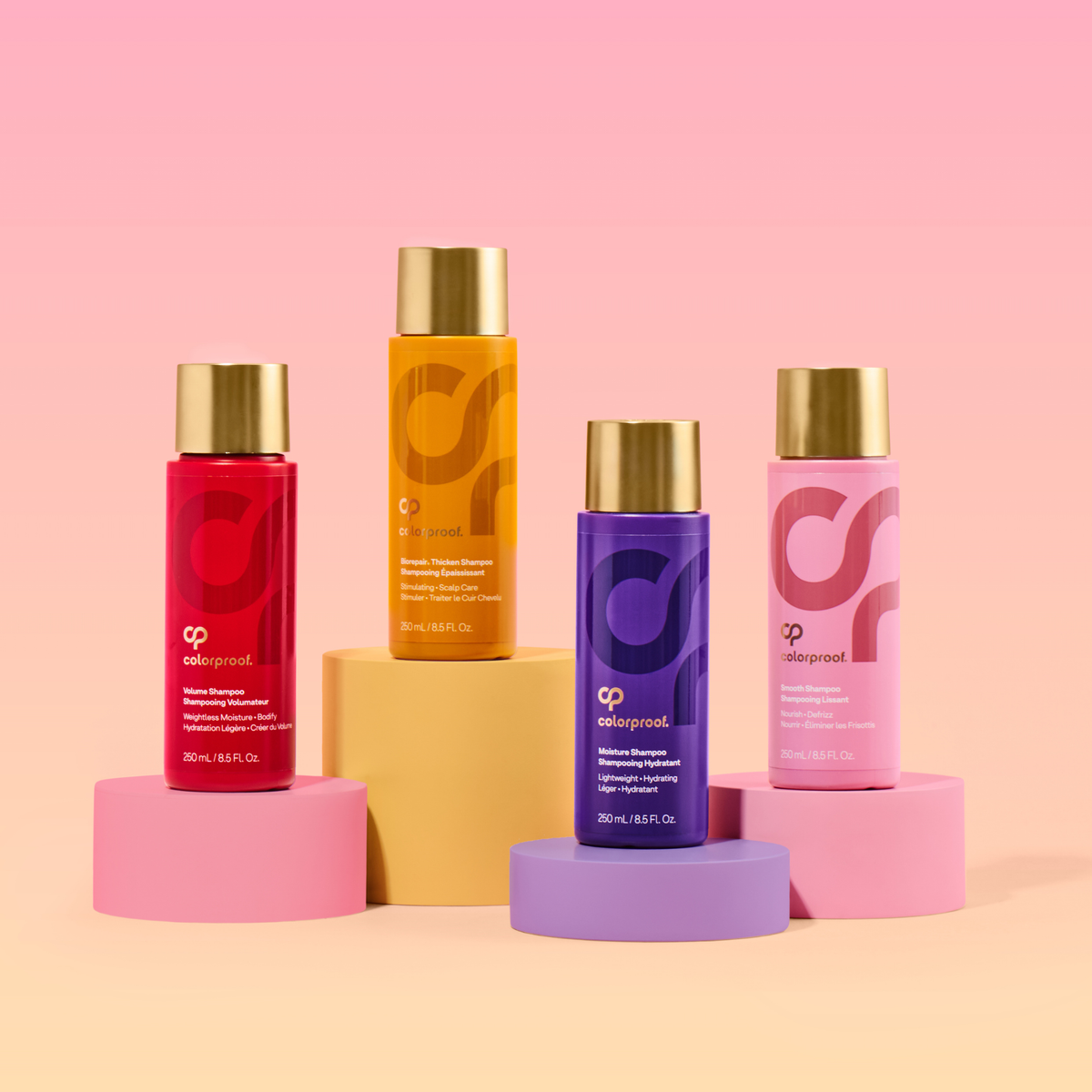
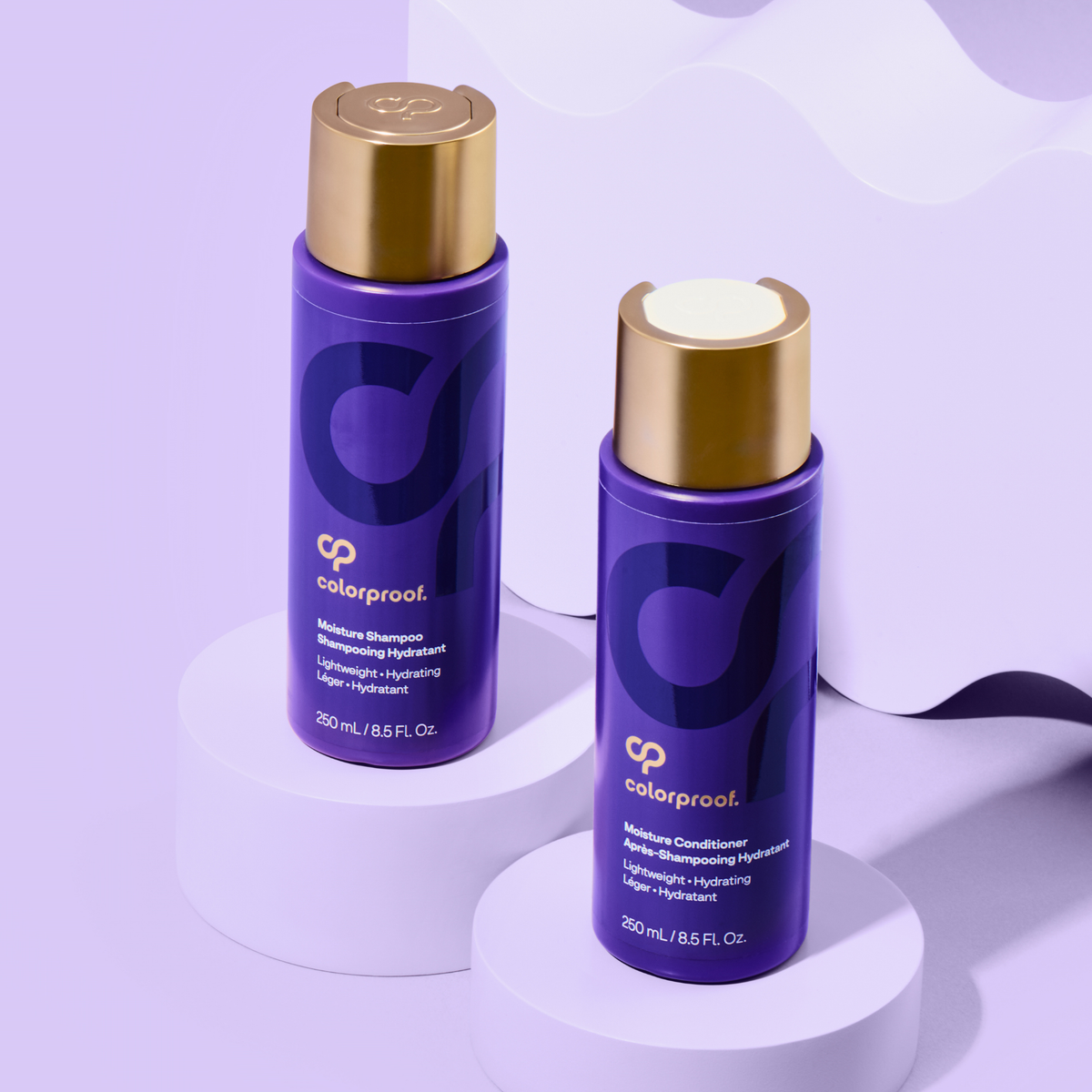
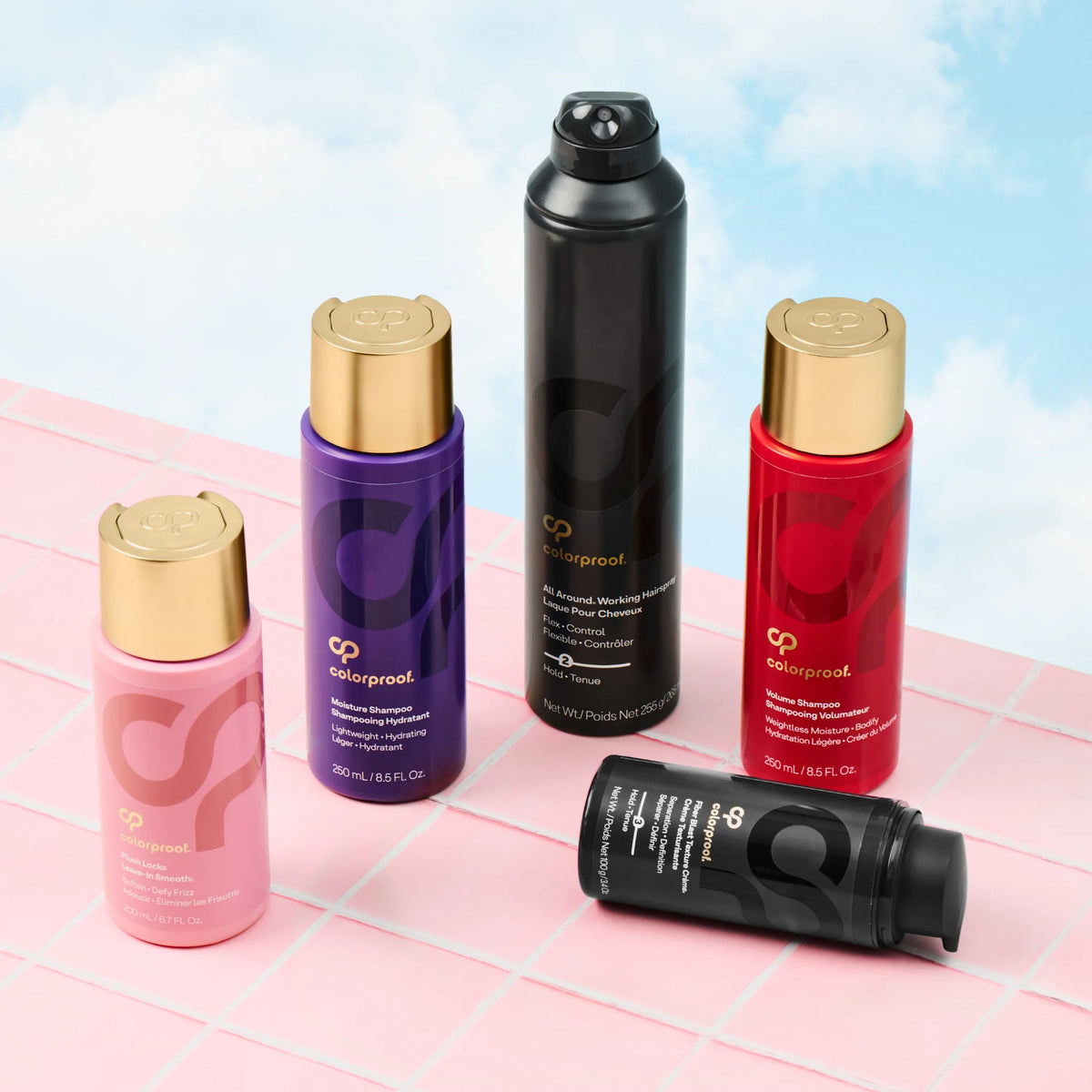
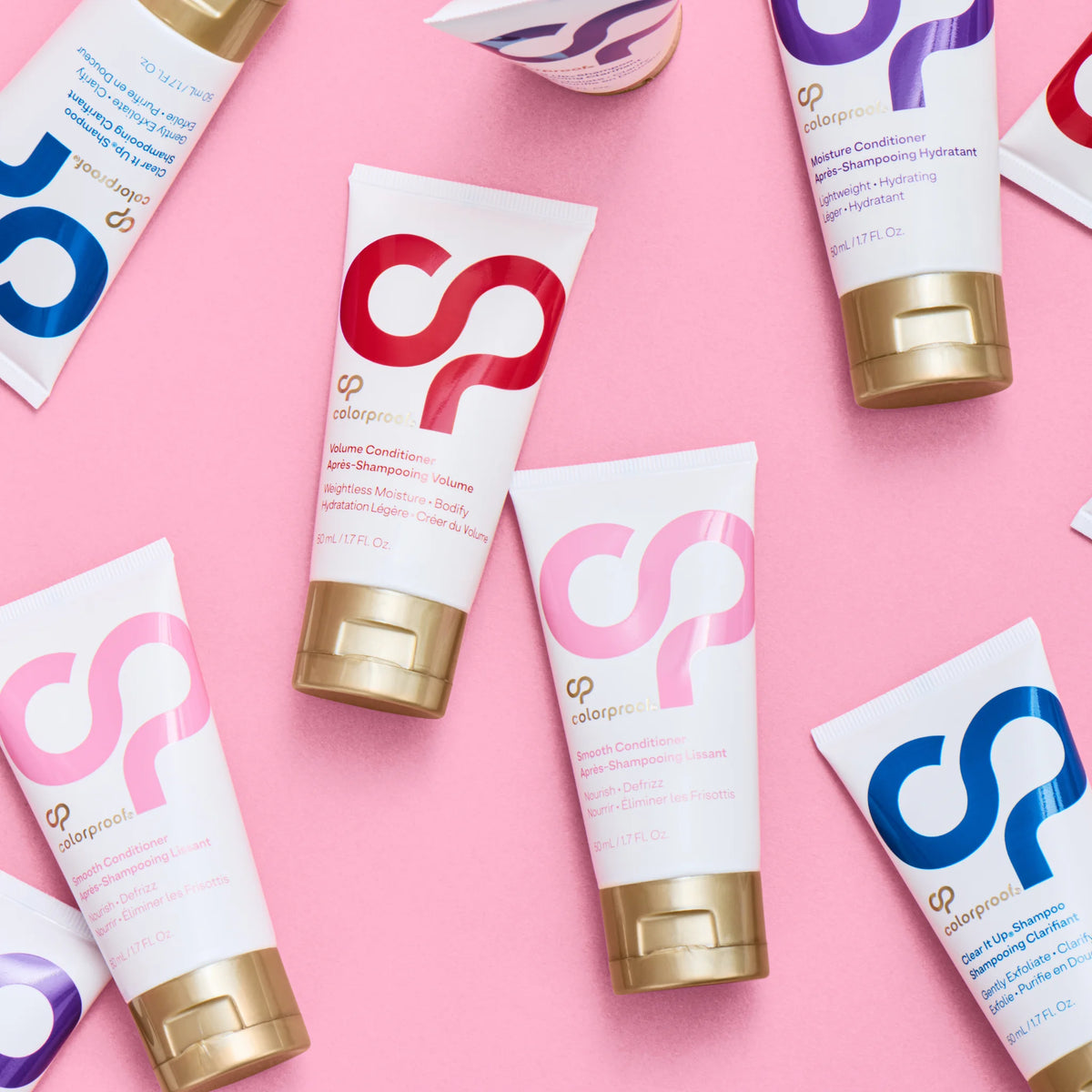
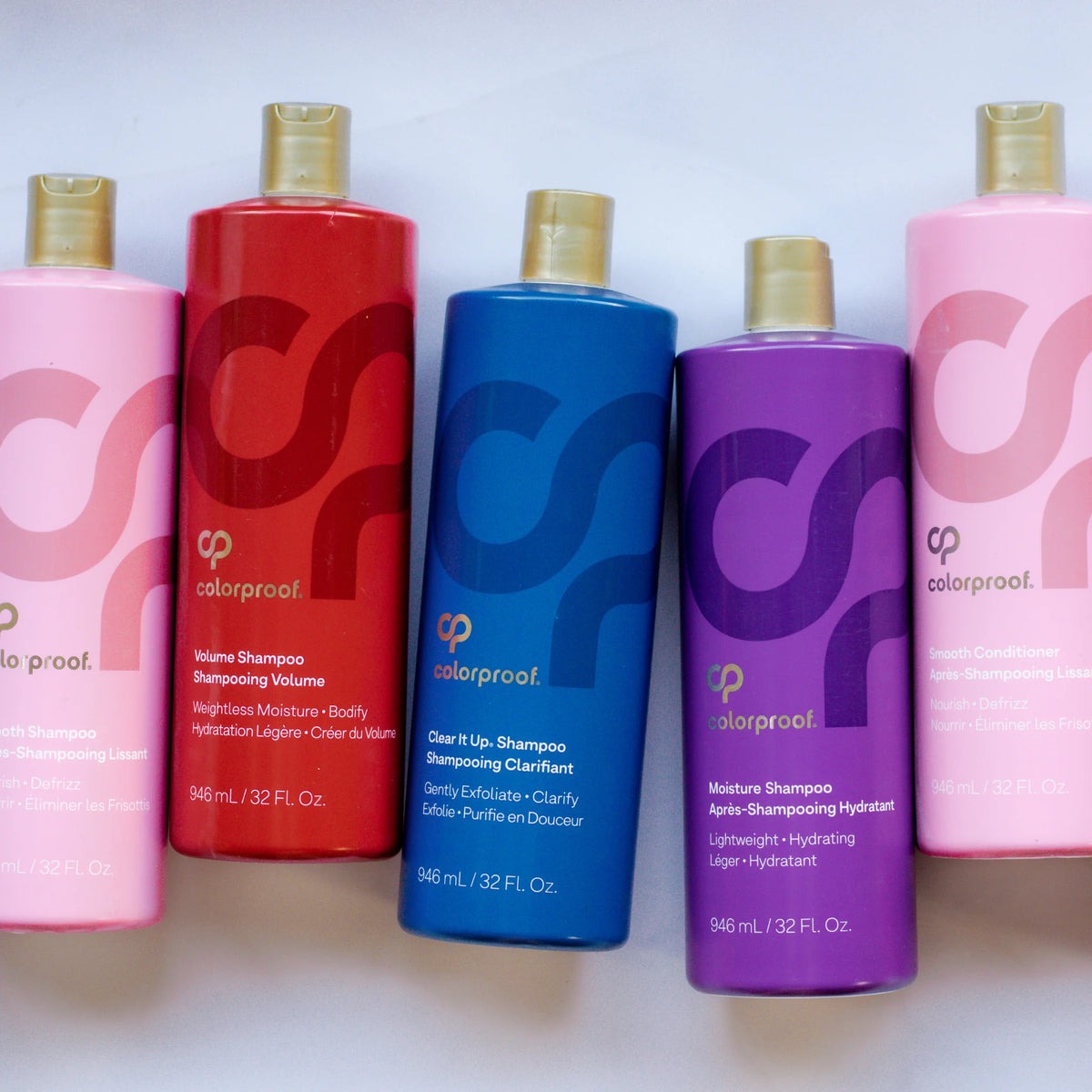
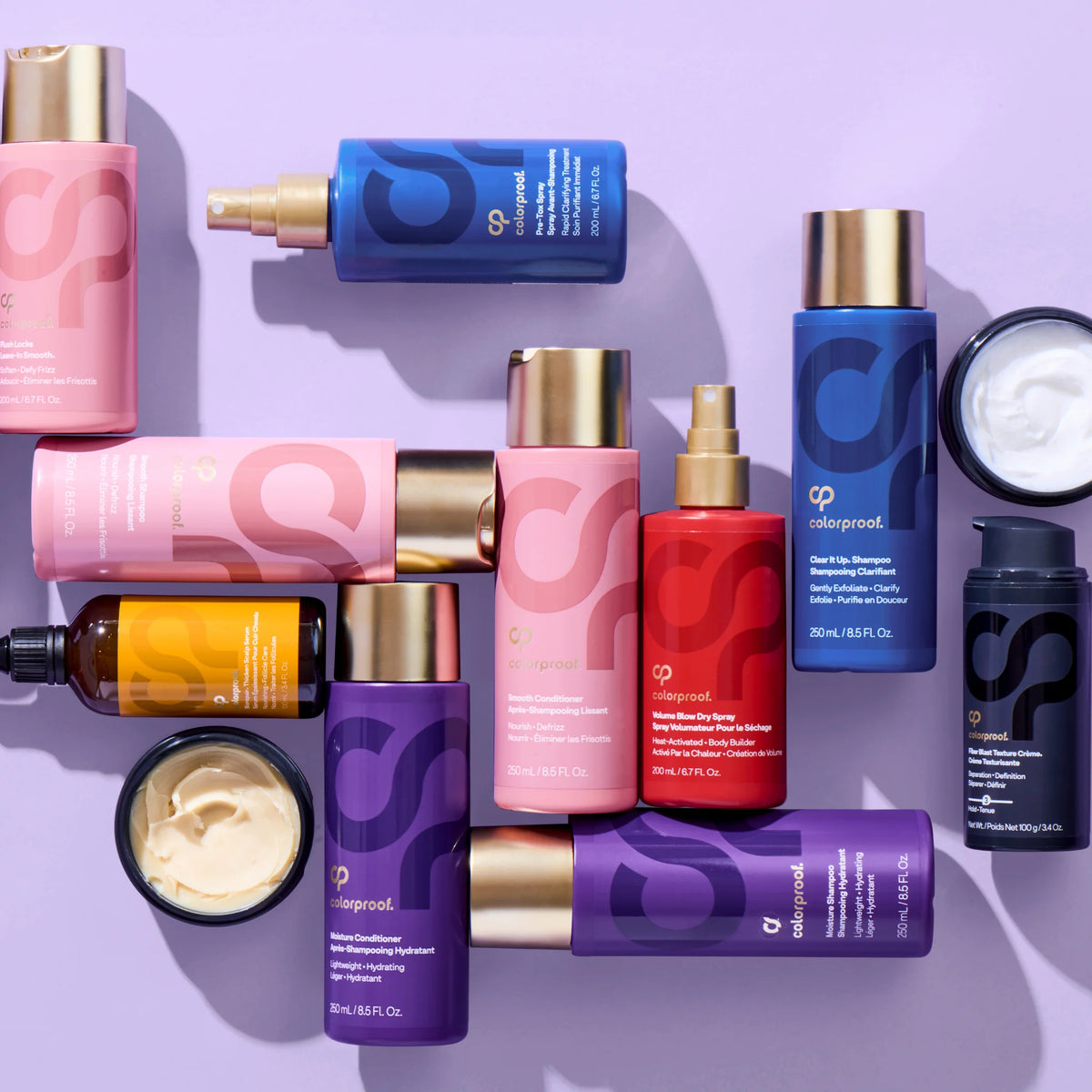
As the hair matures after coloring, it becomes more porous and dry; hence, proper maintenance ensures you have beautiful shades and a shiny look. Wash regularly with a sulfate-free, color-safe shampoo and conditioner to avoid losing color, rinse with cold water, and deep condition hair weekly.
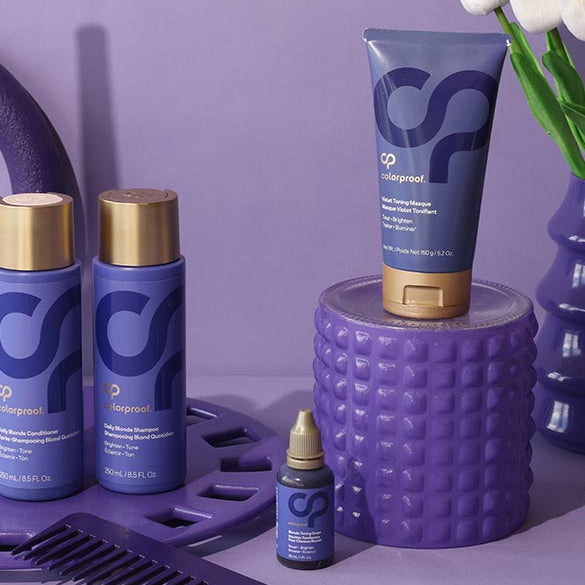
If your shade is blonde, silver, or gray, adding a few Blonde Toning Drops to your regular shampoo once or twice a week will neutralize yellow tones and help reduce brassiness. For an even simpler swap, use a violet-pigmented Daily Blonde Conditioner on your usual wash days. Hydrate hair weekly using a moisture masque, and apply a heat protectant leave-in before using hot styling tools.
Maintenance Frequency by Shade Choice
How often you'll be back in the chair depends almost entirely on the shade you pick. Lighter, blended looks need the least upkeep; dark, all-over, and vivid colors need the most.
| Maintenance Level | Best Color Choices | Typical Touch-Up |
|---|---|---|
| Low | Ash blonde, silver blend, soft balayage, highlights | Every 10 to 12 weeks |
| Medium | Chestnut, bronde, honey balayage, caramel | Every 6 to 8 weeks |
| High | Dark all-over color, copper, red, platinum | Every 3 to 4 weeks |
Frequently Asked Questions
What is the best hair color for older women? The best hair color for older women is one that matches your skin's undertone and softens grays rather than fighting them. Ash blonde, soft caramel, chestnut brown, and silver blends are the most flattering and lowest-maintenance choices for most mature skin tones.
What hair color makes you look younger? Soft, warm, multi-tonal shades with face-framing highlights make you look younger. They add brightness around the face and create the illusion of fuller hair, while flat, solid dark colors tend to wash you out and emphasize age.
What hair color is best for gray hair? Ash and cool-toned shades blend best with gray hair because they sit close to the silver tone, so regrowth is far less obvious. If you would rather embrace it, a silver or salt-and-pepper blend enhanced with toning products looks modern and chic.
Should older women go lighter or darker with hair color? Older women are usually better off going a shade or two lighter. Softer, lighter colors brighten the complexion and blend with grays, while very dark shades create harsh contrast that can look severe and age the face.
What hair color should women over 60 avoid? Women over 60 should avoid solid jet black, overly brassy or orange tones, and icy platinum that clashes with warm skin. These extremes create hard contrast or wash out the complexion, both of which add years.
How do you keep gray or blonde hair from turning brassy? Add a few drops of violet-pigmented toner to your shampoo once or twice a week, or use a purple-pigmented weekly masque to neutralize the yellow and orange tones that cause brassiness. Cool water and color-safe products help your shade stay clean and bright between salon visits.
Is balayage good for older women? Yes. Balayage is one of the best options for older women because the soft, hand-painted blend camouflages grays, adds the illusion of fullness to finer hair, and grows out without a harsh line, so you visit the salon less often.
How can I make my color last longer as I age? Wash less often with a sulfate-free, color-safe shampoo, rinse with cool water, deep condition weekly, and use a heat protectant. Mature, color-treated hair is drier and more porous, so gentle care keeps the color rich for longer.