








Your color looked perfect two weeks ago. Your roots still look fresh, but your ends seem faded. Or one section turns brassy while the rest stays cool. Hair color doesn't always fade uniformly, and there's usually a reason certain areas change first.
Uneven fading has specific, identifiable causes. Once you know what they are, you can predict it, slow it down, and stop guessing every time you catch your reflection in a bad light.
Color banding hair: what the uneven look actually is
When your roots read noticeably richer than your mid-lengths and ends, that gap has a name: color banding. It isn't damage or a bad dye job. It's the visible line between two sections of hair that have lived through very different amounts of washing, sun, and heat, even though the same color touched every strand on the same day.
Banding shows up before your whole head looks faded, which is exactly why it feels alarming the first time you notice it. You're not imagining a difference between your root color and your end color. It's real, and it's usually the earliest sign that color is fading unevenly rather than all at once.
Why hair color fading happens unevenly in the first place
Your ends are the oldest part of your hair. At shoulder length, those ends could be two or three years old, meaning they've survived hundreds of washes, dozens of blow-dries, and hours of sun your roots never saw. Older hair is also more porous, holding pigment more loosely and fading faster. It's a timeline problem, not something you did wrong.
Roots, by contrast, are new growth: recently cut, freshly colored, barely touched by the elements yet. Different sections of your hair have been through different things, from heat styling to sun exposure. Those differences can help explain why one area fades faster than another.
Does copper hair color fade fast, and why
Yes, more than almost any other shade. Cosmetic chemist Ni'Kita Wilson has explained that red and copper pigment molecules are larger and less stable than the molecules used in brunette or black formulas, which is exactly what makes them break down fastest under washing and light (WebMD). Copper hair color fades fast even on hair that's otherwise well cared for, which is why colorists warn clients up front that red tones need touch-ups more often than other shades. Hair dye fading at such different speeds across one head is chemistry, not a bad dye job.
What hair colors fade the fastest
Roughly, in order: copper and red go first, blonde and lightened shades follow close behind, brunette holds on longer, and black outlasts all of them, mostly because black relies on smaller, more stable pigment layered together. If your copper fades faster than a friend's brunette, that's chemistry, not a gap in your routine.
Why does my blonde fade so fast
Blonde has a specific twist: the first stage isn't fading at all; it's your toner wearing off. Colorproof's own colorists put it bluntly: "blue pigment fades first, always". Once the cool violet or blue base washes out, the warm yellow and red pigment underneath resurfaces, and that's what makes blonde brassy within two to three weeks, long before the underlying color has actually faded.
Lightened hair is often more porous than hair that hasn't been bleached. It may take on color unevenly and lose it faster, especially through the ends. A weaker hold plus a toner that fades first is why blonde looks like it's fading fastest of all, even when it isn't losing the most actual pigment.
What speeds up hair color fading, besides time
Time alone fades any color eventually, but a handful of daily habits speed it up and make the fade look patchier rather than even. Sulfate shampoo is one of the biggest culprits: Dr. Anna Chacon notes that sulfates "can also cause color-treated hair to fade faster, as they remove the color along with dirt and oil" (NBC News). Sun exposure works the same way at a molecular level. A Scientific Reports study that tracked dyed hair through ten weeks of outdoor sun found substantial photodegradation of the dye by week seven, hitting the part line, crown, and ends hardest since those catch the most direct light. Hard water adds a third layer: mineral-rich water typically makes color fade faster than expected and look uneven rather than uniform, since minerals coat some strands more than others.
How to slow hair color fading down
None of this means your color is destined to fade unevenly no matter what you do. A few small changes slow things down noticeably within a few washes.
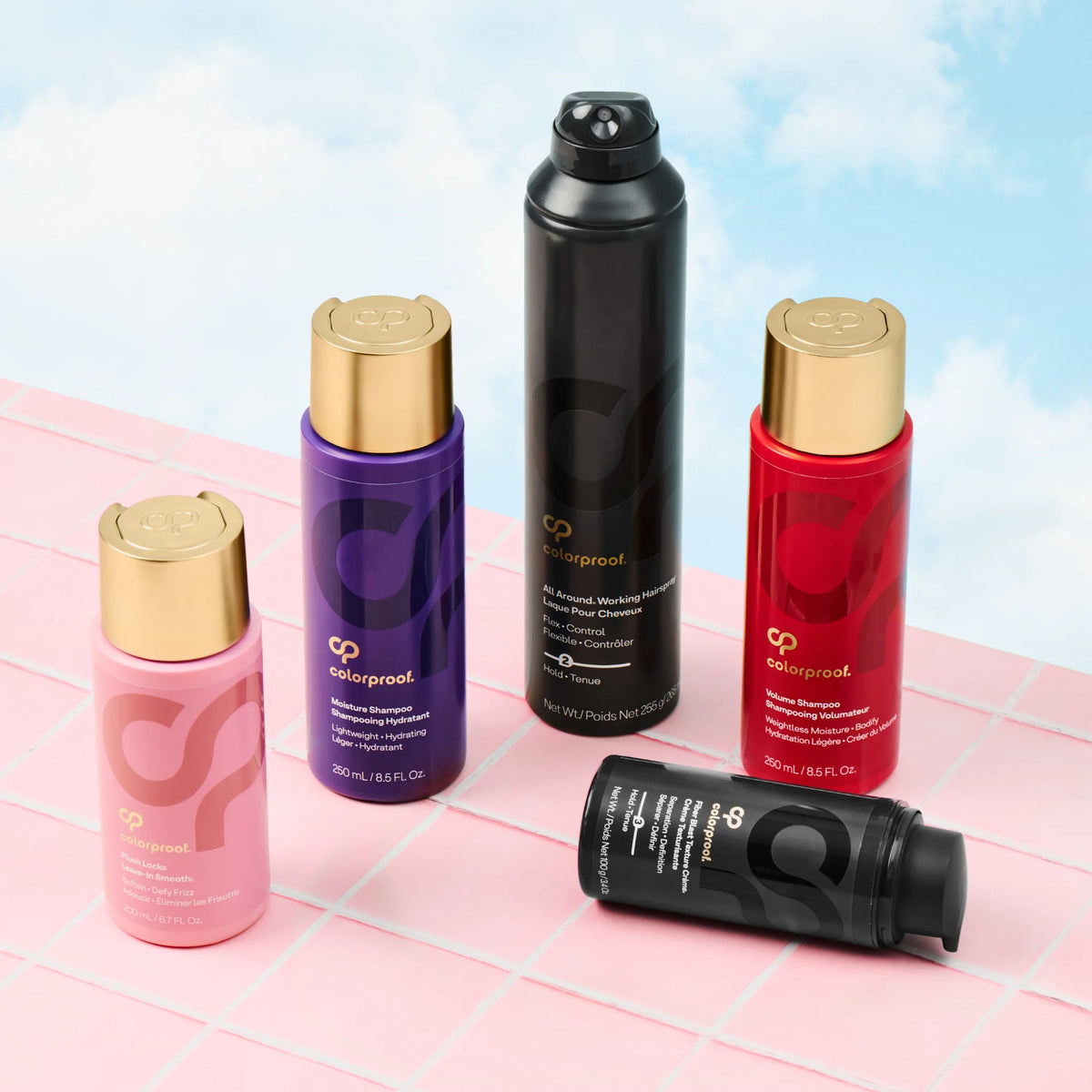
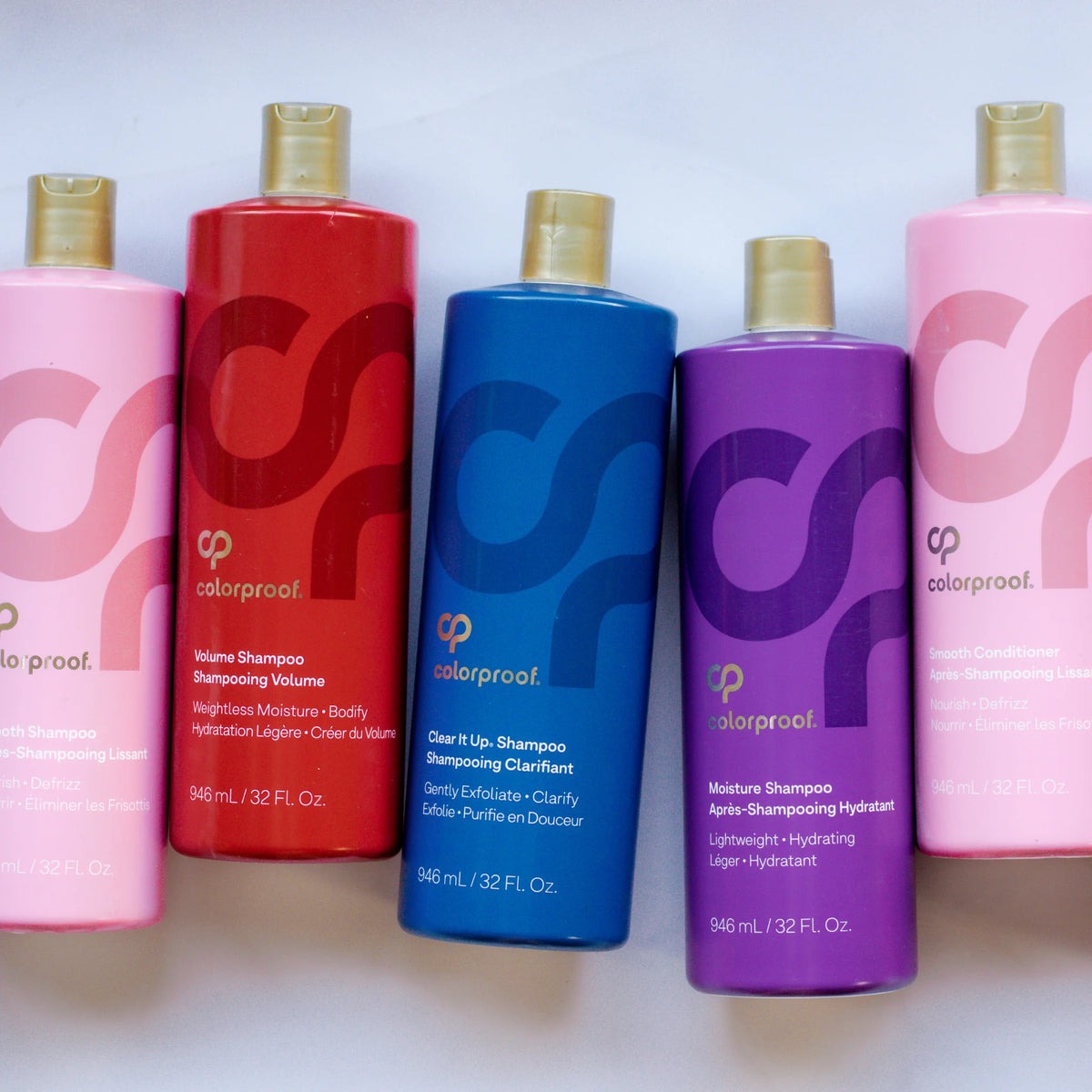
- Switch to sulfate-free. A shampoo and conditioner without sulfates cleans without stripping the color underneath, so every section fades at closer to the same rate.
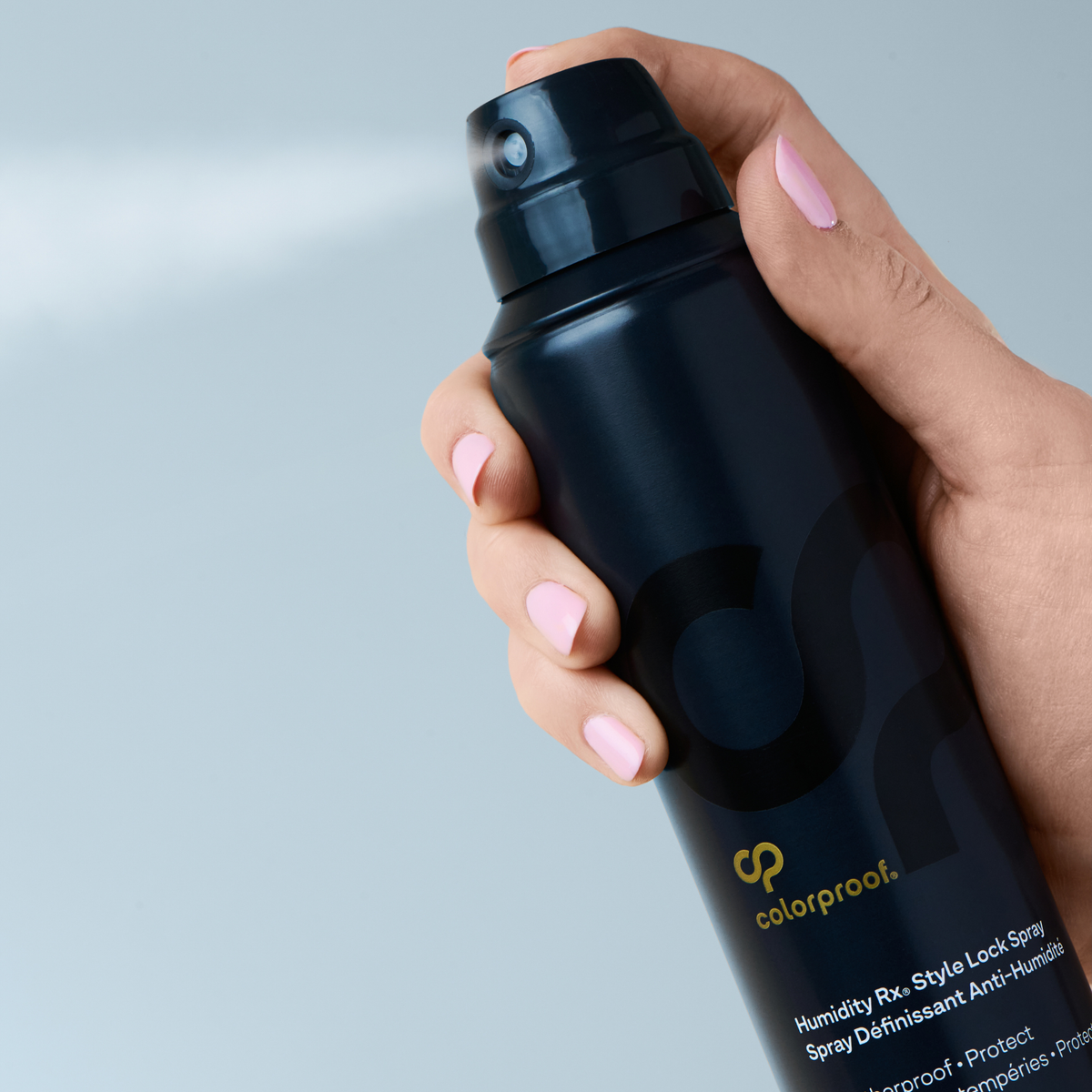
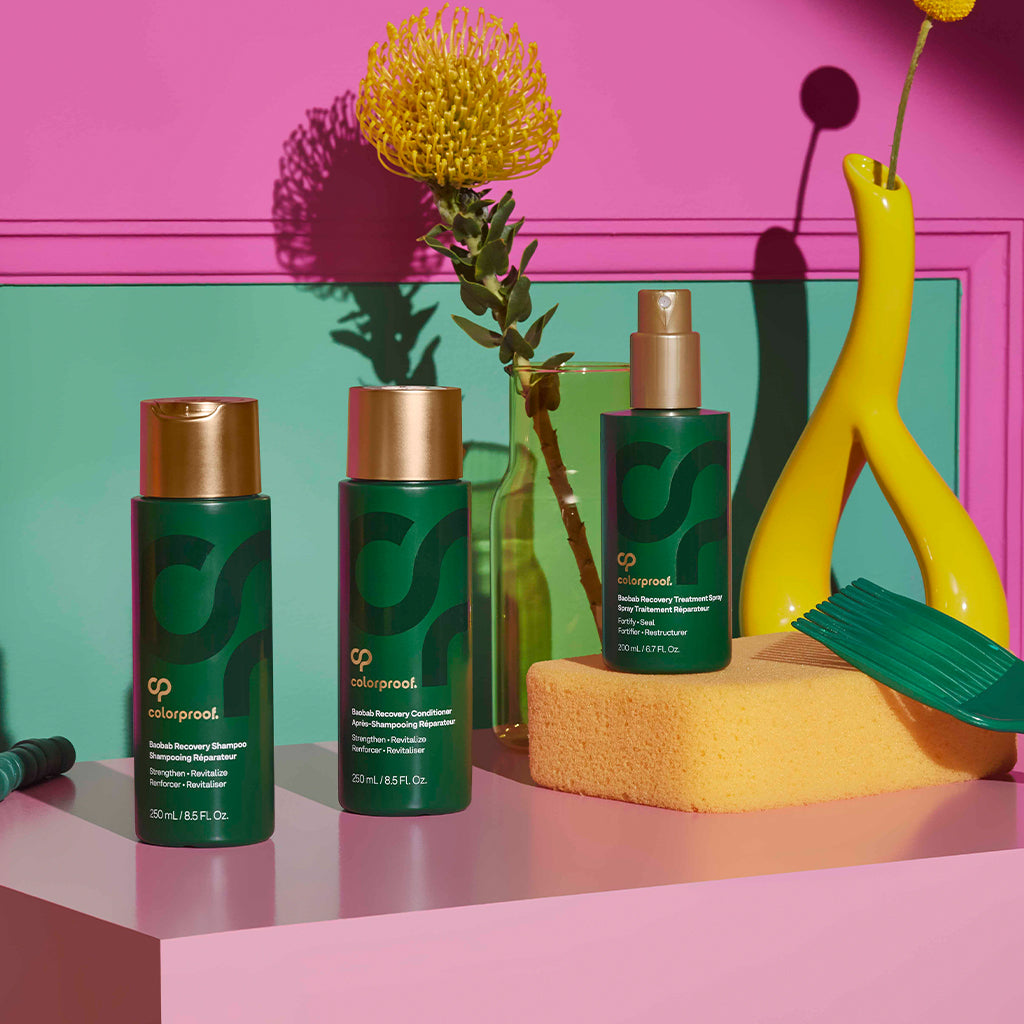
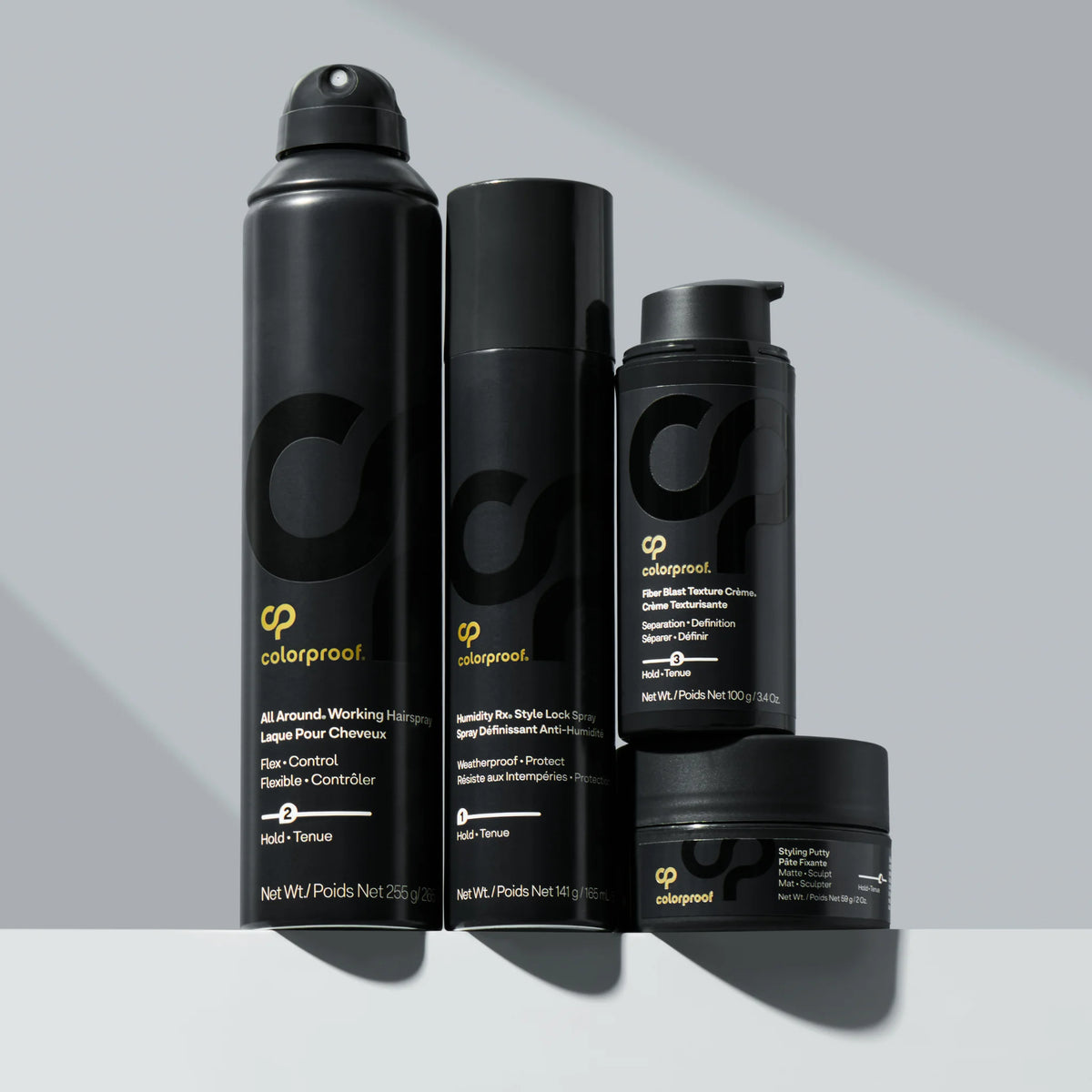
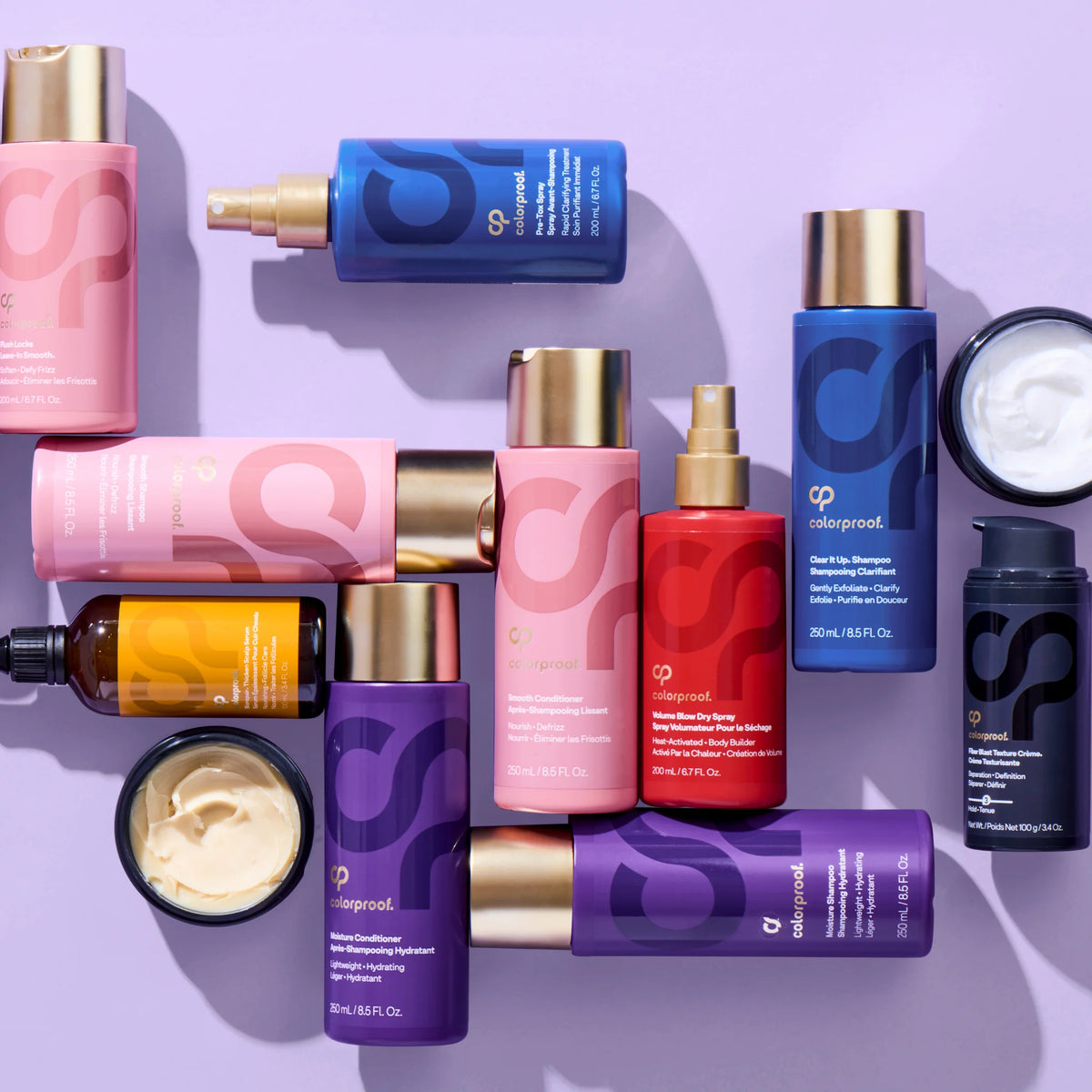
- Add UV protection. Sun hits ends and part lines hardest, so a leave-in with UV filters, like Baobab Recovery Treatment Spray, protects the sections that would otherwise go first.
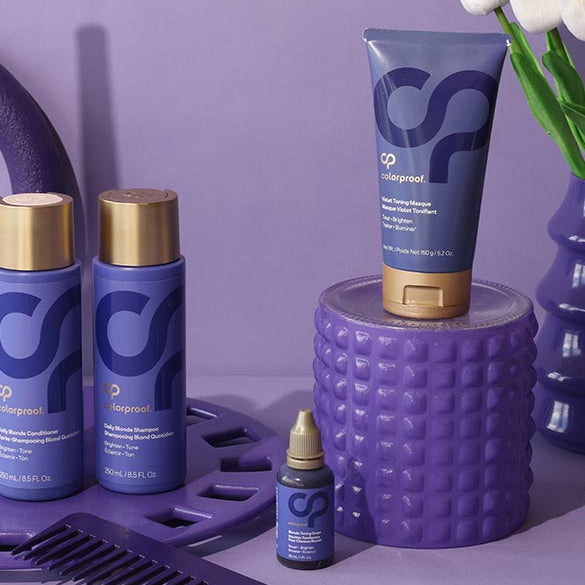
- Manage brass between visits. If you're blonde and dealing with toner fade, Blonde Toning Drops mixed into conditioner neutralize warmth before it turns into visible banding.
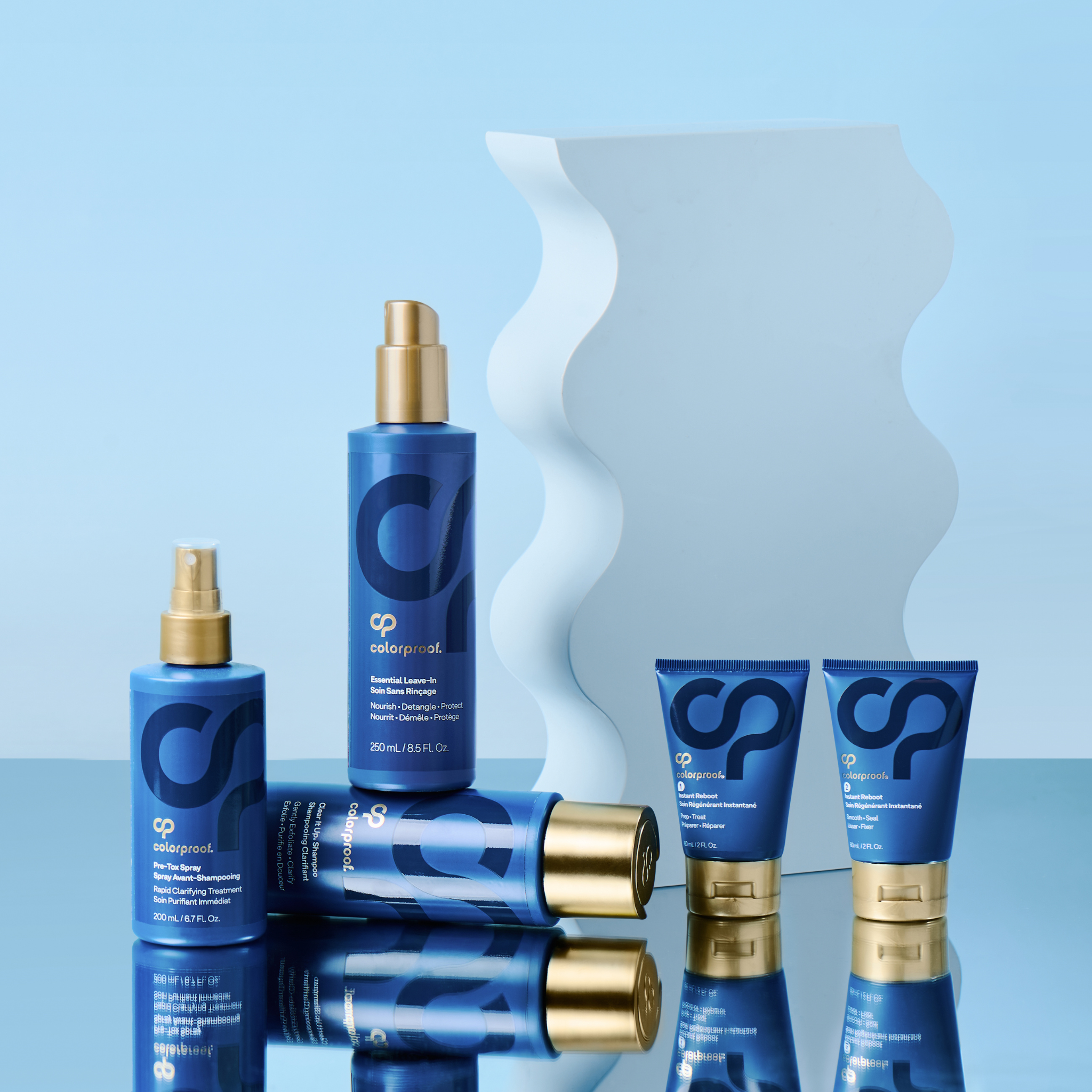
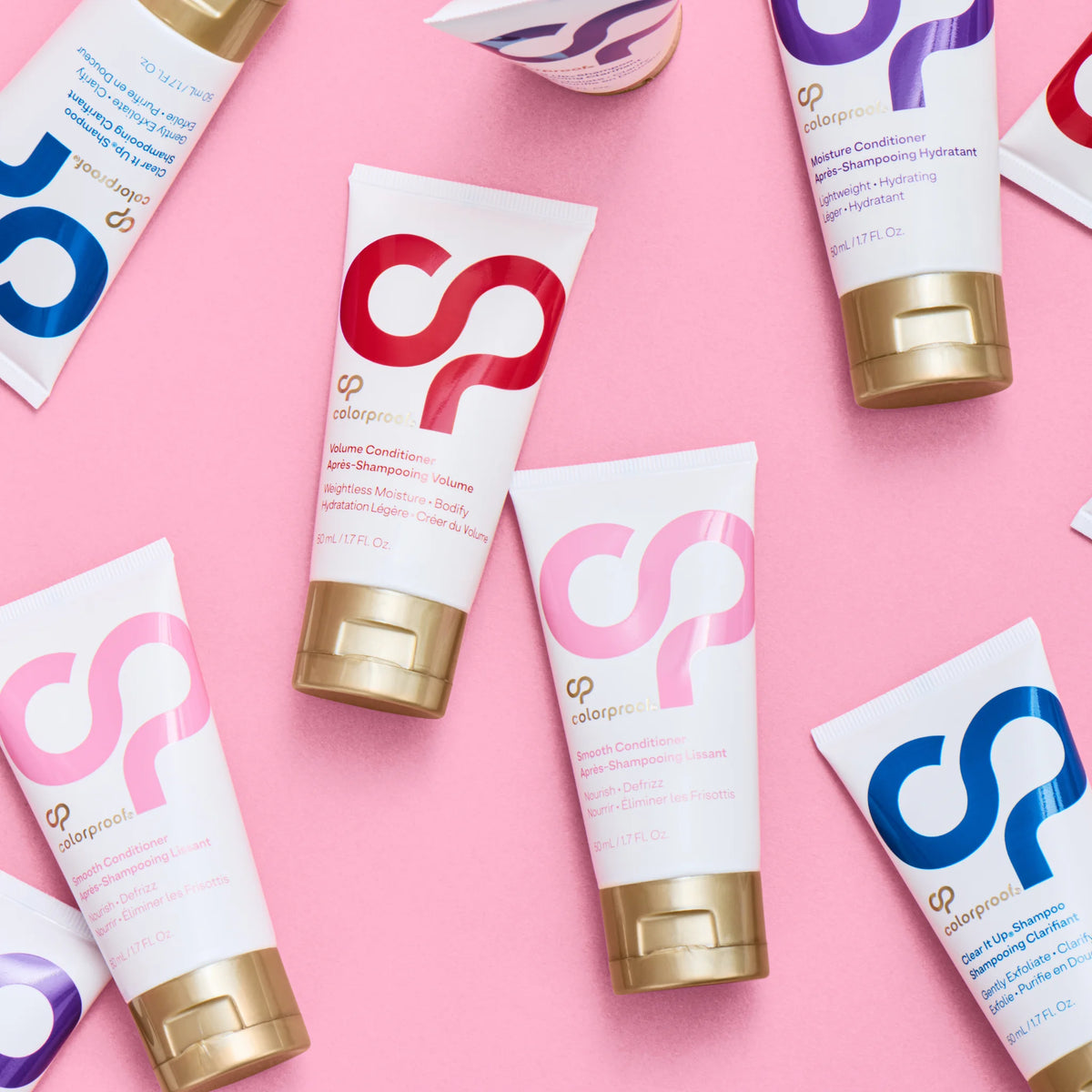
- Clear buildup monthly. Hard water minerals and product residue make fading look patchy. A clarifying wash like Clear It Up Shampoo resets hair every few weeks without stripping fresh color.
- Turn down the water heat. Lukewarm rinses keep the cuticle closed longer, which keeps pigment where it belongs.
When uneven fading needs a colorist, not more product
Most banding is manageable at home. But if the gap between your roots and ends has gotten dramatic, or one whole section reads like a different shade entirely, that's worth a professional gloss rather than more shelf product. A colorist can even out tone in one visit that home care can't reverse once the gap gets too wide.
Conclusion
Uneven fading isn't a sign your colorist made a mistake or that your hair is behaving badly. It's hair with different ages and histories reacting differently to the same sun, water, heat, and washing, and hair color fading this way is predictable once you know what to look for. The right routine keeps that gap from growing and gets you closer to color that fades evenly, or barely fades at all.
Frequently asked questions
Is hair color fading normal?
Yes. Some fading is unavoidable no matter how careful you are. The goal is slowing it down and keeping it even, not stopping it completely.
Does copper hair color fade fast even with good care?
Yes. Copper and red use larger, less stable pigment molecules than brunette or black, which is why colorists recommend more frequent glosses for red and copper clients regardless of how well the hair is maintained.
What hair colors fade the fastest?
Copper and red fade fastest, followed by blonde and lightened shades, then brunette, with black holding color longest. This comes down to pigment stability, not how well you're caring for your hair.
Why does my blonde fade so fast if I'm already using purple shampoo?
Purple shampoo slows brass, but it can't stop toner from wearing off on its own timeline. Once the blue base fades, warmth resurfaces underneath regardless of what shampoo you're using.
Can uneven hair color fading be fixed at home?
Often, yes. A sulfate-free routine, a UV-protecting leave-in, and a toning product for blonde brass will slow fading and even it out over a few washes. If the gap is severe, a colorist's gloss will fix it faster than home care alone.