










This is all you've been working towards. Tight jeans, extra energy, and seeing every bit of your hard work pay off. Then, when you're basking in all of this, your shower drain gets clogged, and you can feel your ponytail getting thinner. Just cruel timing. If you're experiencing hair loss after weight loss, remember two things: it is extremely common and usually completely temporary.
Weight loss and hair loss can completely throw you for a loop – and it feels even more stressful if you color your hair, since fine or lightened strands reveal thinning faster. But here's the good news: with the right nutritional care, you can maintain and restore it. Here's how weight loss leads to hair loss and how to take care of your hair while losing weight.
Why Weight Loss and Hair Loss Go Together
Quick science, because it explains everything that follows. When you lose weight fast or cut calories hard, your body reads it as stress and scarcity. It quietly reroutes energy away from anything non-essential, and hair, biologically, sits firmly in that category. A batch of follicles slips into a resting phase and sheds a couple of months later. Doctors call it telogen effluvium.
That's why the shed you're seeing right now often traces back to a diet you started a good twelve weeks ago. That delay is exactly why weight loss and hair loss feel so disconnected, until you understand the lag between cause and effect.
The Color-Treated Hair Factor
Here's what makes this trickier if you color your strands. Color-treated hair is already more porous and more fragile than virgin hair, and when shedding stacks on top of processing, the thinning can look and feel far more dramatic than it actually is. Weaker strands snap more easily, and a lifted cuticle makes hair look flatter and finer. Color-treating your hair isn't what's causing the shedding – that shift would happen from the weight loss either way. But colored hair makes thinning much more obvious. That means your routine needs to pull double duty: nourish your scalp to support new growth while protecting the tone you love.
Vitamins to Prevent Hair Loss During Weight Loss
This is where you actually move the needle. The vitamins to prevent hair loss during weight loss are, not coincidentally, the same nutrients your follicles were probably running short on when the shedding began. The nutrients below are crucial for hair health, but always consult your doctor before starting any new supplements.
- Protein. Hair is made of keratin – a protein – so aim for a quality source at every meal. This is the big one while you're dieting.
- Iron and ferritin. Low iron is a top hidden cause of shedding, especially in women. Ensure you ask your doctor to check your ferritin, not just your basic iron.
- Zinc. Central to the hair growth cycle, and one of the first things to dip on a restrictive diet.
- Vitamin D. Tied to follicle health and quietly low in a lot of people. Worth testing rather than guessing.
- B12 and biotin. Both support healthy growth, and both tend to fall on very limited diets.
- Omega-3s. They support scalp health and shine. Think fatty fish, walnuts, and flax.
Correcting the shortfall is the real fix for weight loss and hair loss. Everything else is support around it.
Gentle Care and Scalp Wellness: Your Recovery Routine
While nutrition does the heavy lifting, gentle care and scalp wellness make a real difference to how your hair looks and feels right now. Two honest notes first. Shedding is solved at the plate and with your doctor, and haircare is cosmetic – it does support your hair's look and condition, but doesn't regrow it. That said, a healthy scalp is the soil healthy hair grows from, so treating it kindly is never wasted.
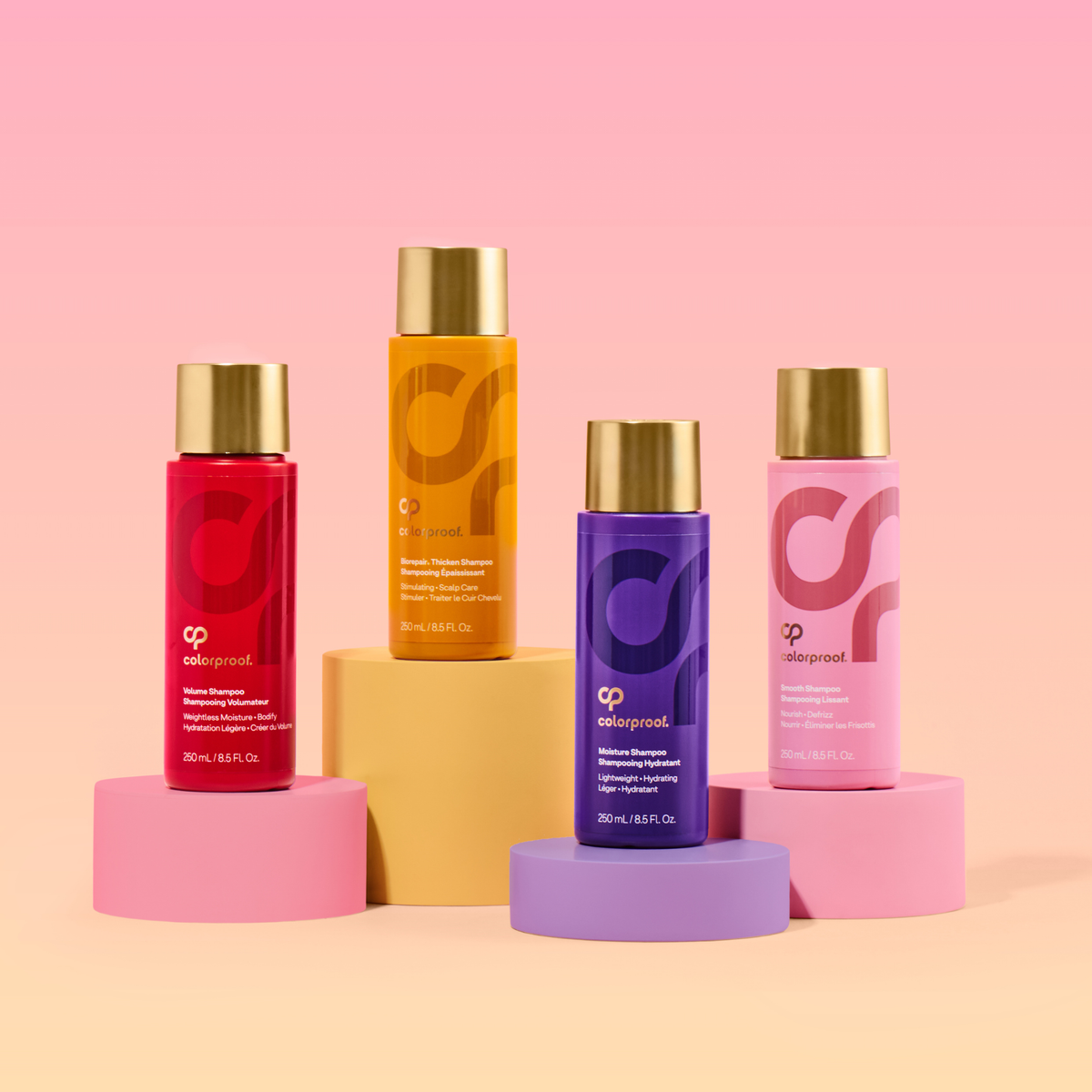
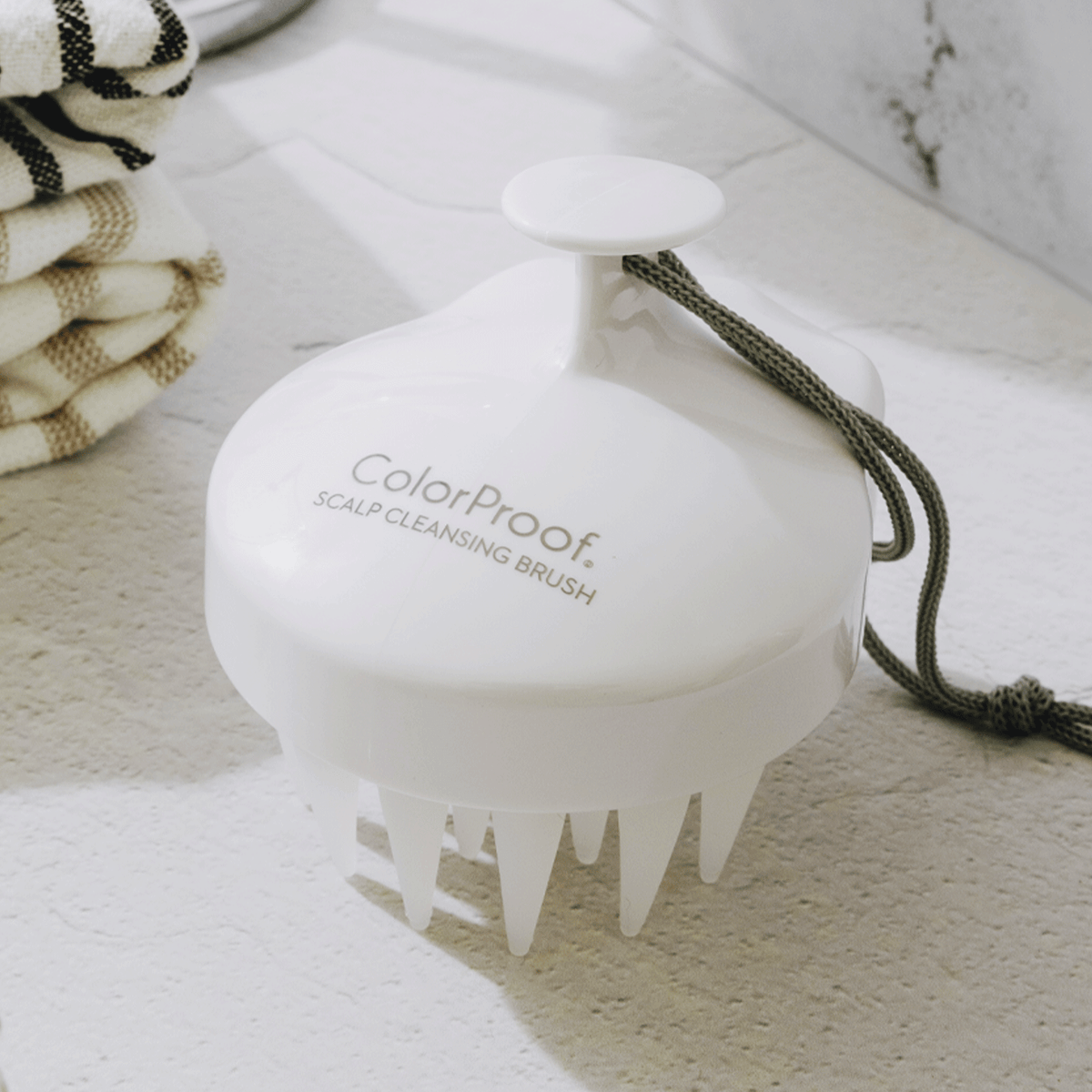
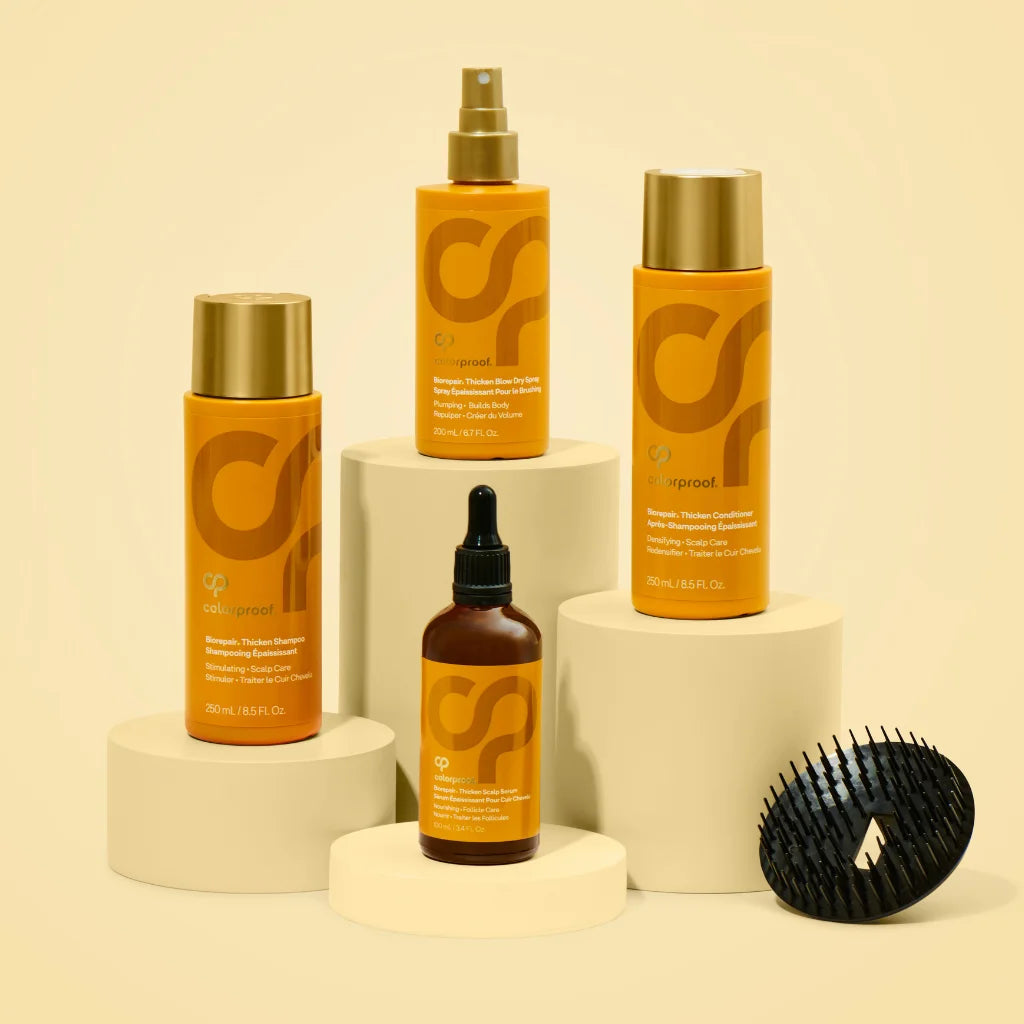
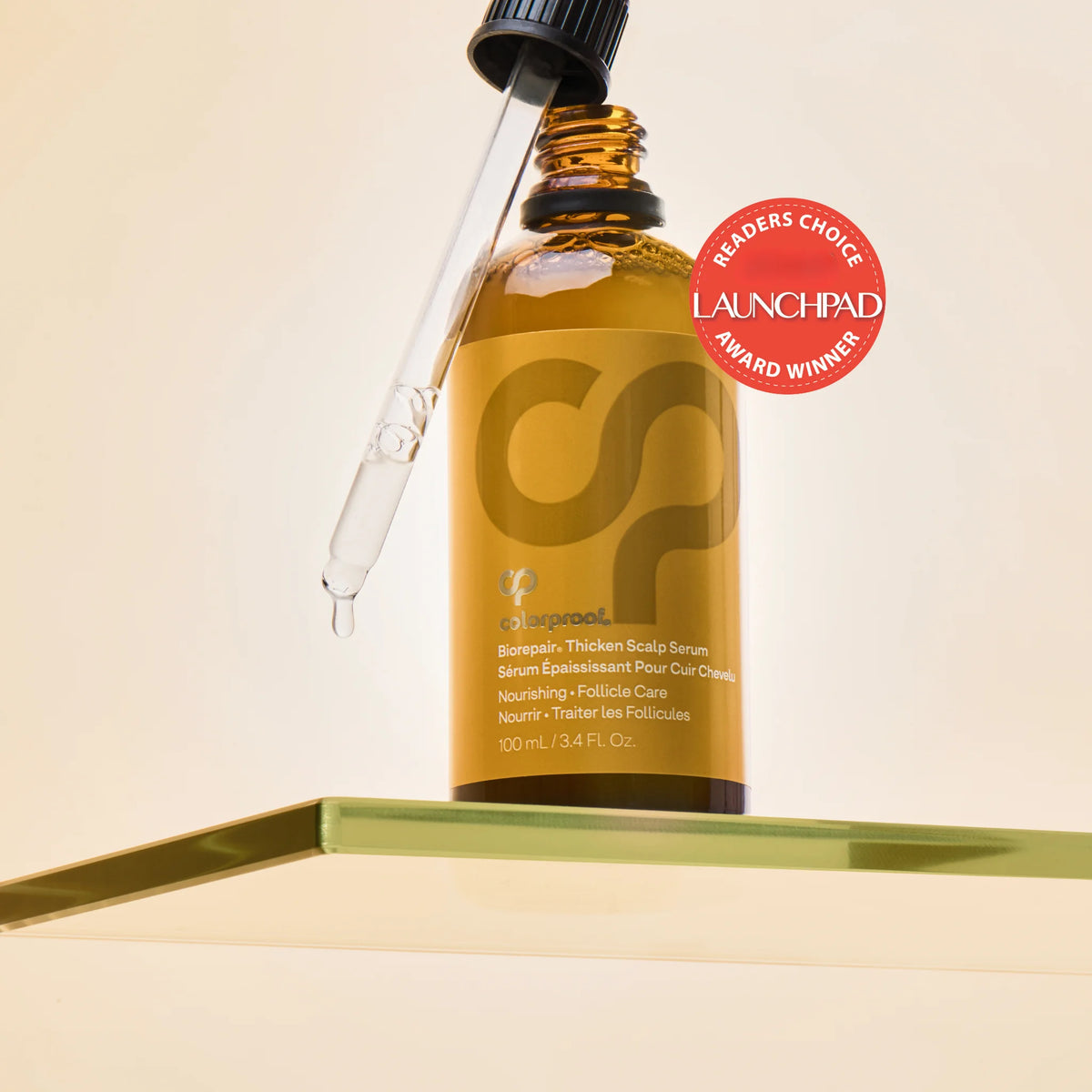
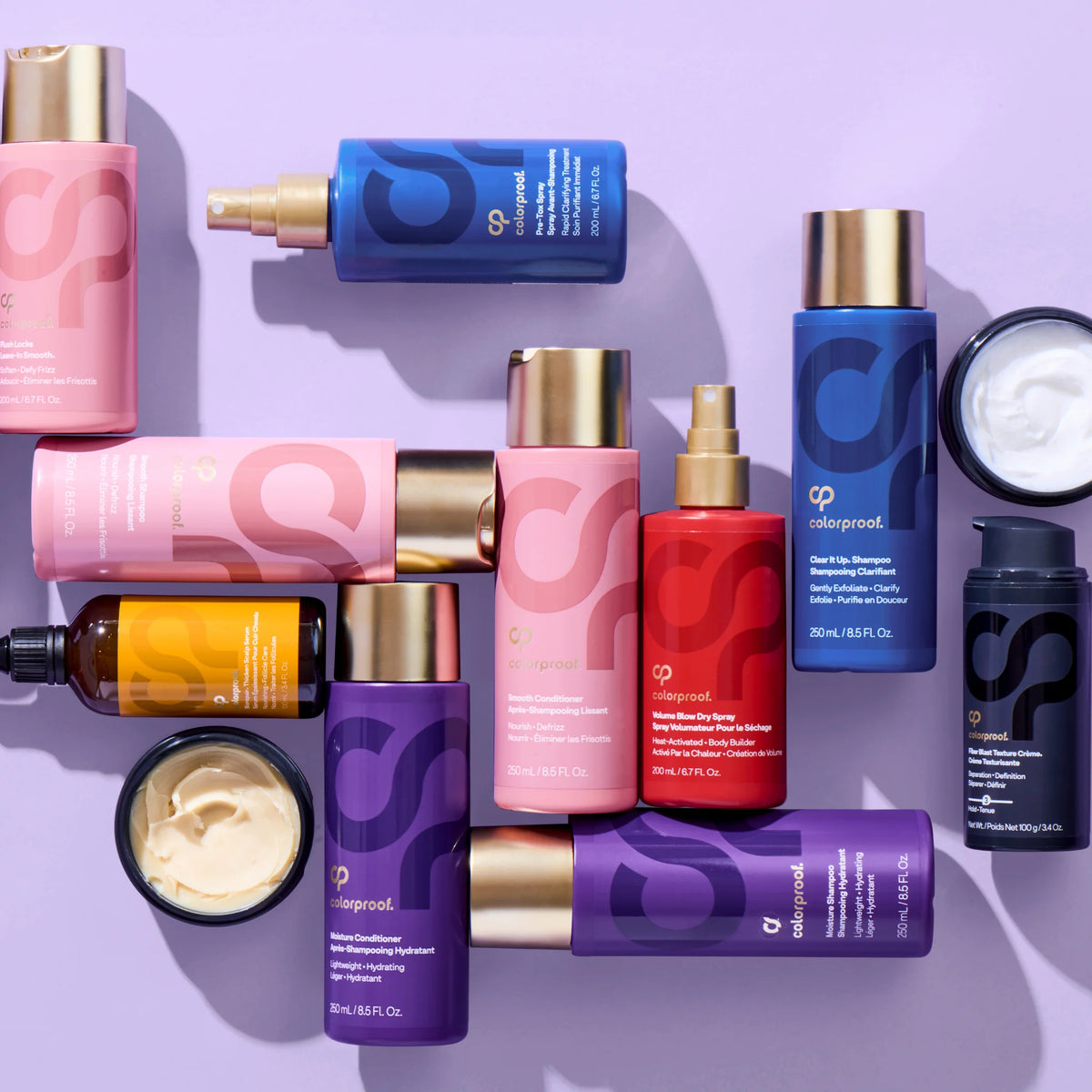
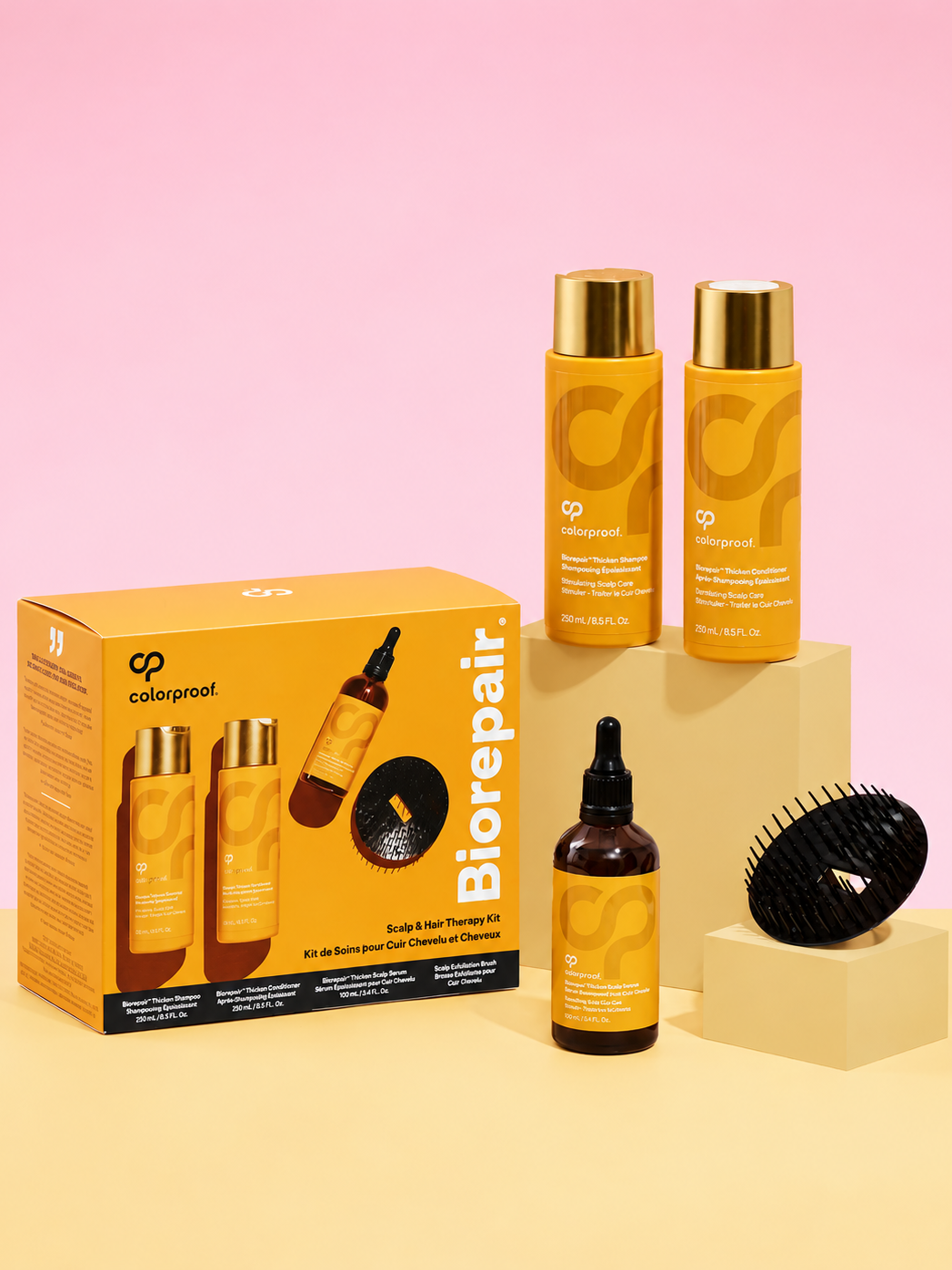
Start at the scalp, and start gently. A clean, balanced scalp, free of buildup, is the foundation for everything. Biorepair Thicken Shampoo cleanses and exfoliates the scalp without stripping your color, lifting away the oil and product that weigh fine, shedding hair down. Follow with a targeted treatment like the Biorepair Thicken Scalp Serum, which nourishes the scalp and supports a healthier environment for the hair you have. Massage it in for a minute, since a little scalp massage boosts circulation and honestly just feels wonderful. Everywhere else, ease off: no tight ponytails on fragile hair, minimal heat, and a wide-tooth comb worked gently from the ends up.
How to Make Thinning Hair Look Fuller While It Recovers
You don't have to wait months to feel better about your hair. Color-safe thickening products give the appearance of fuller hair today, with zero compromise on your tone. Biorepair Thicken Conditioner nourishes and softens while adding weightless body, so fine, shedding hair reads fuller instead of flat. For a full system built for exactly this moment, the Biorepair Thicken Collection pairs cleansing, conditioning, and scalp care for color-treated hair that's looking thinner than usual. None of it changes what's happening at the follicle; that's nutrition's job, but it makes the recovery phase of weight loss and hair loss a great deal easier to live with.
When Will Your Hair Grow Back?
Here's the reassuring part. For the majority of people, hair loss after weight loss is temporary. Once your nutrition stabilizes and your weight settles, the follicles wake back up. Shedding usually slows within a few weeks of fixing the cause, new growth appears around two to three months later, and density rebuilds over six months to a year, simply because hair grows slowly, roughly half an inch a month. Weight loss and hair loss don't have to be a permanent pairing at all. If shedding is severe, drags past six months, or arrives with other symptoms, see a doctor to rule out thyroid issues or deeper deficiencies.
Frequently Asked Questions
Why does weight loss cause hair loss?
Rapid weight loss or heavy calorie cutting stresses the body and starves follicles of nutrients, nudging them into a resting phase. They shed a couple of months later, a condition called telogen effluvium. It's the combination of speed and nutritional gaps, not the weight loss itself, that pulls the trigger.
What vitamins help prevent hair loss during weight loss?
Protein, iron (check your ferritin), zinc, vitamin D, B12, biotin, and omega-3s are the key players – consult your doctor first before adding them into your diet. Correcting these shortfalls is the single most effective way to prevent and reverse weight-loss shedding.
Does colored hair make weight-loss shedding worse?
It doesn't cause more shedding, but it can make it look and feel worse, since color-treated hair is more porous and fragile, plus breaks more easily and looks flatter. Gentle, color-safe care helps protect both your strands and your tone while you recover.
Will my hair grow back after weight-loss hair loss?
Almost always, yes. Once your nutrition and weight stabilize, follicles usually restart within a few months, with fuller density returning over six months to a year. Support it with a protein-rich diet and gentle scalp care, and see a doctor if it lingers past six months.
How should I care for my hair while it's shedding?
Be gentle and consistent. Cleanse and support the scalp with color-safe products, skip tight styles and excess heat, detangle from the ends up, and use thickening products for the look of fullness. Pair all of that with solid nutrition, and you're doing everything right.
Conclusion
Losing weight should feel like a victory, not a quiet trade you make with your hair. The connection between weight loss and hair loss is real, but it's also one of the most fixable kinds of shedding there is, because you hold the levers: how you feed your body, and how gently you treat your hair and scalp.
Cover the key vitamins, ease your pace where you can, and lean on gentle care and scalp wellness with color-safe products that protect your tone while supporting fuller-looking hair. Give it a few months of consistency. Almost always, weight loss and hair loss turn out to be a passing chapter – and both your hair and your color will come through it just fine.