






Not every transformation needs a drumroll. Sometimes the loveliest magic arrives in ribbons of light: a glint at the crown, a flicker around the face, a little sun stitched through the strands. That is the charm of partial highlights - strategic, flattering, and gloriously low-maintenance. If hair highlights are the poetry of color, this version is the perfectly placed metaphor: subtle, luminous, and impossible to ignore for anyone craving polish without the extravaganza.
But before we compare the options or talk upkeep, it’s worth starting where every good beauty story begins: with the shape of the thing itself.
What Partial Highlights Are and How They Work
Partial highlights are the art of editing. Rather than coloring every section, they brighten select pieces so the hair catches light where it matters most.
Placement, Not Saturation
Think of it this way: not every strand needs to sing in order for the chorus to feel full. Partial hair highlights usually focus on the top layer, the face frame, or a few strategic sections around the crown and sides.
The effect feels dimensional rather than drenched, polished rather than pushy. Your base color still shows through—which is exactly the point. Contrast creates depth, and depth is where good color starts looking expensive.
The Salon Process
Your colorist chooses the pieces that will do the most flattering work. Foils or hand-painted sections are placed where brightness will mimic the way sunlight naturally lands. The amount of lift depends on your starting shade, your desired finish, and how bold or soft you want the result to look. Because less hair is processed, the appointment often feels gentler, faster, and a touch less committal—which, for many people, is part of the allure.
And once you understand the architecture of the look, the next question arrives naturally: who, exactly, wears it best?
Who Should Choose Partial Highlights
This is where the style becomes personal. The best beauty choices do not shout; they harmonize with the life already being lived.
Best Fit For Your Look
For anyone curious about hair highlights but not interested in a complete color overhaul, partial placement is a smart first step. It works beautifully for people who want brightness around the face, movement through the top layers, or a subtle seasonal refresh. It also suits those who love the idea of dimension but still want plenty of their natural or base tone to remain visible.
Best Fit For Your Routine
This option is also ideal for the pragmatists with taste—people who want their hair to look luminous without signing up for high-maintenance chores. If you stretch salon visits, wear your hair in soft waves, or prefer color that grows out with grace instead of urgency, partial highlights make a persuasive case. They offer enough change to feel exciting, yet enough restraint to feel elegant.
|
Best for |
Why it works |
|
First-time color clients |
The change feels noticeable without feeling overwhelming |
|
Busy schedules |
Fewer sections often mean easier upkeep |
|
Face-framing brightness |
Light can be concentrated where it flatters most |
|
Fine or flat-looking hair |
Strategic contrast creates the illusion of movement |
|
Anyone wanting softness |
More base color remains, so the finish feels natural |
Of course, elegance becomes even clearer in contrast. To truly understand partials, it helps to place them alongside their bolder counterpart.
Partial Highlights vs Full Highlights
This is less a battle and more a matter of mood. Both are beautiful; they simply tell different stories.
Coverage and Overall Effect
Full hair highlights brighten sections throughout the entire head, including the lower layers and back, so the result reads lighter from nearly every angle. Partial highlights, by contrast, concentrate illumination in selected zones. If your goal is a whisper of brightness, partials feel refined and lived-in. If you want a more dramatic color shift, then bolder hair highlights across the whole head may be the better fit.
Upkeep, Time, And Commitment
Because partials use fewer sections, they are often quicker in the chair and a little gentler on the wallet. They also tend to grow out more softly, especially when the placement is concentrated near the top and front. That said, if you crave consistent brightness everywhere—ponytail, part line, and underlayers included—full coverage may feel more satisfying. It all comes down to whether you want a suggestion of light or a full spotlight.
|
Feature |
Partial highlights |
Full highlights |
|
Placement |
Top, crown, face frame, selected sections |
Bright color streaks throughout the hair |
|
Overall look |
Soft, dimensional, understated |
Brighter, more dramatic, more uniform |
|
Appointment time |
Usually shorter |
Usually longer |
|
Maintenance feel |
Often easier to stretch |
Often needs closer monitoring |
|
Best for |
Subtle refresh |
Bigger transformation |
Once the choice is made, the attention shifts from color creation to color preservation—and that is where discipline starts to look glamorous.
How To Maintain Partial Highlights
Attractive, unique, and lovely hair color is not just achieved; it is kept. Maintenance is where the shine earns its halo.
1. Wash With Care
-
Even delicate hair highlights can fade fast when cleansers are too harsh or stripping. Start with a sulfate-free formula made for color protection, and let consistency do the heavy lifting.
-
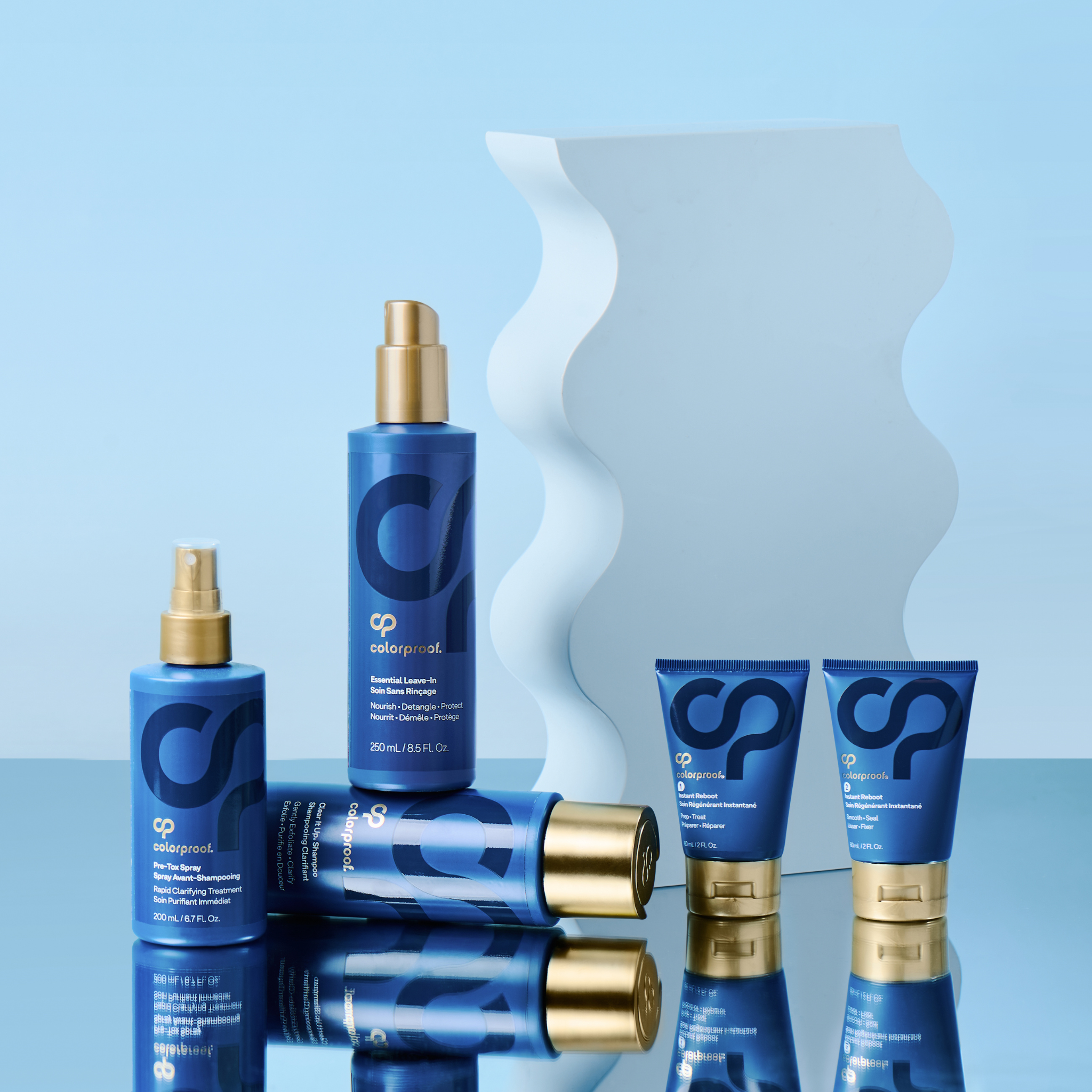
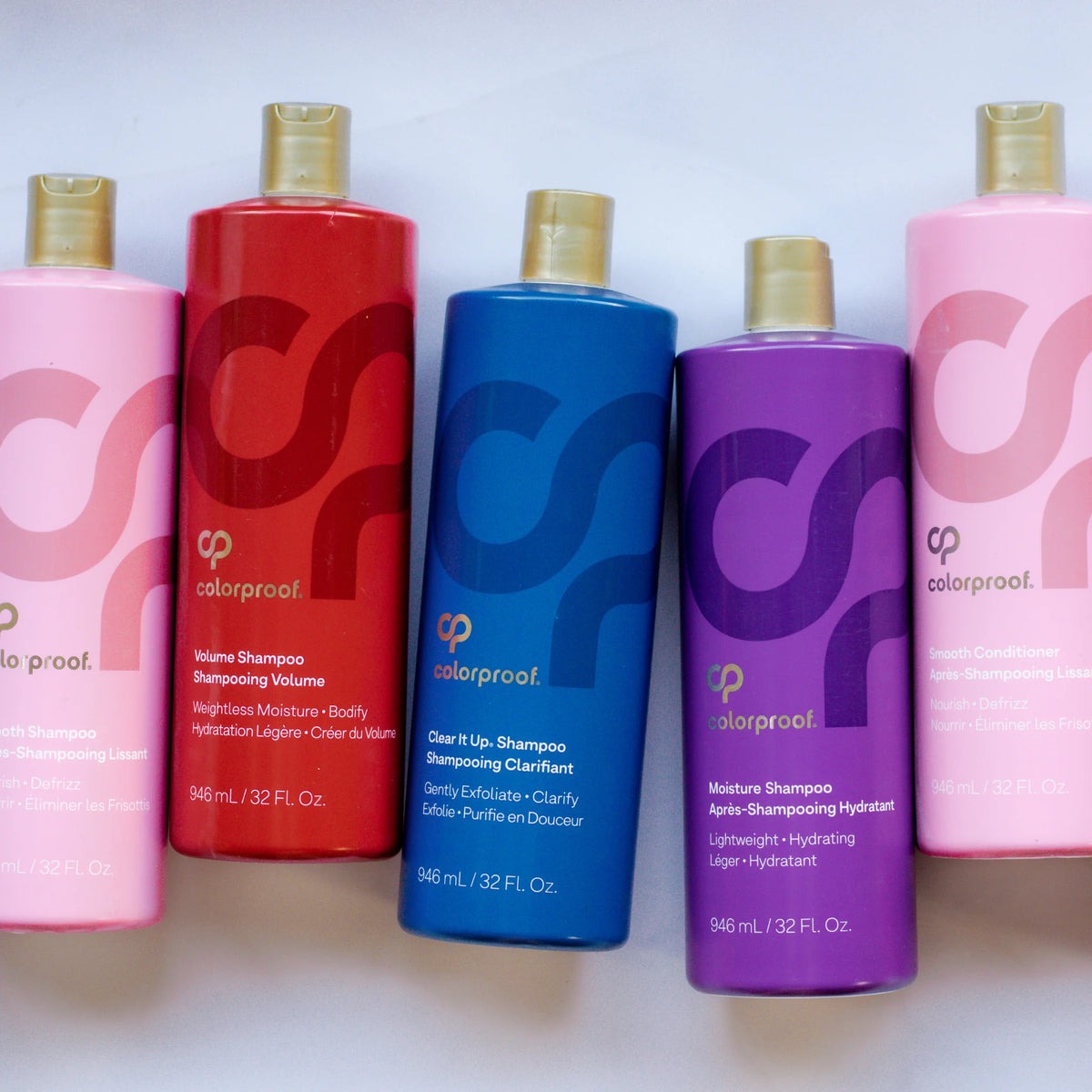
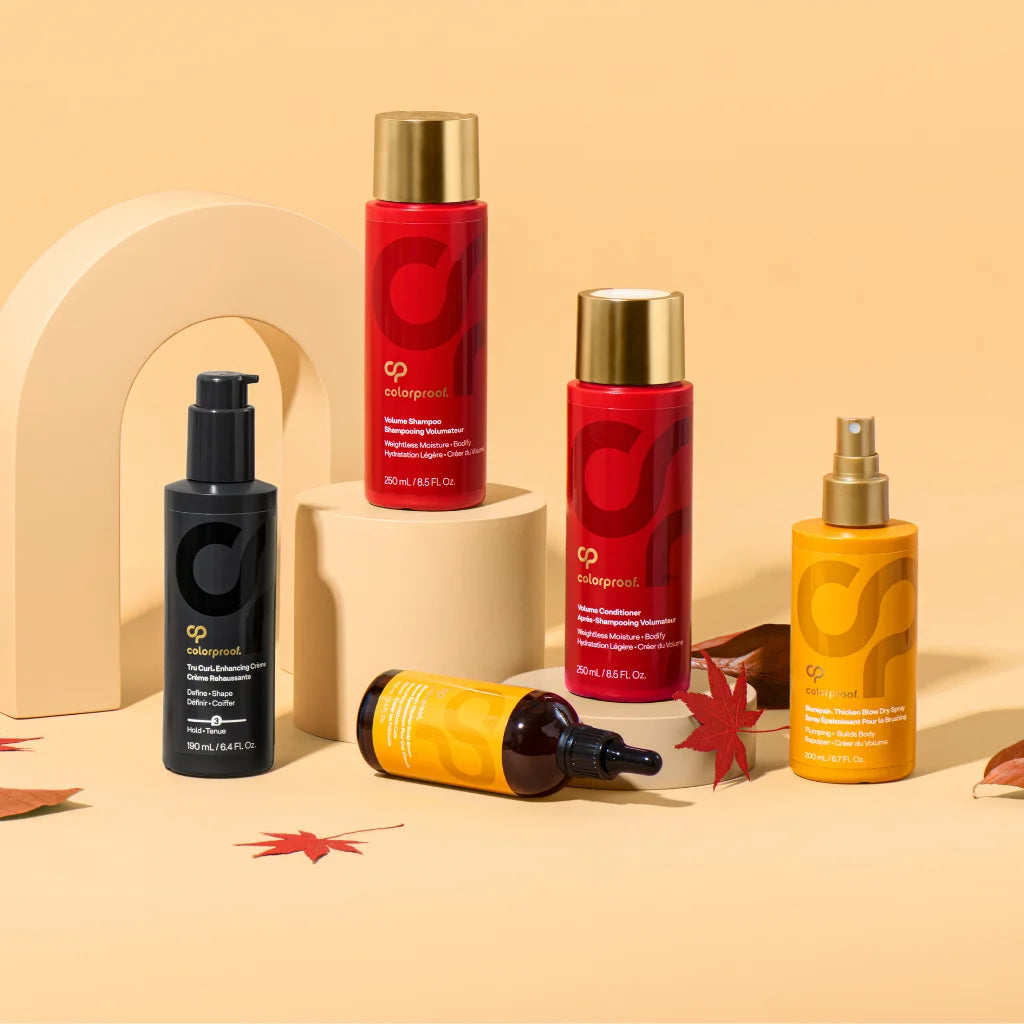
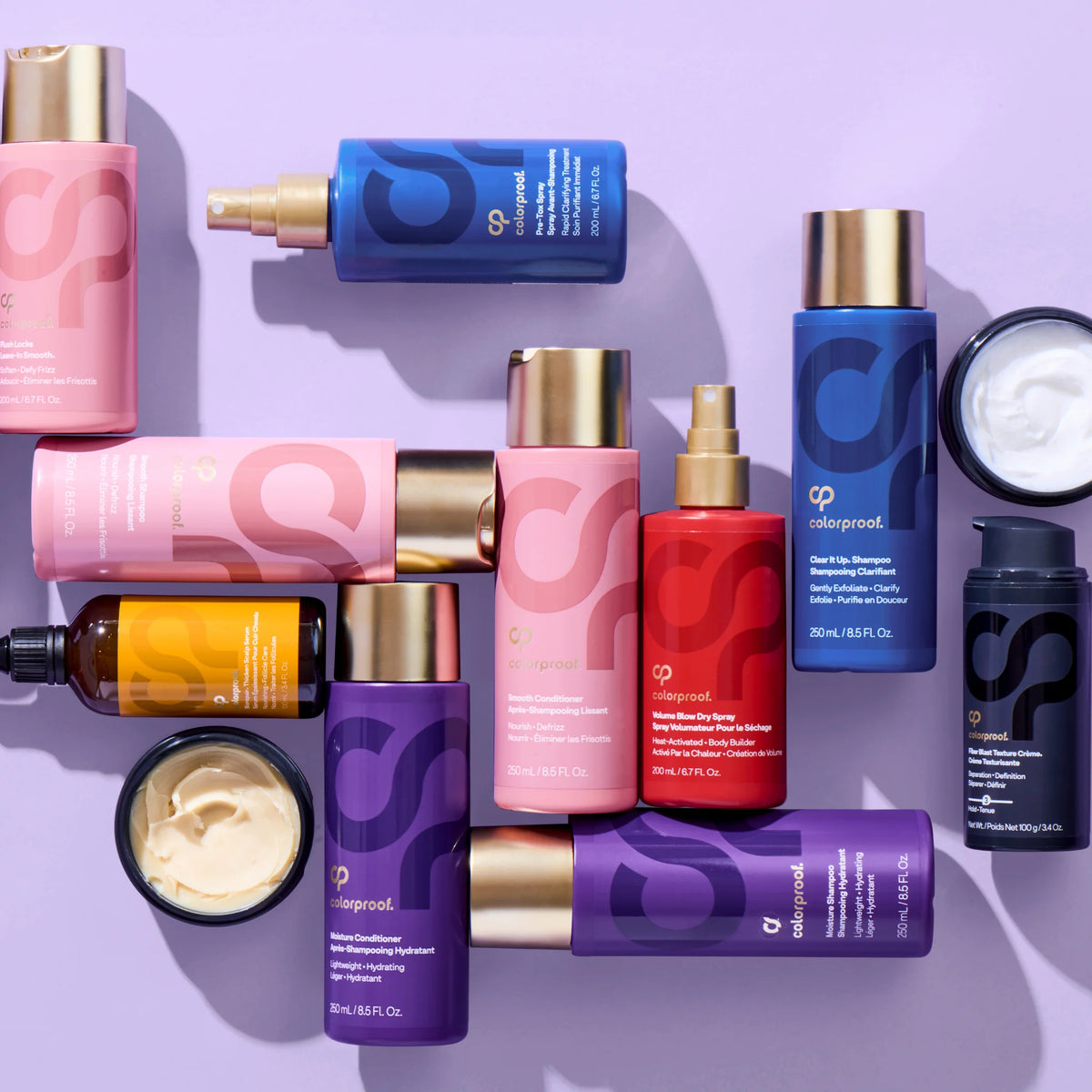
Clear It Up Shampoo is a smart choice when you want a clean scalp without roughing up your color story.
-
Wash with lukewarm water, not hot, and resist the urge to over-cleanse. The less you bully the cuticle, the longer your brightness keeps its polish.
2. Keep Brass in Check
-
Tone is the difference between expensive-looking color and color that feels a little tired around the edges.
-
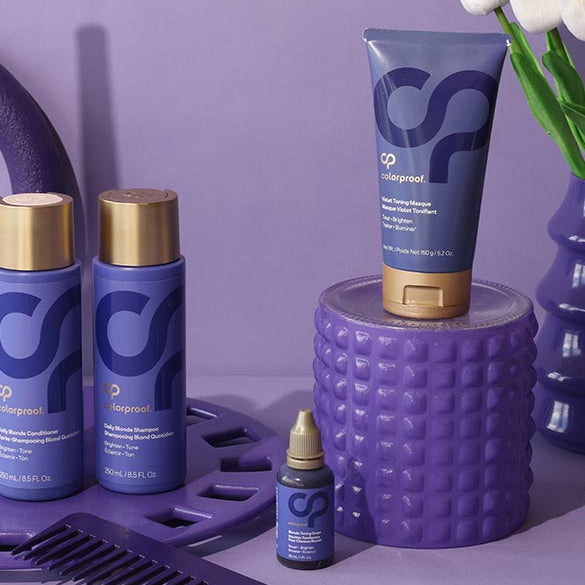
Blonde, beige, and cool-ribbon shades often need occasional correction to stay fresh. When warmth starts creeping in where it was not invited, reach for The Toning Collection.
-
Used as needed rather than obsessively, toning keeps the shade refined instead of muddy, brittle, or overworked.
3. Strengthen What Was Lightened
-
Color-treated hair loves a little kindness, especially through the mid-lengths and ends where dryness likes to linger.
-
Focus on softness, slip, and breakage prevention rather than piling on too many formulas at once.
-
Essential Leave-In works well when you want daily support without a heavy, coated feel. A silk pillowcase, lower heat settings, and patient detangling will quietly do more good than most dramatic rescue routines.
4. Repair Without Weighing Down
-
When highlighted sections start feeling thirsty, choose care that restores rather than suffocates.
-
Lightweight repair keeps movement alive, and movement is part of what makes the color look believable.
-
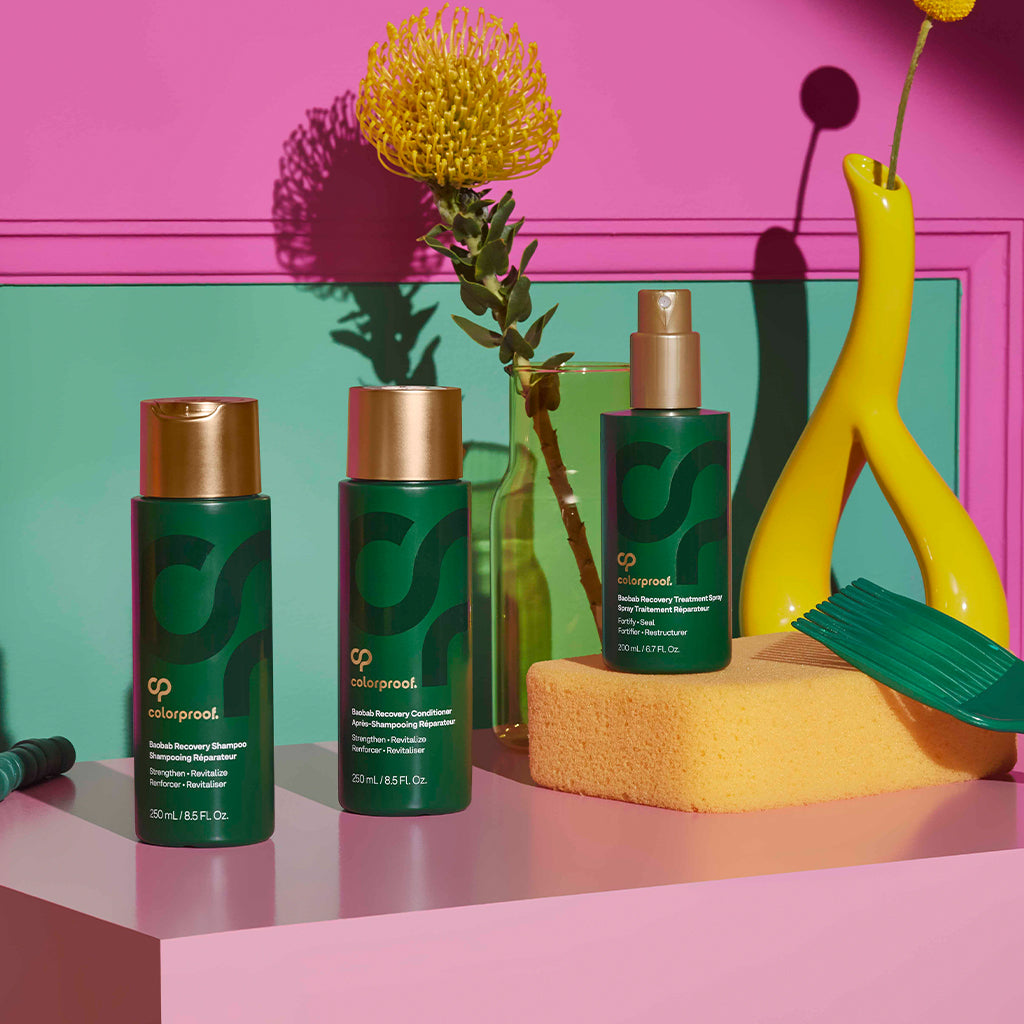
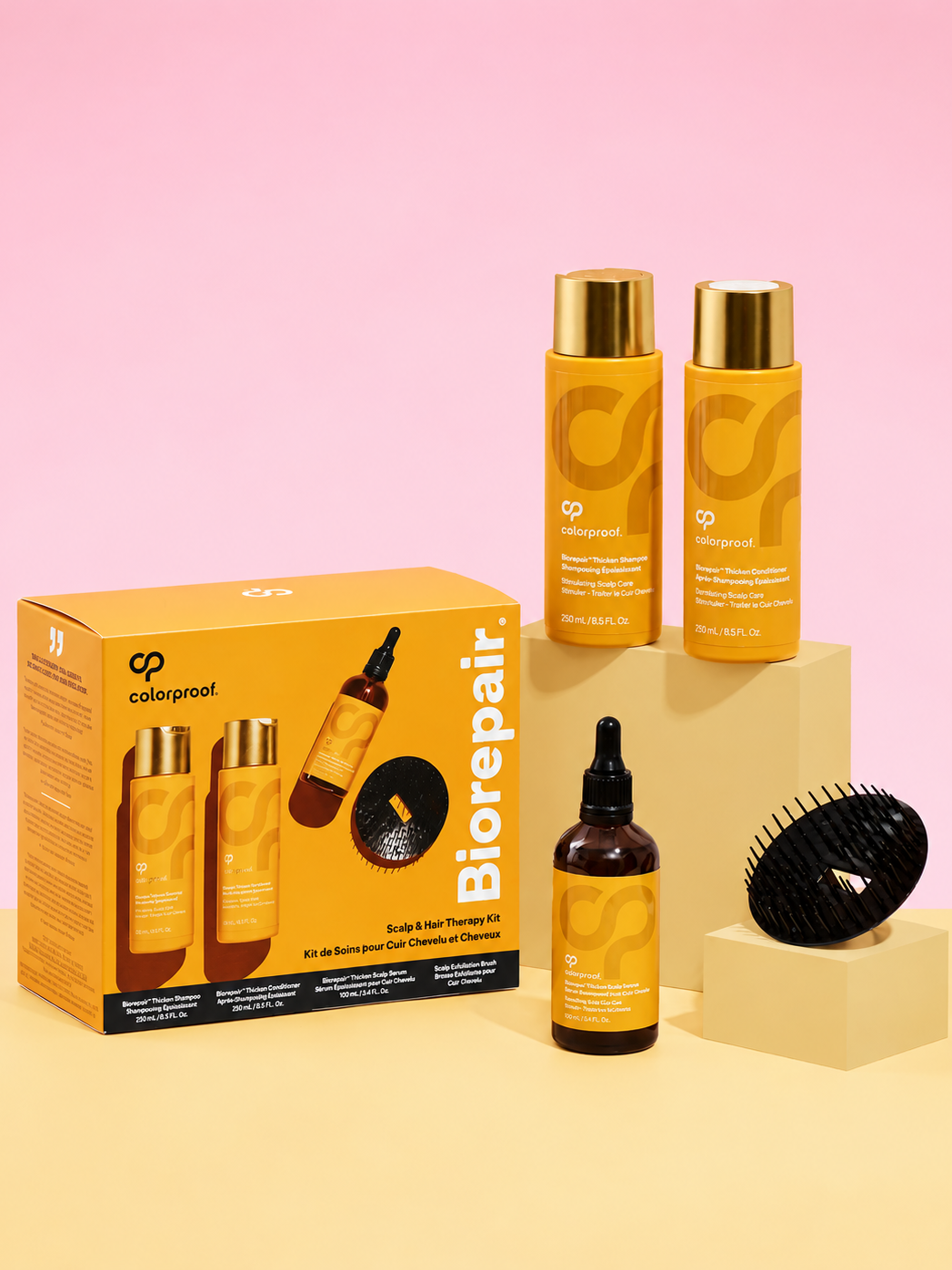
Baobab Recovery Treatment Spray is useful when the hair feels fragile but still needs bounce. Think of it as a soft exhale for strands that have been lifted, rinsed, styled, and asked to sparkle again.
Maintenance, though, is not only about what to do. It is also about what not to do—and that is where many beautiful color stories go off script.
Common Mistakes To Avoid With Partial Highlights
The most common mistakes are rarely dramatic. Usually, they are small habits repeated with confidence.
1. Going Too Bright Too Fast
-
The fastest way to flatten pretty hair highlights is to ask for more contrast than your haircut, skin tone, or base color can gracefully carry. Brightness should not look disconnected.
-
A good colorist builds light in layers, especially if your goal is softness. Going slowly often creates the chicest result, because dimension feels richer than a blunt, all-at-once lift.
2. Ignoring Strength and Moisture
-
After any lightening service, the hair’s condition matters just as much as its shade. Rushing the aftercare is how shine turns dull, and ends begin to fray.
-
Baobab Recovery Shampoo makes sense when cleansing needs to feel restorative instead of harsh. Keep trimming regularly, limit aggressive heat, and pay attention to texture changes long before breakage starts announcing itself.
3. Treating Conditioner Like an Optional Extra
-
Conditioning is not indulgence; it is structure. Highlighted strands lose moisture more quickly, and when softness goes missing, color can start looking coarse.
-
Baobab Recovery Conditioner helps replenish slip and elasticity, especially through the parts of the hair that have seen the most processing. Give it a few unhurried minutes to work. Good color needs a smooth canvas to catch the light beautifully.
4. Styling Without Protection
-
The final mistake is thinking the salon did all the work, and your hot tools can now freelance. Heat, UV exposure, and rough styling habits can age color faster than you think.
-
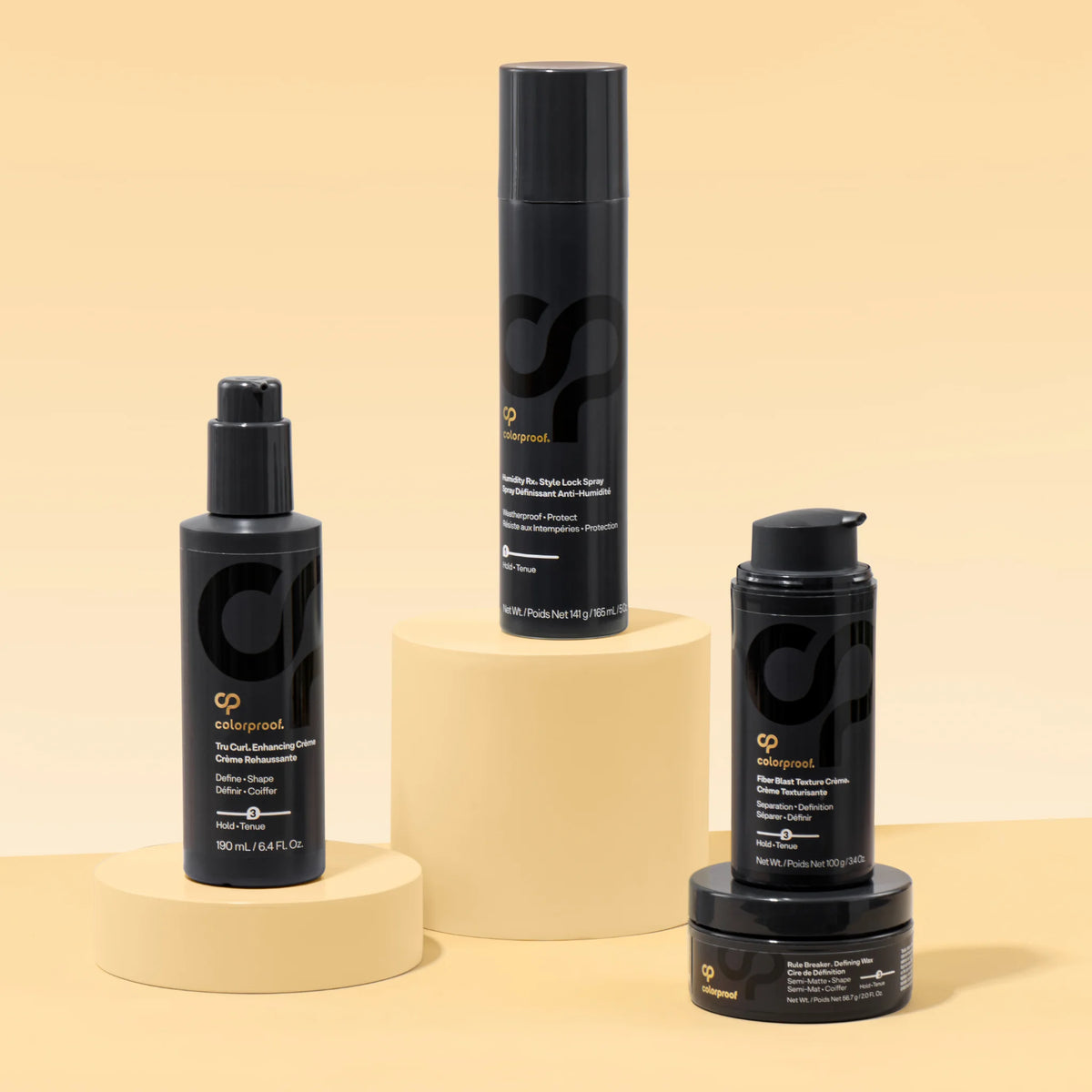
Choose finishers that protect while they polish, not products that merely make promises in glossy packaging. Color-safe hair styling products are ideal when you want hold, movement, and defense in the same gesture. Style with care, and the color keeps its poetry.
FAQs
1. What is the difference between partial highlights and full highlights in hair?
The main difference is placement and coverage. Full hair highlights are distributed throughout the entire head for a better, more all-over effect, while partial highlights focus on selected areas like the top layers or face frame. If you want a subtle dimension, partials are often enough. If you want a more dramatic shift, full placement usually delivers it.
2. How long do partial highlights usually last in the hair?
Most partial highlights look fresh for about 6 to 10 weeks, though the exact timing depends on your base color, contrast level, and home care habits. Because the placement is more strategic and less all-over, regrowth can look softer and less obvious. With good toning and gentle washing, many people stretch appointments comfortably.
3. How many highlights are considered partial?
There is no single magic number—placement matters more than counting foils like party candles. In general, partial hair highlights cover only select sections rather than the whole head, often focusing on visible top layers, the hairline, and the crown. Your stylist may customize the amount based on thickness, haircut, and how bright you want the finish to appear.
4. Do partial highlights grow out nicely?
Yes, when they are placed well, they usually grow out beautifully. Because the lightness is concentrated in fewer areas, the line between your natural color and the highlighted pieces can feel softer over time. Well-designed hair highlights tend to look more lived-in than abrupt, especially when the placement complements your cut and your natural depth.