







Gray hair has a way of changing the conversation. One day, it’s a glint at the parting line… the next, it frames the face with a new kind of light brighter, cooler, and a little more demanding than the color that came before.
That is why choosing a hair dye for gray hair feels less like a routine beauty decision and more like a style edit. It is not simply about coverage. It is about tone, texture, polish, and the mood you want your hair to hold.
The modern approach to gray color is far more elegant than the old idea of masking every silver strand at all costs.
Today, it’s about creating a finish that looks expensive, dimensional, and effortless in the mirror. Maybe that means a soft brunette with a cashmere feel. Or maybe it’s a luminous blonde that lets a little silver breathe through. Either way, the goal is the same: a color that looks flattering and beautifully alive.
Why Gray Hair Needs Special Hair Dye
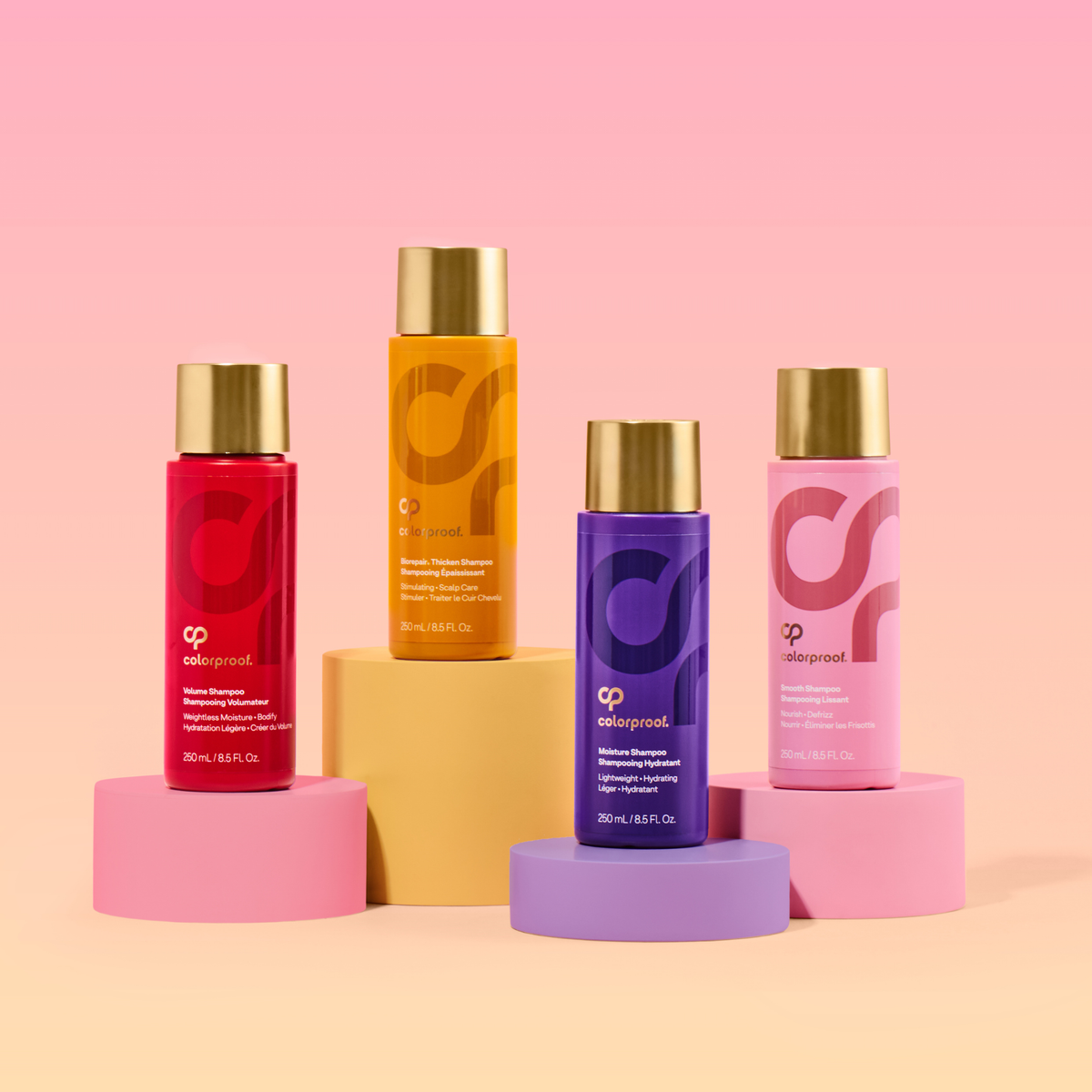
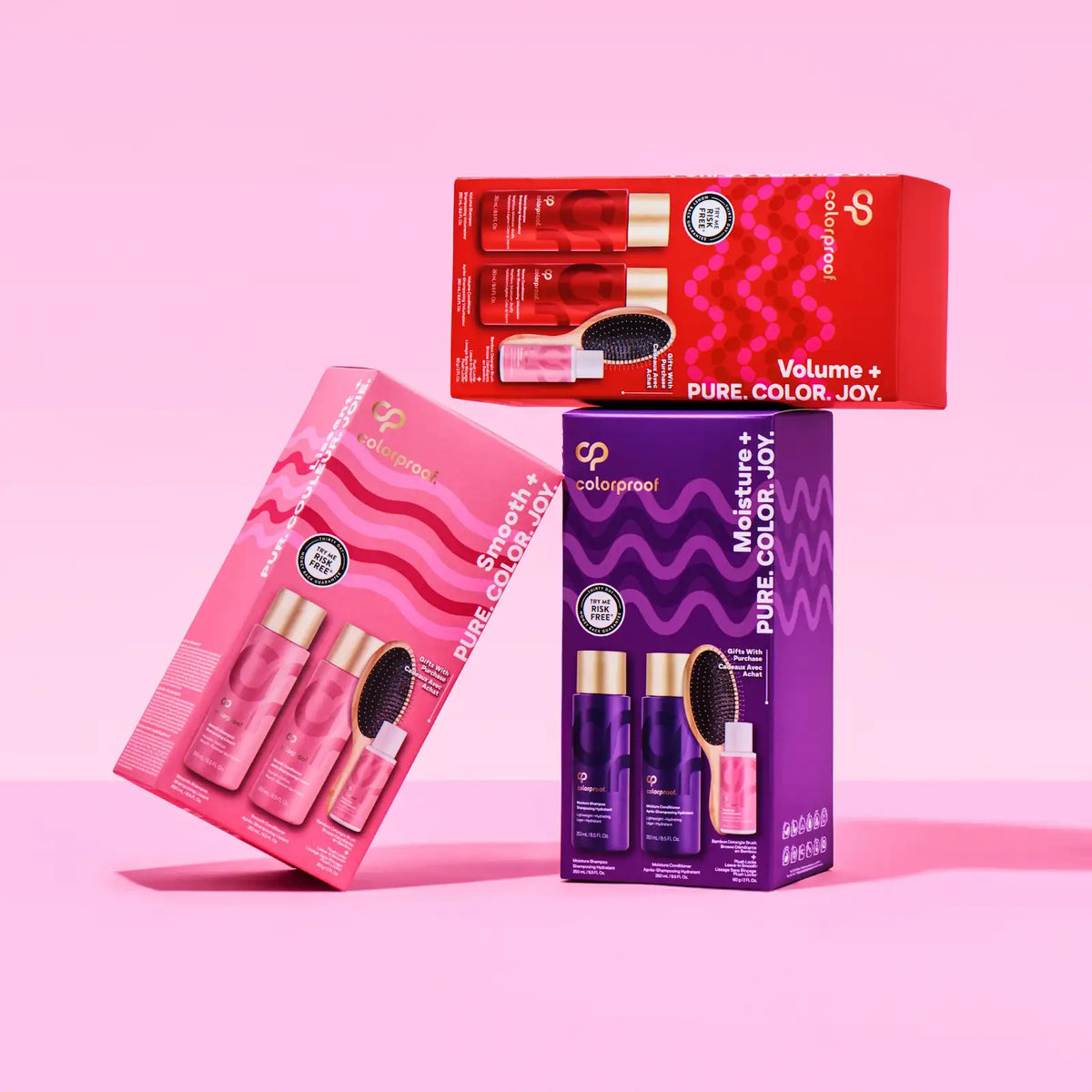
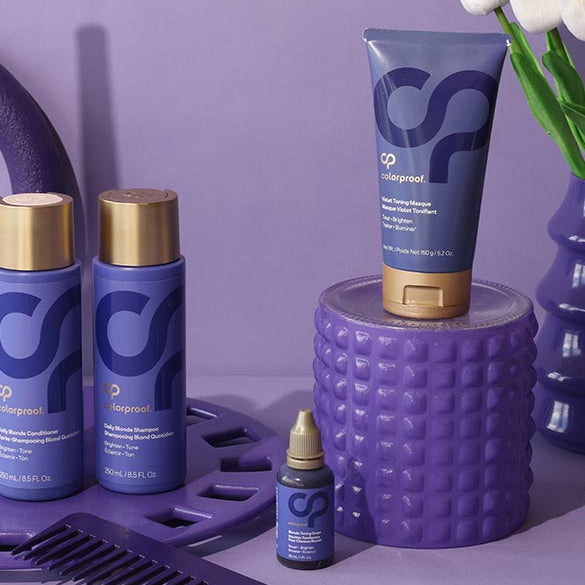
Gray hair changes more than color alone. It often shifts in texture, shine, and the way it responds to products, which is why it calls for a more tailored approach. Supporting that routine with a toning collection can help keep the overall finish brighter, cleaner, and more refined.
1. Texture Tells the Story
As pigment fades, hair often becomes coarser, drier, or more resistant. Strands that once absorbed color easily can suddenly seem selective, especially around the hairline and roots. A dedicated hair dye for gray hair is usually designed with stronger deposit and better coverage in mind, so the color does not rest only on the surface and wash away before it has a chance to settle.
2. Finish Matters As Much As Coverage
Gray hair also reflects light differently. It can look sleek and radiant, but it can just as easily reveal uneven color, dull patches, or sheer spots. The right formula creates depth and smoothness at once, so the result looks chic rather than chalky.
What Causes Gray Hair?
Before choosing a color, it helps to understand what gray hair actually is. The answer is simple in theory, but quite nuanced in practice.
Pigment Naturally Slows Down
Hair gets its natural shade from melanin, the pigment produced within the follicle. Over time, that production slows, and strands begin to grow in with less color or none at all. That’s when silver, white, and soft gray tones begin to appear.
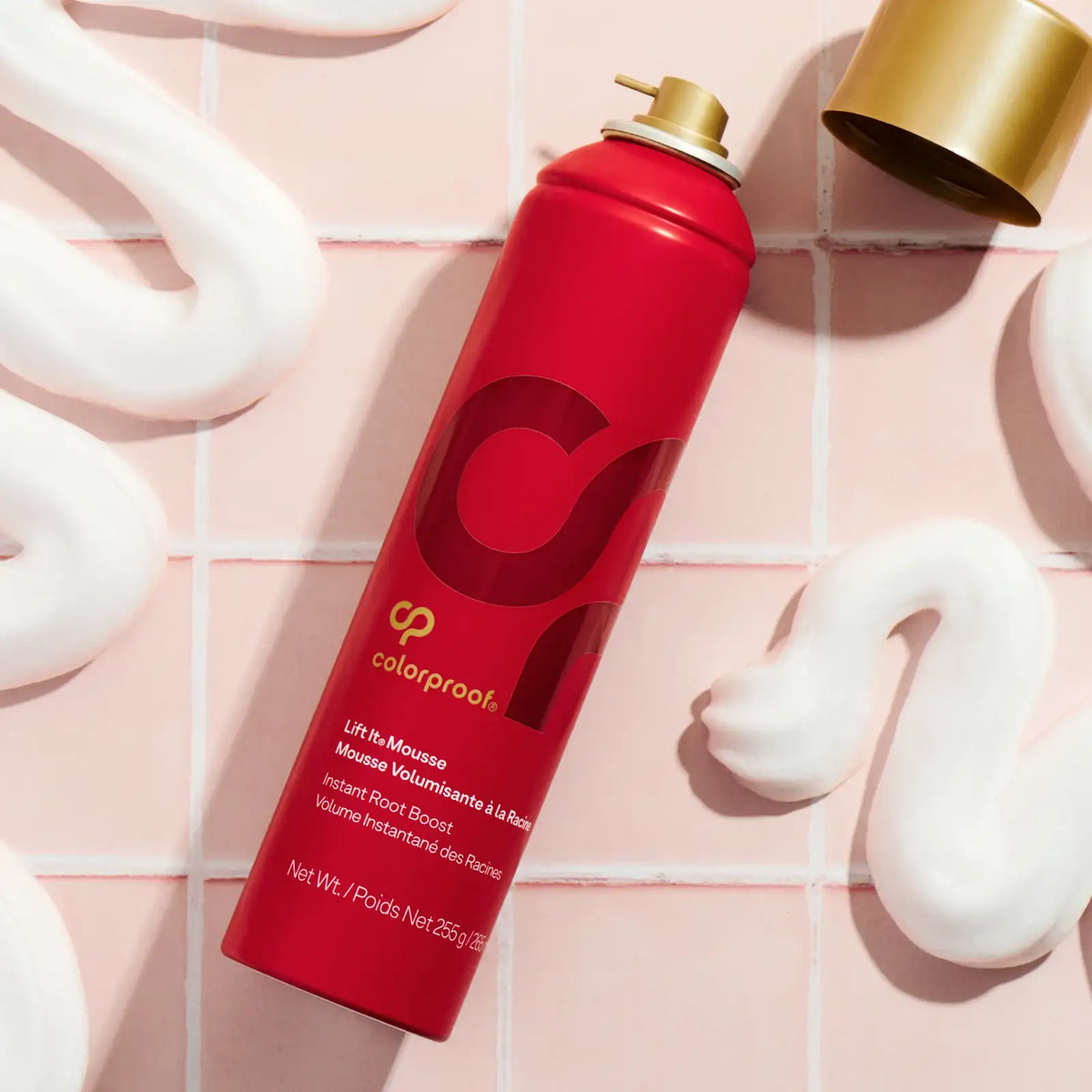
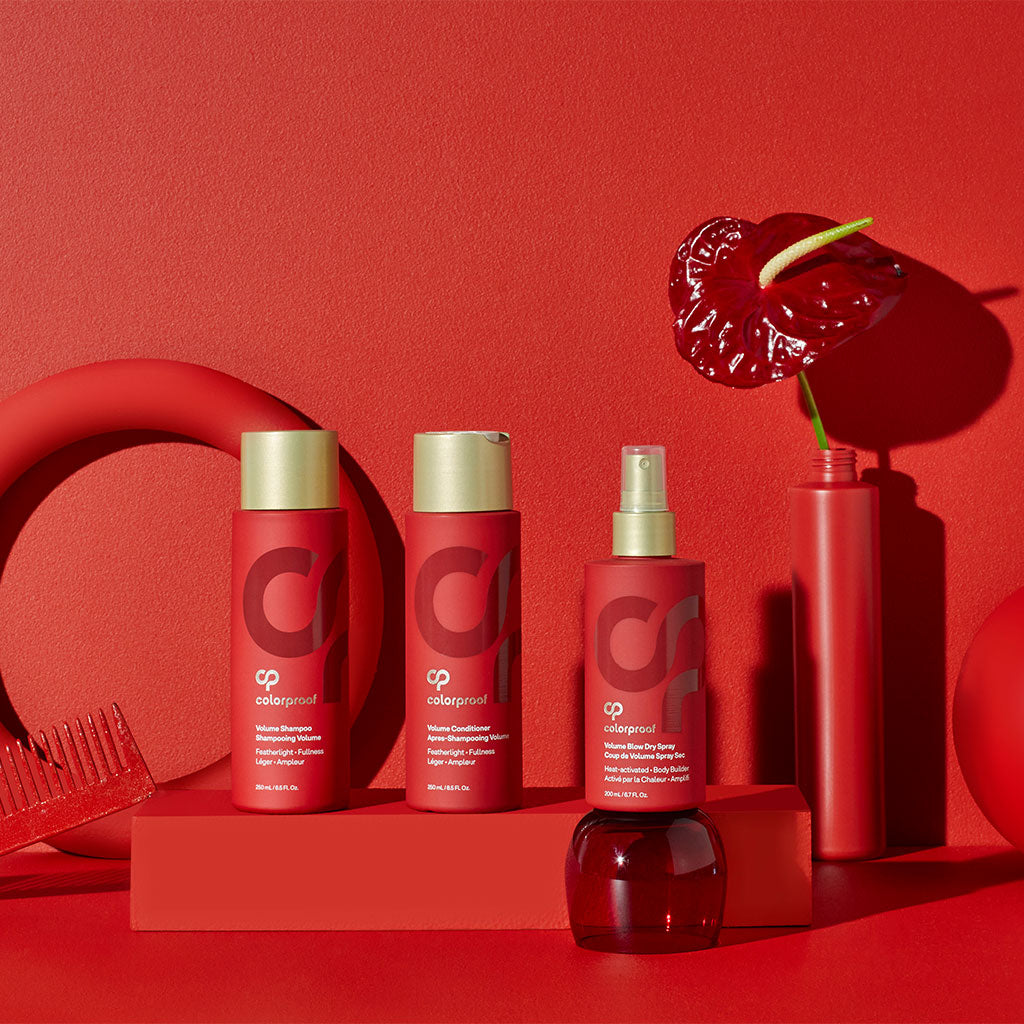
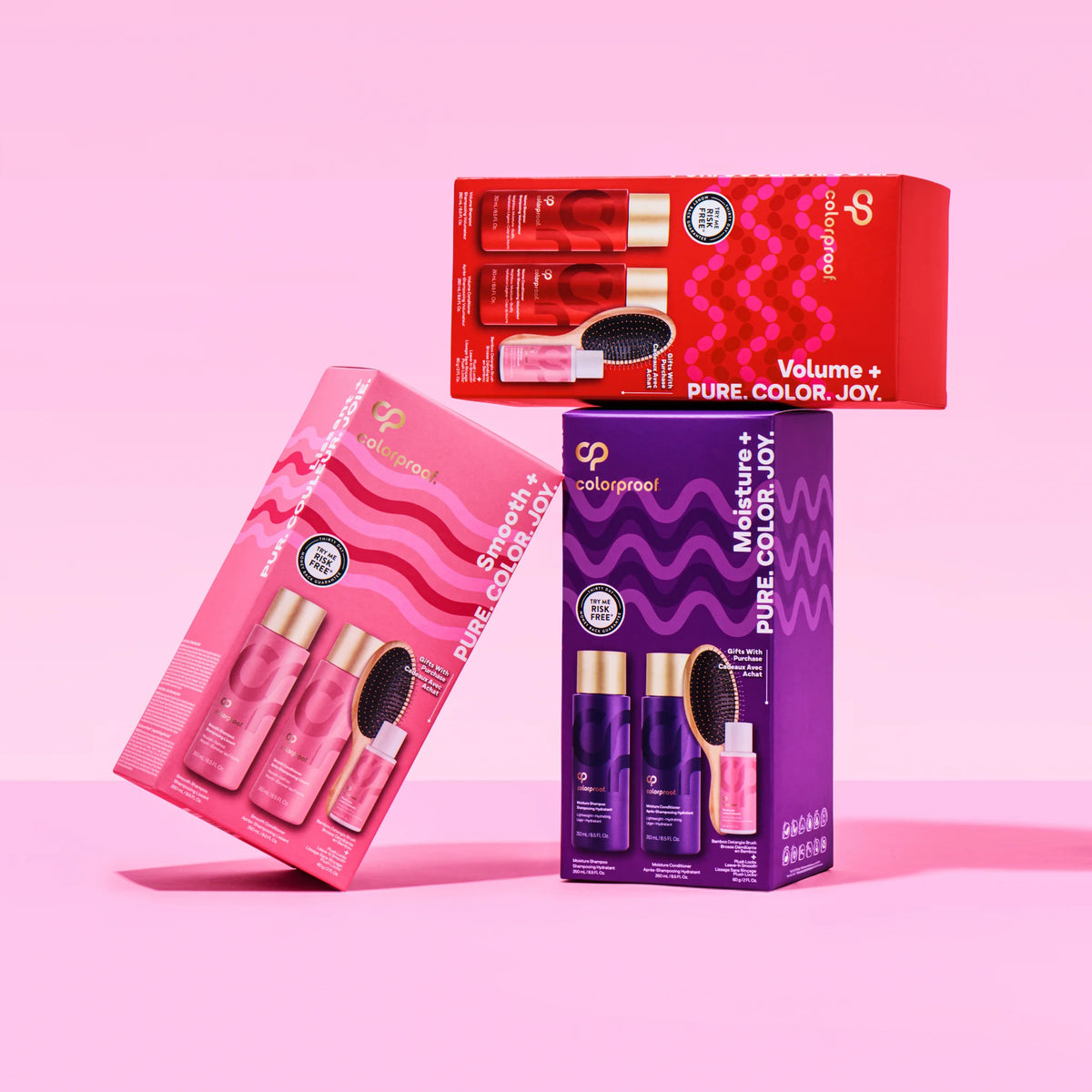
A well-matched hair dye for gray hair works best when it takes this shift into account, rather than treating gray strands as if they behave the same as the rest. Pairing your color routine with styling support from the volume collection can also help gray hair look fuller, softer, and more polished overall.
It Is Not Only About Age
Age is part of the story, but genetics often decides when the first silver hair shows up. Stress, environment, and overall hair condition can also influence how quickly the change becomes visible. Gray hair is rarely one-note, either. It may be a mix of bright white, steel, ash, and softened silver, which is exactly why color choice requires a bit of finesse.
Why Regular Hair Dye May Not Cover Gray Hair Well
If your usual box color no longer seems to work the way it once did, the issue may not be the shade. More often, it is the formula.
|
Issue |
Why it happens |
|
Standard dye may not work well |
Regular formulas are often made for hair that still has natural pigment and normal porosity |
|
Gray hair has a different texture |
The cuticle may be tighter, rougher, and less predictable |
|
Sheer pigment looks patchy |
Translucent color does not fully mask silver strands |
How To Choose The Right Shade For Gray Hair
Shade is where technique meets taste. It is also the point where good color becomes great style. The smartest approach is to choose a shade that flatters your skin, softens regrowth, and feels believable in natural light.
Start With an Undertone
The best hair color for gray hair is usually the one that brightens the complexion, not the one that simply covers the most silver part. Cooler undertones tend to look striking with ash brown, smoky mushroom, champagne blonde, or pearl beige. Warmer undertones often suit caramel, honey, golden brunette, or soft copper.
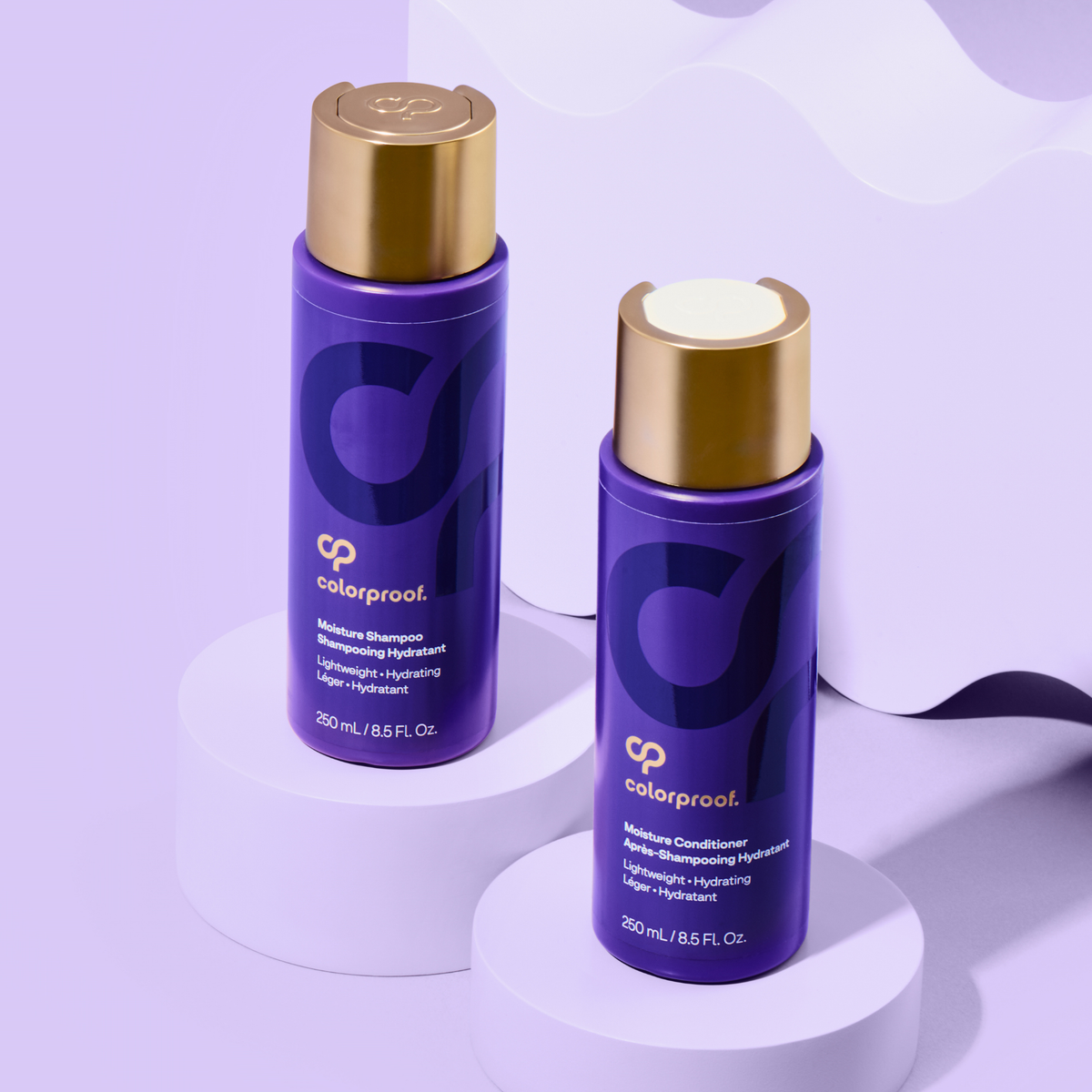
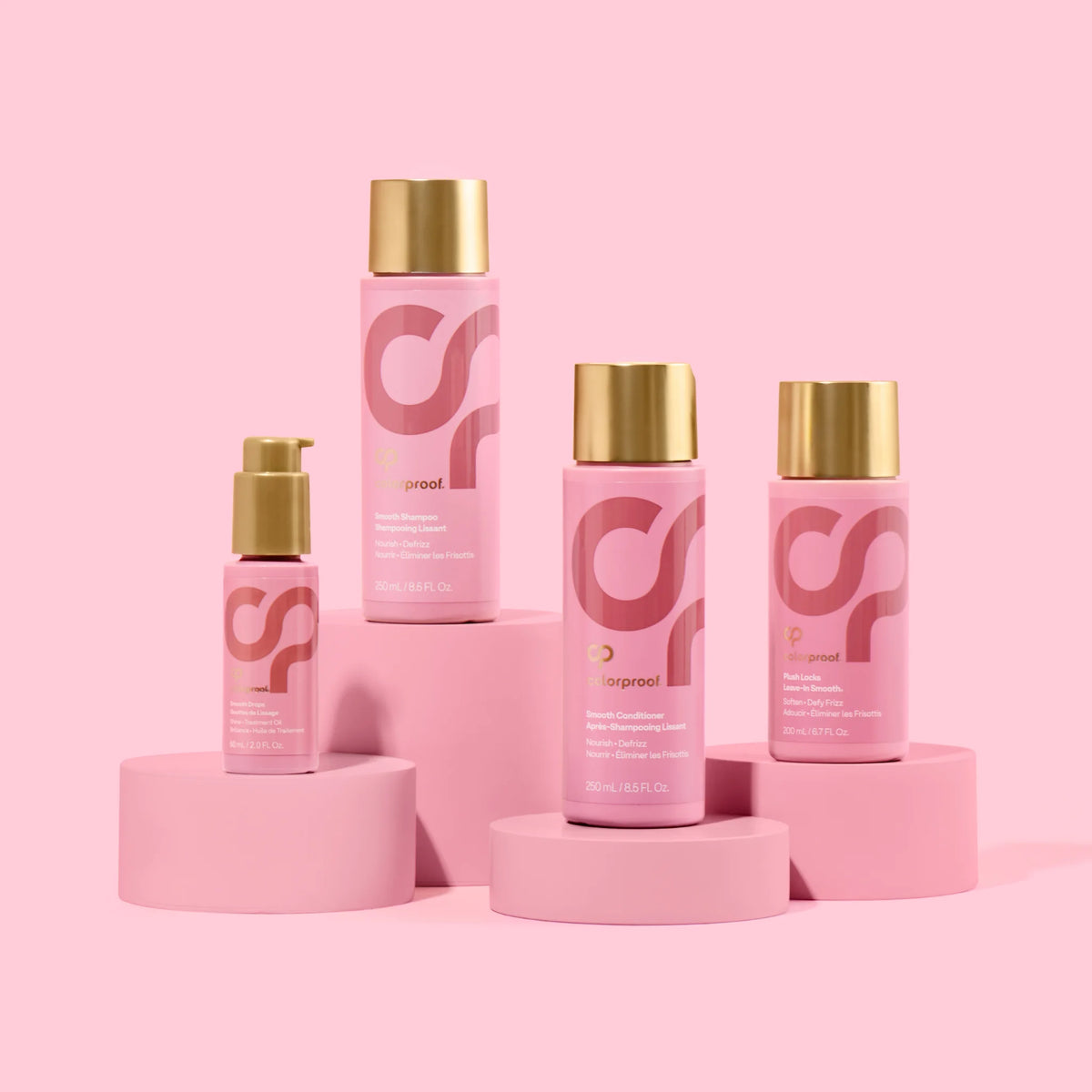
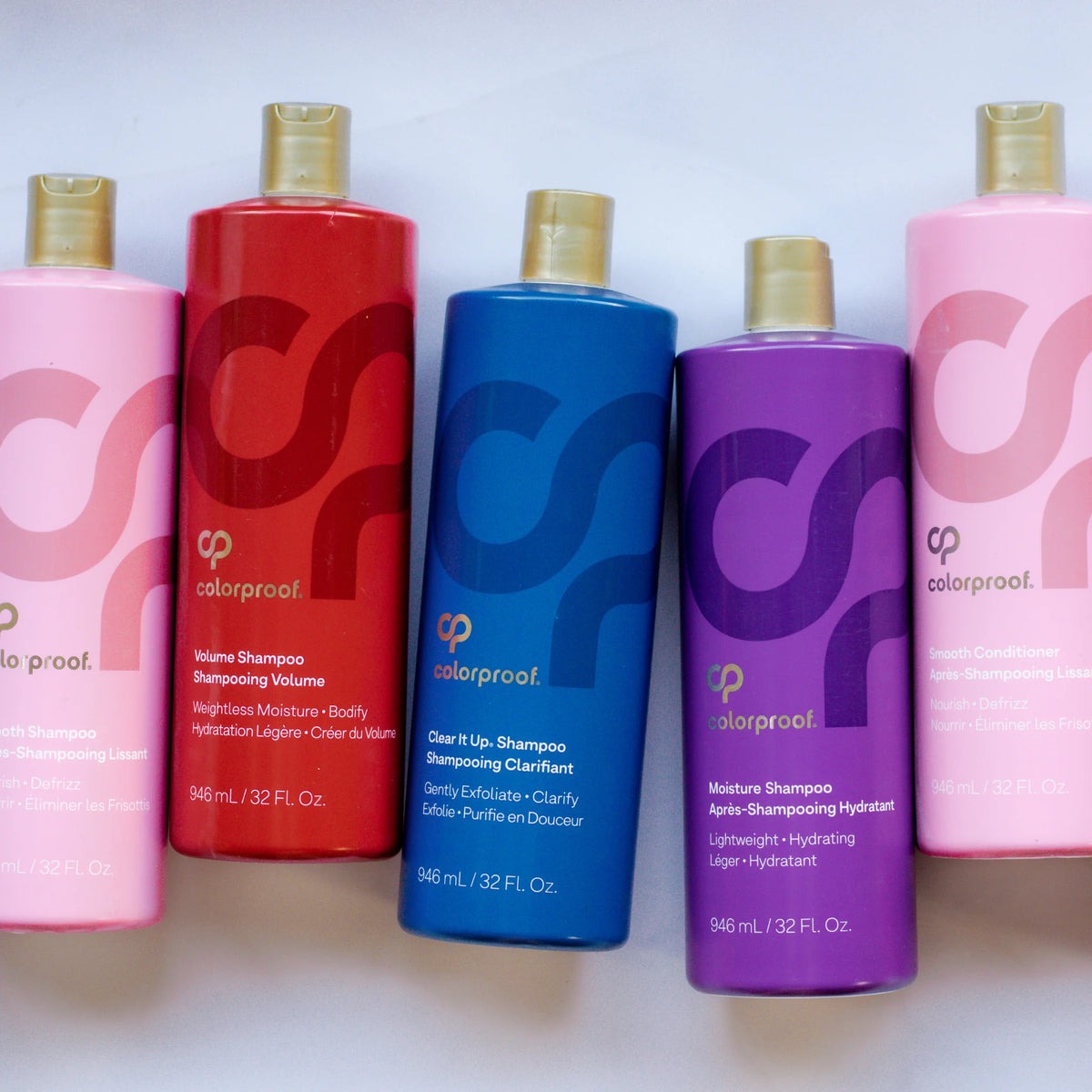
A flattering shade should lift the face in the same way good tailoring flatters the body: quietly, elegantly, and without strain. To keep that shade looking soft and luminous, pairing your routine with the moisture collection can help support the smooth, hydrated finish gray hair often needs.
Think Softer, Not Darker
Many people instinctively go several shades darker, believing depth equals better coverage. In reality, softer contrast often looks far more modern. A shade that sits one or two levels lighter than your former color usually gives a gentler grow-out line and a fresher overall finish. The right hair dye for gray hair should look polished, never painted on.
|
Color direction |
Best for |
Style effect |
|
Beige blonde |
Light complexions, soft regrowth |
Airy, luminous, understated |
|
Mushroom brown |
Cool undertones mixed with gray |
Modern, expensive-looking, subtle |
|
Neutral brunette |
Classic coverage goals |
Rich, balanced, timeless |
|
Honey caramel |
Warm undertones, dullness concerns |
Glossy, bright, face-warming |
If you are comparing formulas, the top-rated hair dye for grey hair is often the one that gives dimension and shine, not just the darkest payoff on the box.
How to Maintain Color on Gray Hair
Once the color is right, maintenance becomes part of the aesthetic. Gray hair holds tone best when the care routine is gentle, consistent, and a little indulgent. A good color routine should protect both the shade and the texture, because one always affects the other.
Prioritize Moisture First
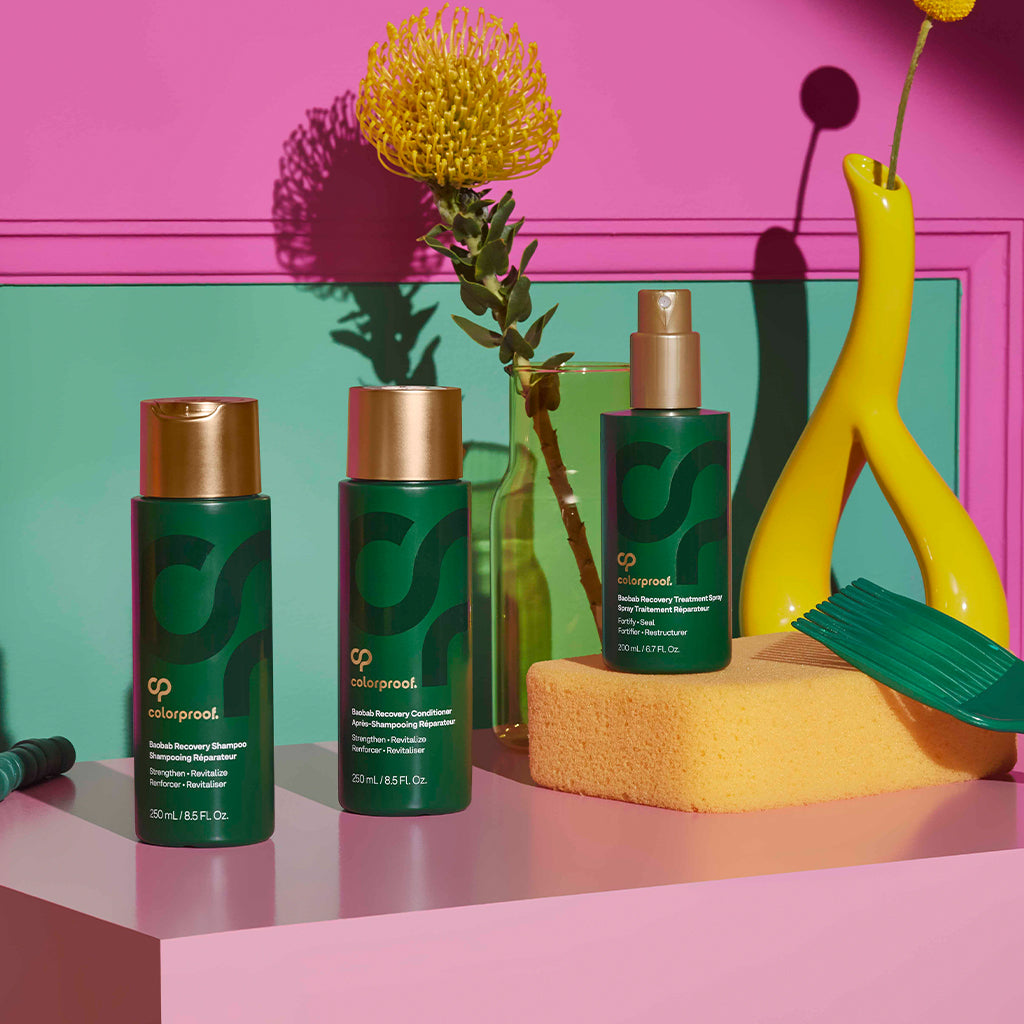
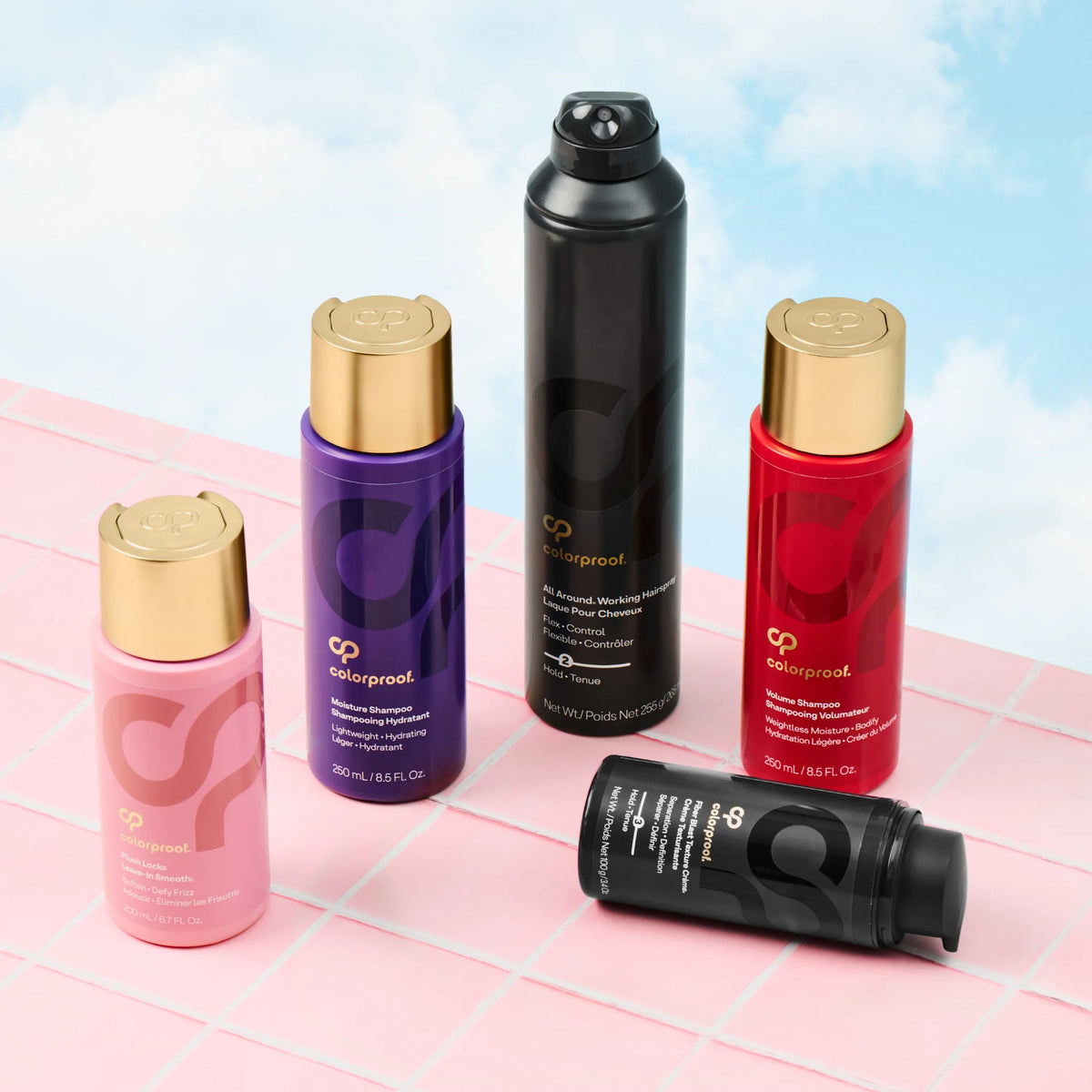
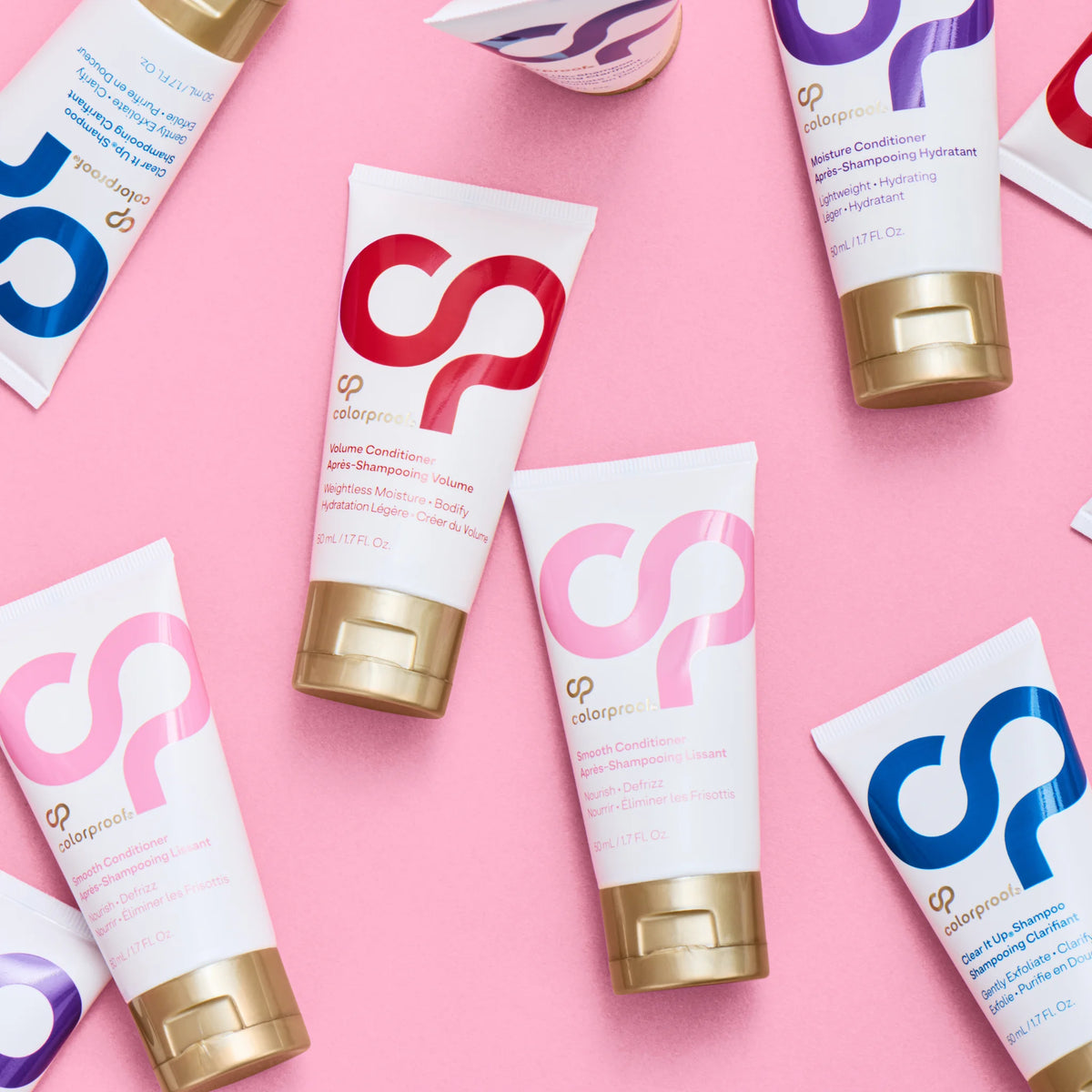
Gray hair tends to lose softness, and dryness can make even a fresh shade look flat. That is why a hair dye for gray hair lasts better when paired with a thoughtful care lineup, especially one like the Baobab recovery collection, which helps support the softness, resilience, and smooth finish gray hair often needs.
Keep the Tone Clean And Bright
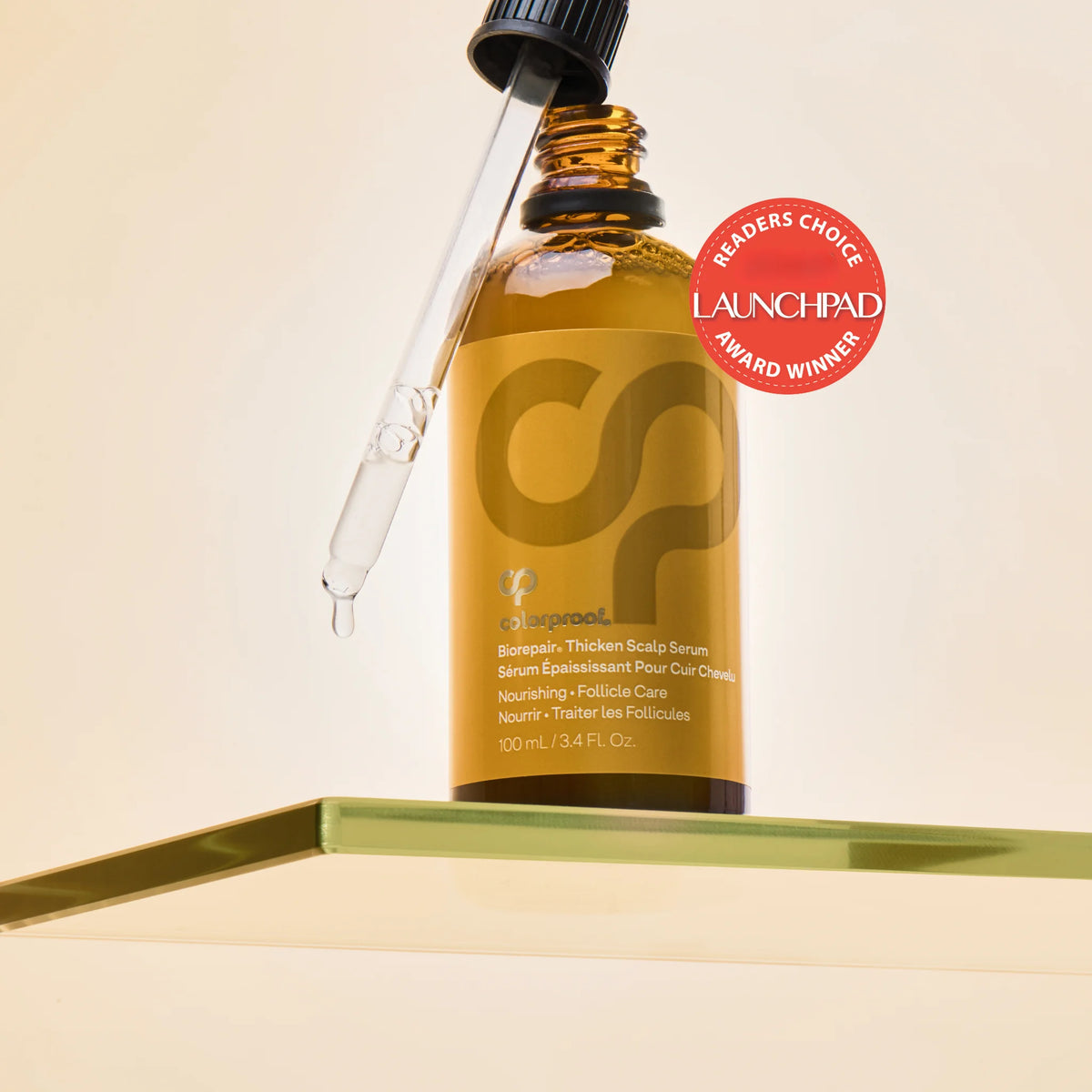
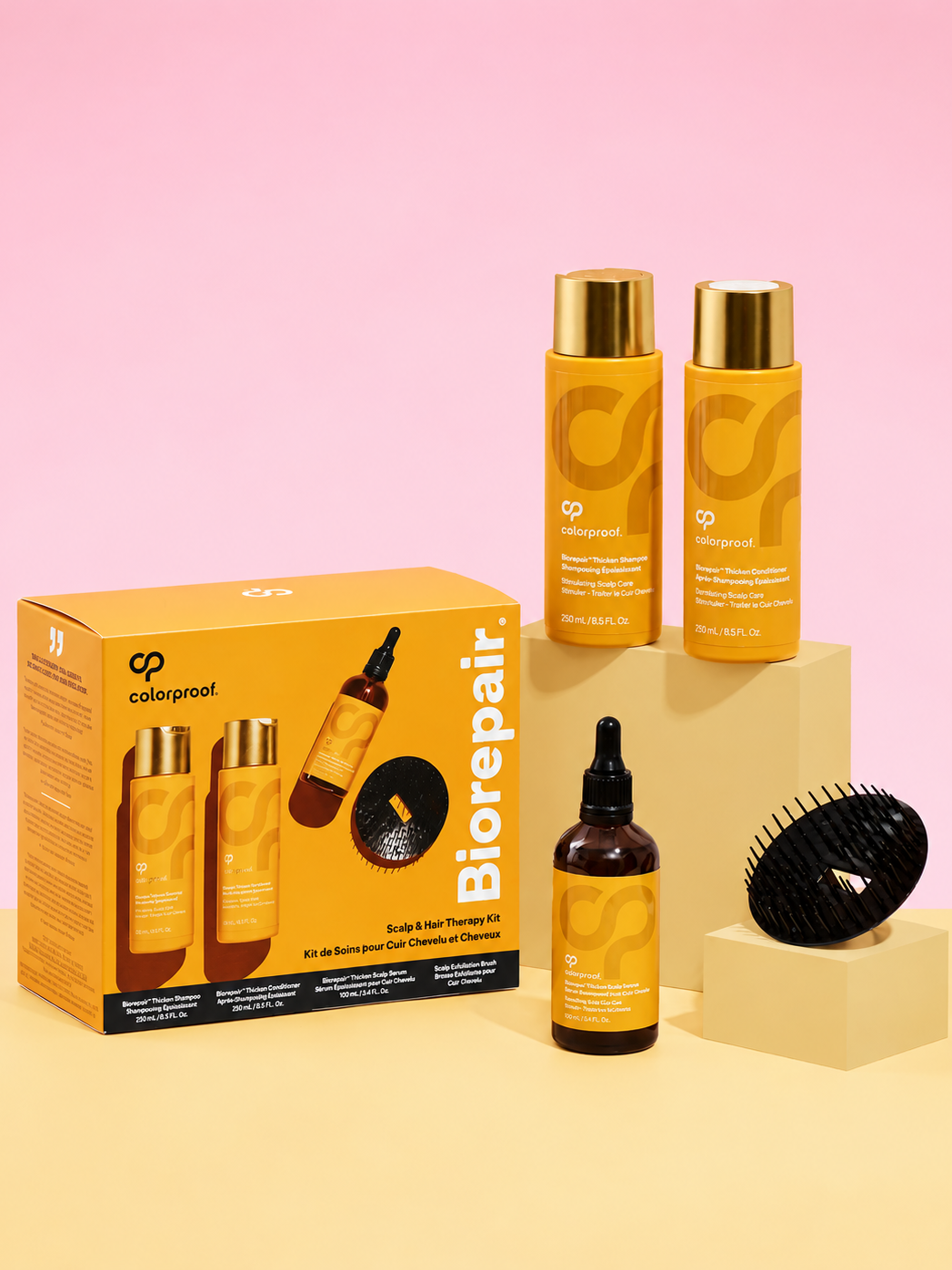
Cool shades, blondes, and silver-toned brunettes can pick up brassiness from heat, sun, or minerals in water, which is why care routines that include targeted support like the BioRepair collection can help keep the color looking clearer, softer, and more refined.
Common Mistakes To Avoid While Dyeing Gray Hair
Even the best color can disappoint when the process is rushed. Gray hair rewards patience and punishes shortcuts. To get the result you actually want, avoid the common habits that make color look harsher, duller, or less natural than it should.
1. Going Too Dark Too Quickly
A very dark color may seem like the easiest path to complete coverage, but it often creates stronger regrowth lines and can make features look more severe. A more balanced hair dye for gray hair usually gives better long-term results, especially when it has softness and dimension rather than a flat, inky finish.
2. Skipping Prep and Aftercare
Gray hair benefits from strand tests, proper timing, and a little restraint. Washing too soon, using harsh cleansers, or overstyling with heat can strip fresh color before it has a chance to settle. If the goal is elegant, lasting coverage, the process should feel measured from start to finish.
FAQs
1. What is the best hair dye for gray hair?
The best dye for gray hair is one made specifically for resistant strands and formulated to deliver even, lasting coverage without leaving the hair dry or overly matte. Look for a formula that offers depth, shine, and a natural-looking finish rather than an overly solid block of color. The right hair dye for gray hair is the one that suits your texture, your undertone, and the amount of gray you want to blend or fully cover.
2. What is the best color to dye your hair when going gray?
The most flattering shades are usually soft, dimensional, and easy on regrowth. Beige blonde, mushroom brown, ash brunette, warm honey, and neutral brunette all tend to work beautifully because they blend naturally with emerging silver. The best choice is less about trends and more about what makes your skin look fresher and your features look softer.
3. What is the healthiest way to cover gray hair?
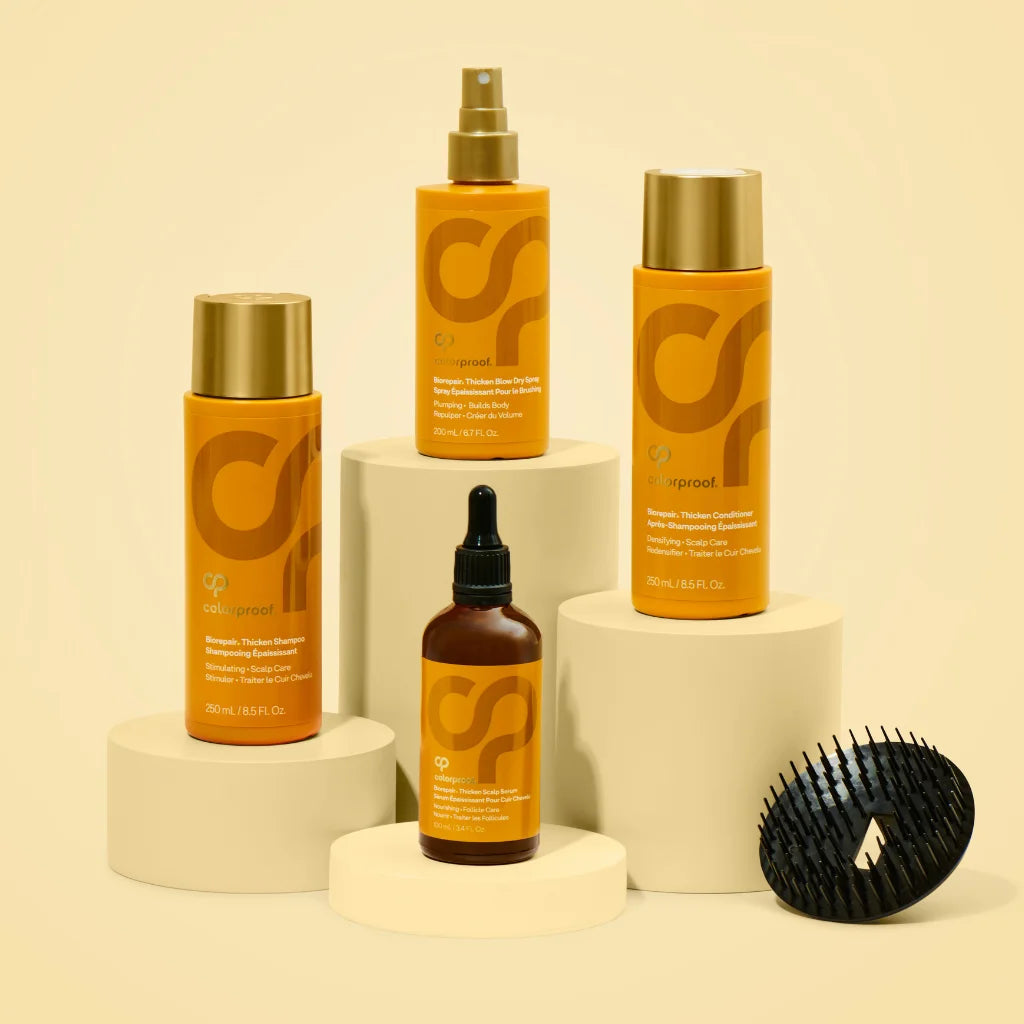
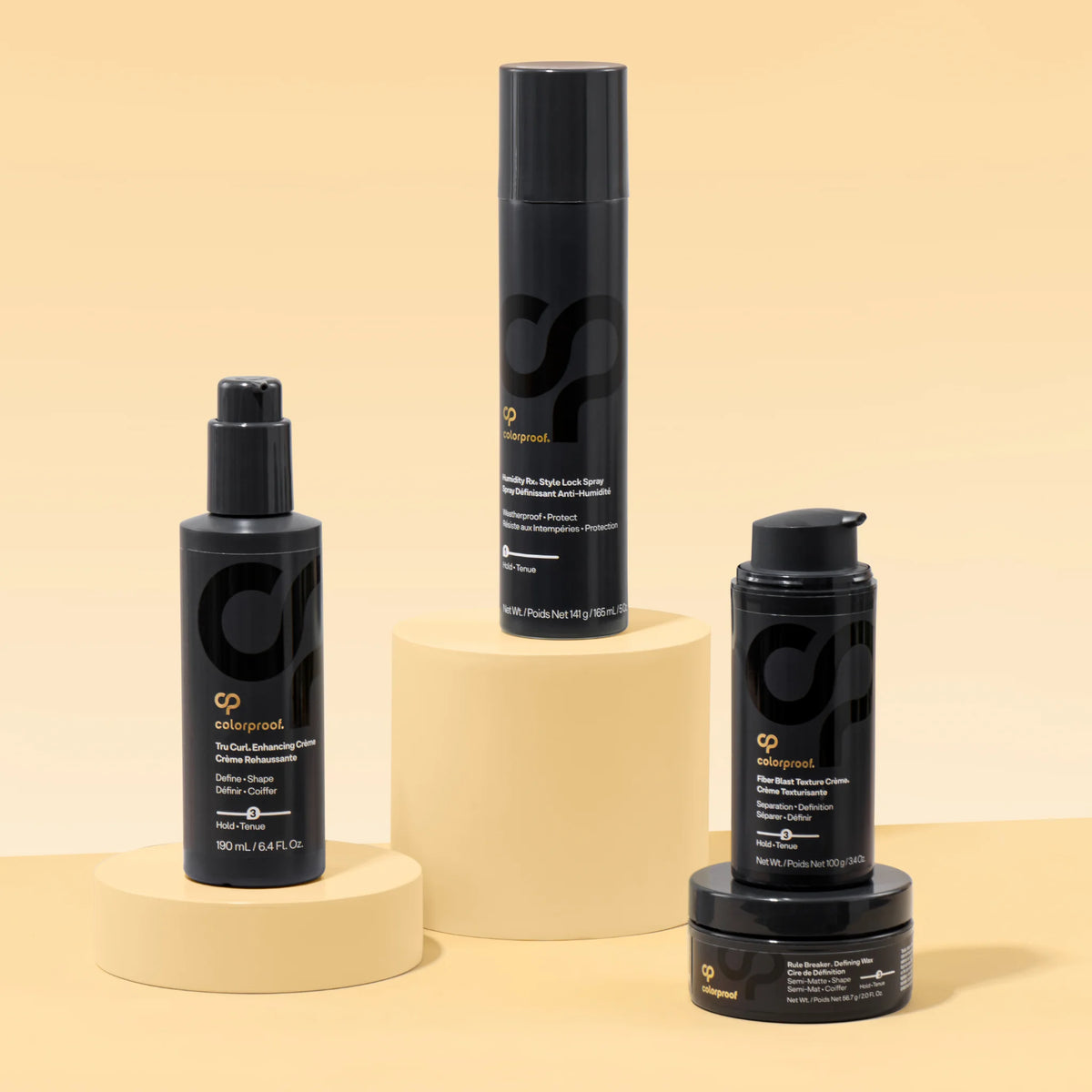
The healthiest route is a gentle coloring routine with strong aftercare. Choose a high-quality hair dye for gray hair, patch test first, avoid overprocessing, and focus on moisture after coloring. For hair that also needs a little more body and fullness, a hair thickening collection can be a thoughtful addition to the routine.
4. Can grey hair turn to black again?
In most cases, no. Once melanin production slows or stops, the follicle does not usually return to its earlier pigment pattern. What color can do, however, is transform the look of the hair beautifully. The right hair dye for gray hair can restore richness and depth on the surface, even if it does not reverse the biology underneath.
5. How do you maintain dyed grey hair?
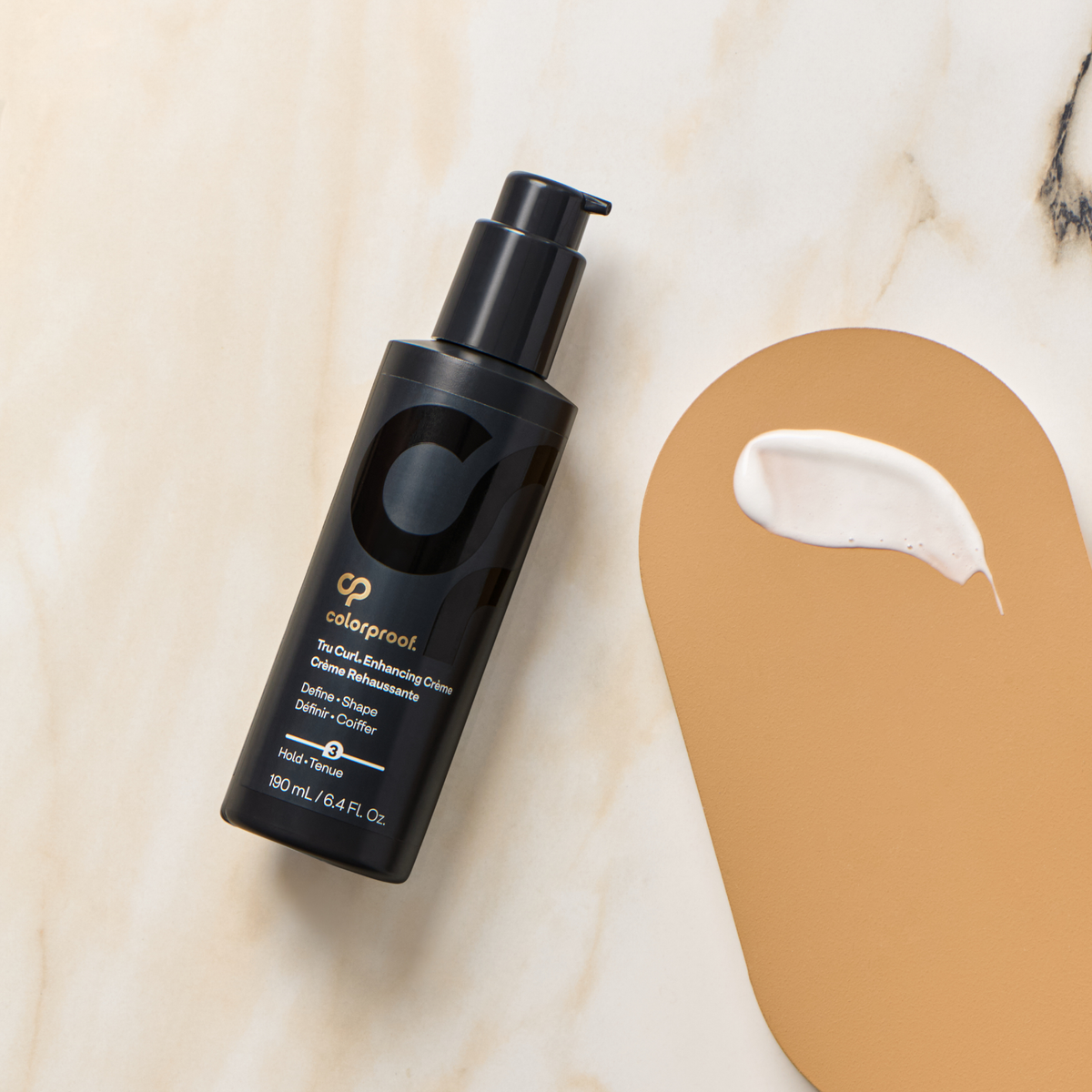
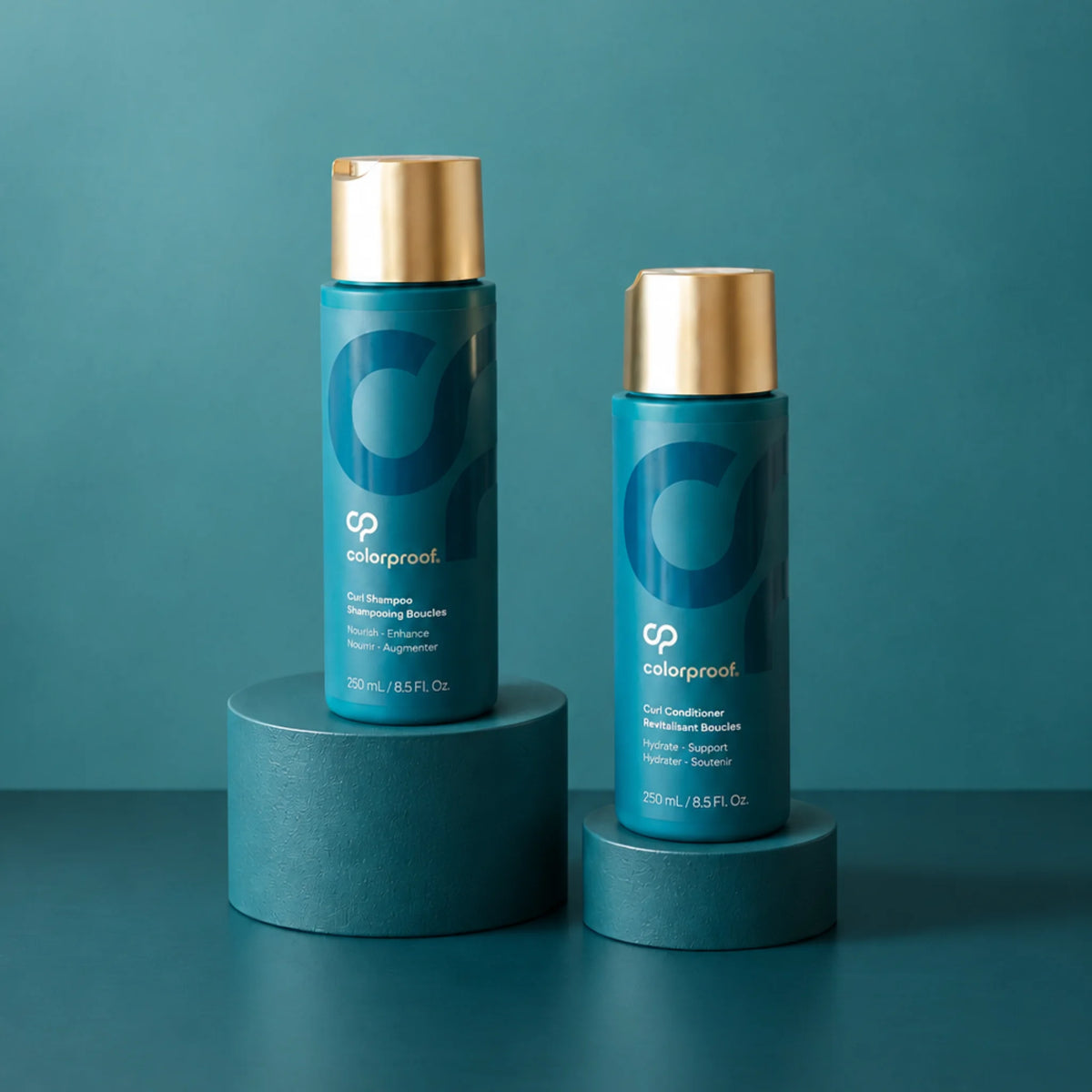
Keep washing gently and infrequently, use color-safe products, and protect the hair from excessive heat. Refresh the tone when needed, especially if brassiness starts to cloud cooler shades. If texture is part of your styling story, a hair curl collection can help maintain shape and definition without taking away from that polished finish.